Frances Hodgkins: From New Zealand to British Modernism
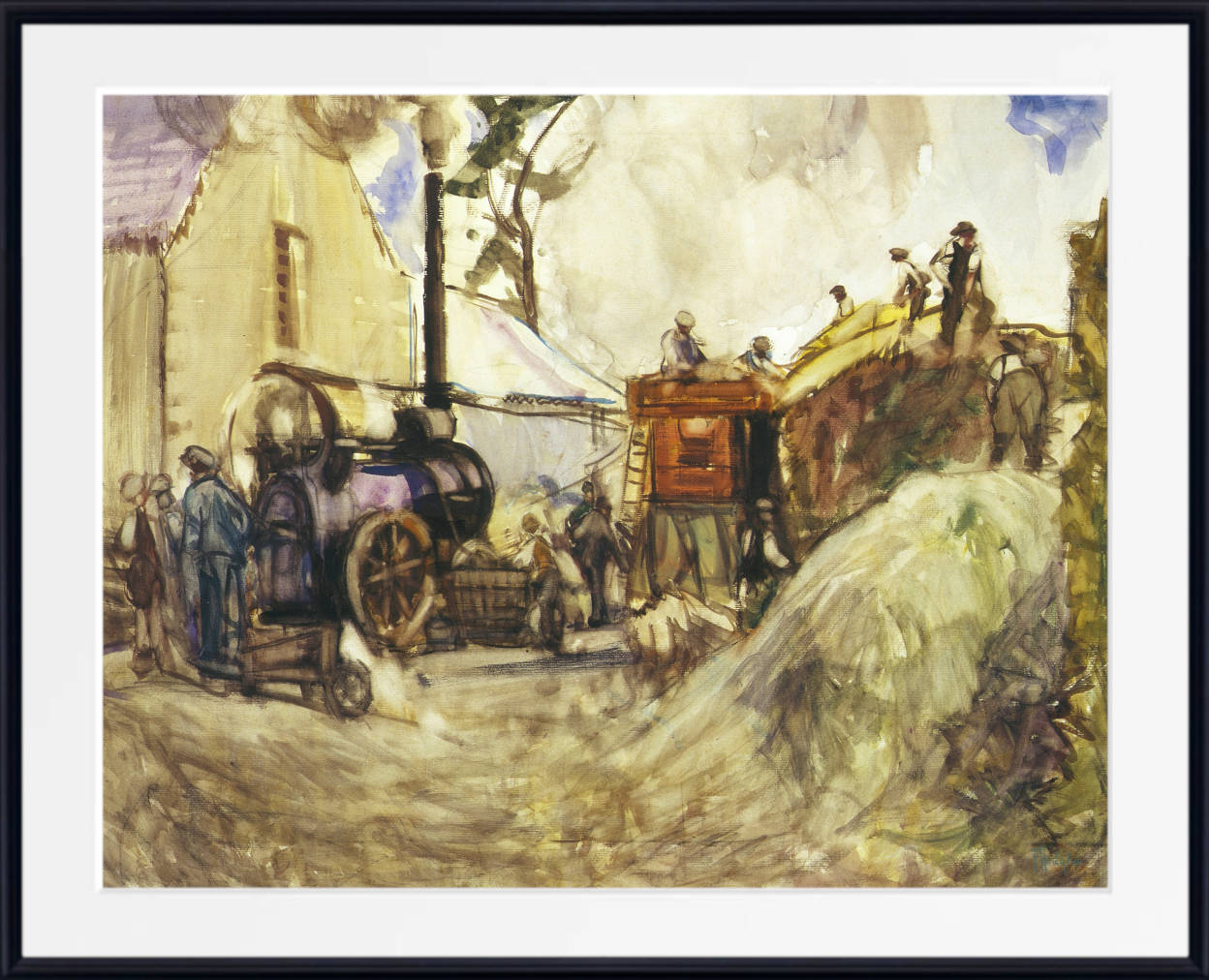
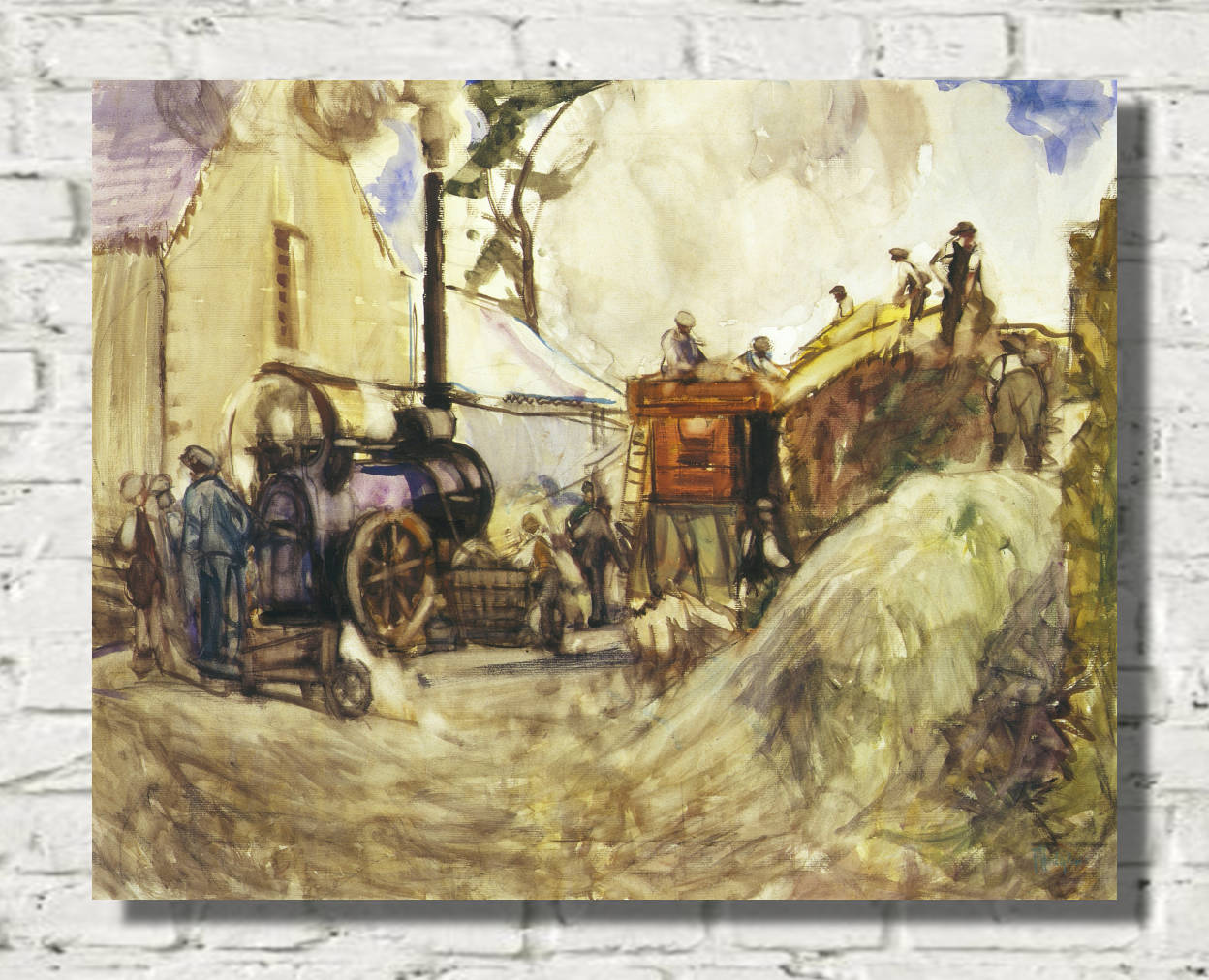
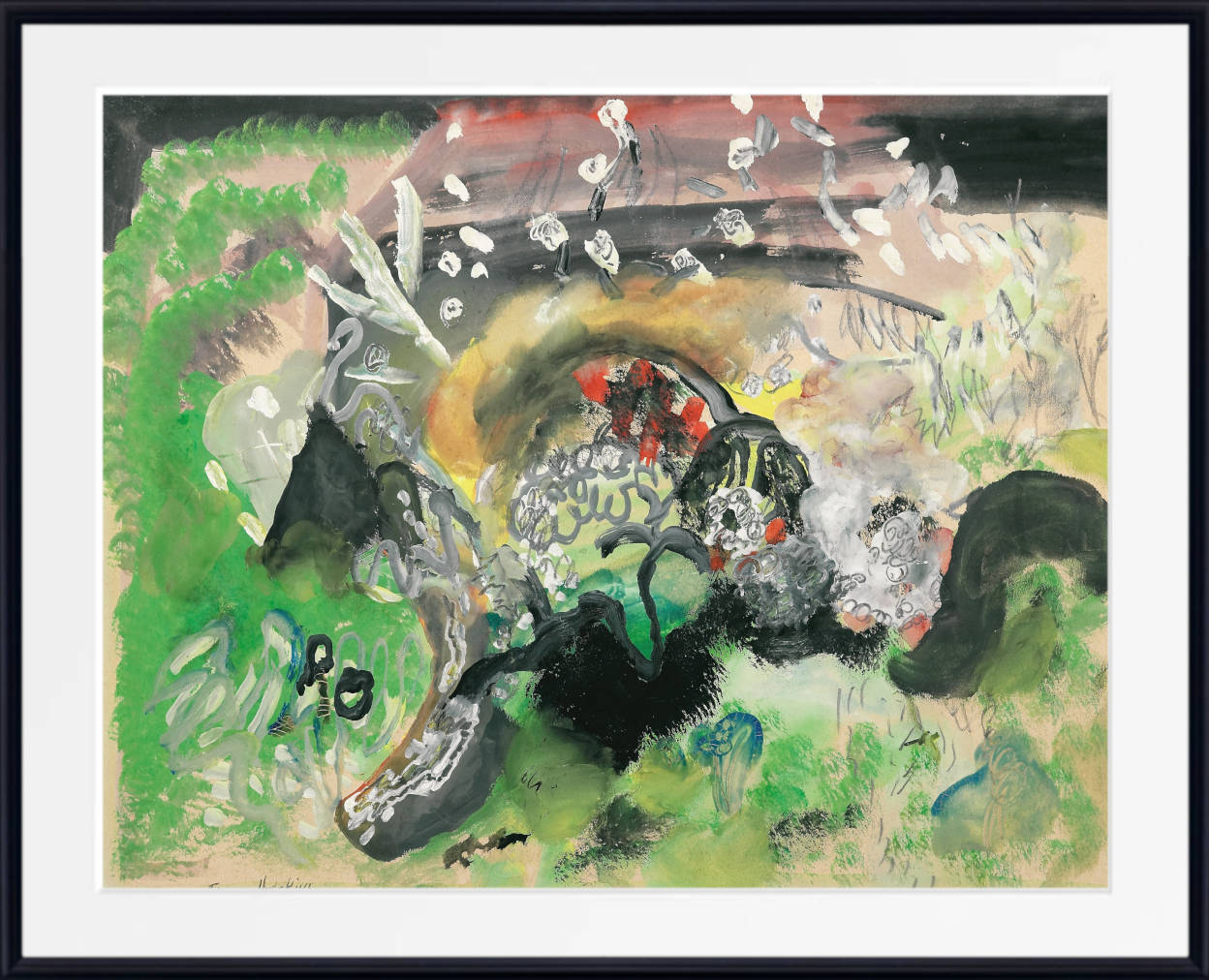
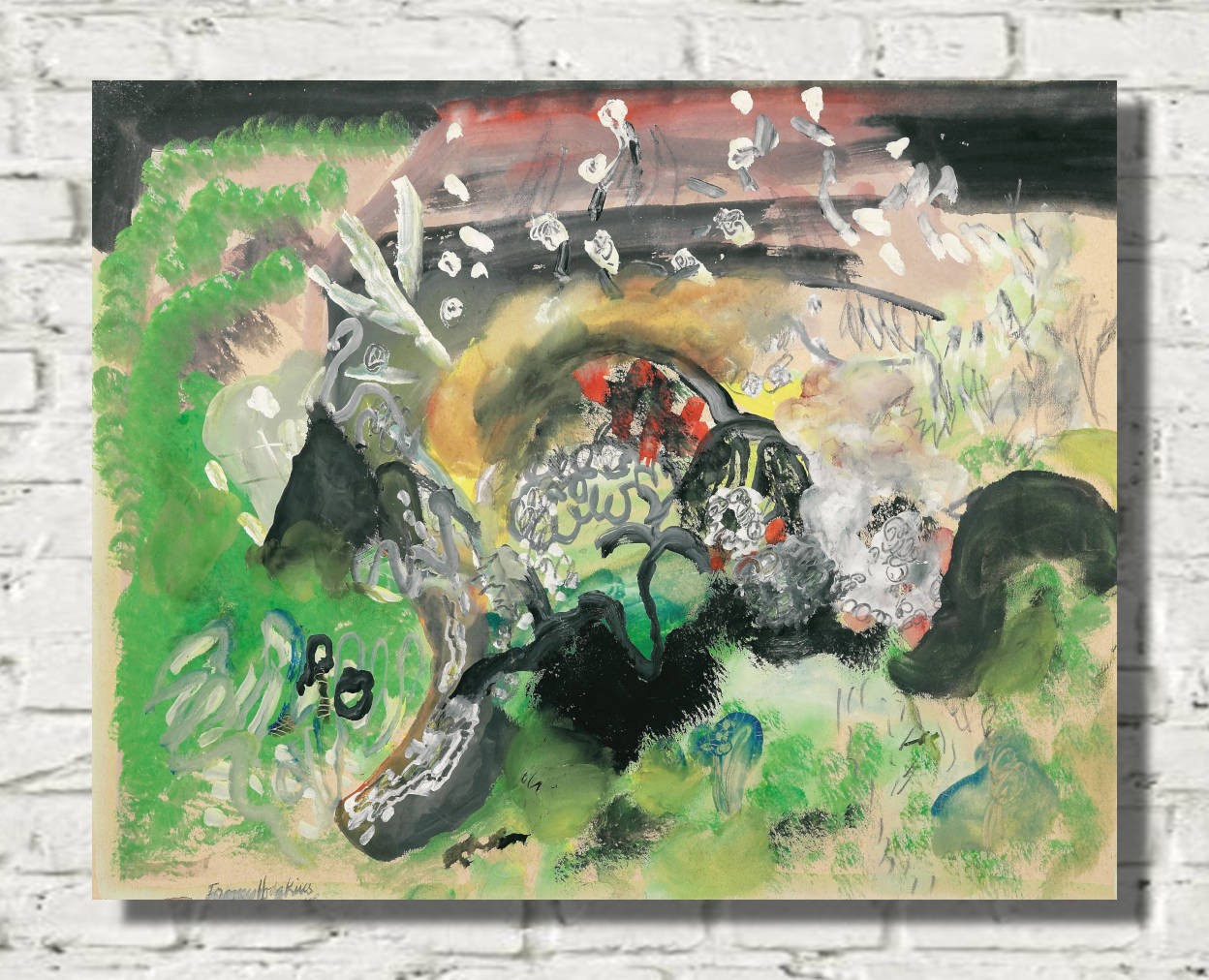
Frances Hodgkins was born in Dunedin, New Zealand, in 1869 and became one of the most distinctive modernist painters associated with Britain during the early twentieth century. Her work developed through sustained experimentation with watercolour, gouache and oil, gradually moving from closely observed subjects towards simplified forms, unconventional spatial arrangements and expressive relationships between colour and line.
This collection brings together Frances Hodgkins prints drawn from across that development, including landscapes, still lifes, figures, European scenes and textile designs.
Early Watercolours and European Travel
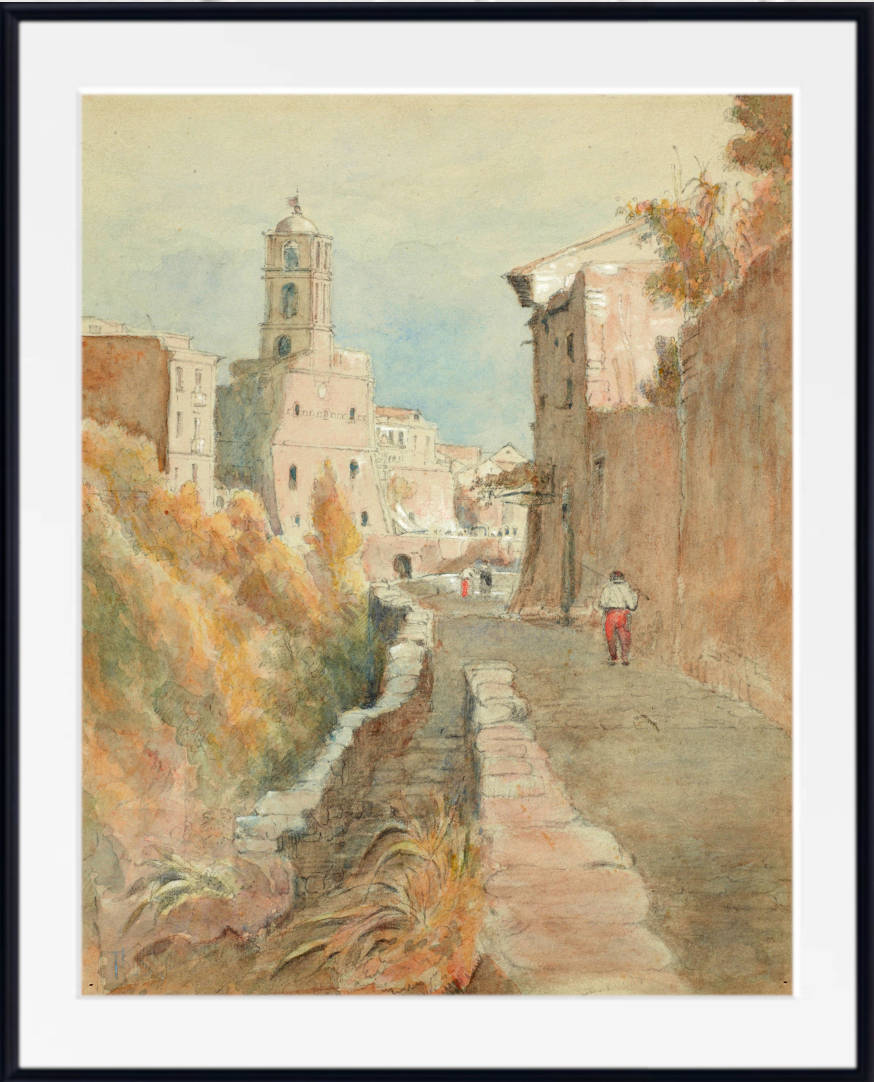
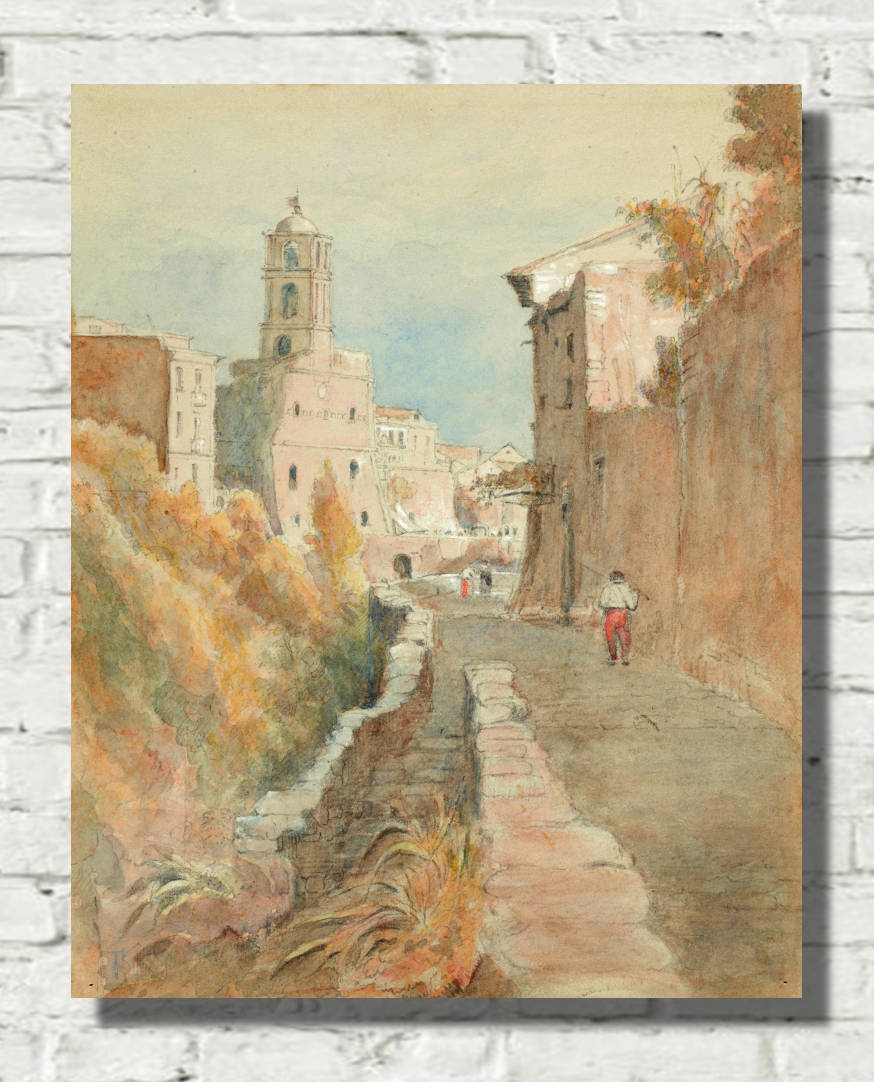
Hodgkins trained at the Dunedin School of Art and first established herself through watercolour painting. After leaving New Zealand, she travelled extensively through Britain, France, the Netherlands, Italy, Spain and North Africa.
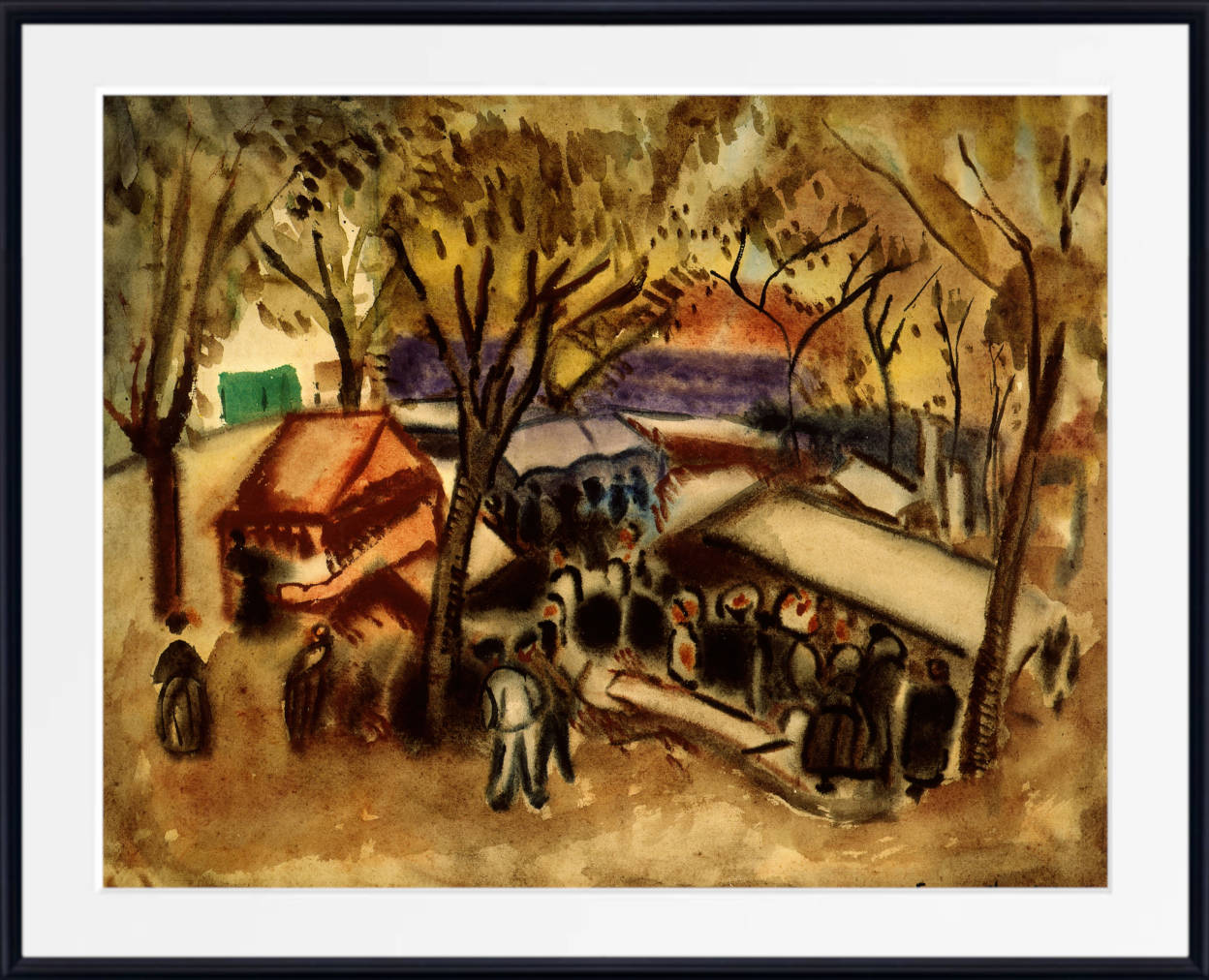
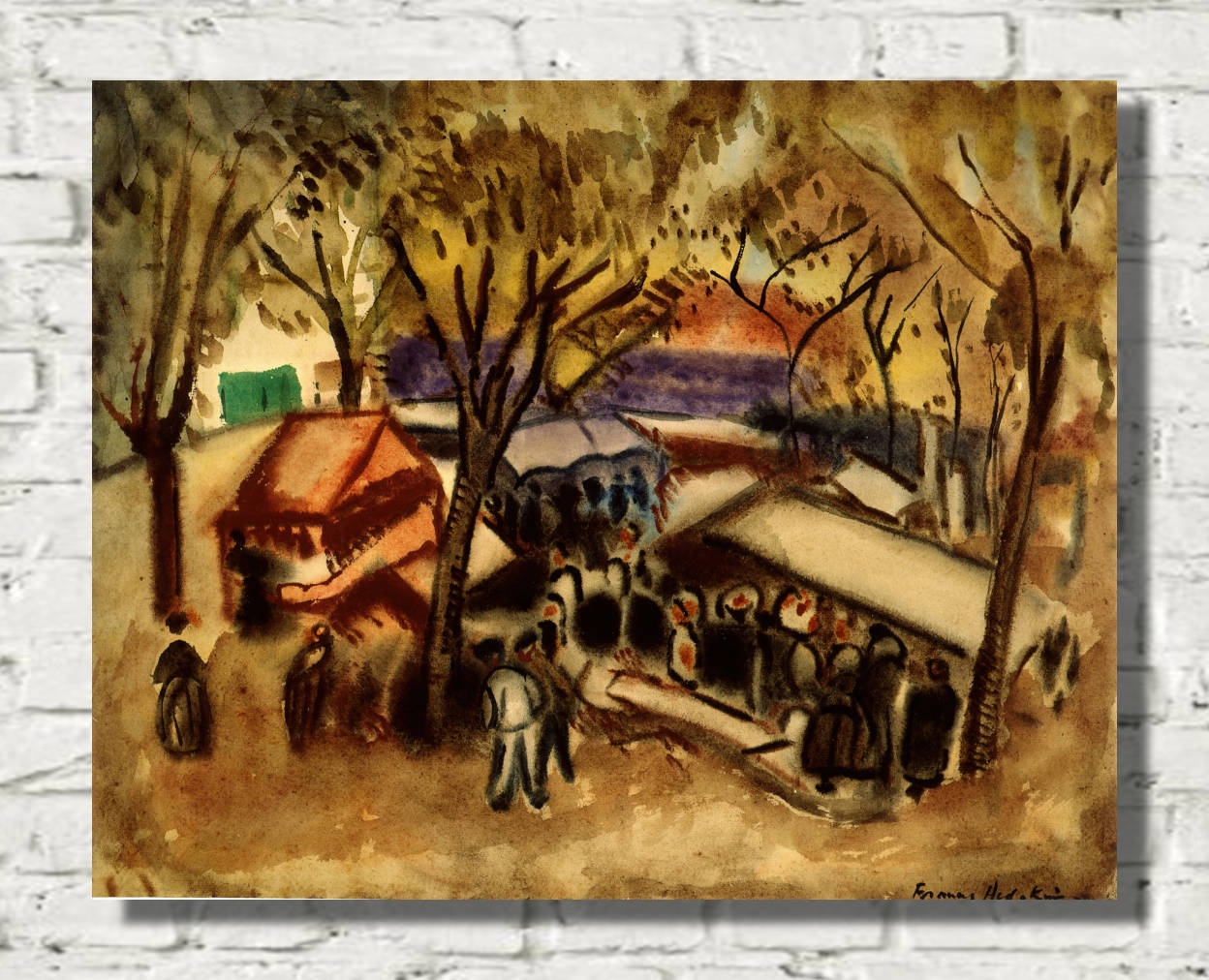
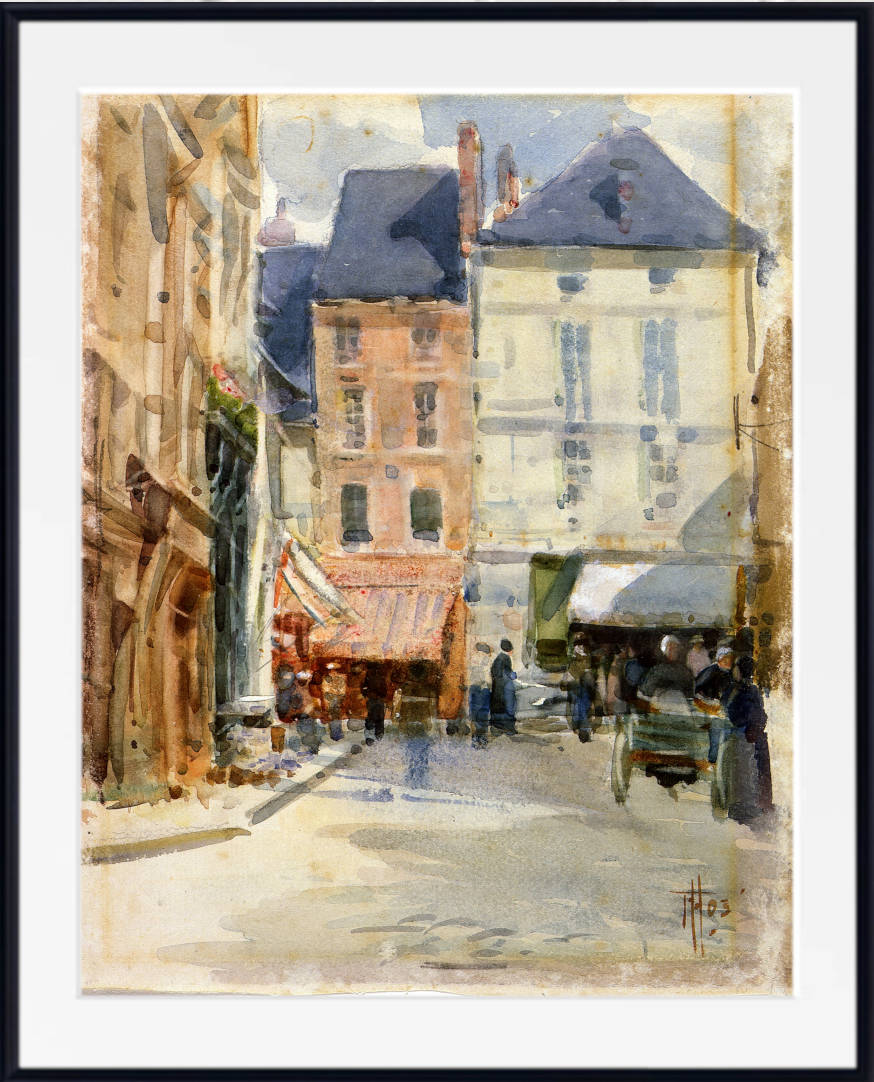
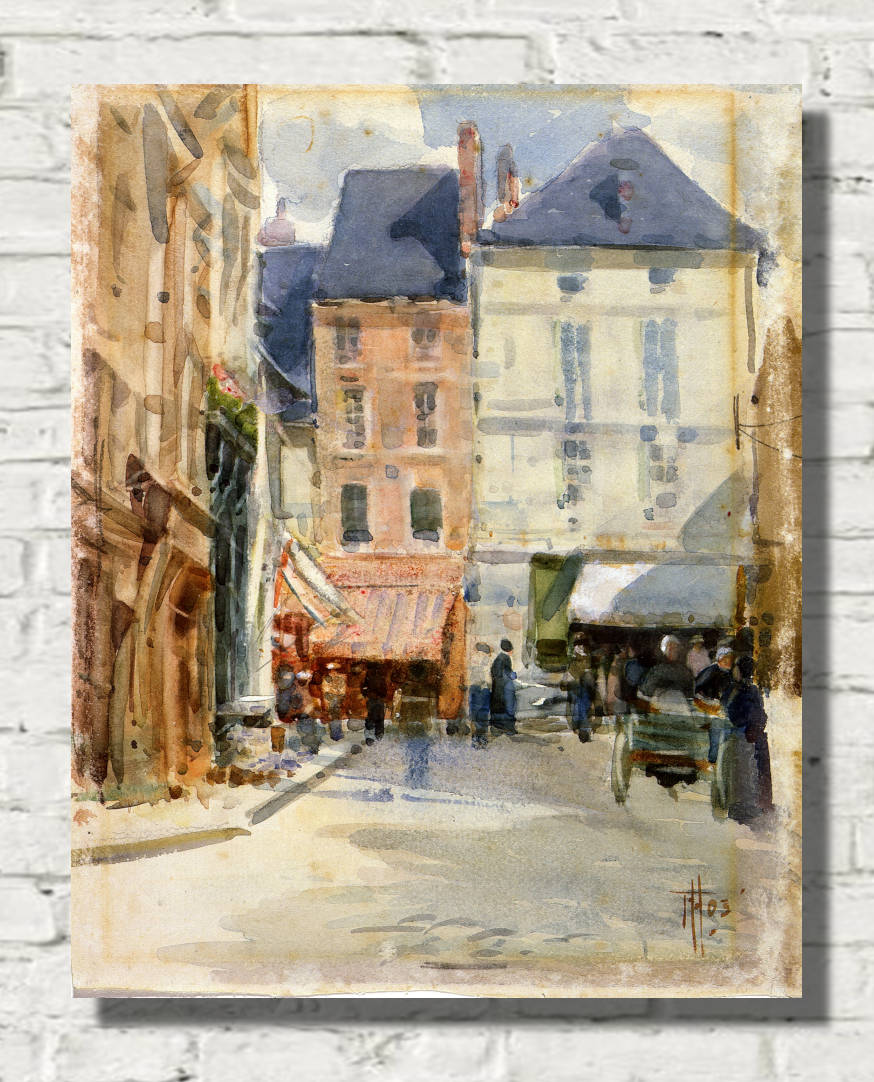
Works depicting Tangier, Dordrecht, Venice and Ibiza reflect her interest in the visual character of different locations. Markets, harbours, village streets and working figures provided recurring subjects, allowing her to study movement, light and the organisation of figures within a scene.
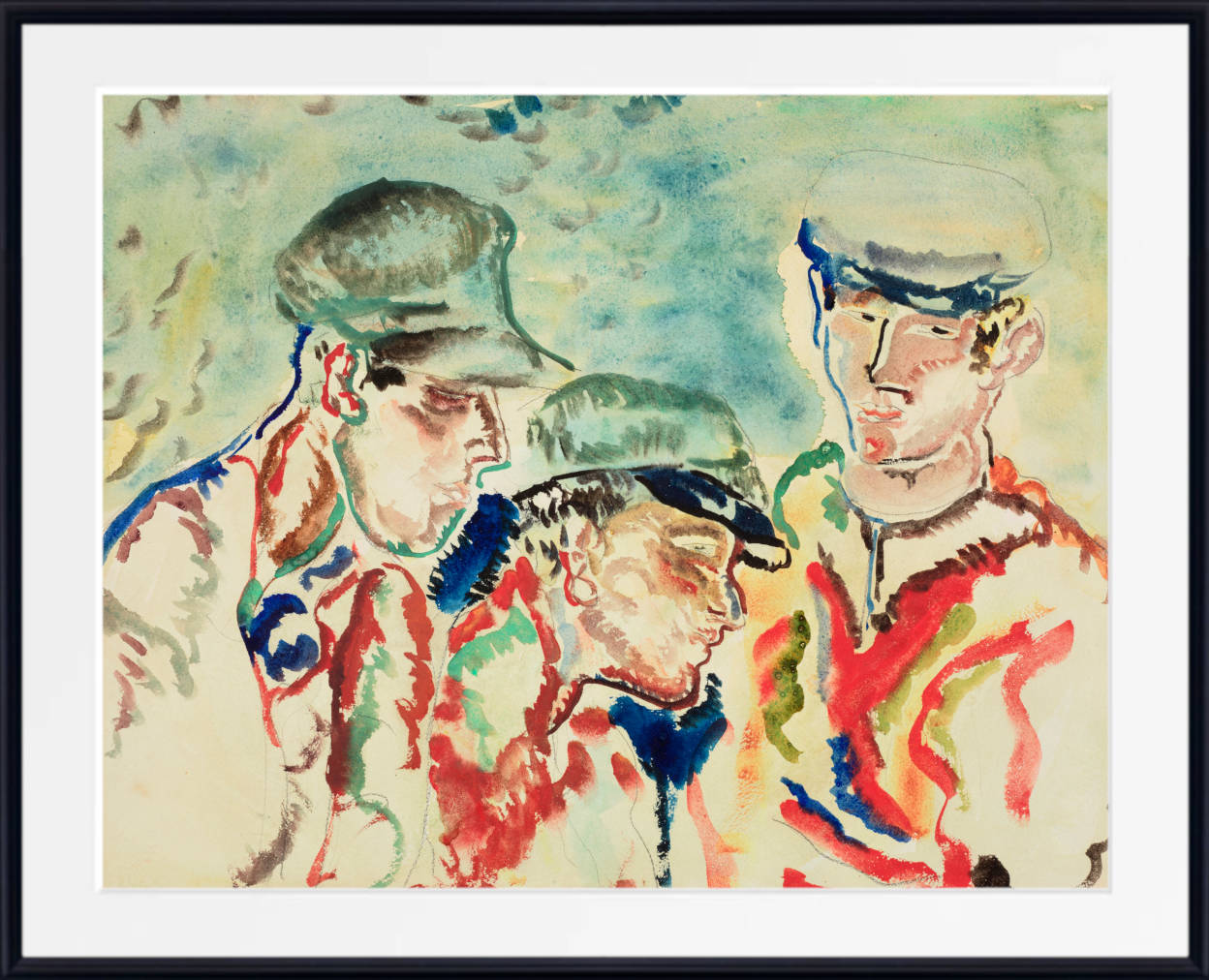
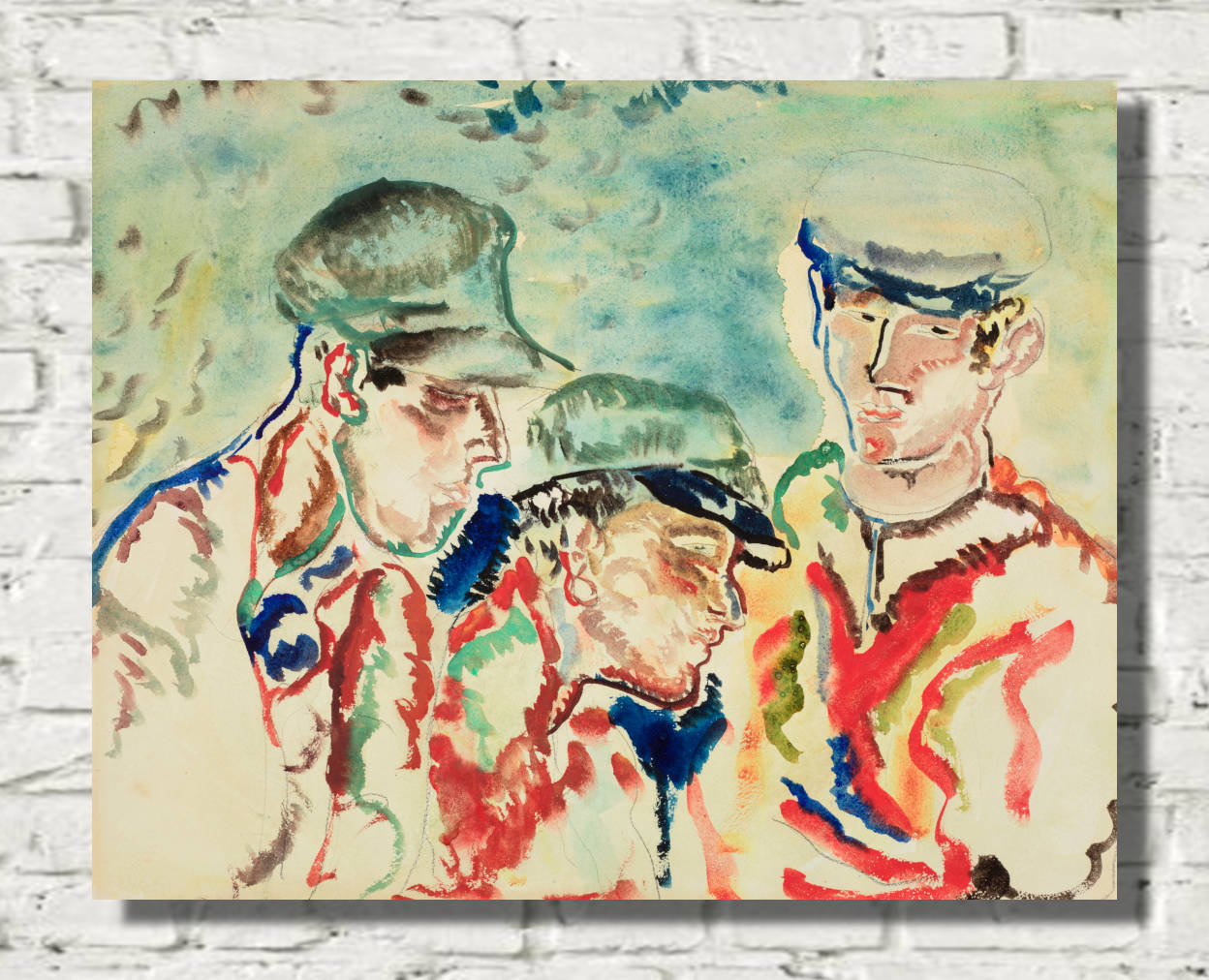
Paintings such as The Orange Sellers, Tangier, Dordrecht and Three Fisher Boys retain recognisable subjects while showing the increasingly economical drawing and fluid colour that came to define her work.
Landscapes, Still Lifes and Modernist Form
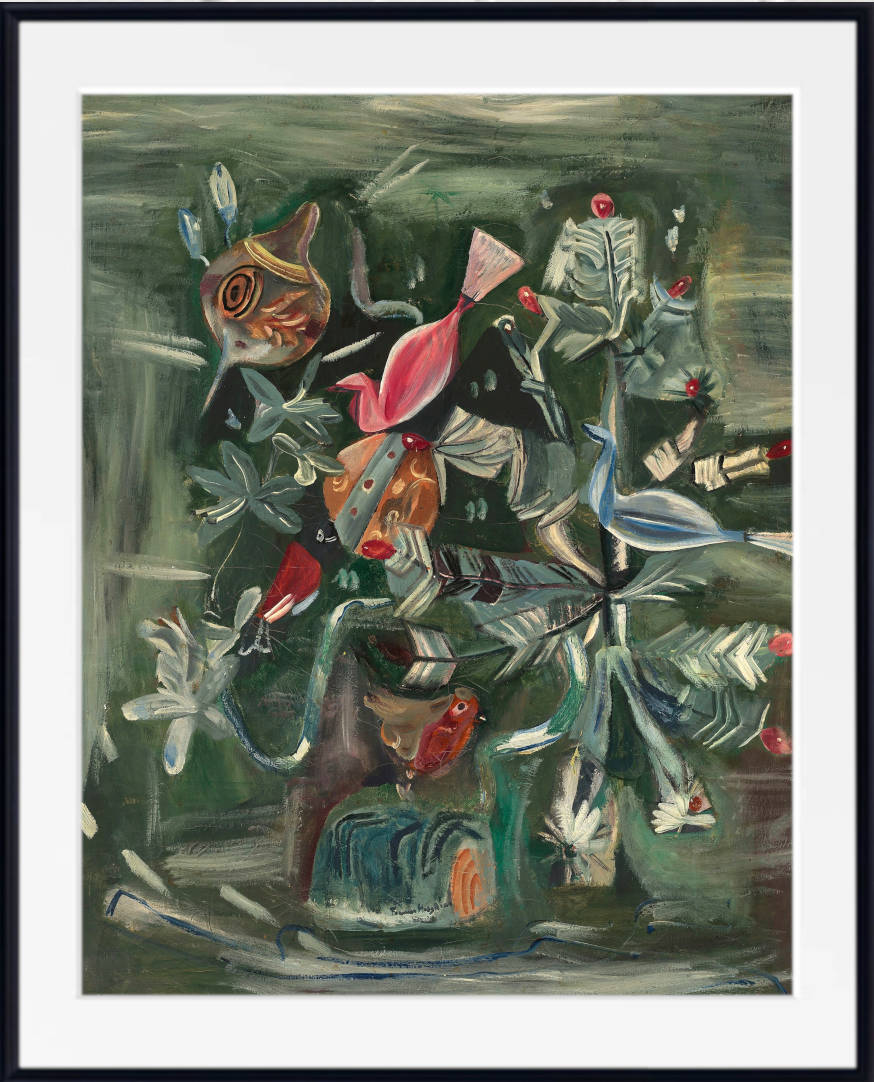
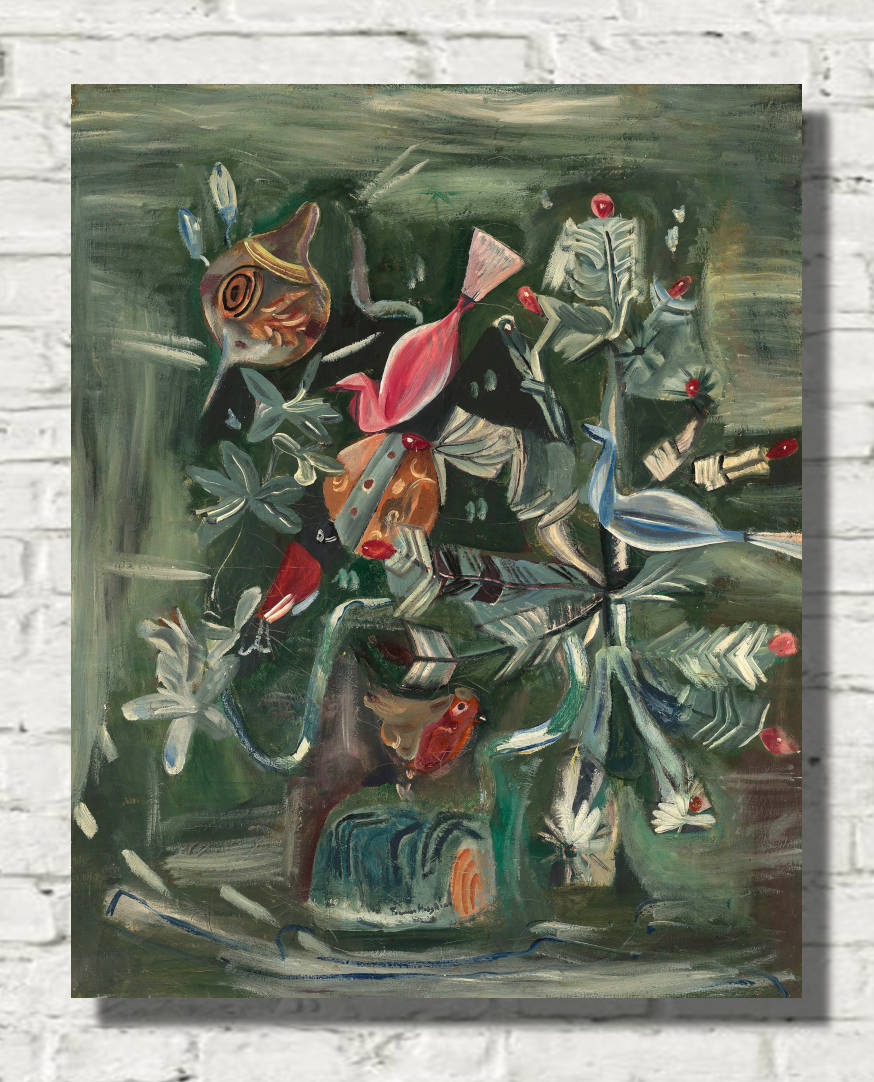
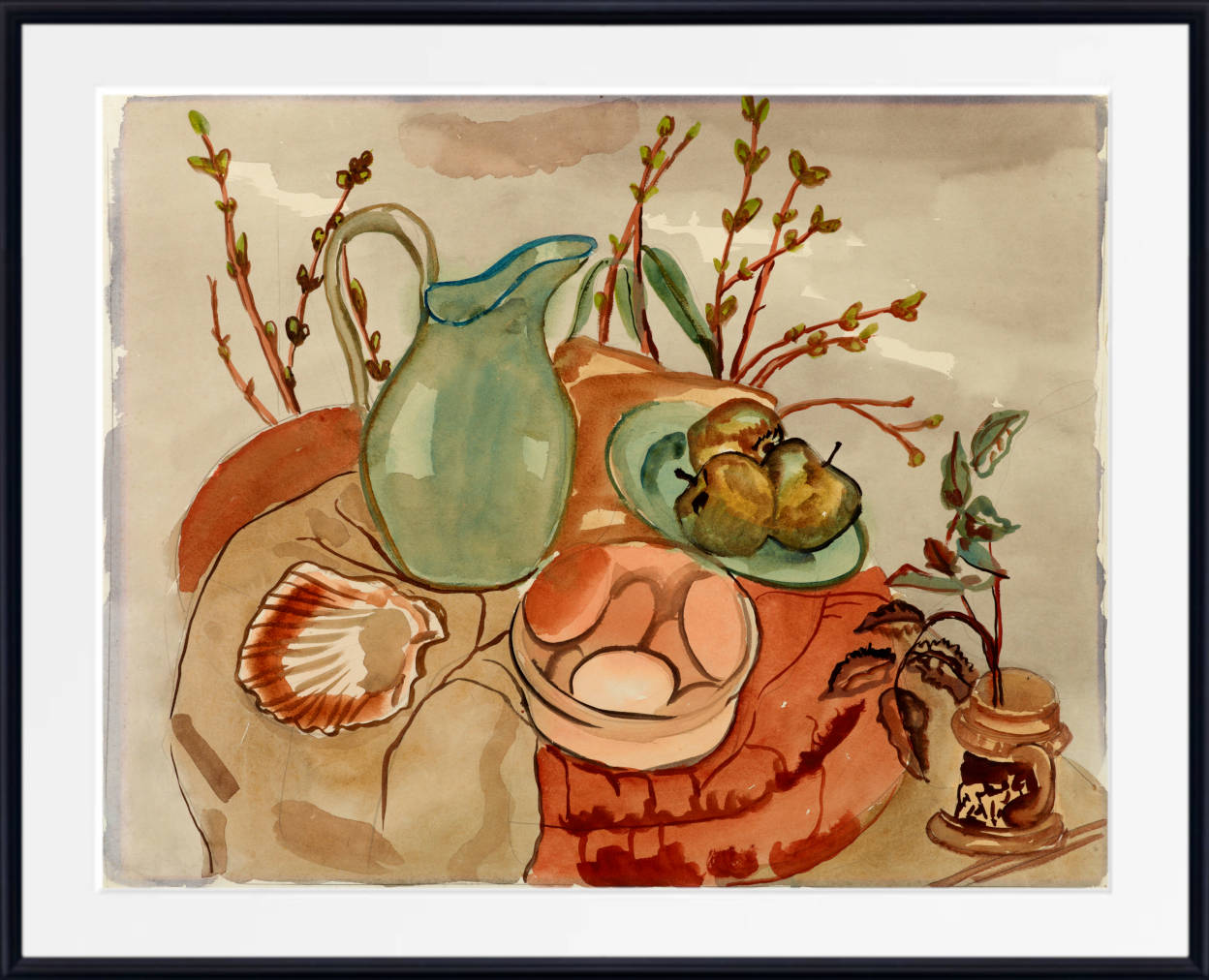
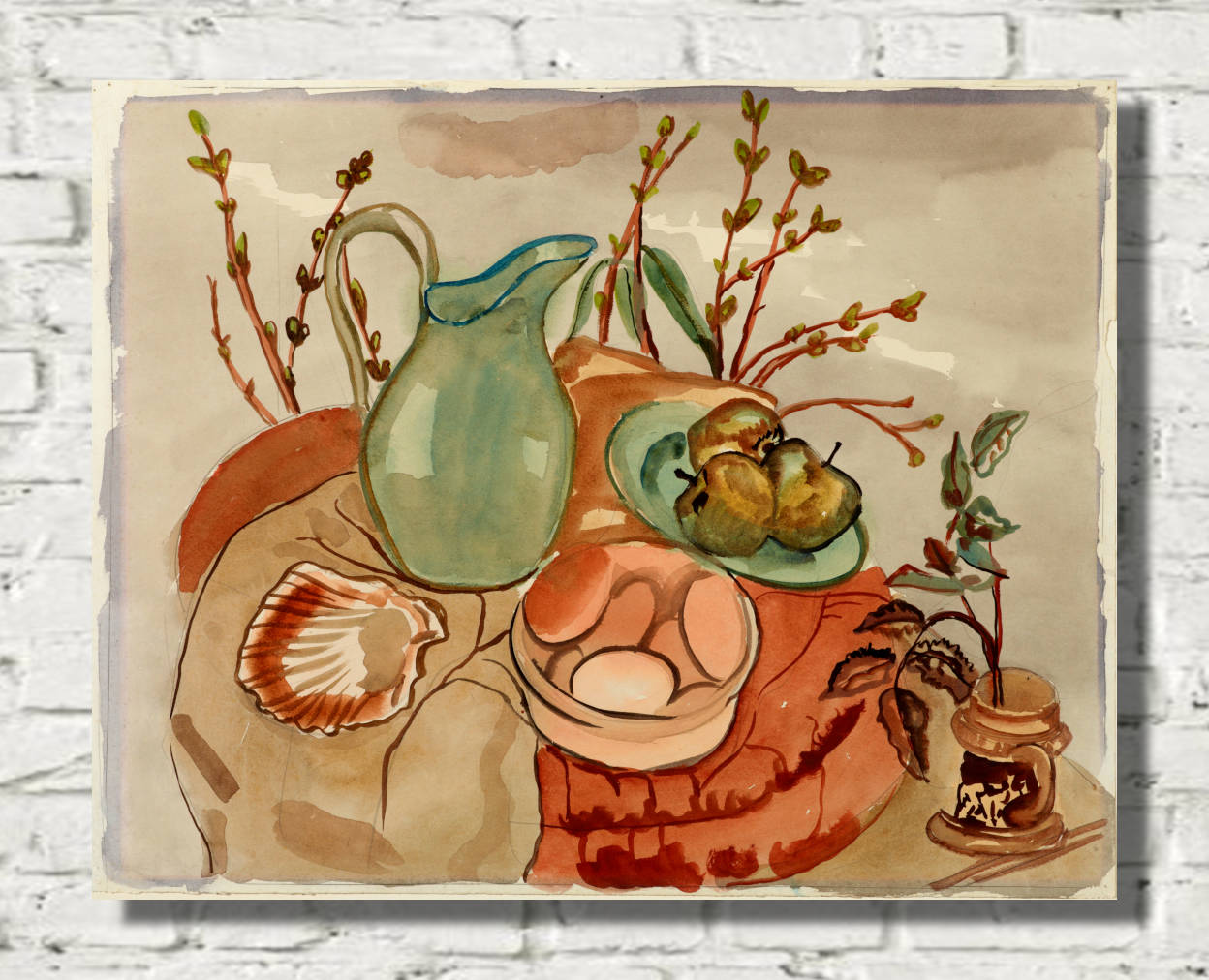
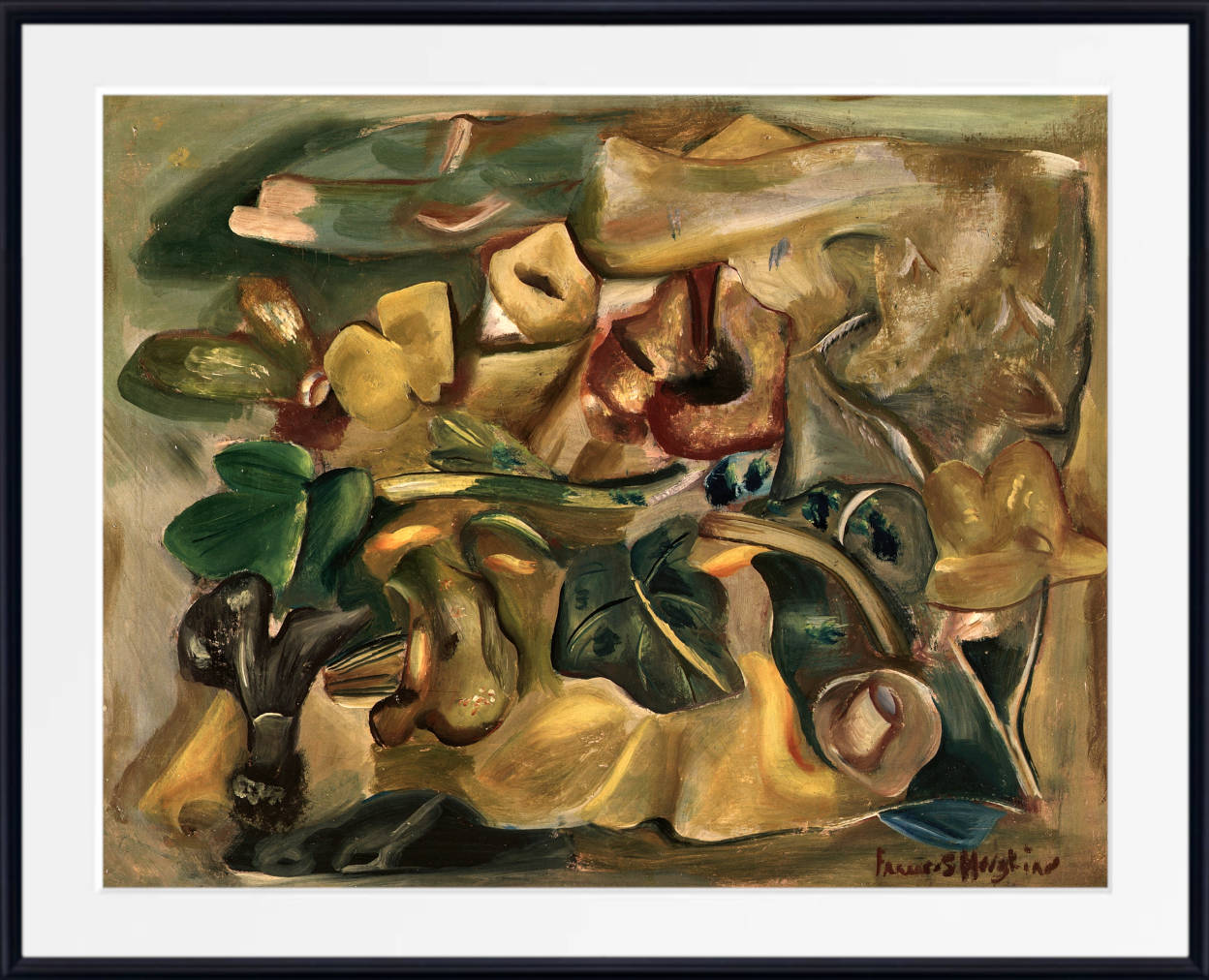
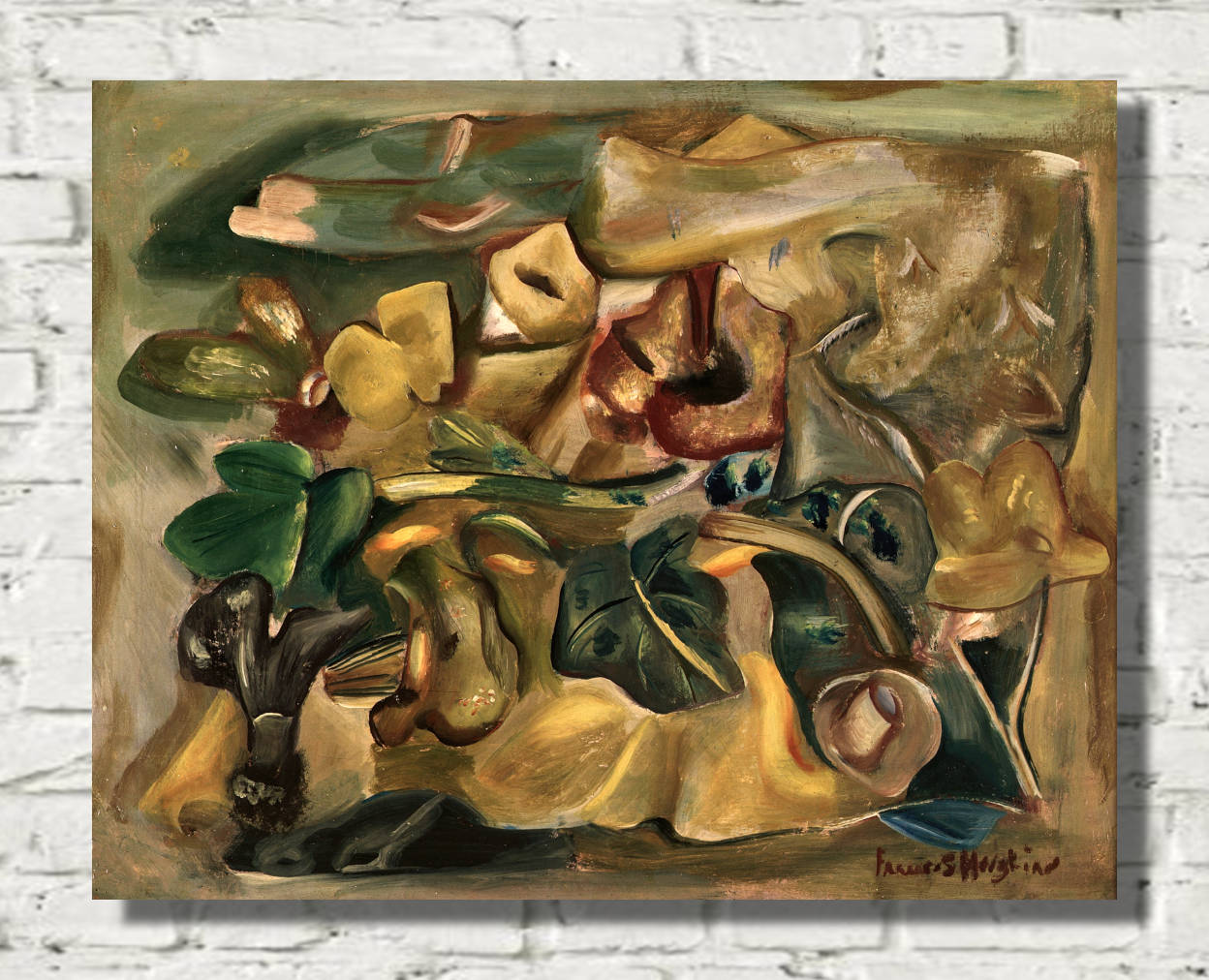
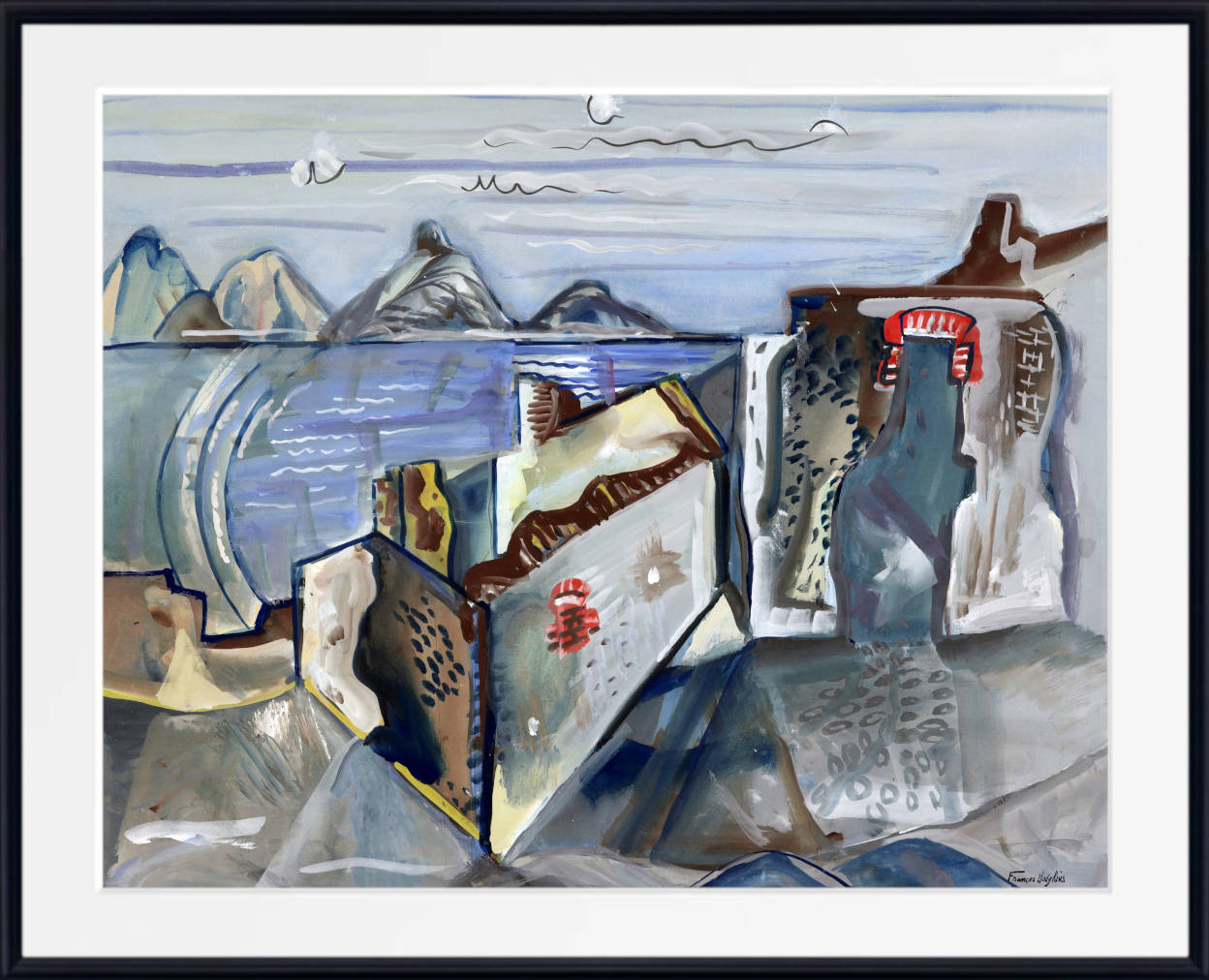
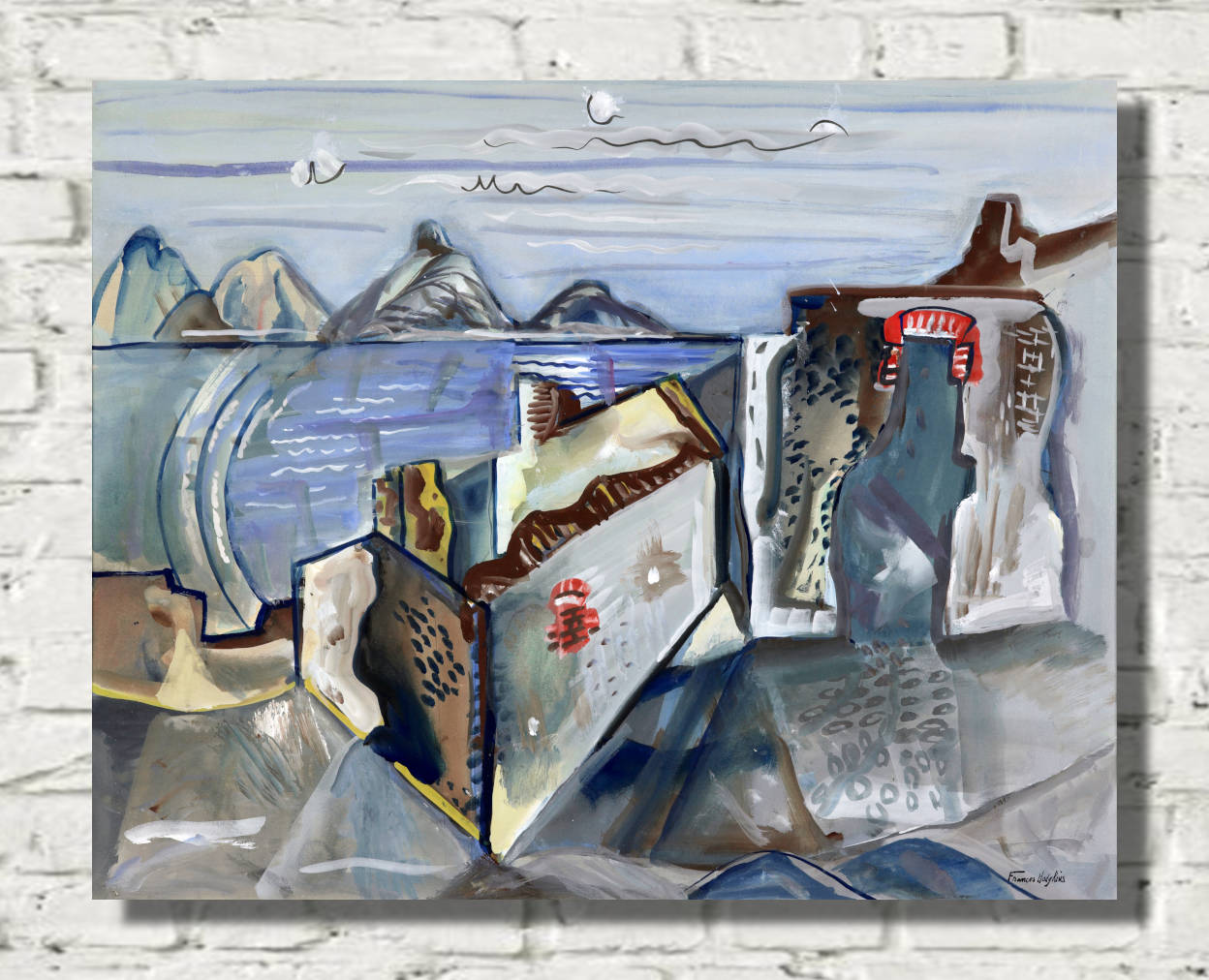
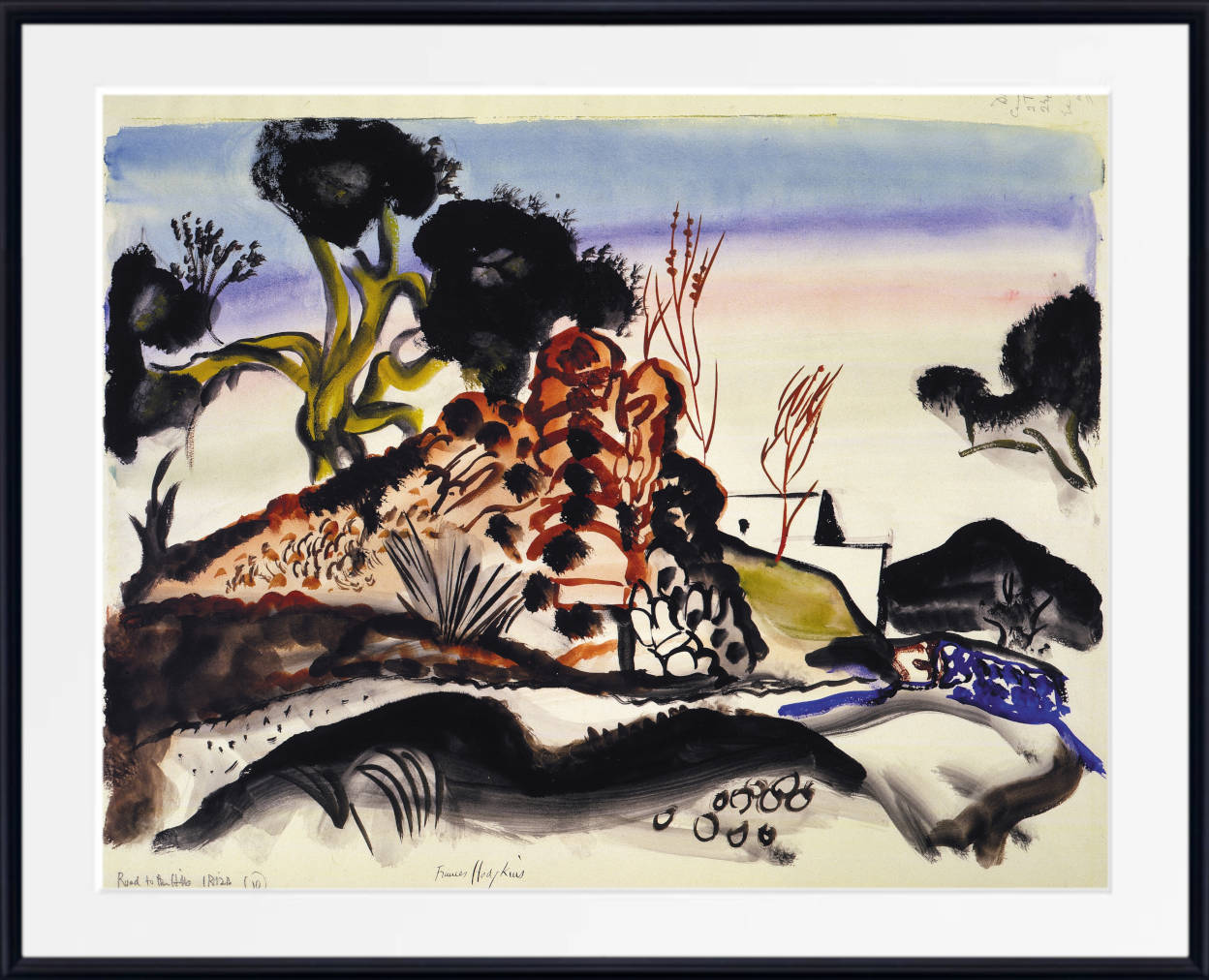
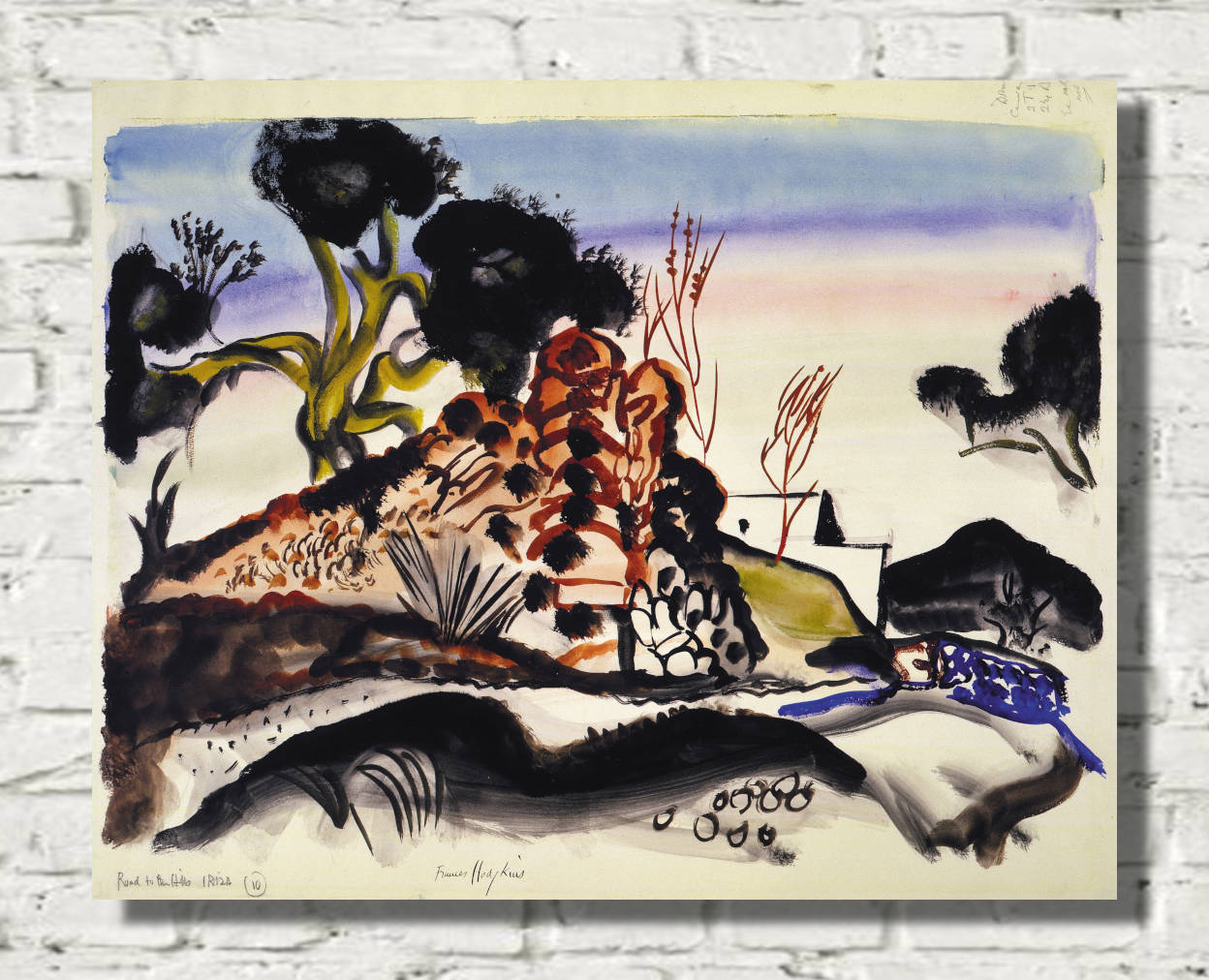
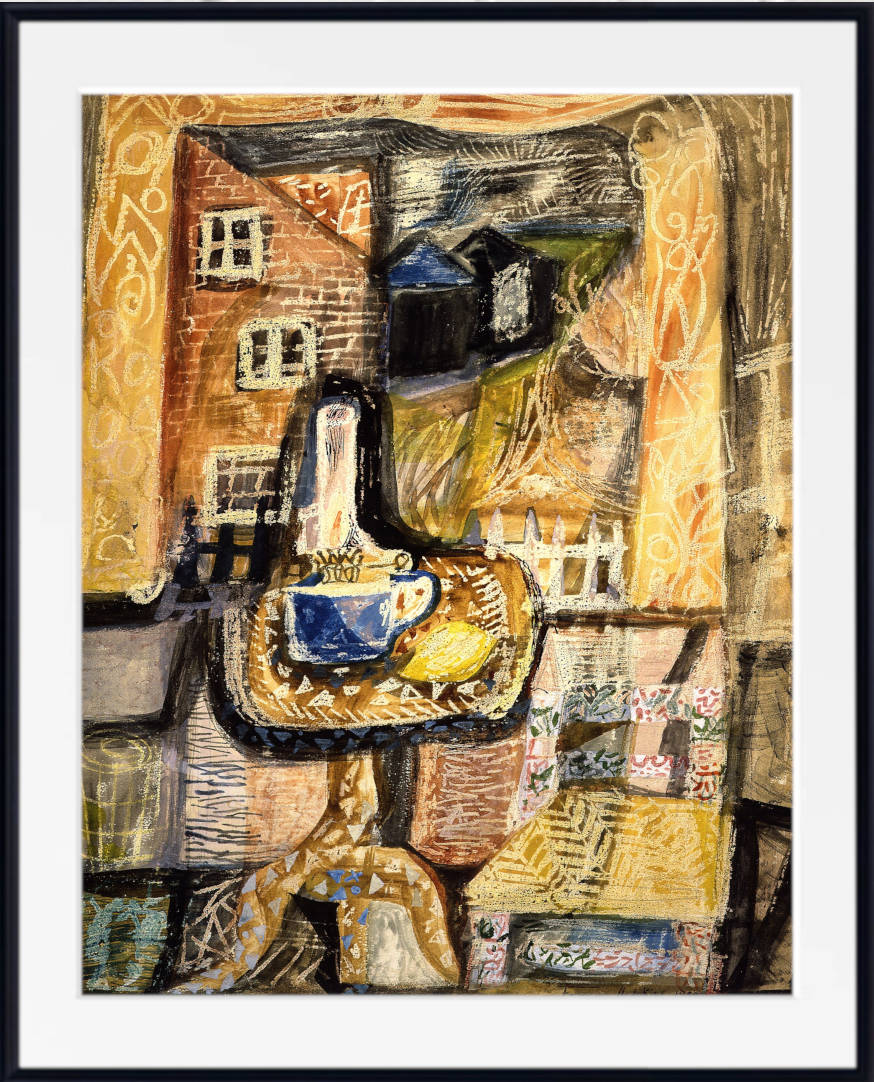
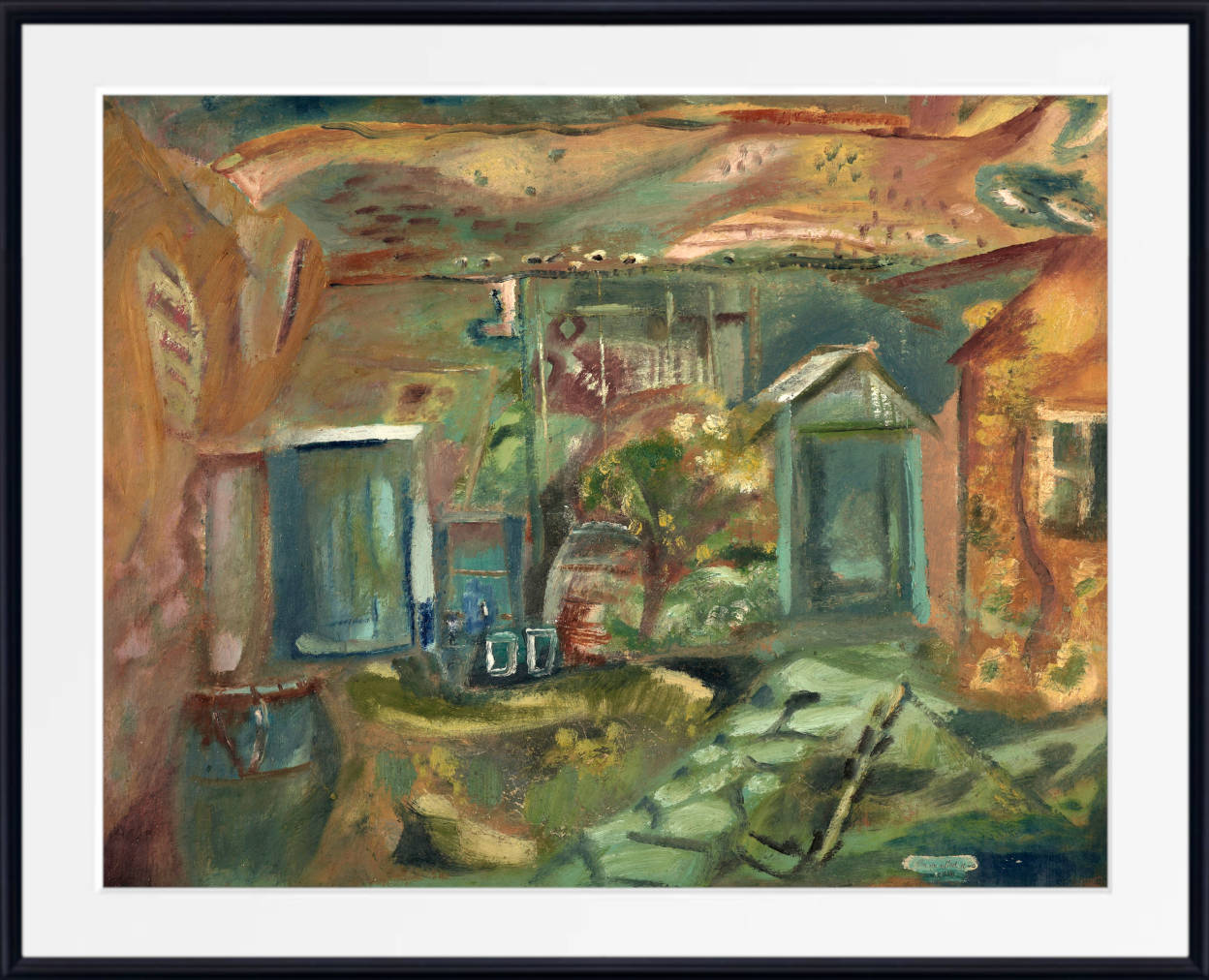
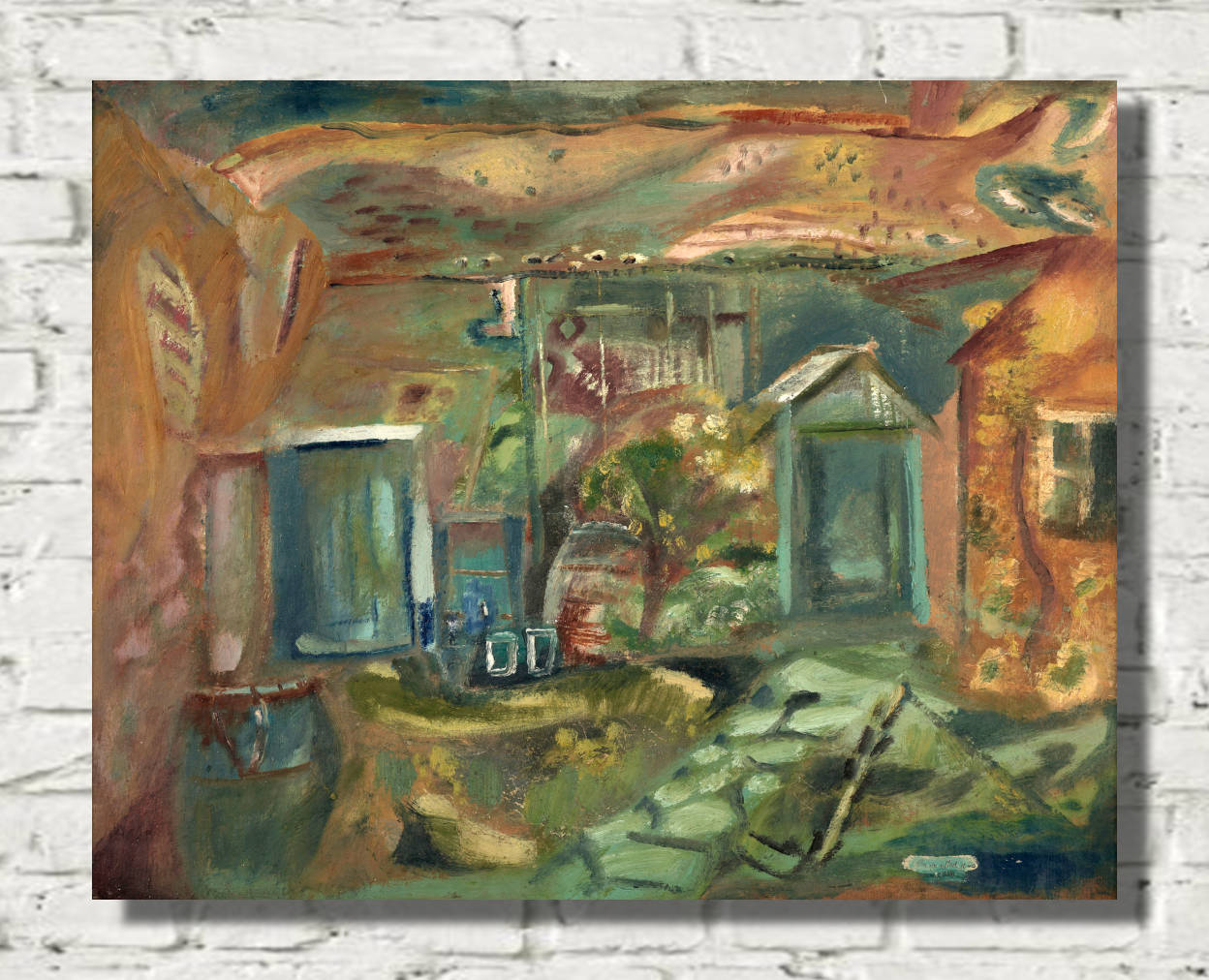
During the 1920s and 1930s, Hodgkins developed a more individual modernist language. Natural forms were flattened and simplified, perspective became less conventional, and objects were arranged according to rhythm and colour rather than strict realism.
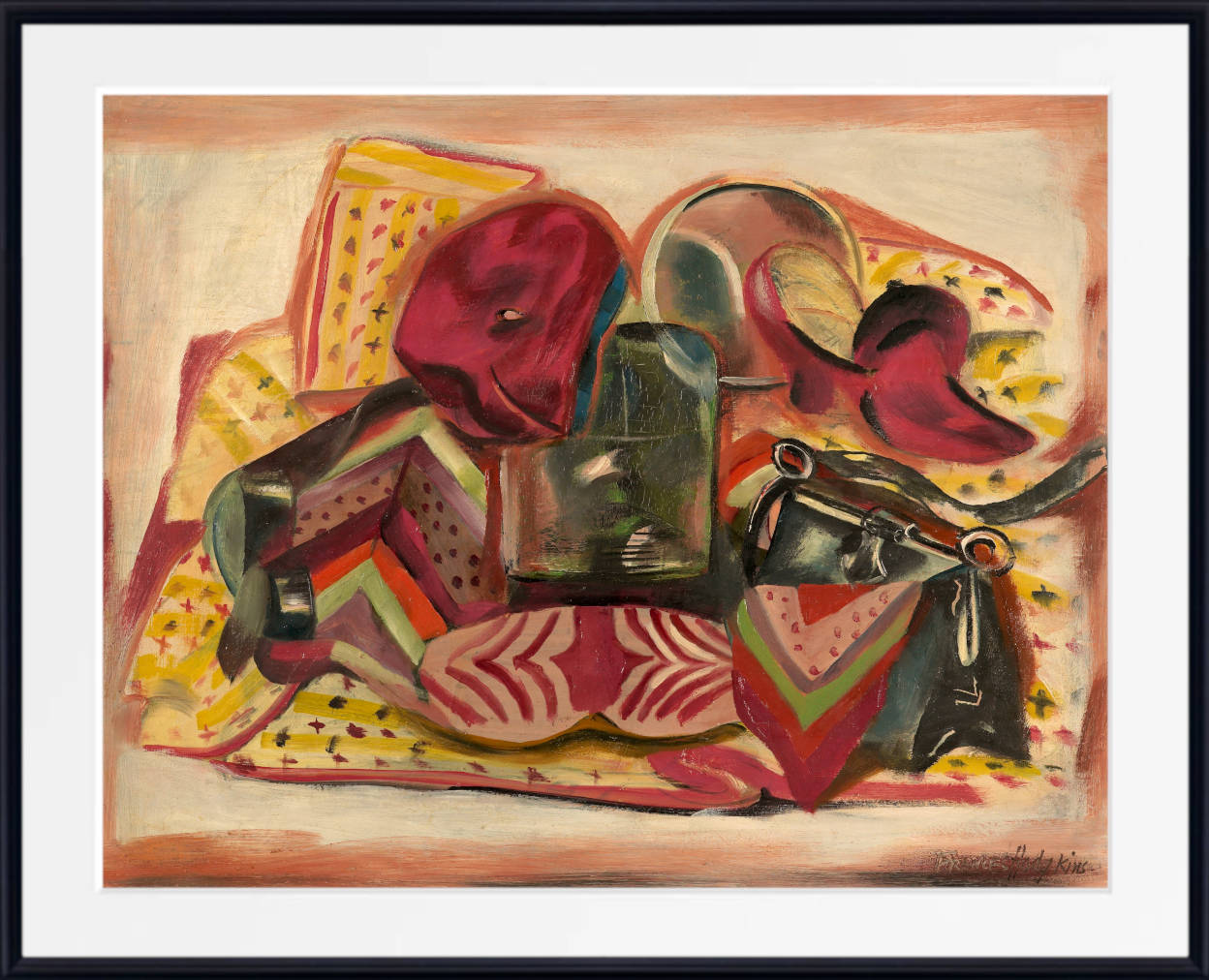
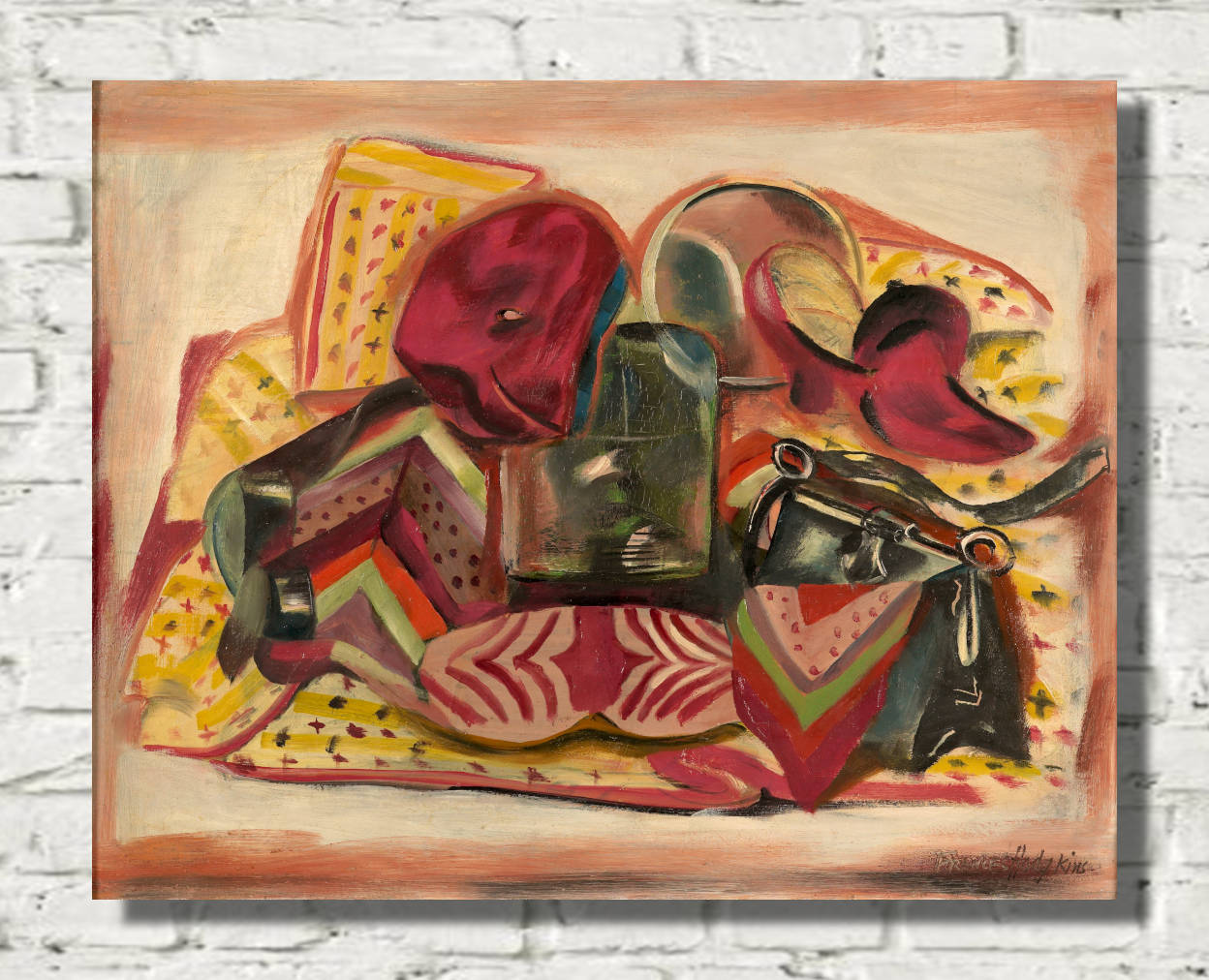
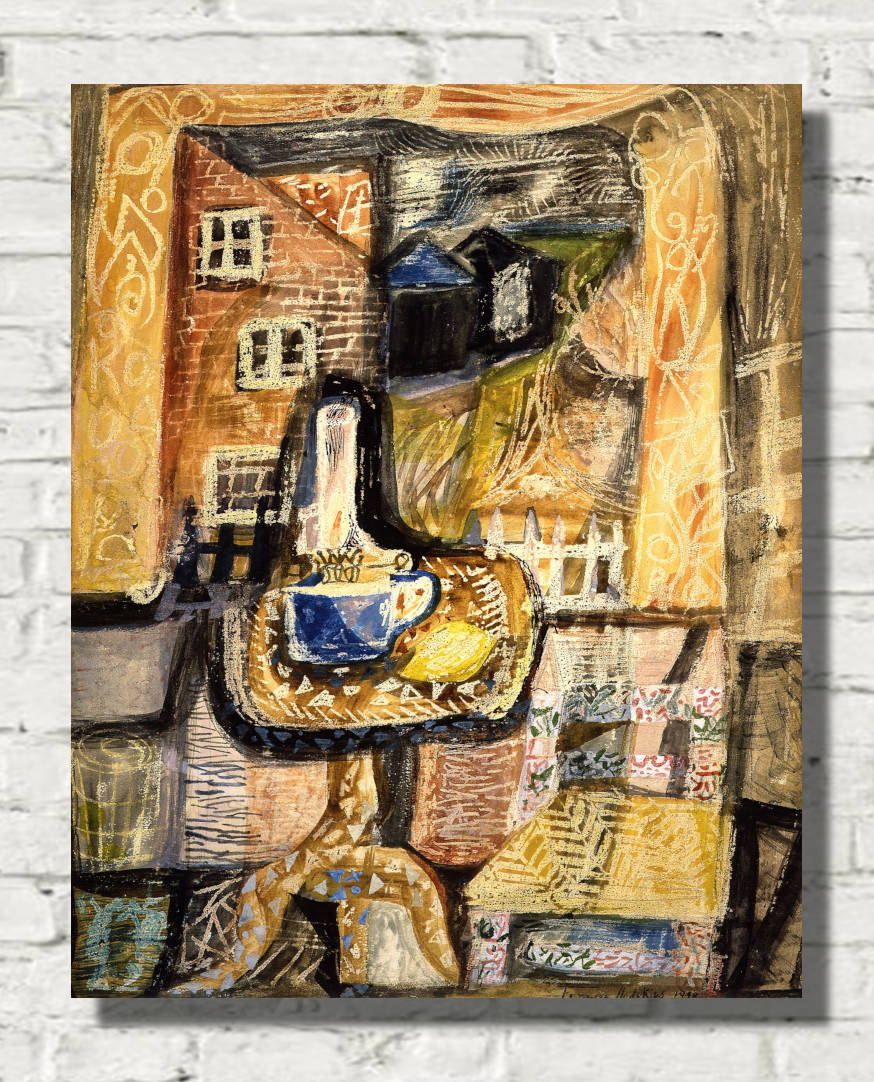
She frequently combined still-life objects with surrounding interiors or landscapes. Flowers, jugs, vegetables and domestic objects appear alongside windows, hills and coastlines, weakening the traditional boundary between foreground and background.
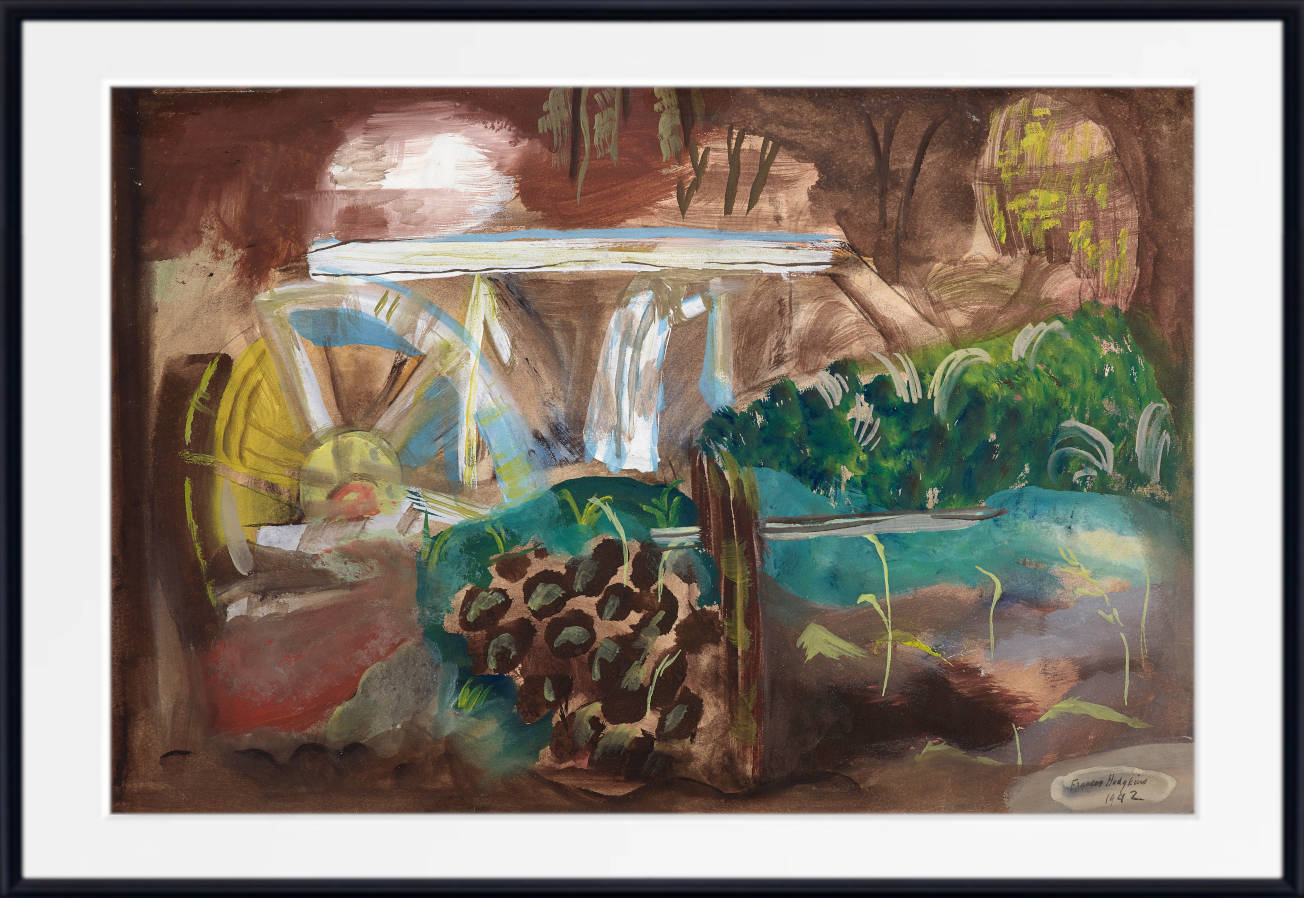
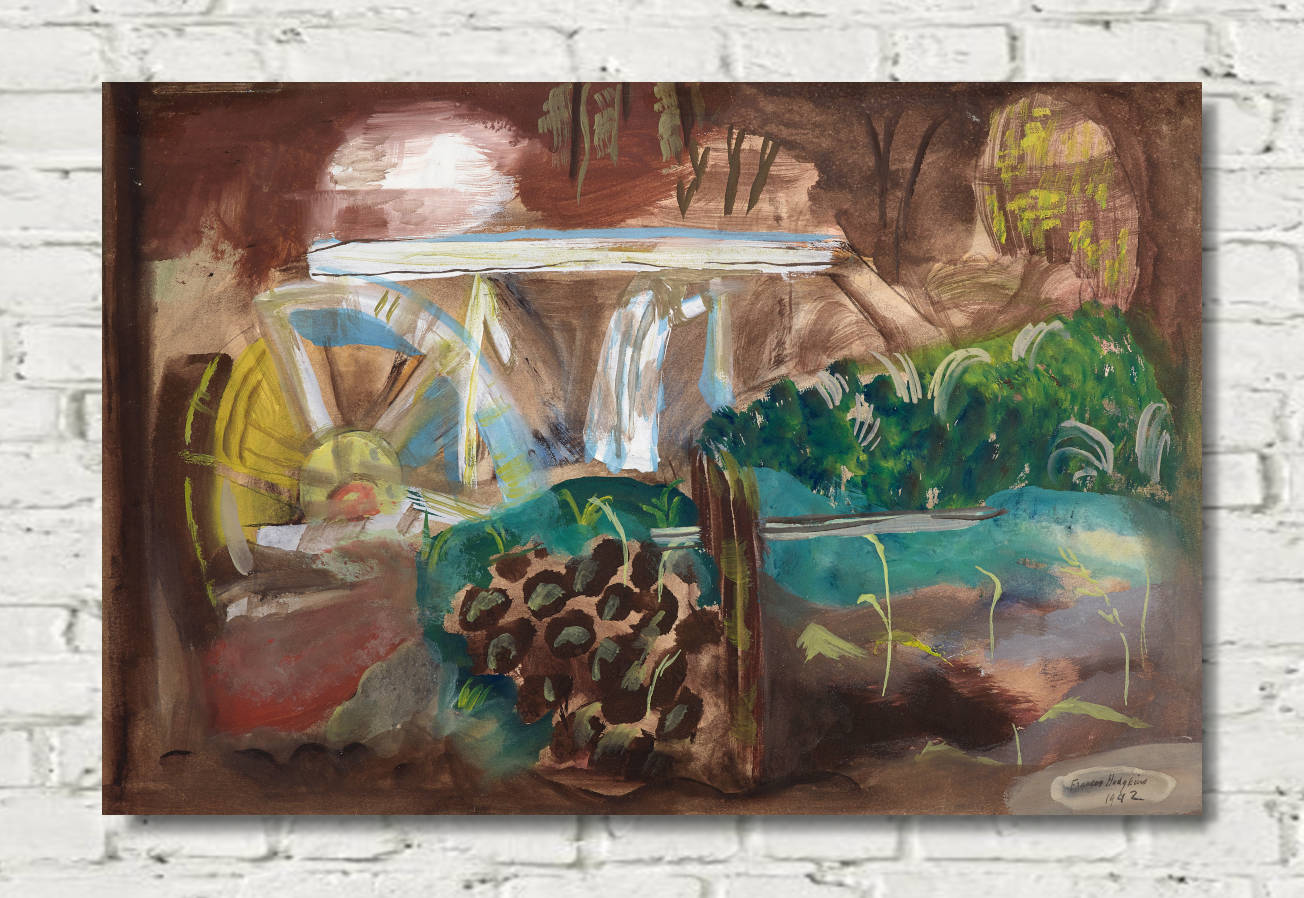
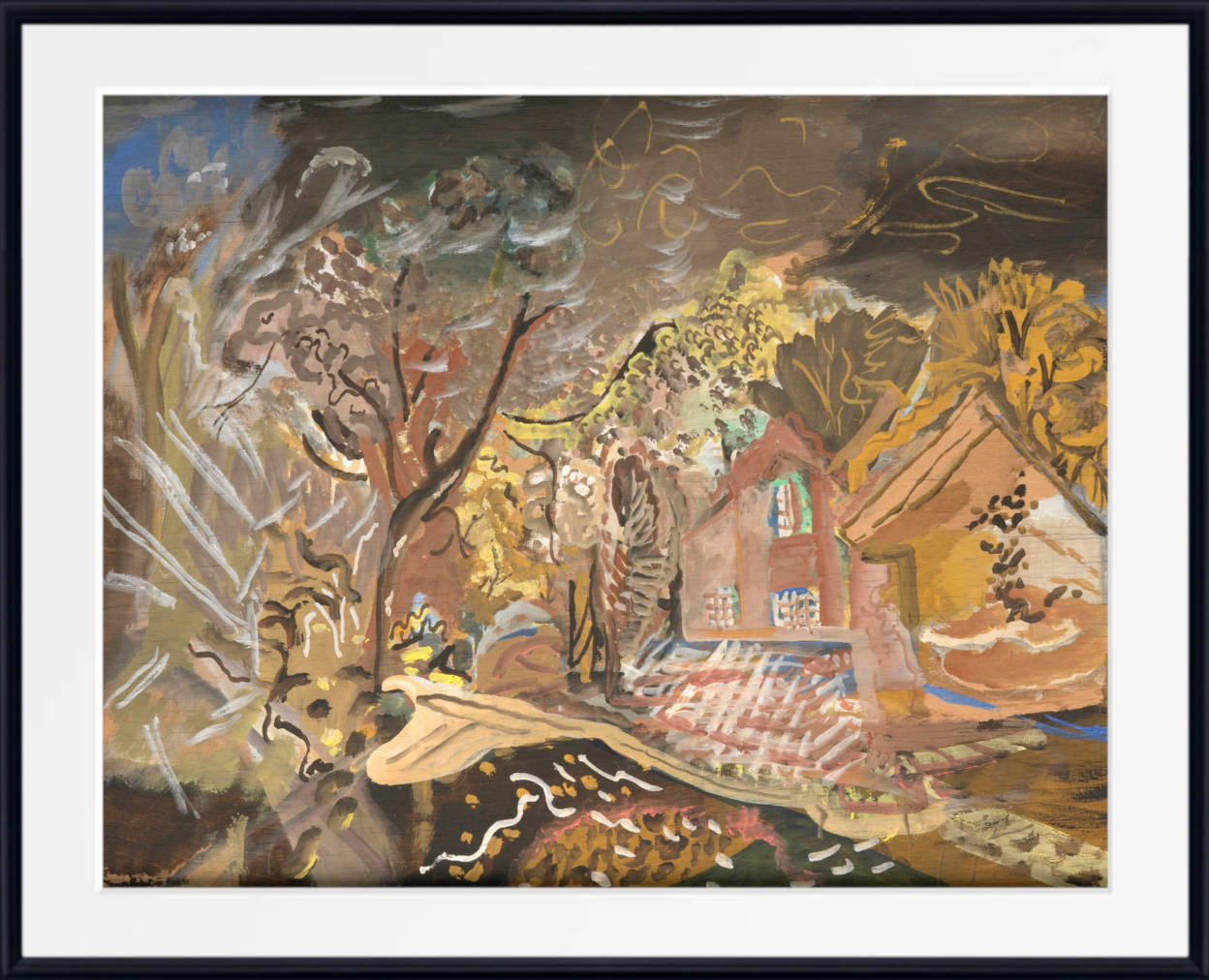
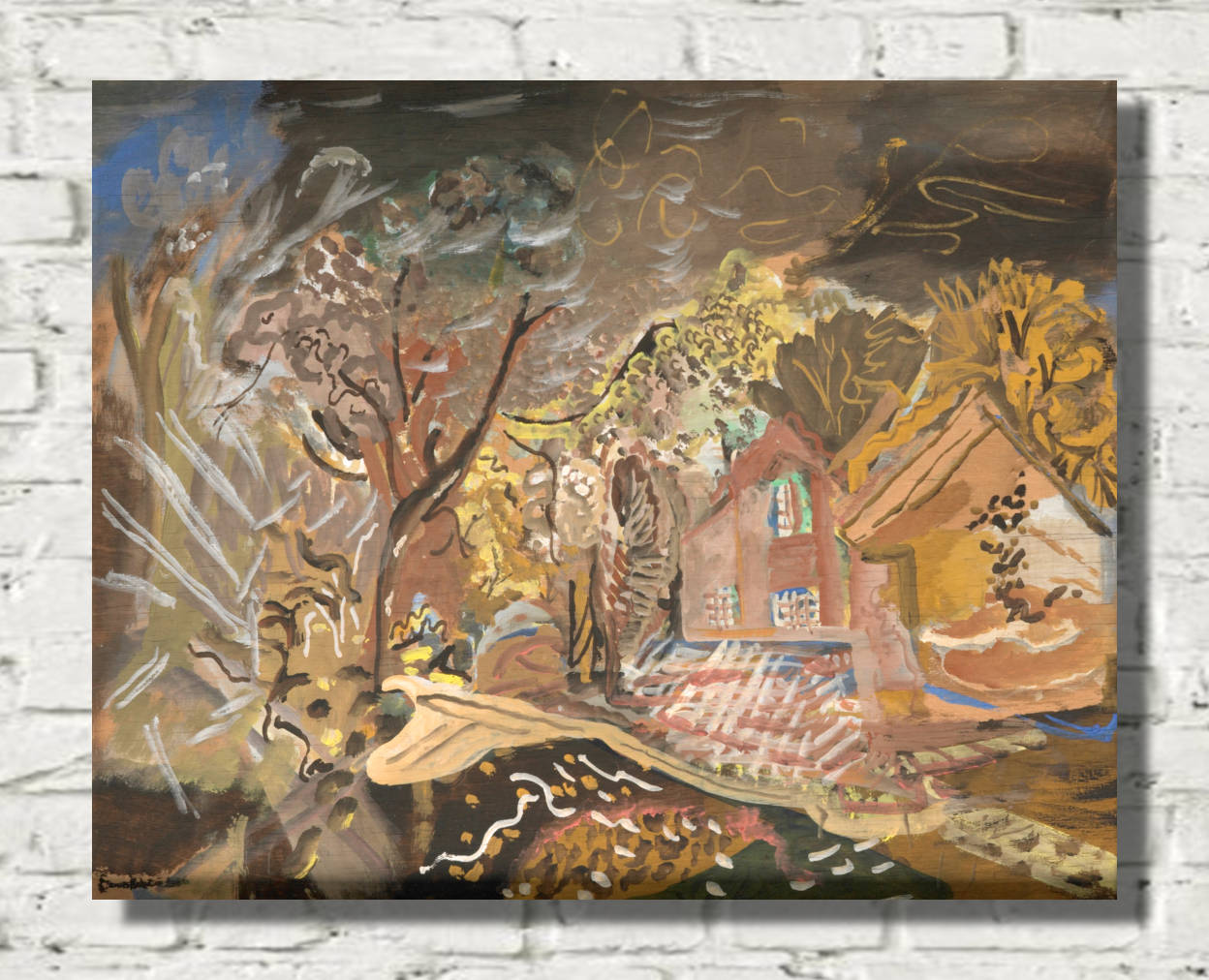
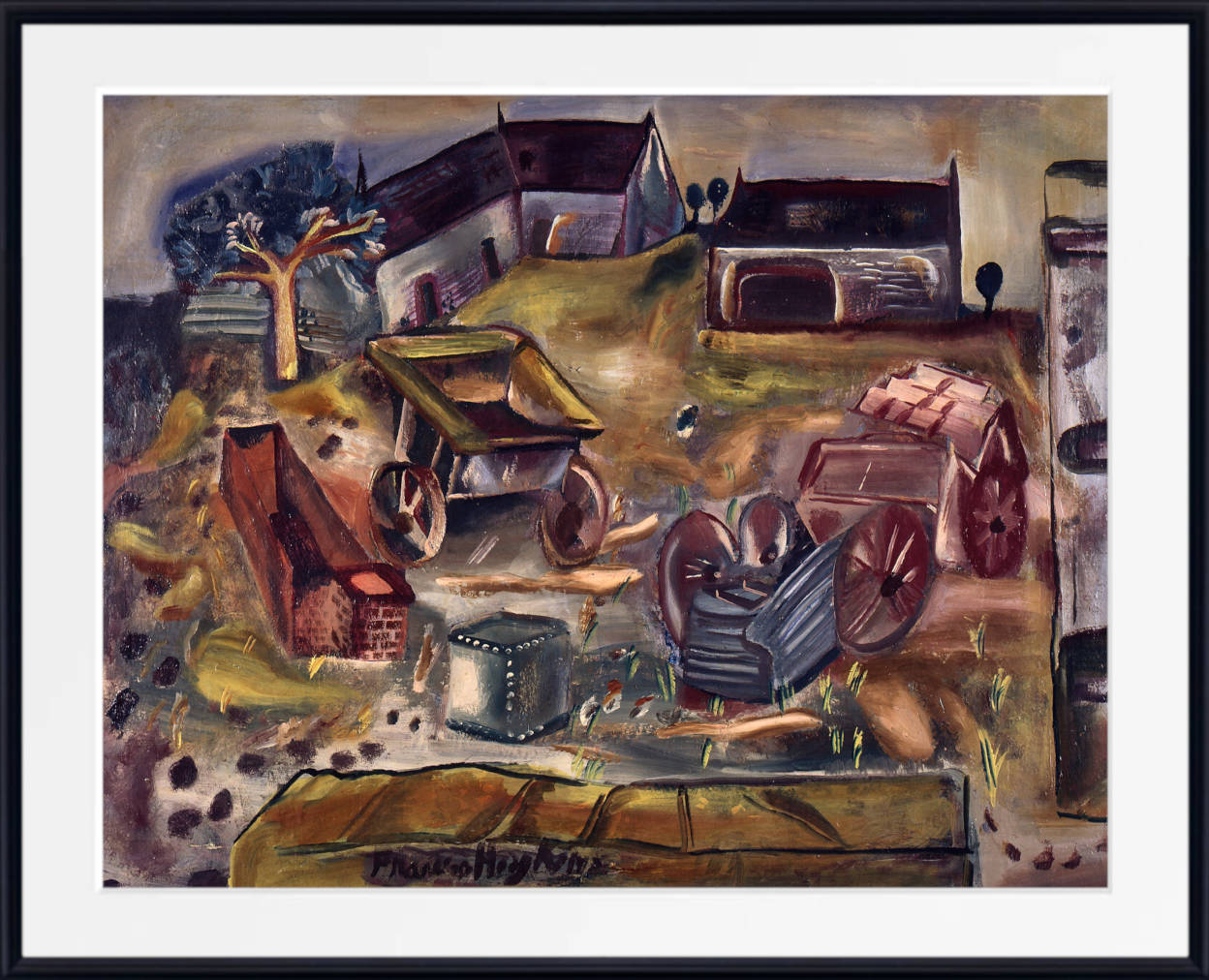
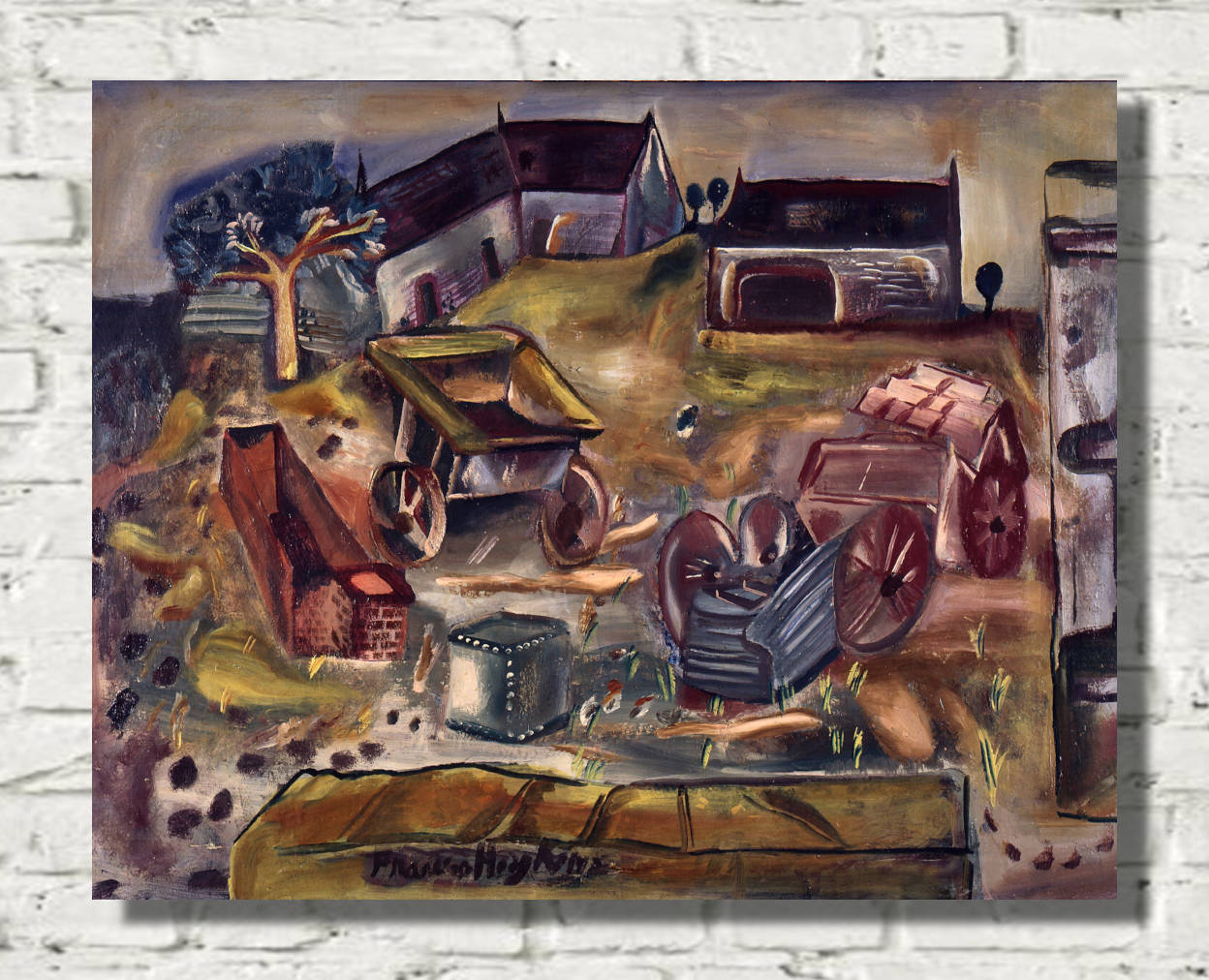
The landscapes of Dorset, Somerset, the Cotswolds and the Purbeck coast became especially important during her later career. In works including The Millwheel, familiar rural subjects are reorganised into interlocking shapes and areas of subdued colour.
Figures and Interiors
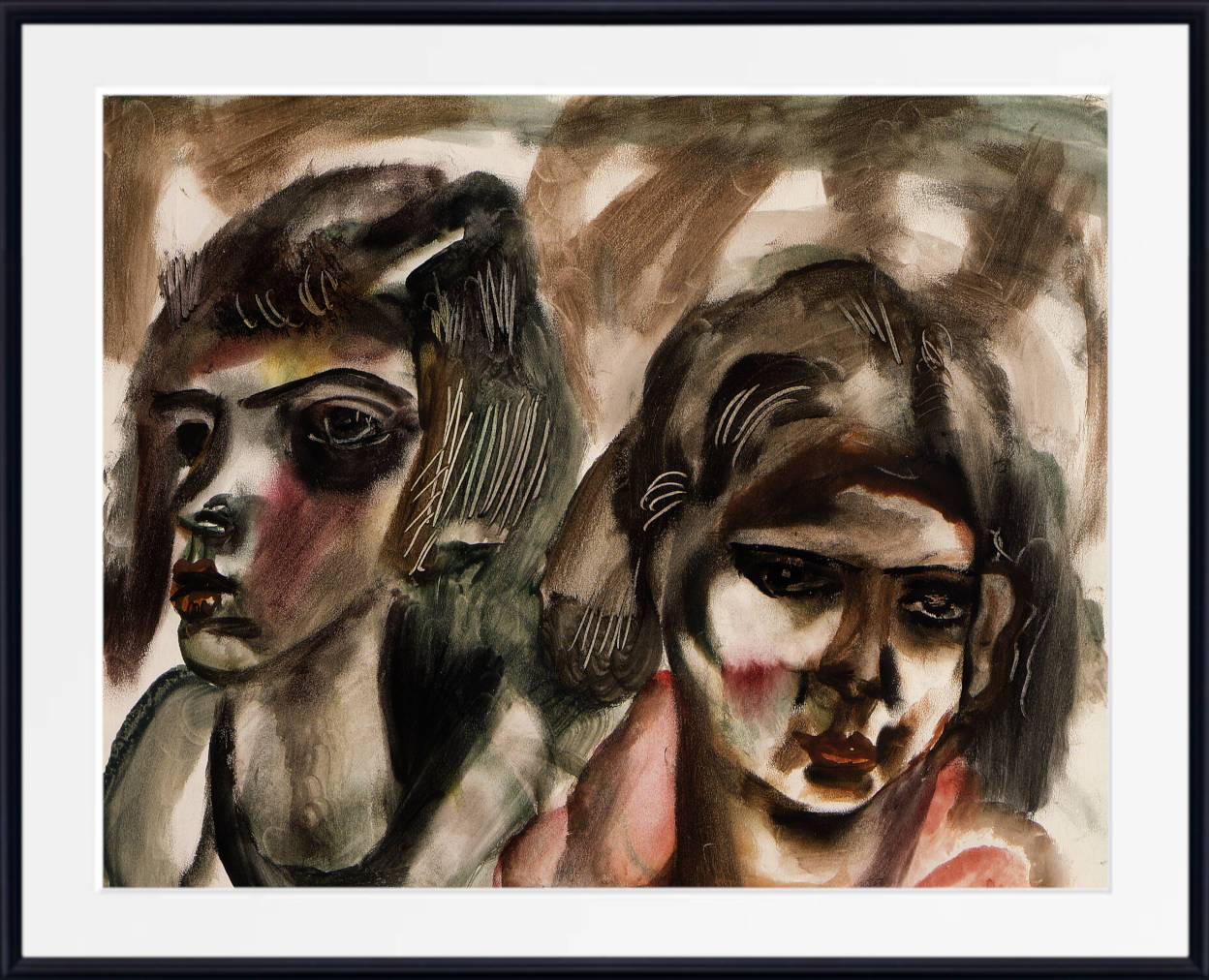
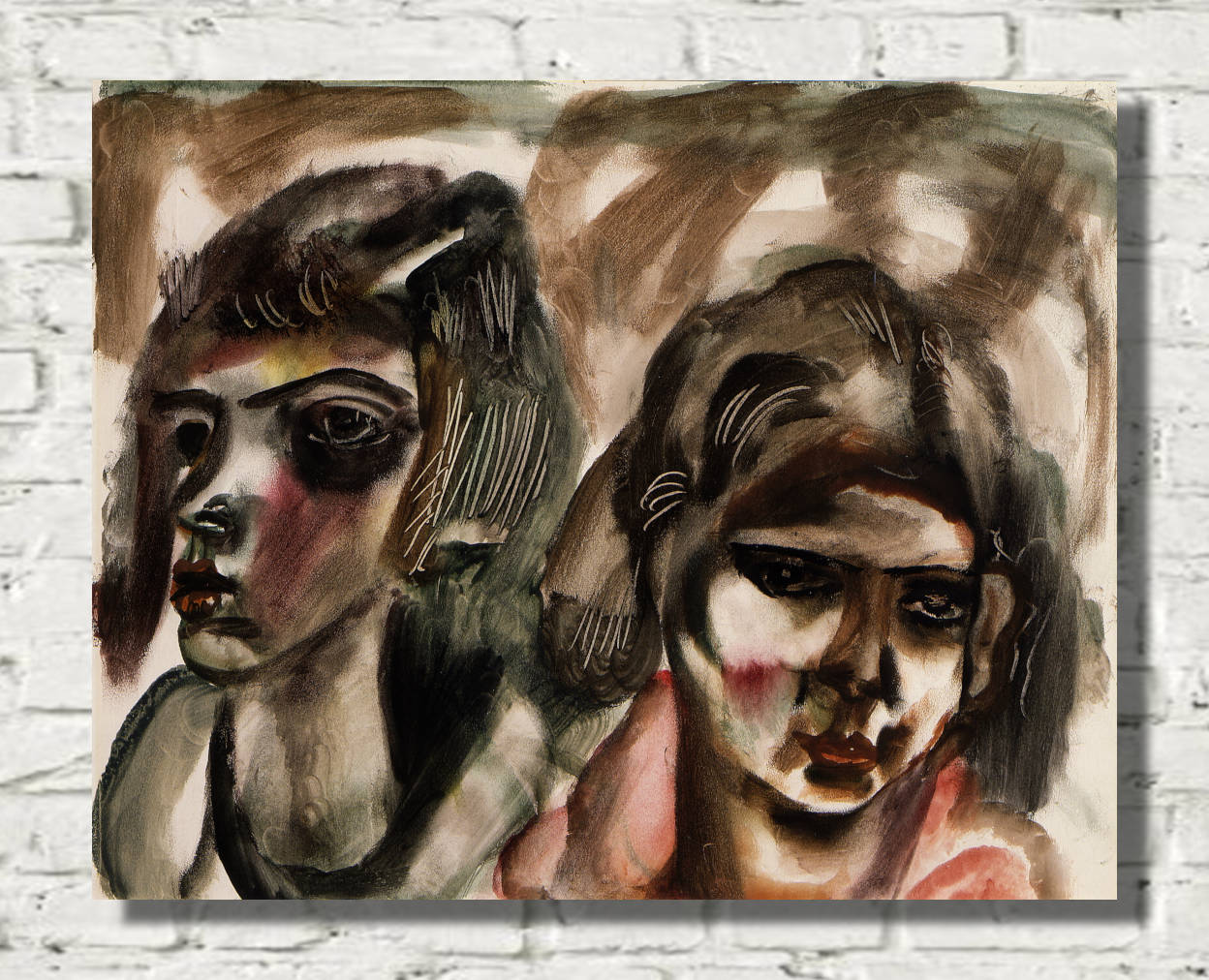
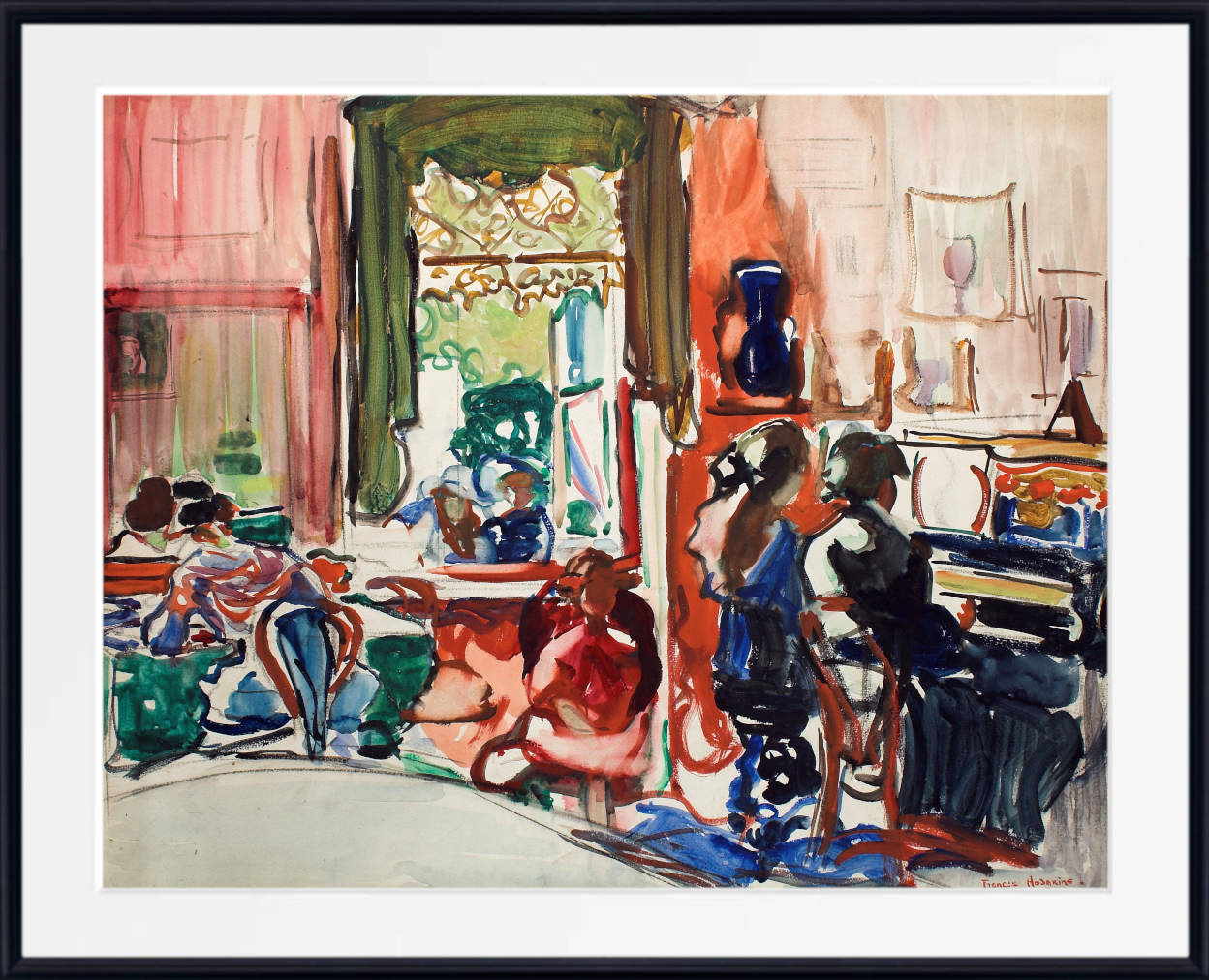
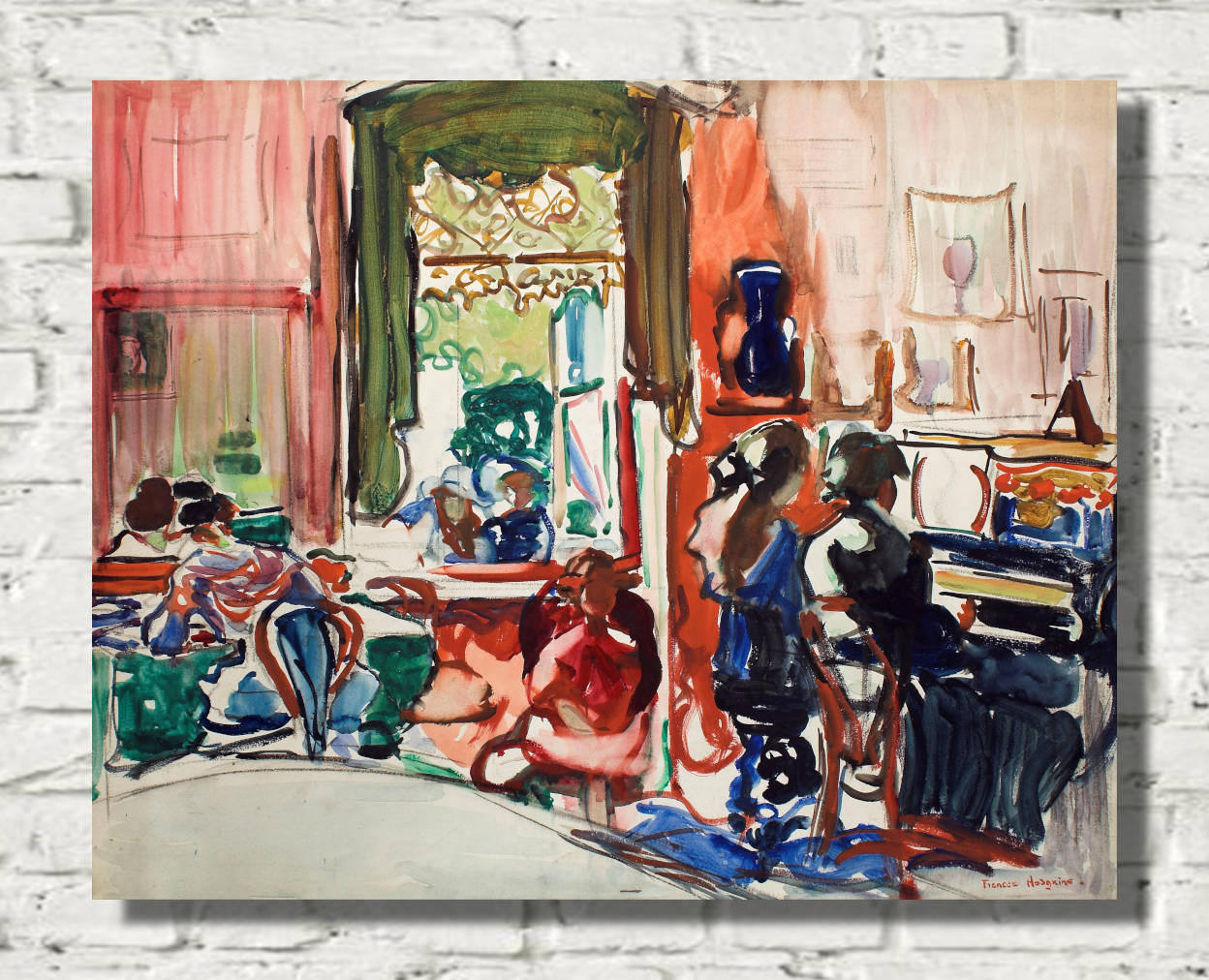
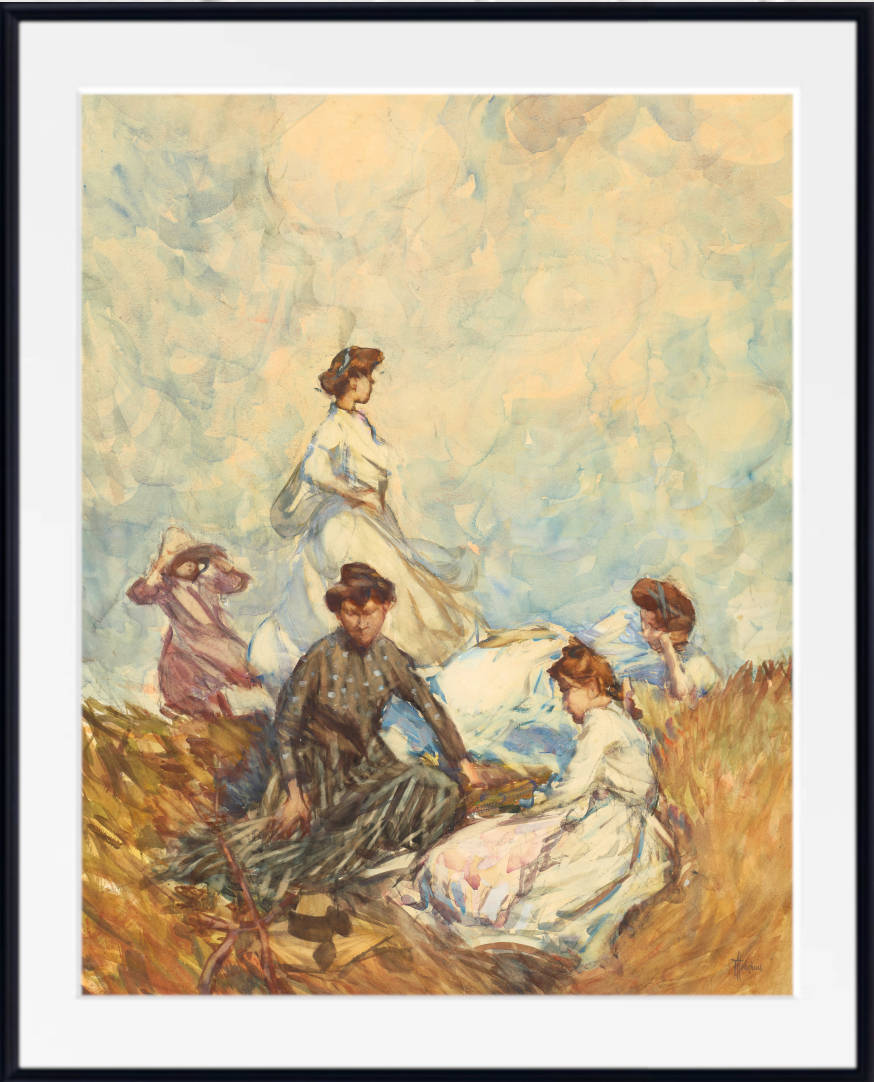
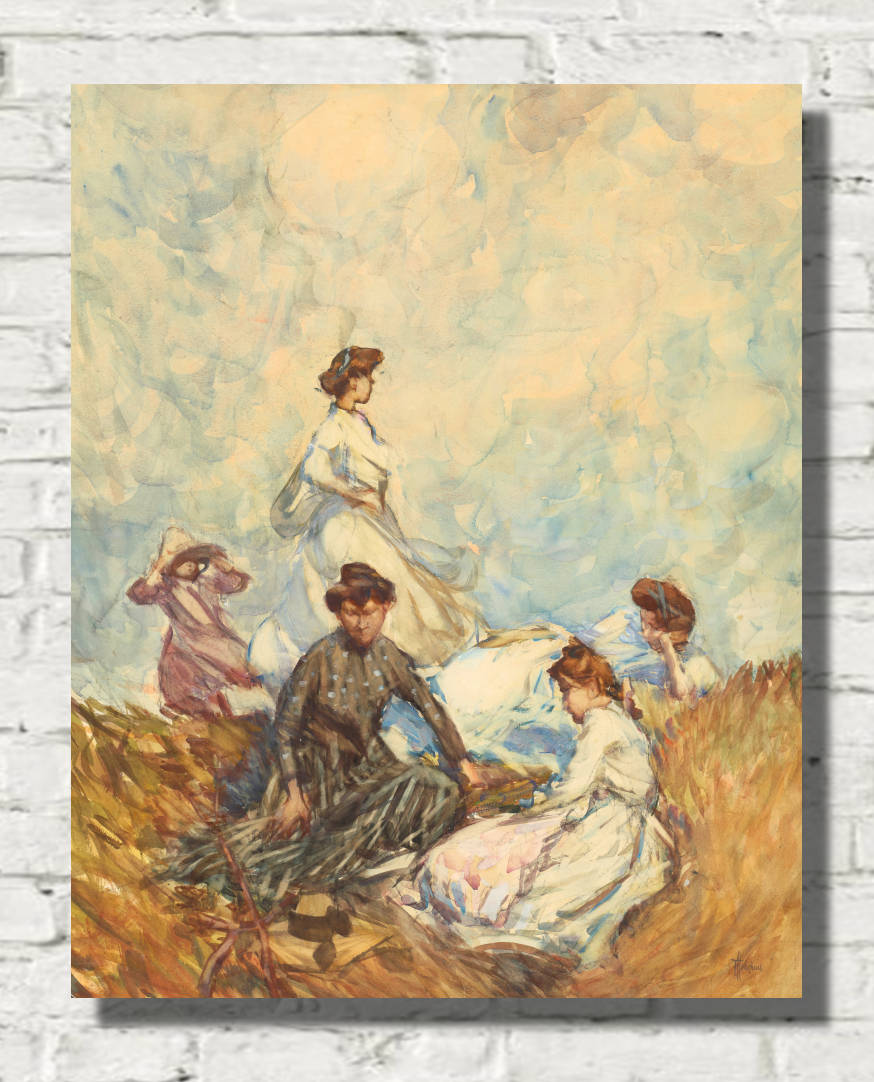
Figures appear throughout Hodgkins’ work, from early studies of children and market traders to later portraits and interior scenes. Rather than concentrating on exact likeness, she often used the figure as part of a wider composition.
Works such as Piano Lesson, Two Heads and her self-portraits demonstrate different stages of this development. Early paintings retain a more descriptive approach, while later examples reduce faces, clothing and surroundings to concise lines and carefully balanced areas of colour.
Textile Designs
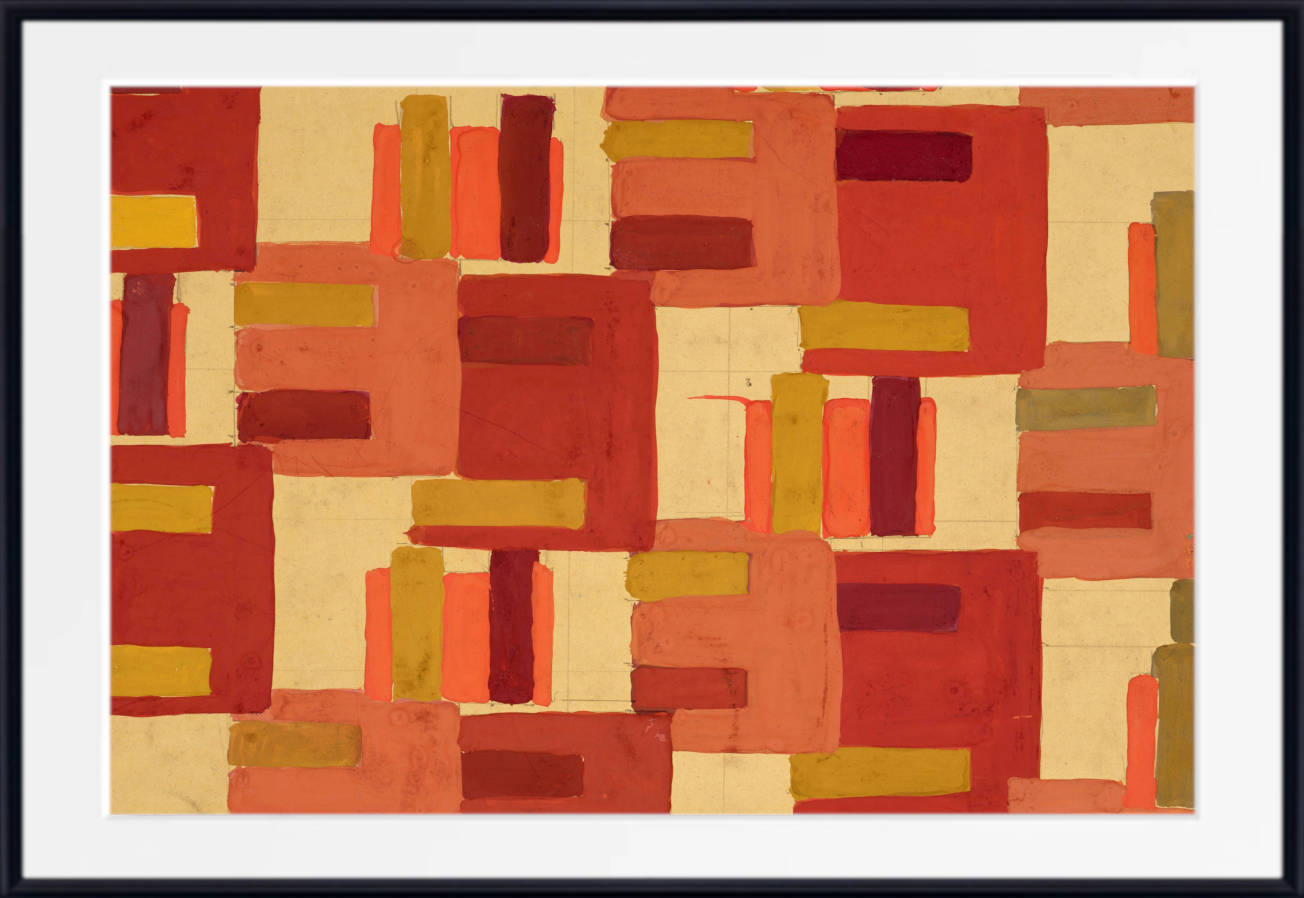
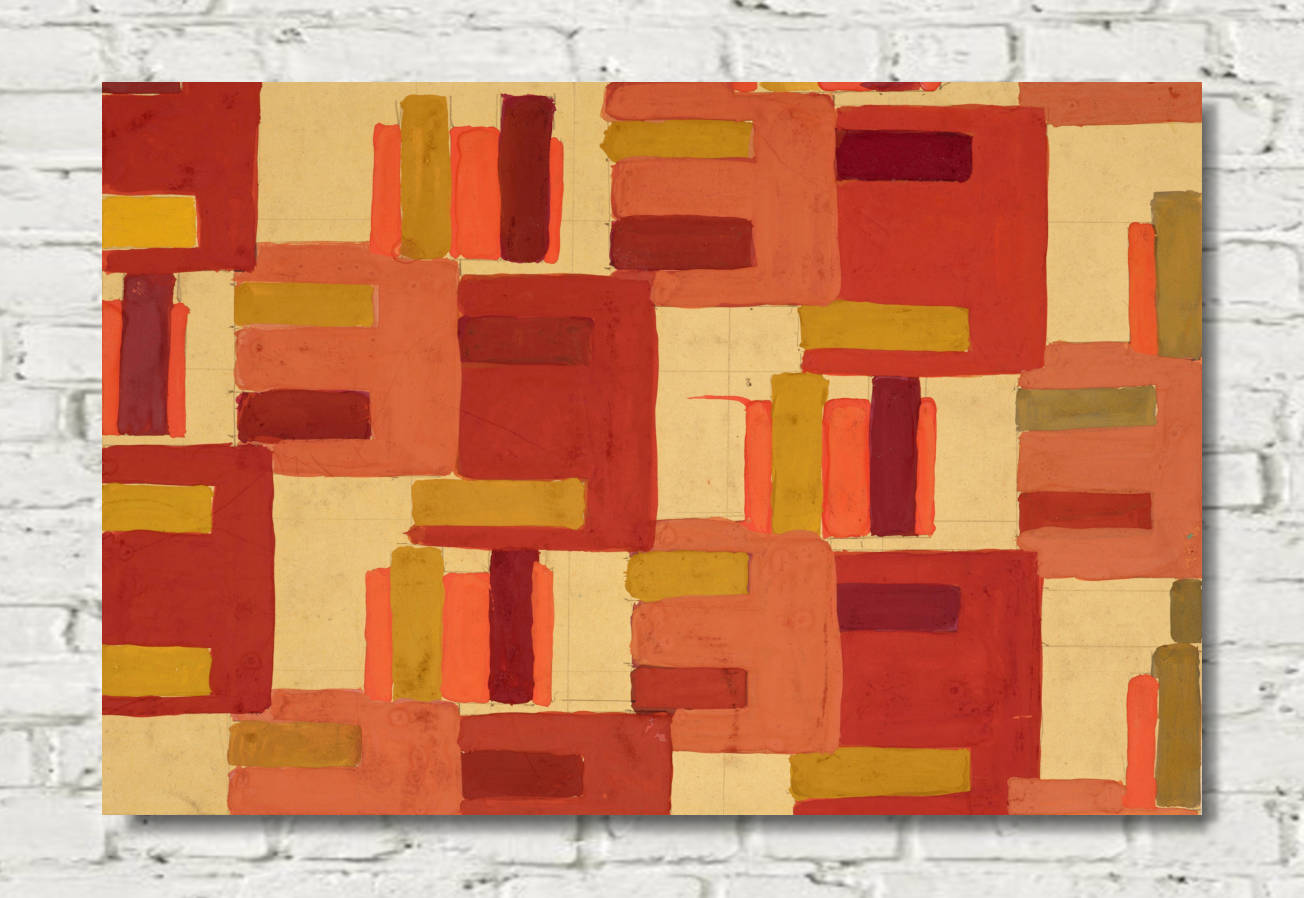
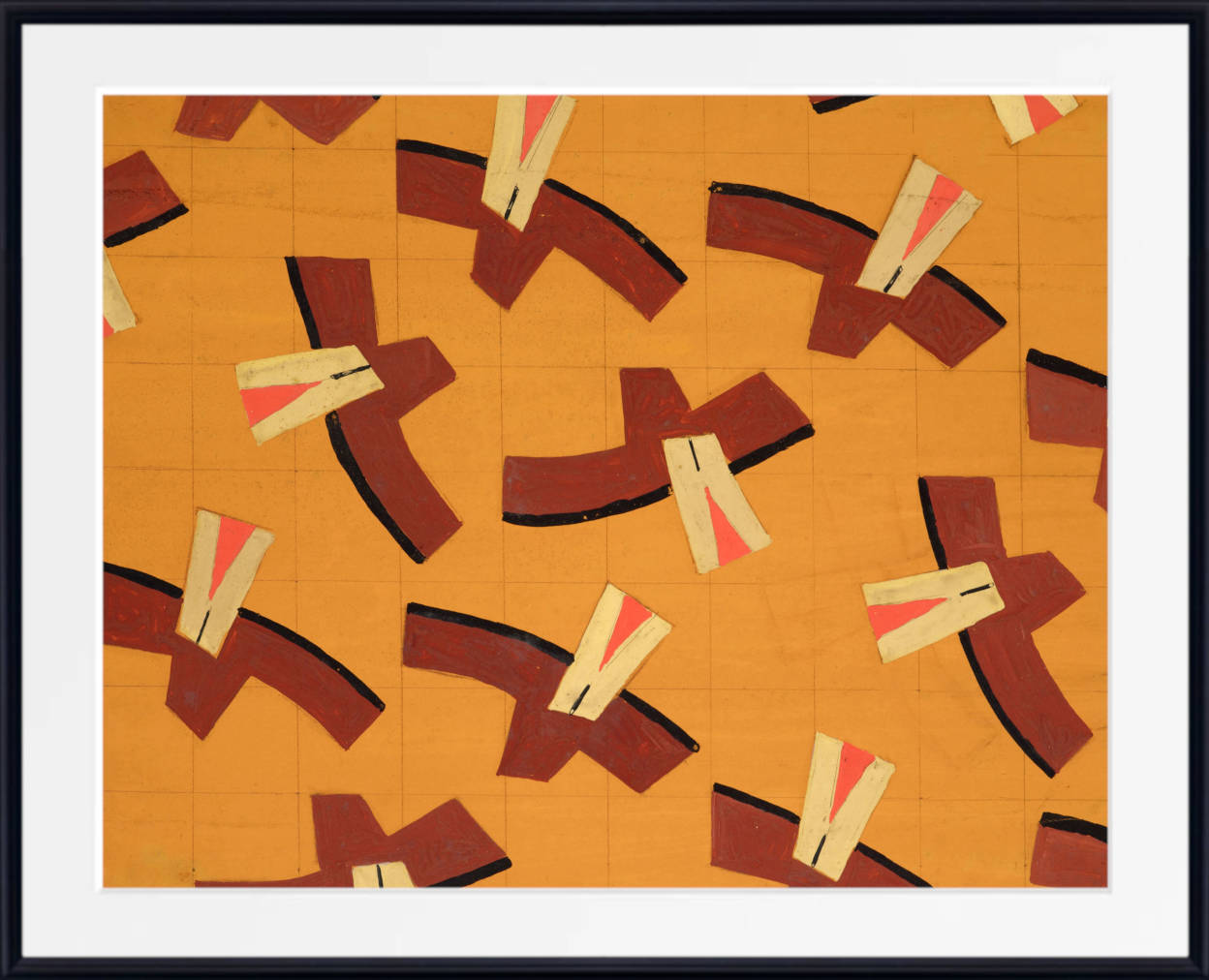
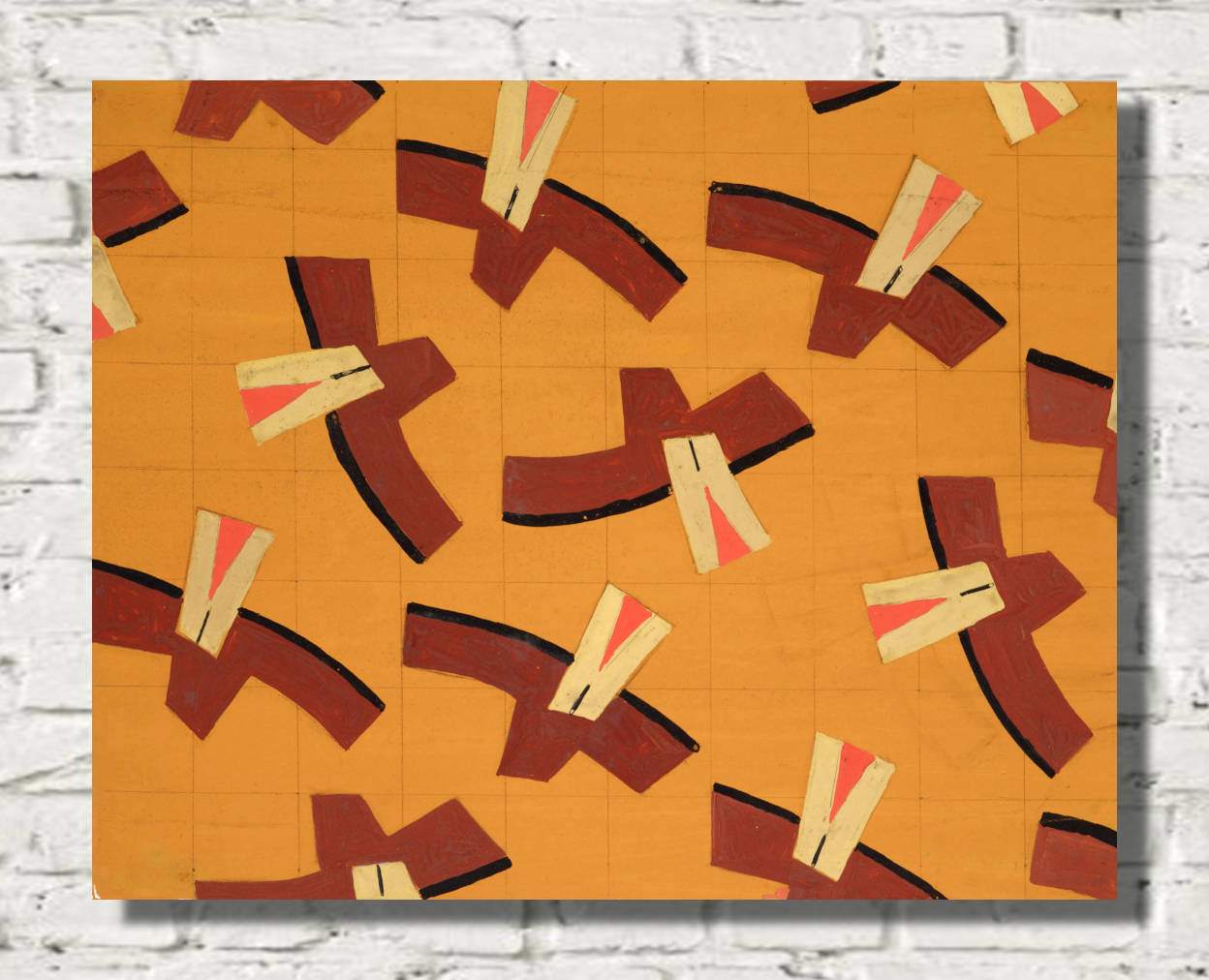
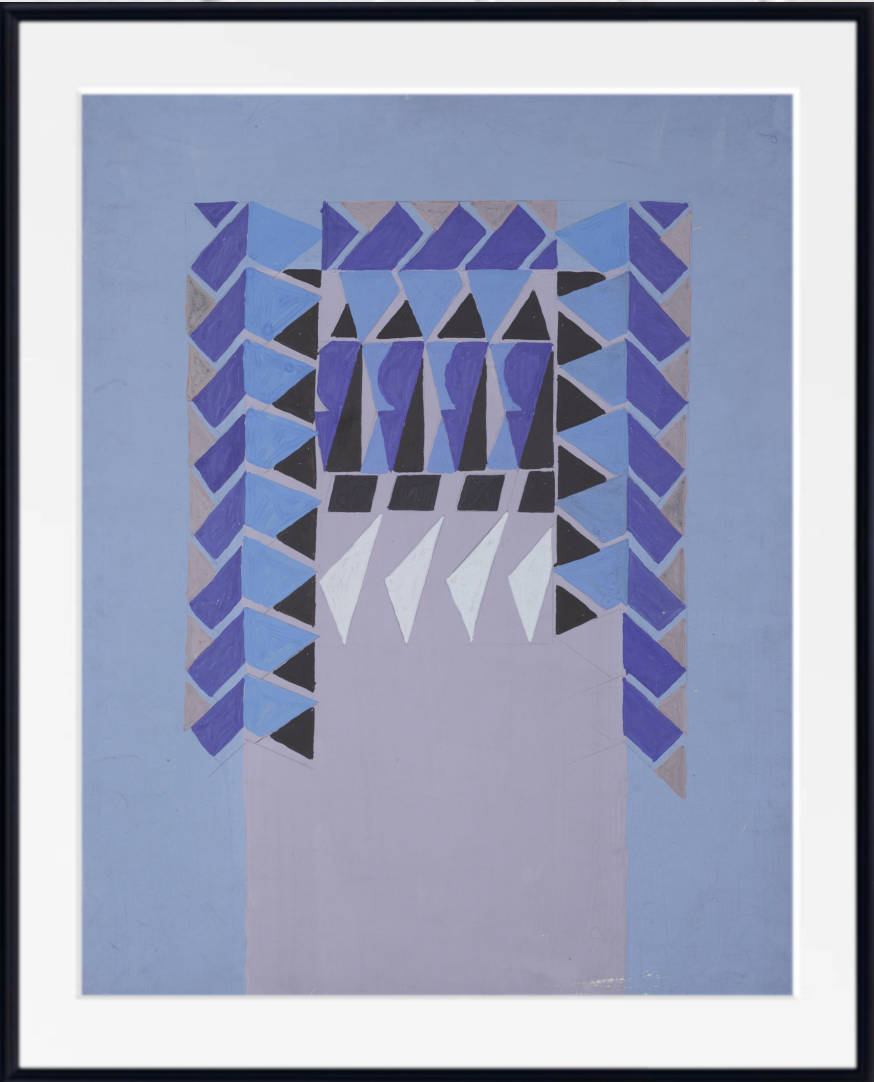
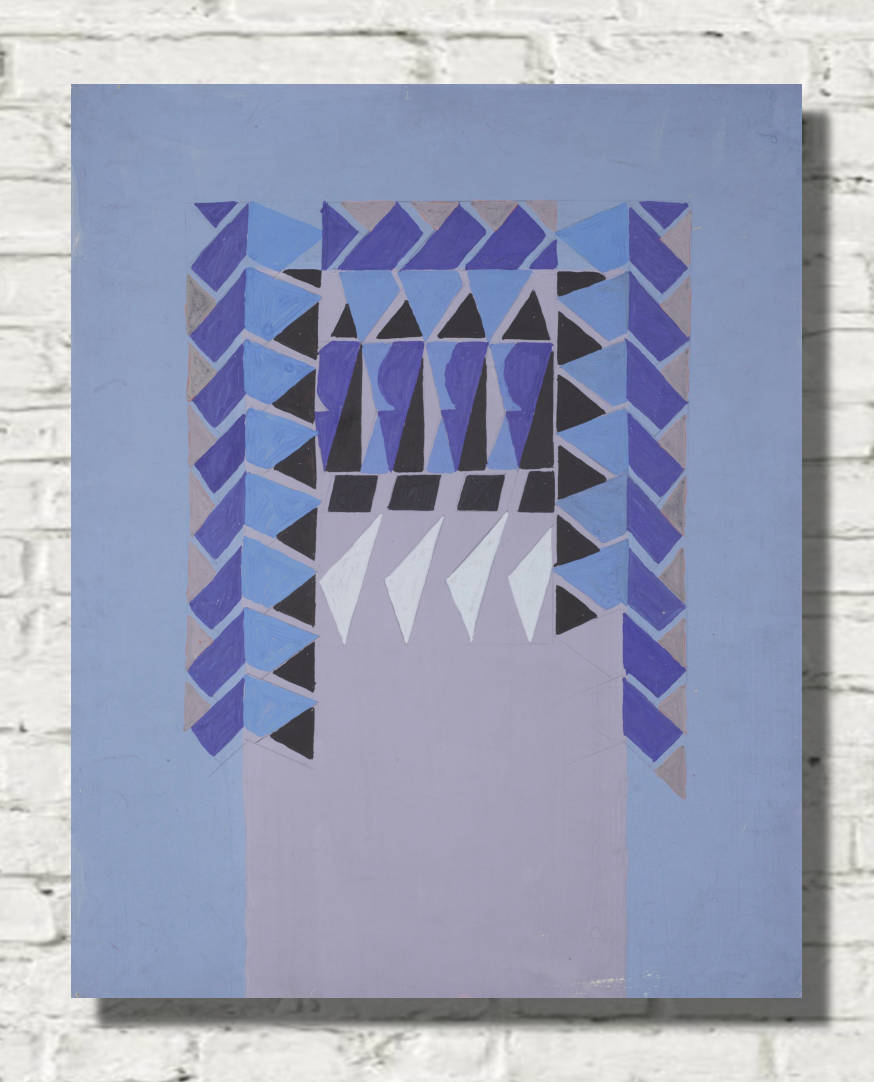
Hodgkins briefly worked as a textile designer during the 1920s. Her surviving designs reveal how naturally her simplified plant forms, repeated marks and flattened space could be adapted to decorative pattern.
The numbered Untitled Textile Design works included in this collection offer a different view of her modernist practice. Their repeated motifs and compact compositions work particularly well as prints for contemporary interiors.
Choosing a Frances Hodgkins Print
The collection includes quiet watercolours, European street scenes, abstracted landscapes, figure studies and decorative textile designs. Earlier works provide lighter washes and more descriptive detail, while later paintings offer stronger shapes and more complex arrangements of colour.
Each composition is available in a choice of print formats and sizes, making it possible to select a single focal work or combine related subjects into a coordinated group.