
Charles Deas Prints – Horsemen, Stories & Dramatic Encounters
Charles Deas prints build stories through the positions of bodies and the reactions around them. A crowded room and a mounted encounter use different kinds of space, but both rely on clearly directed gestures. Explore these scenes alongside figurative art, animal prints and landscape painting, comparing shared observation with urgent movement.
A central figure before a watching group
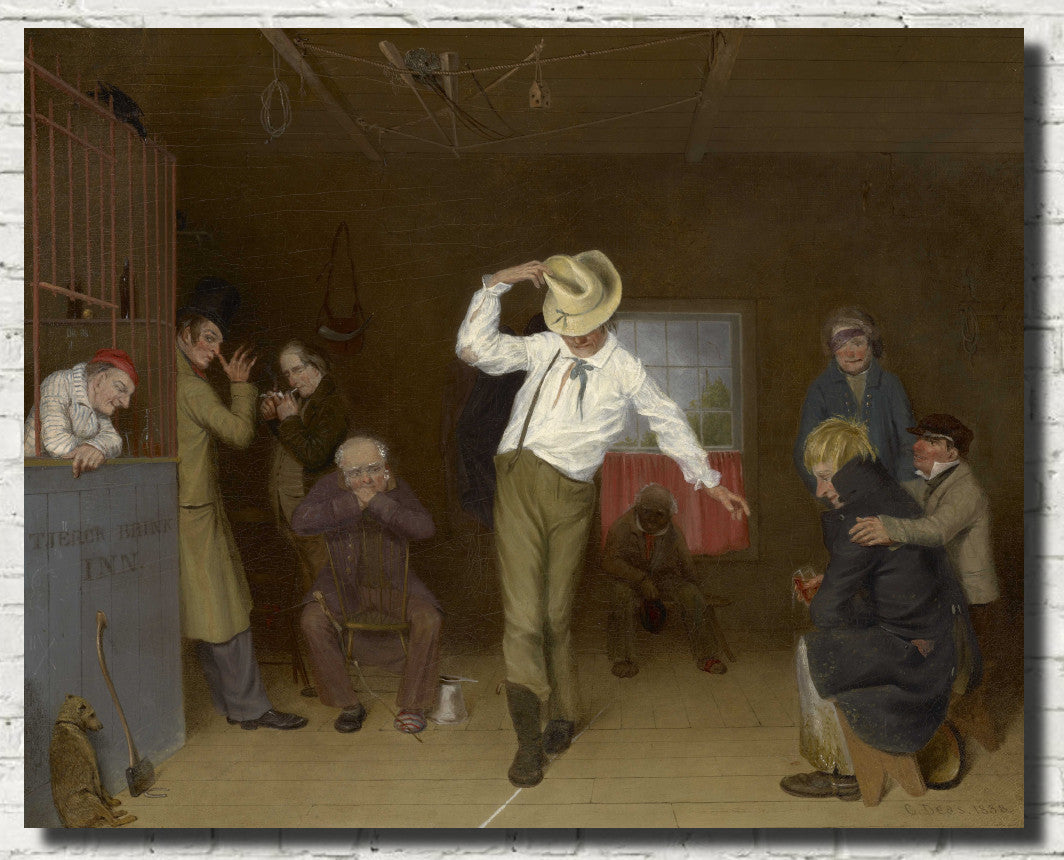
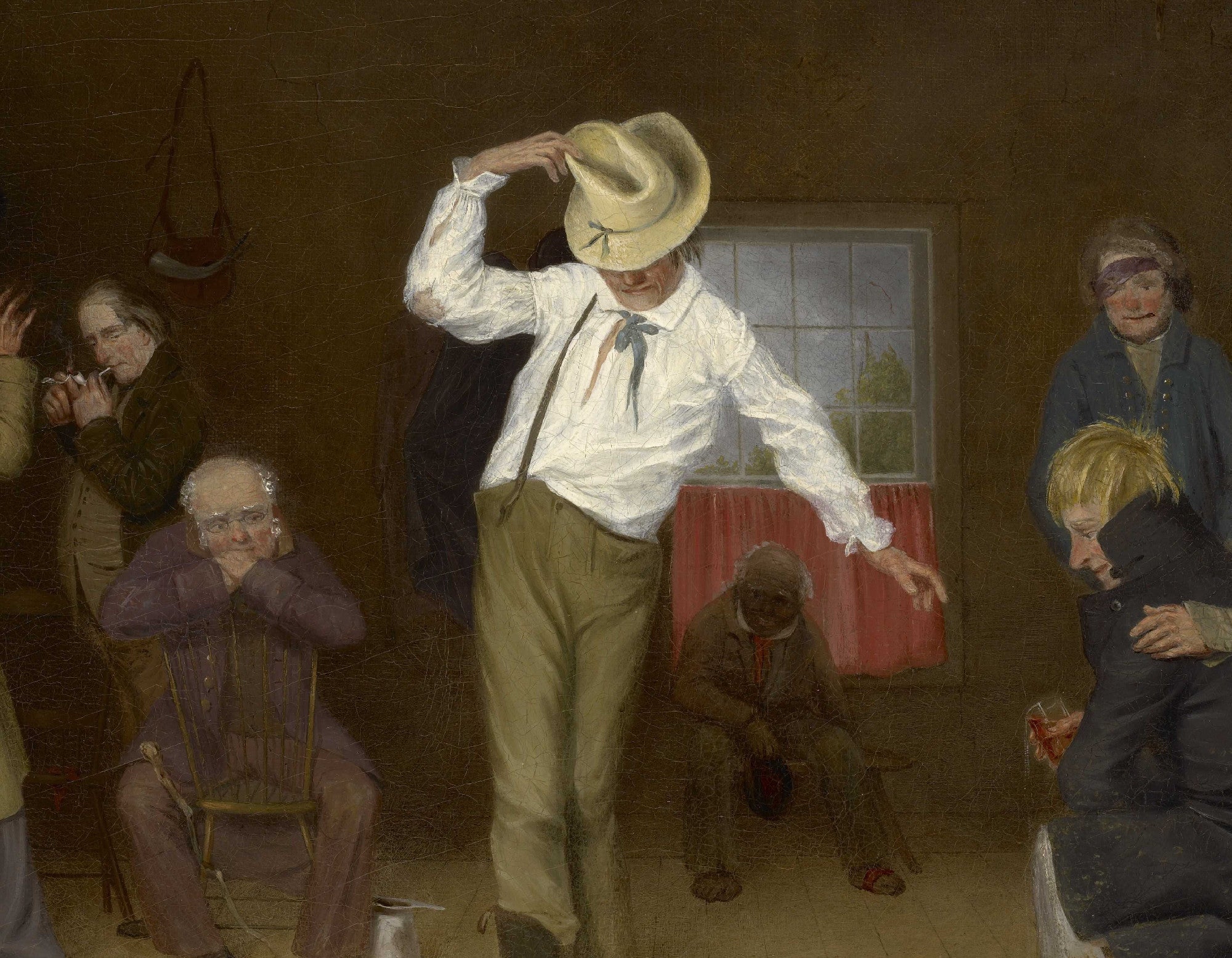
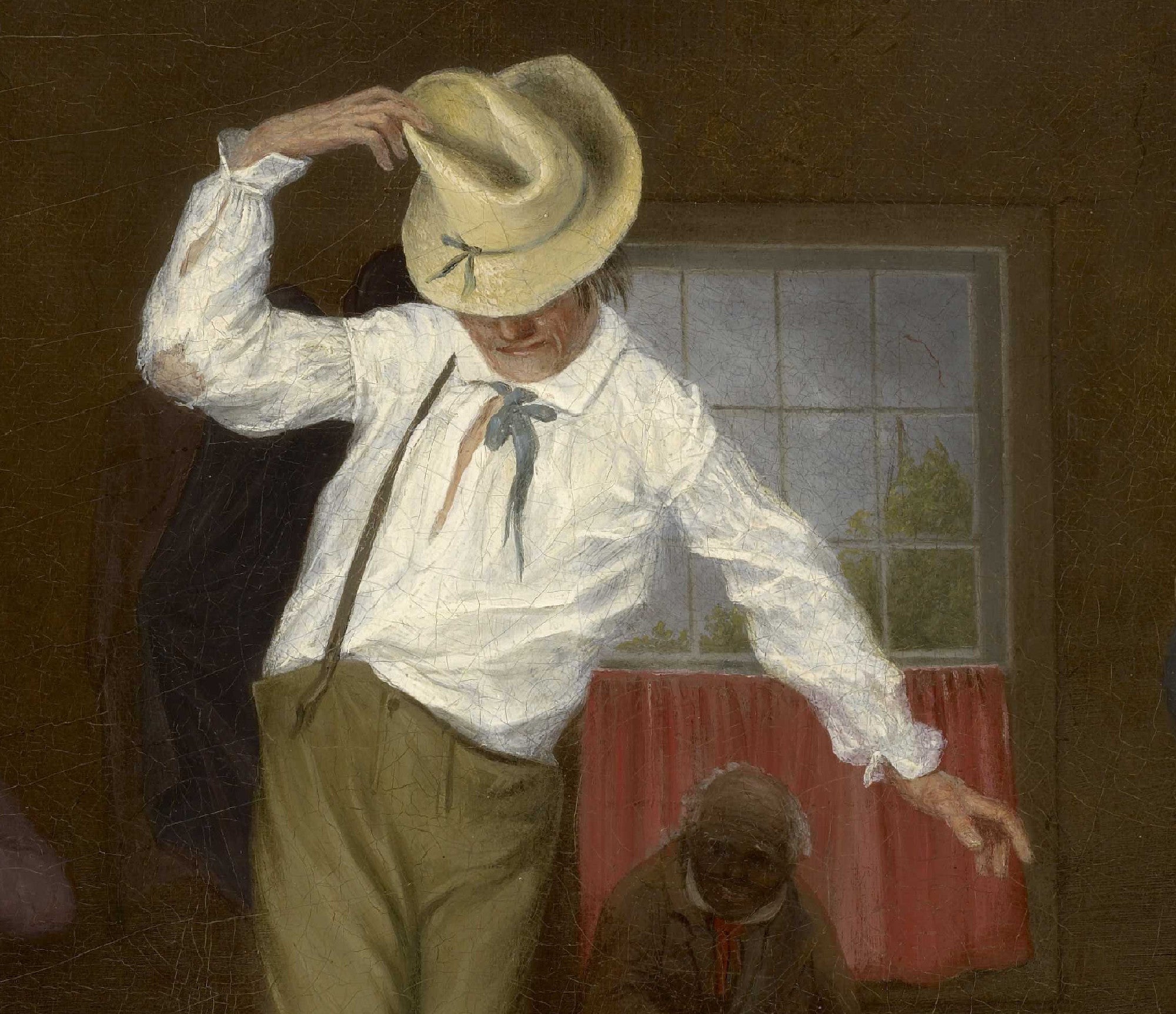
Walking the Chalk places the moving man on an open patch of floor while companions stand and sit around the room. His lifted hand and tilted posture give the scene its immediate action. The surrounding faces and varied seated heights make the gathering read as an attentive, closely enclosed audience.
Two mounted figures in a close confrontation
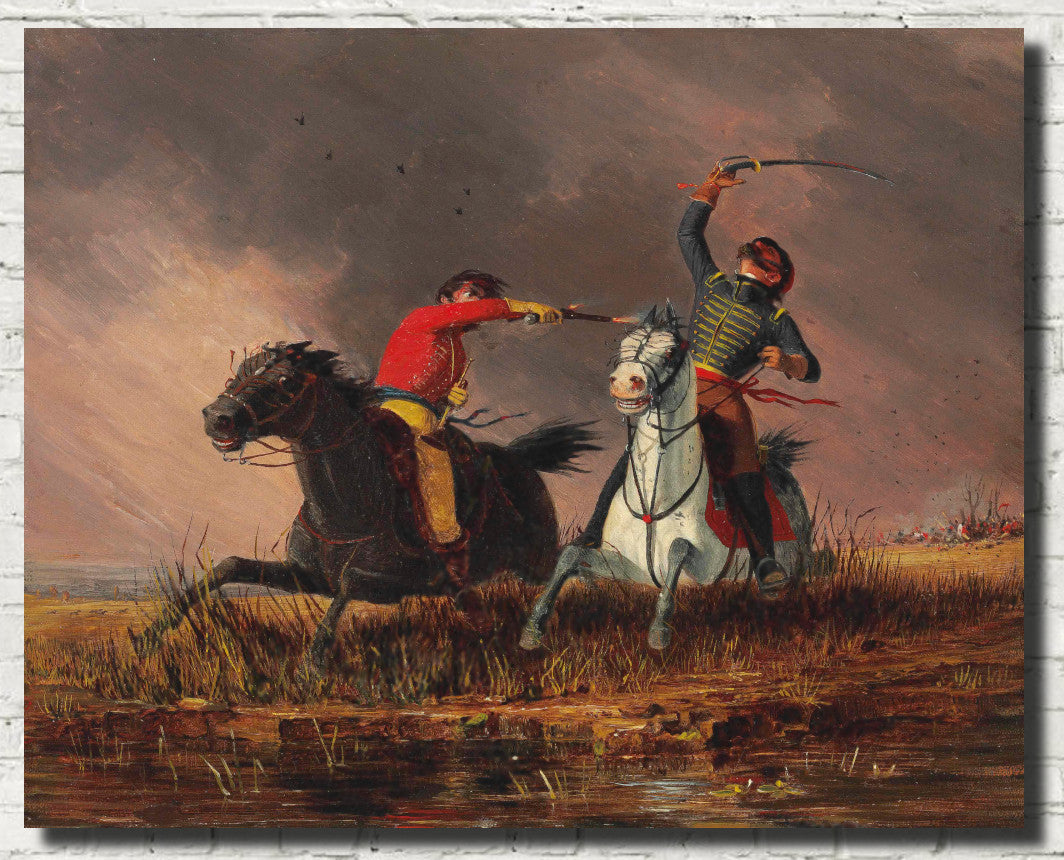
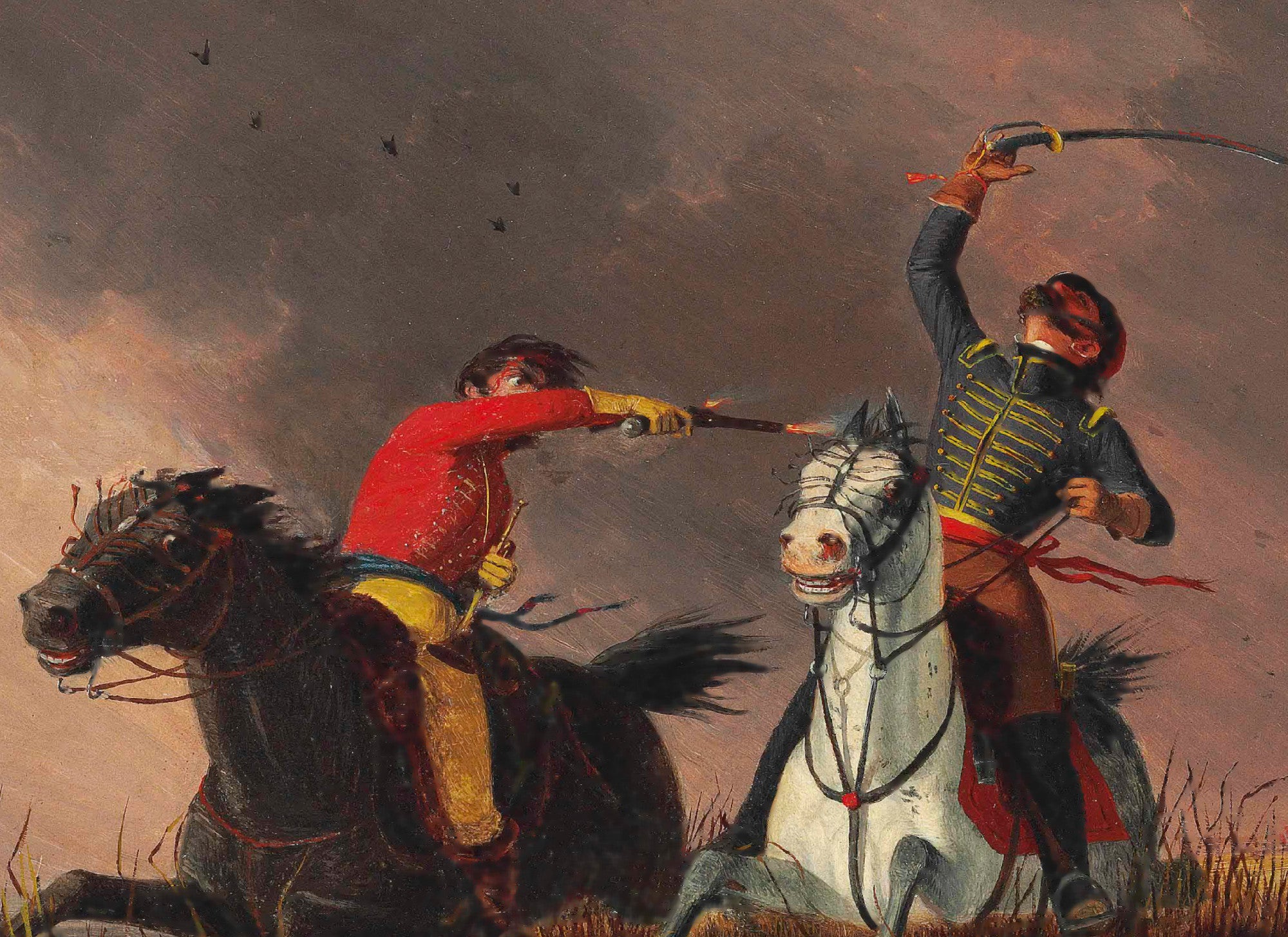
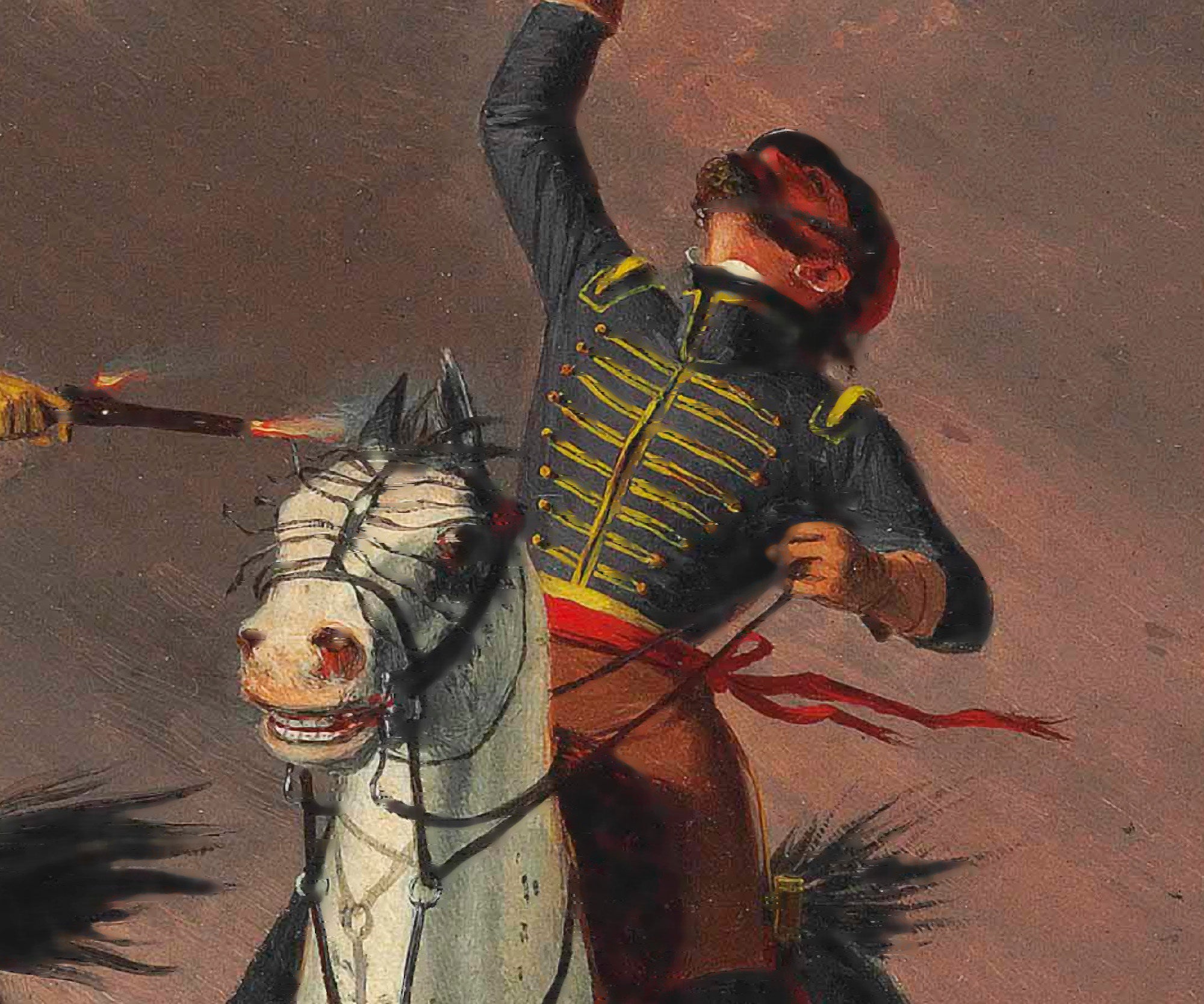
The Trooper brings the horses side by side with the riders’ arms extending across the gap. Water and grasses mark the near ground beneath a warm, unsettled sky. The different directions of the mounts and raised gestures keep attention on the encounter rather than on a detailed distant setting.
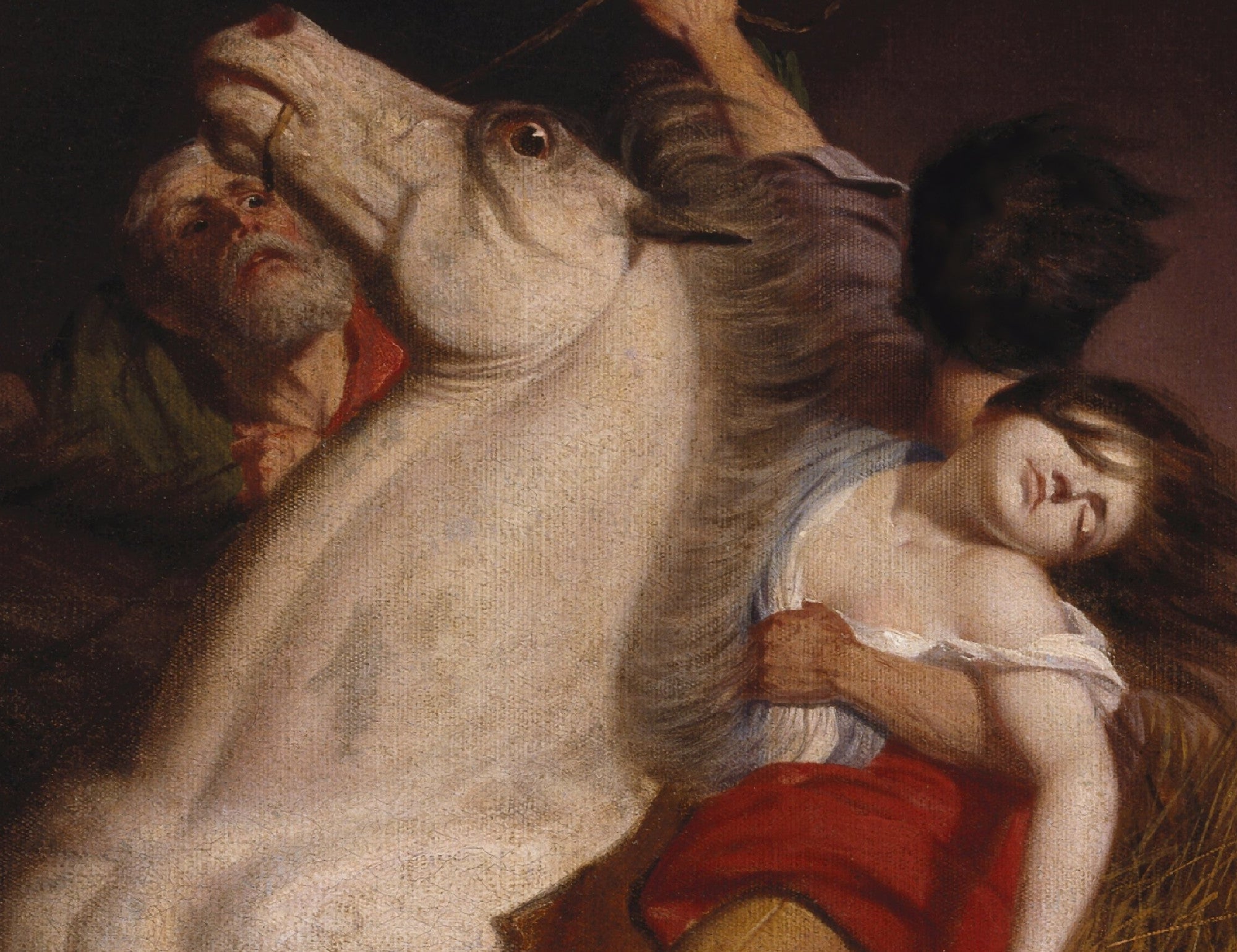
A rearing horse against a darkening sky
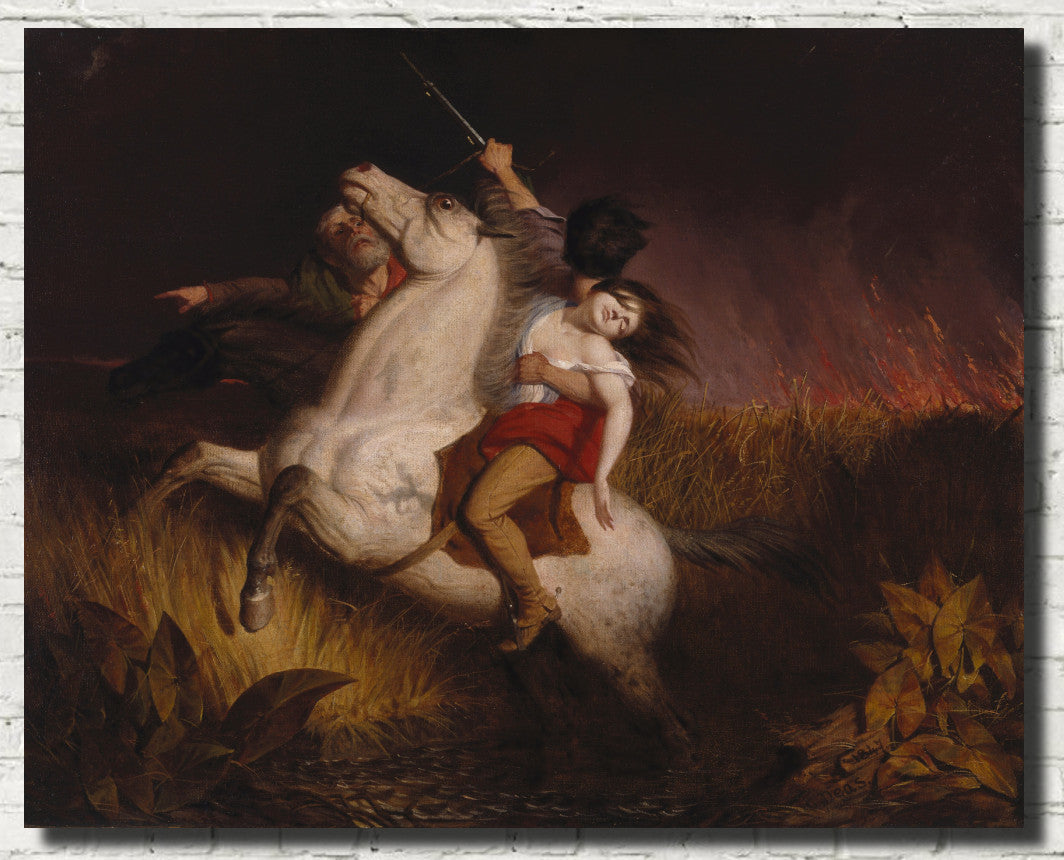
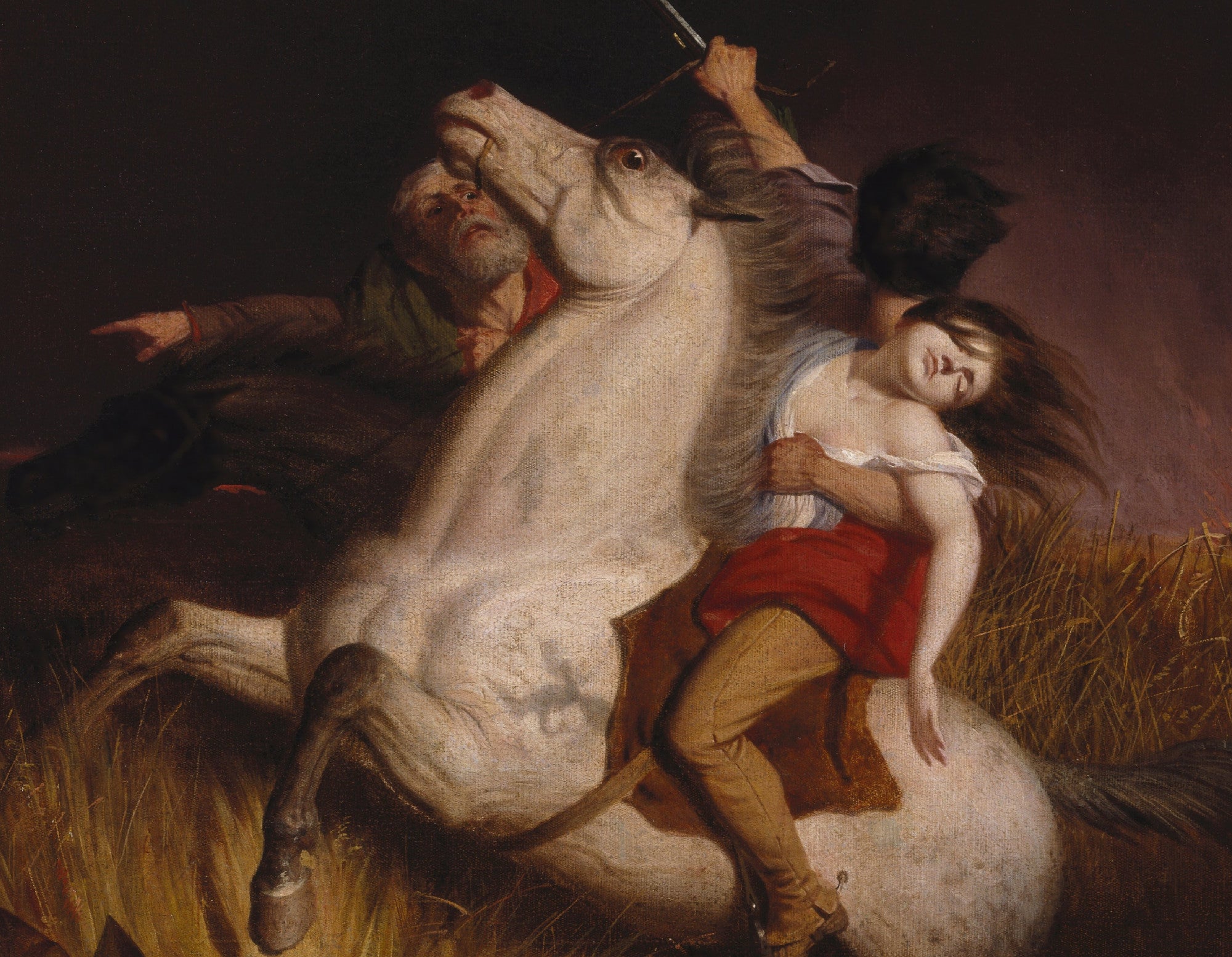
Prairie on Fire lifts the pale animal above the lower ground, with a figure clinging close to its side. A line of orange fire runs across the distance. The strong contrast between the horse and surrounding darkness makes the upward movement especially clear within the exposed landscape.
Related artists and collections
Compare mounted narratives in Frederic Remington, dramatic animals in Edwin Landseer and staged encounters in Théodore Géricault. Further figure prints follows gesture and response, while animal art develops the horses’ movement within the narrative scenes.
Read more in our Frederic Remington guide to mounted narratives.