Table of Contents:[hide]
The history of impressionism represents one of the most significant pivots in artistic expression, marking the moment when painters stepped out of the rigid confines of the studio and into the unpredictable brilliance of the natural world. This movement revolutionized the art world in the late 19th century, challenging traditional academic painting—which favored historical themes and perfectly blended finishes—with a radical new emphasis on capturing fleeting moments, the physics of natural light, and the raw beauty of everyday scenes. By shifting the focus from "what" was being painted to "how" the light hit the subject, these pioneers forever changed our visual vocabulary.
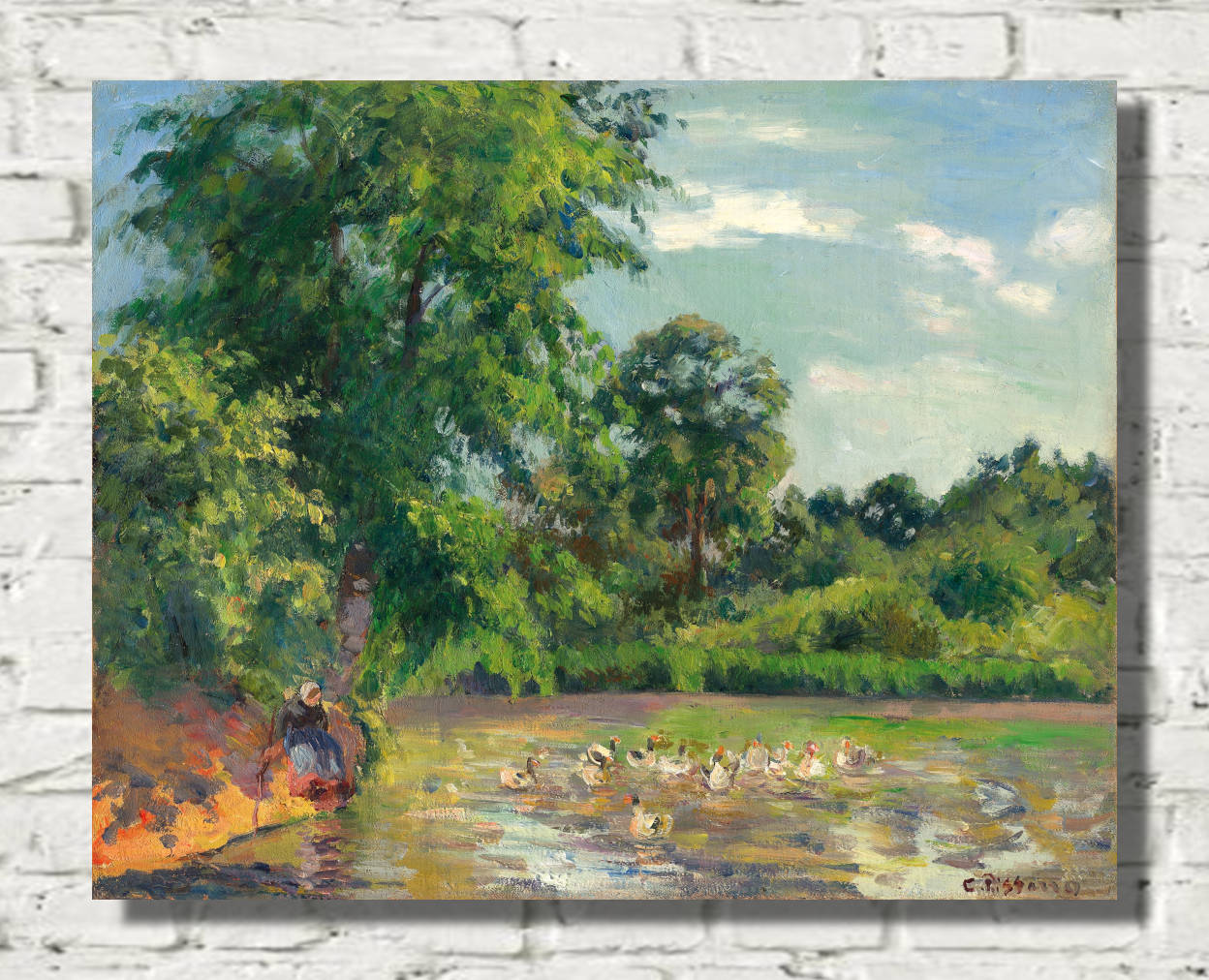
While Claude Monet might be the first name that comes to mind when discussing this era, numerous other famous impressionist artists like Pierre-Auguste Renoir, Camille Pissarro, and Berthe Morisot helped shape and refine this groundbreaking movement. These creators shared a rebellious spirit, often exhibiting their work independently of the official Salon to maintain their creative integrity.
Beyond their subjects, the mastery of specific impressionist art techniques is what truly defines their legacy. Rather than hidden brushstrokes, these artists utilized short, thick strokes of paint to capture the "essence" of a subject rather than its minute details. They often applied paint en plein air (outdoors), using "optical mixing" where colors are placed side-by-side on the canvas and mixed by the viewer's eye, rather than being pre-blended on a palette. This approach created a shimmering, vibratory quality that feels alive even a century later. Here's your guide to the essential Impressionist painters whose work continues to captivate audiences worldwide.

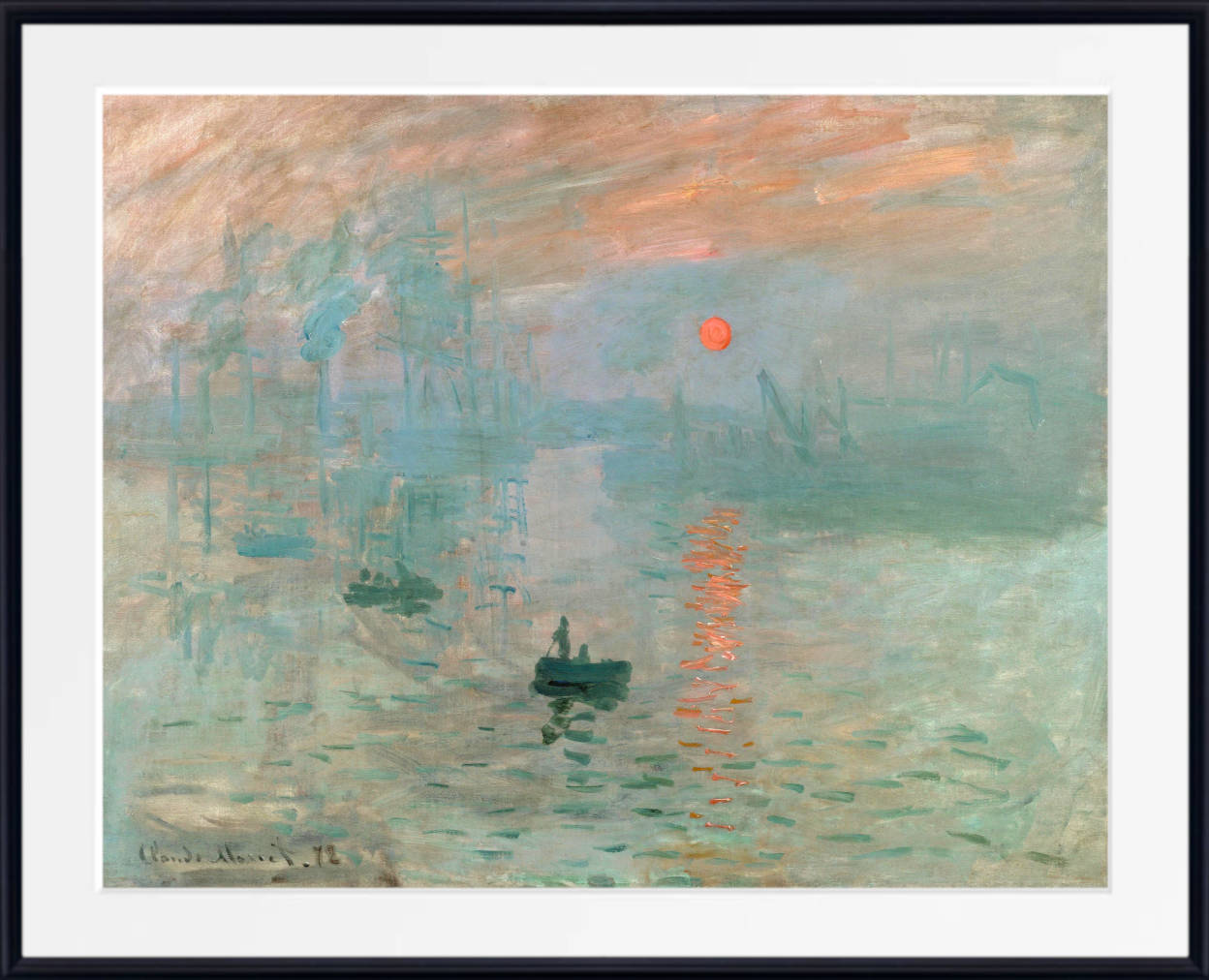
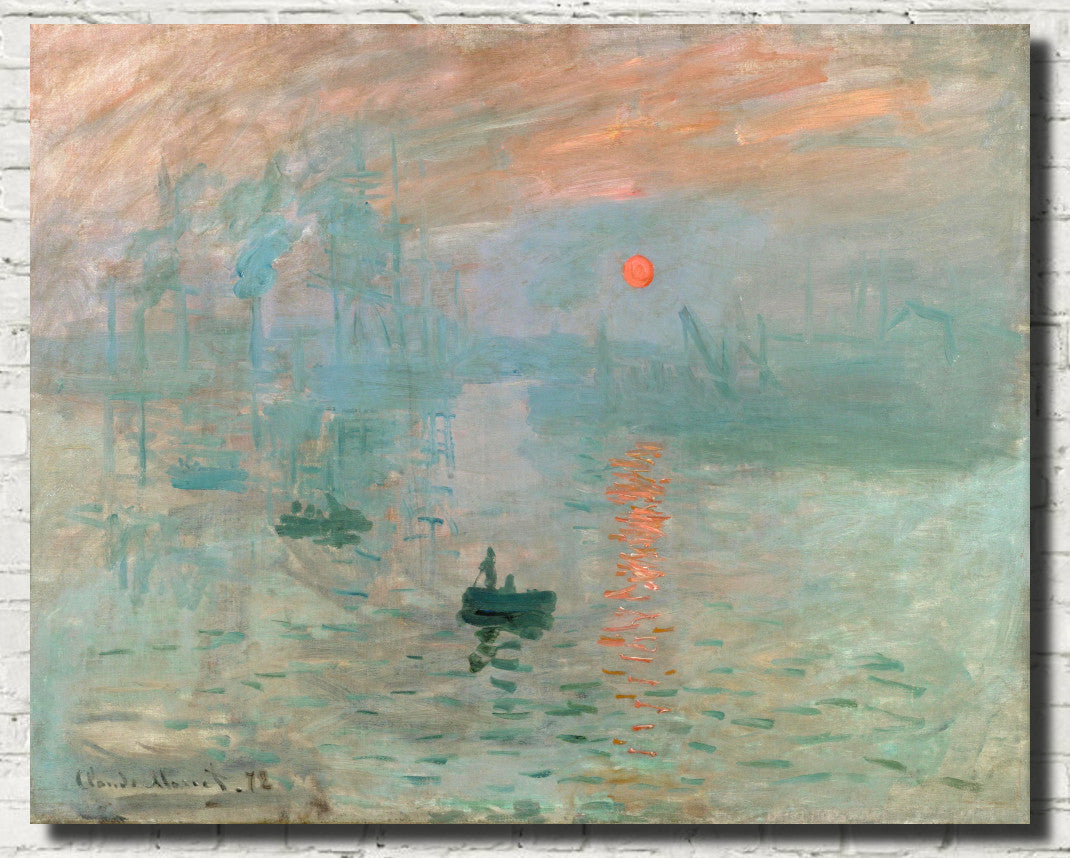
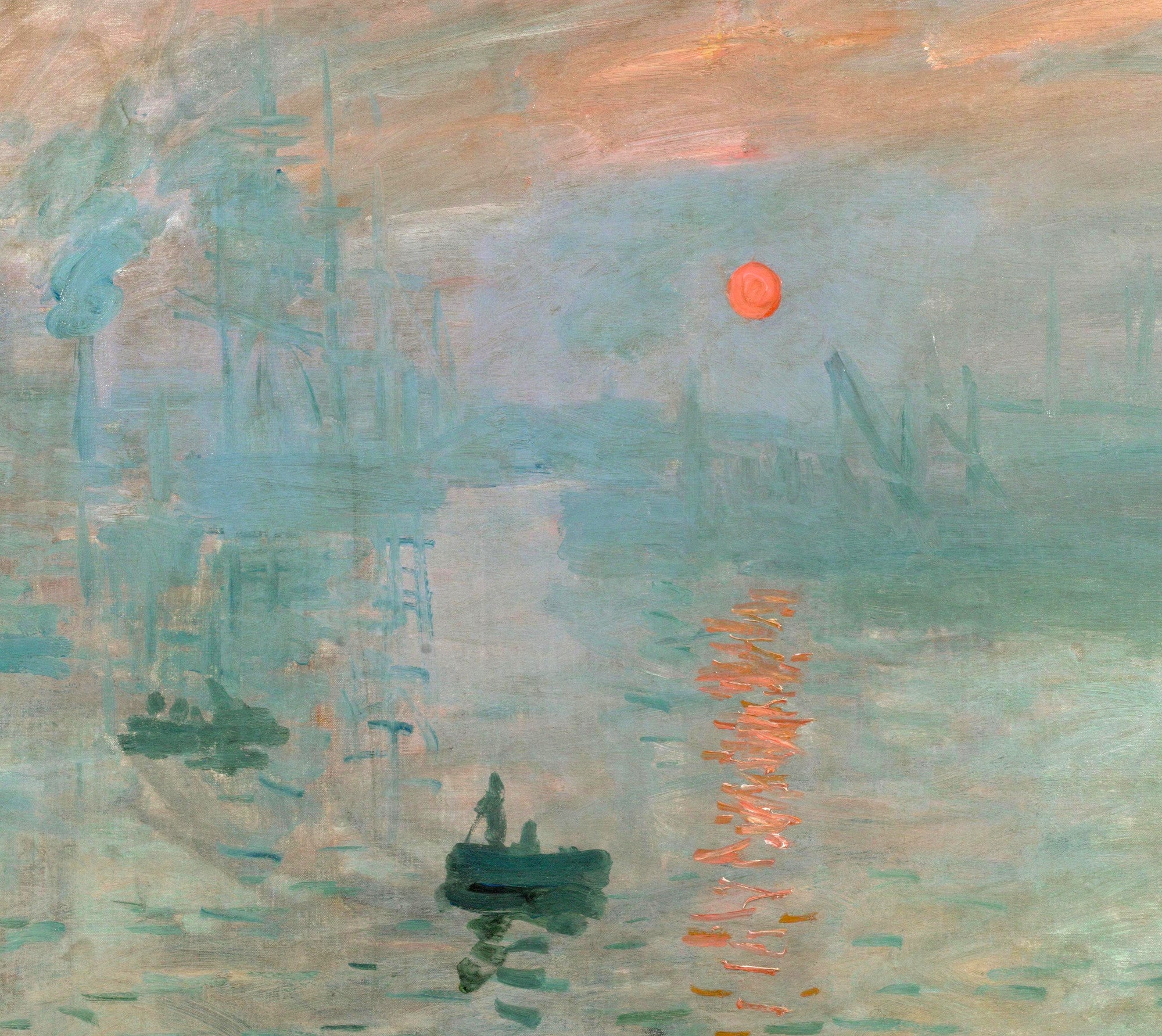
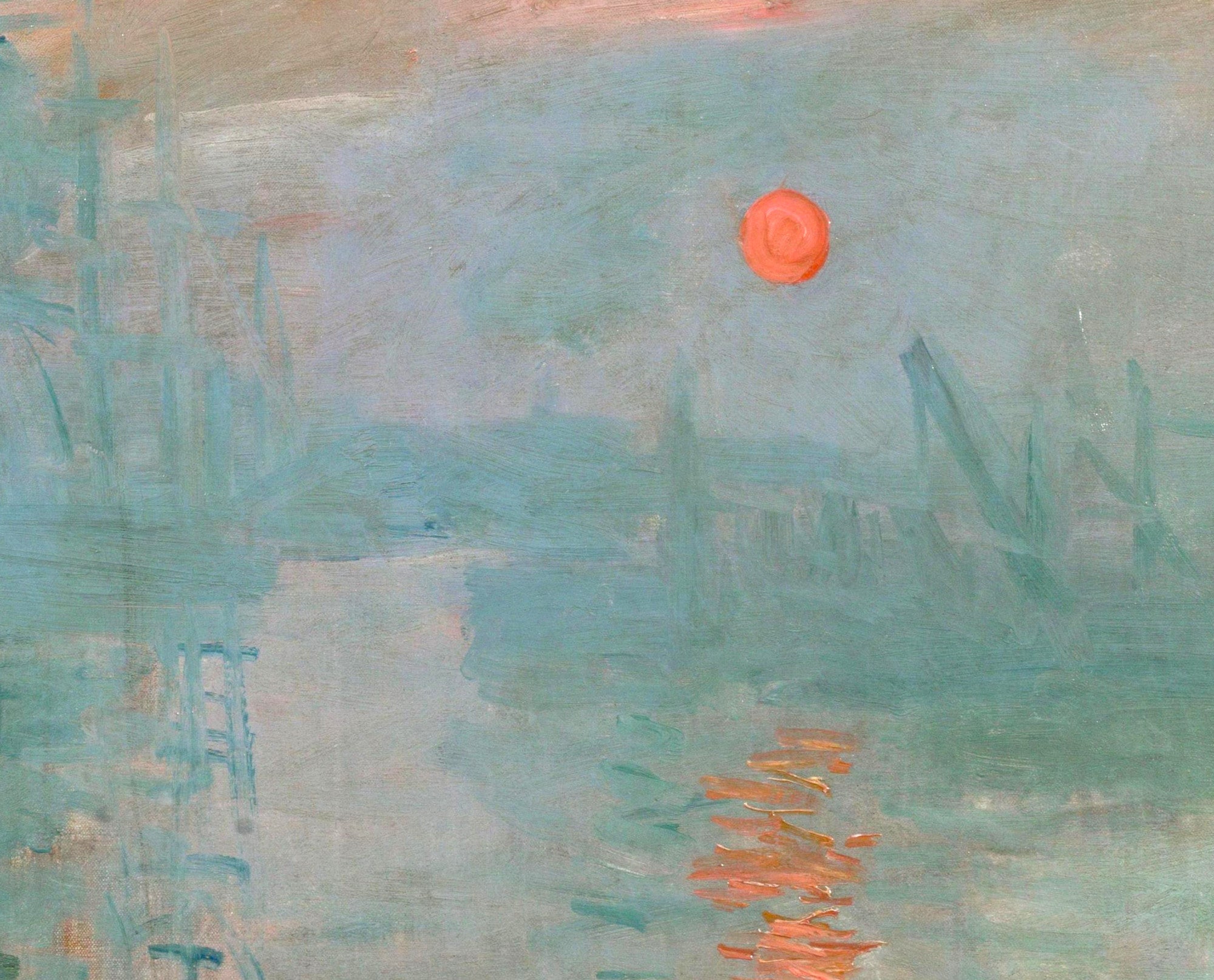
Impression, Soleil Levant, Claude Monet
Claude Monet (1840-1926) 
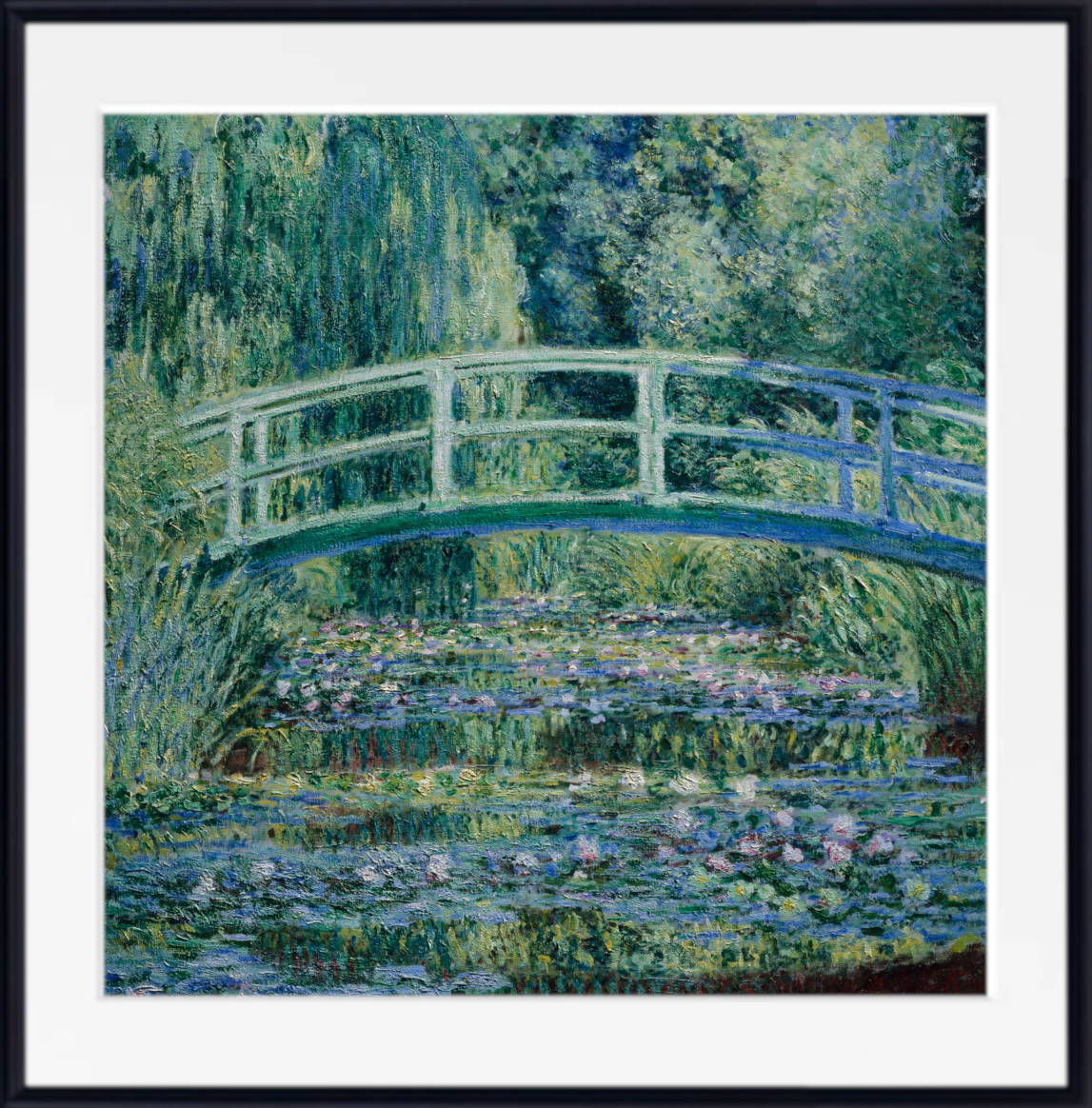
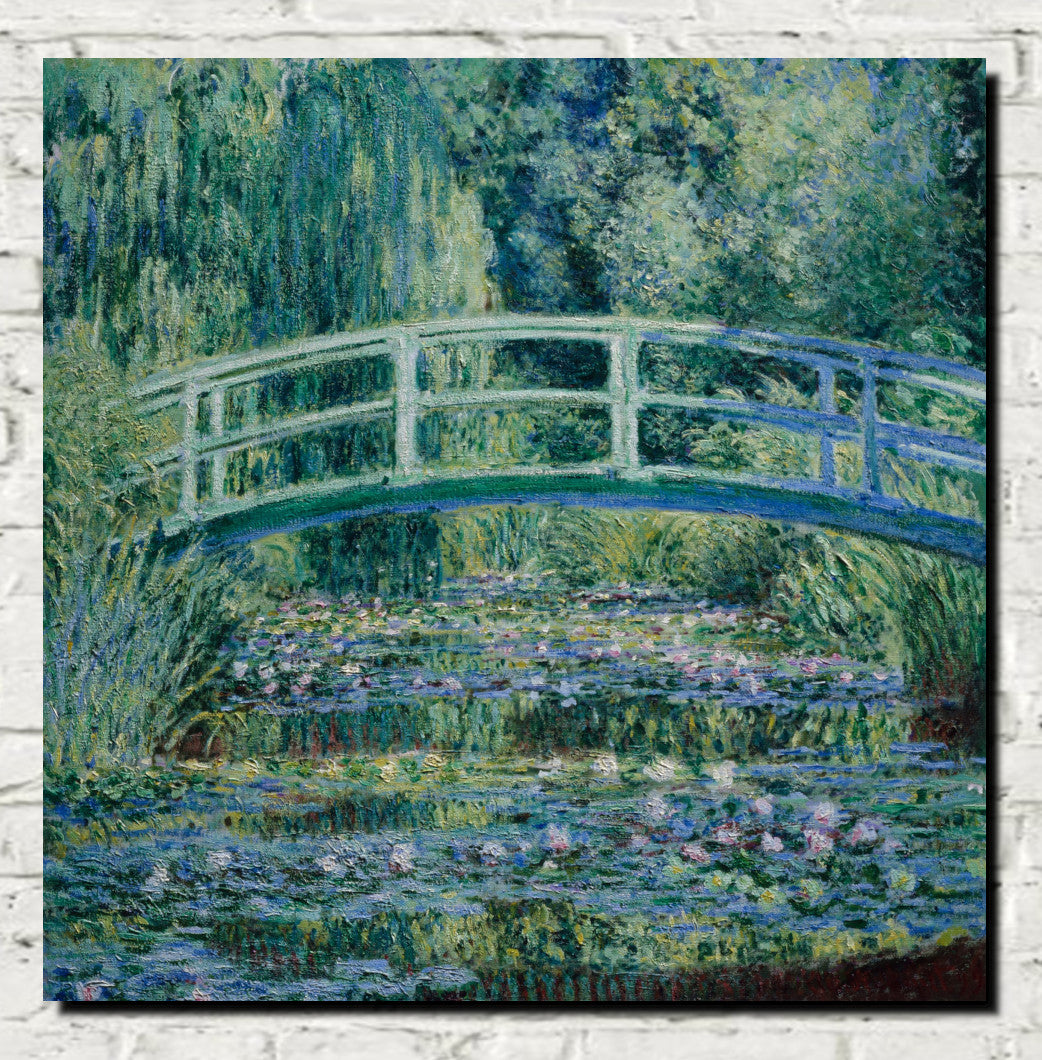
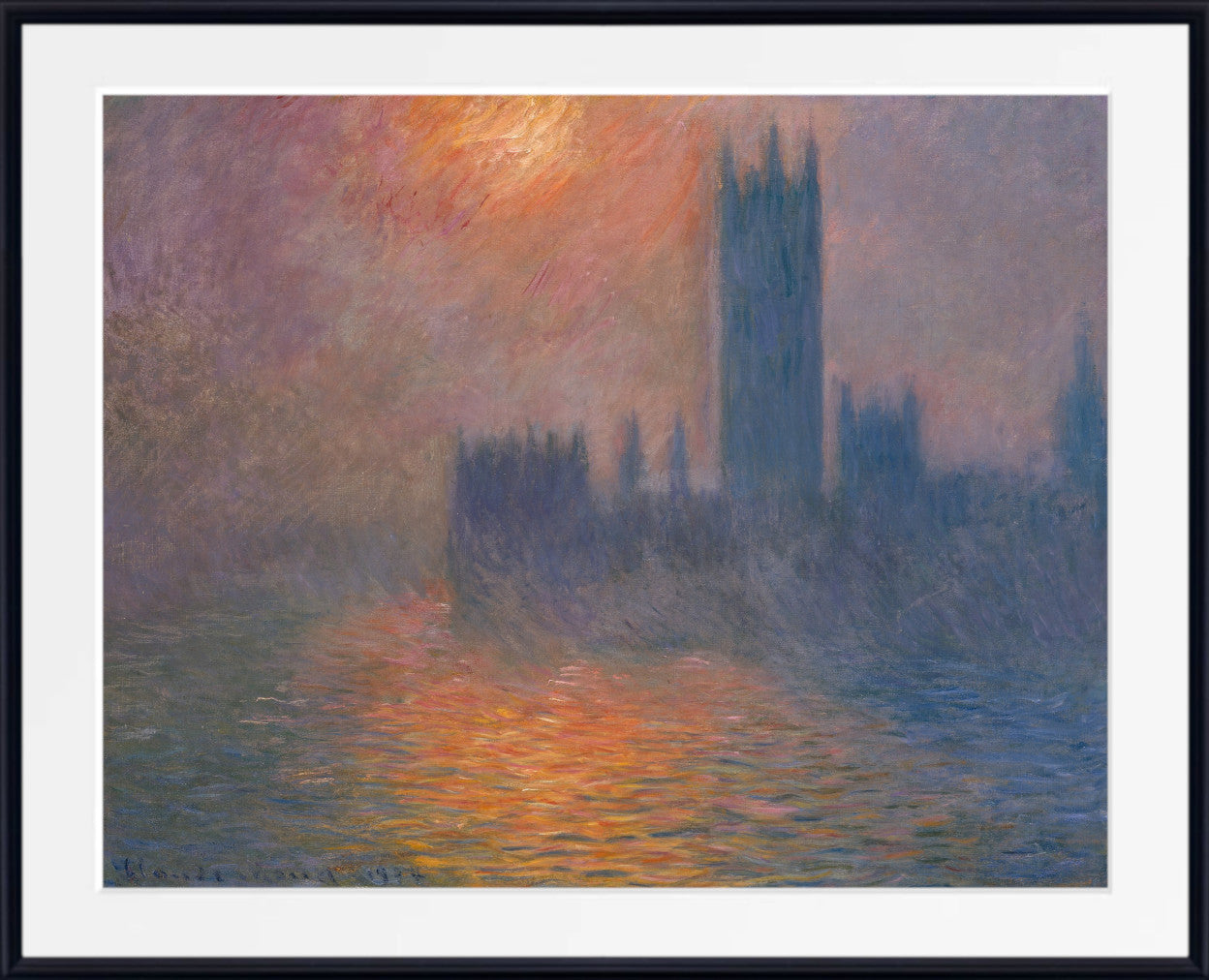
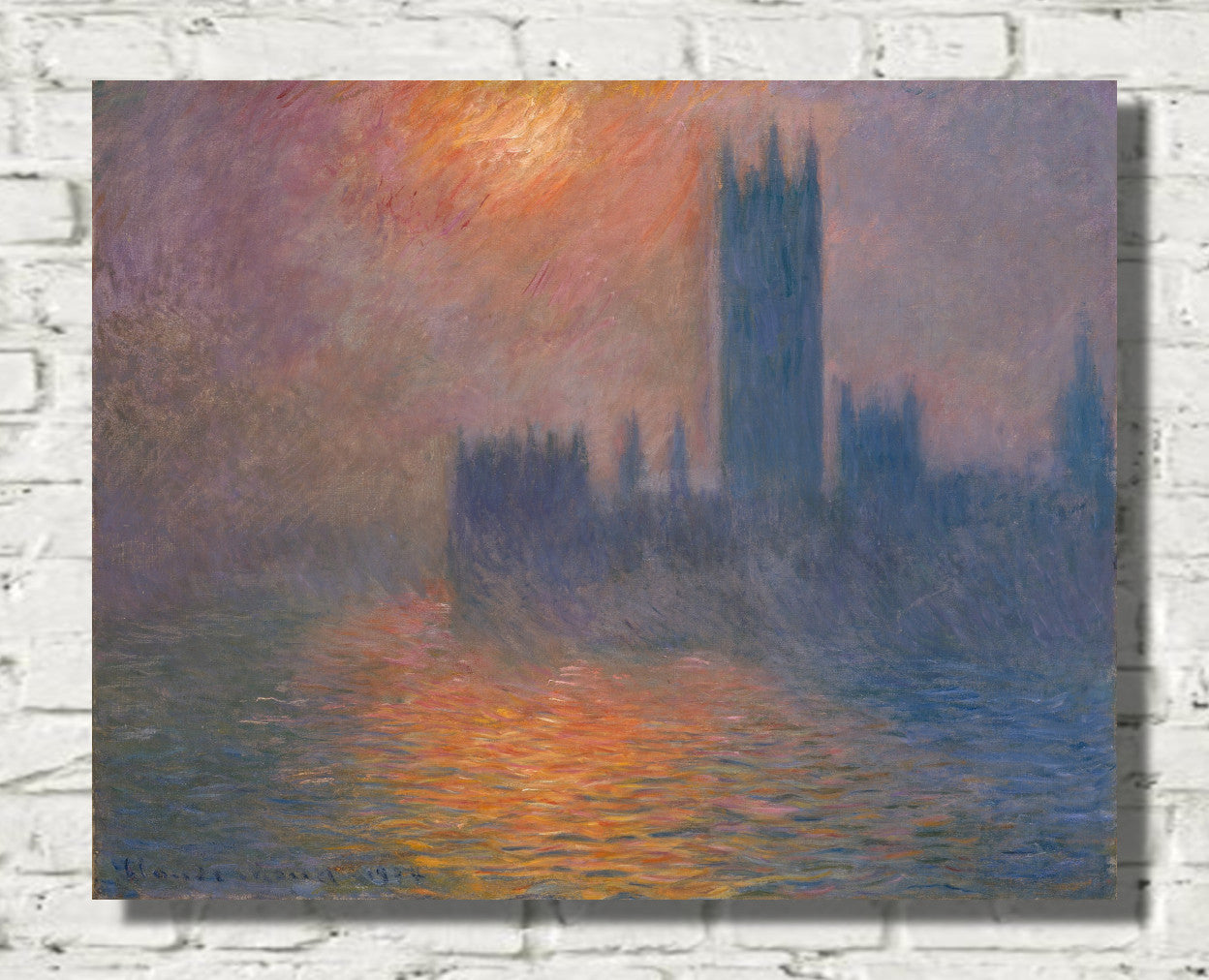
No discussion of Impressionism is complete without mentioning Claude Monet, the movement's most prominent figure. His painting "Impression, Soleil Levant" (Impression, Sunrise) gave the movement its name. Monet's mastery of light and color is evident in his famous series paintings, including the "Water Lilies," "Haystacks," and "Rouen Cathedral." His garden at Giverny became both his sanctuary and subject matter, producing some of the most recognizable works in art history.
Claude Monet Prints
Claude Monet Biography

Luncheon of the Boating Party, Renoir
Pierre-Auguste Renoir (1841-1919) 
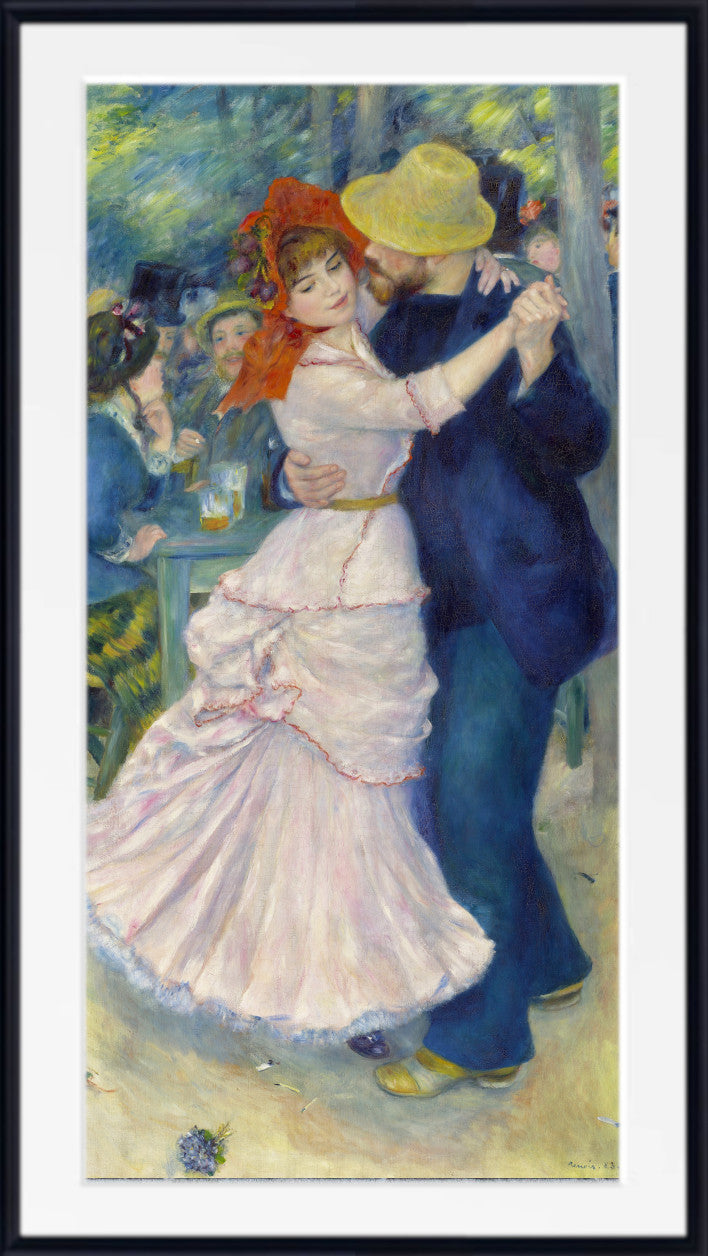
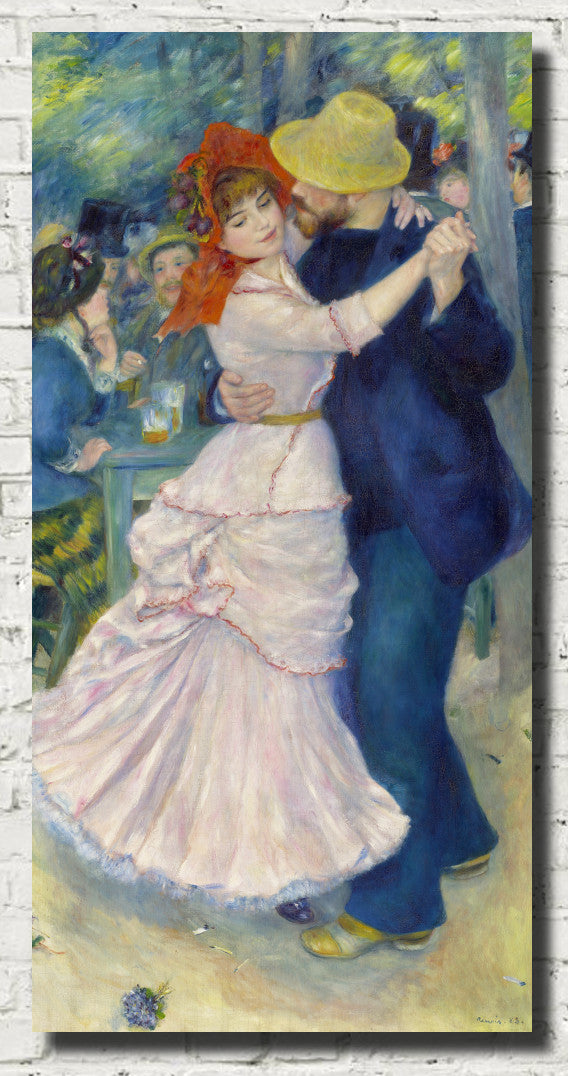
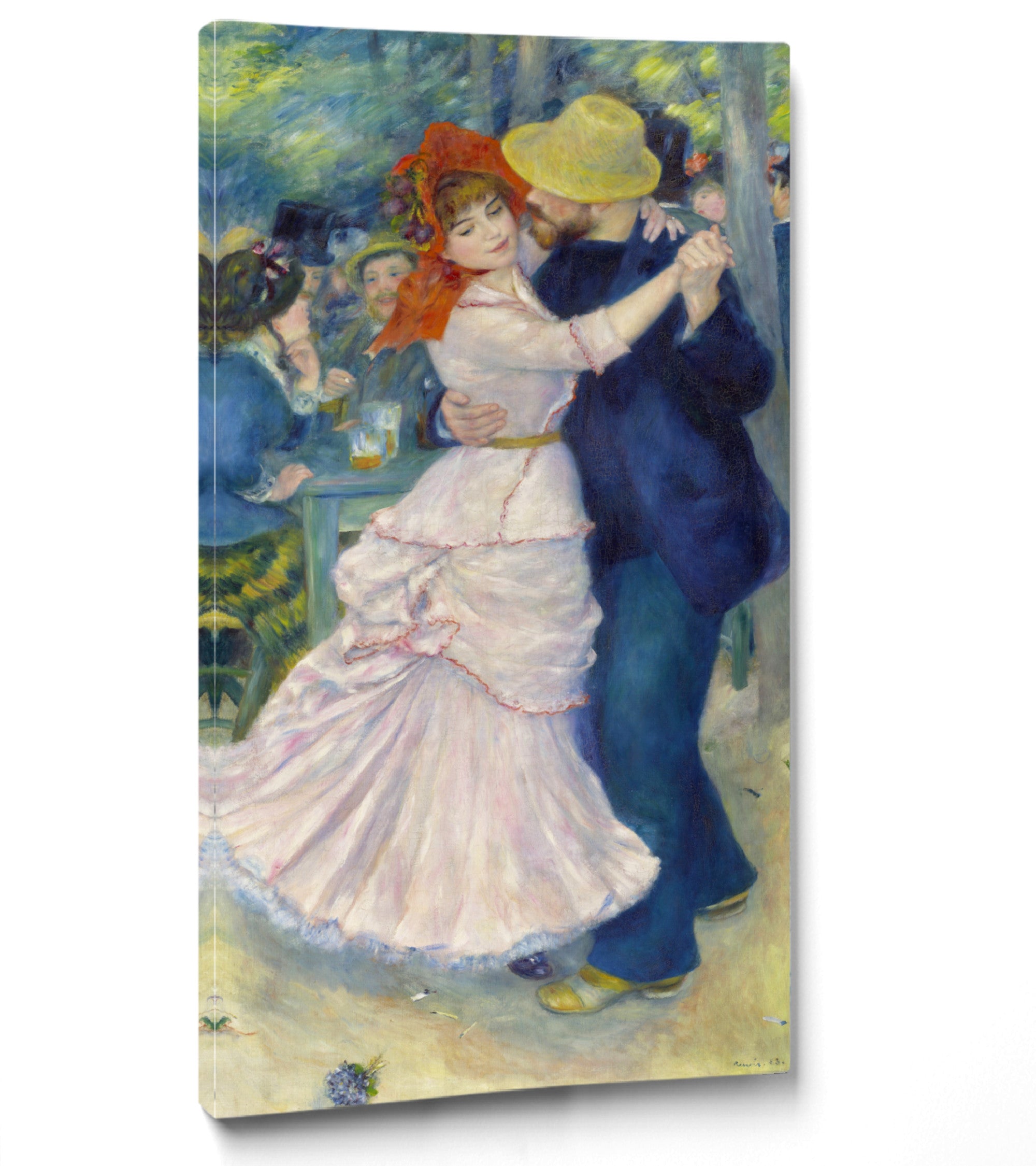
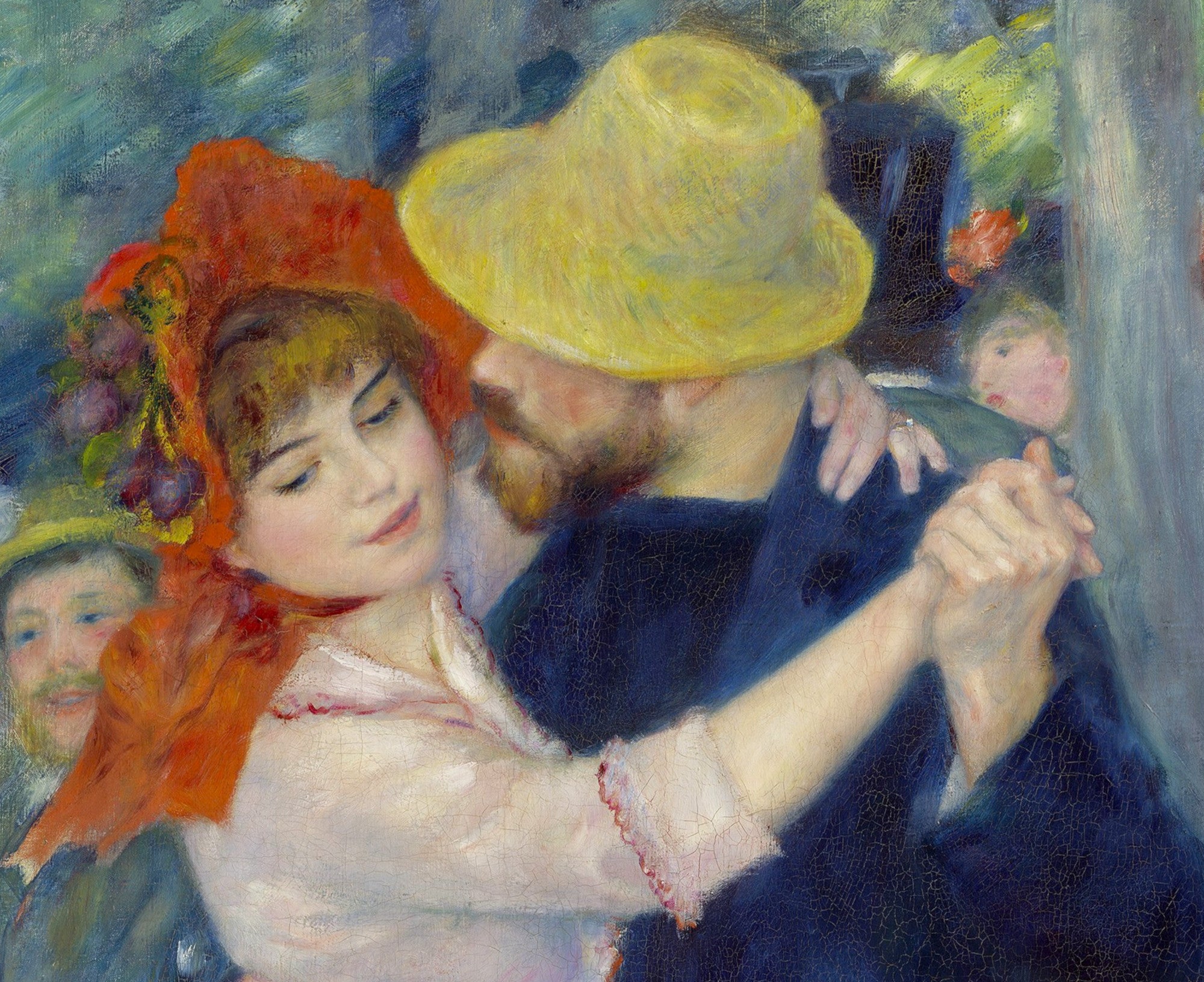
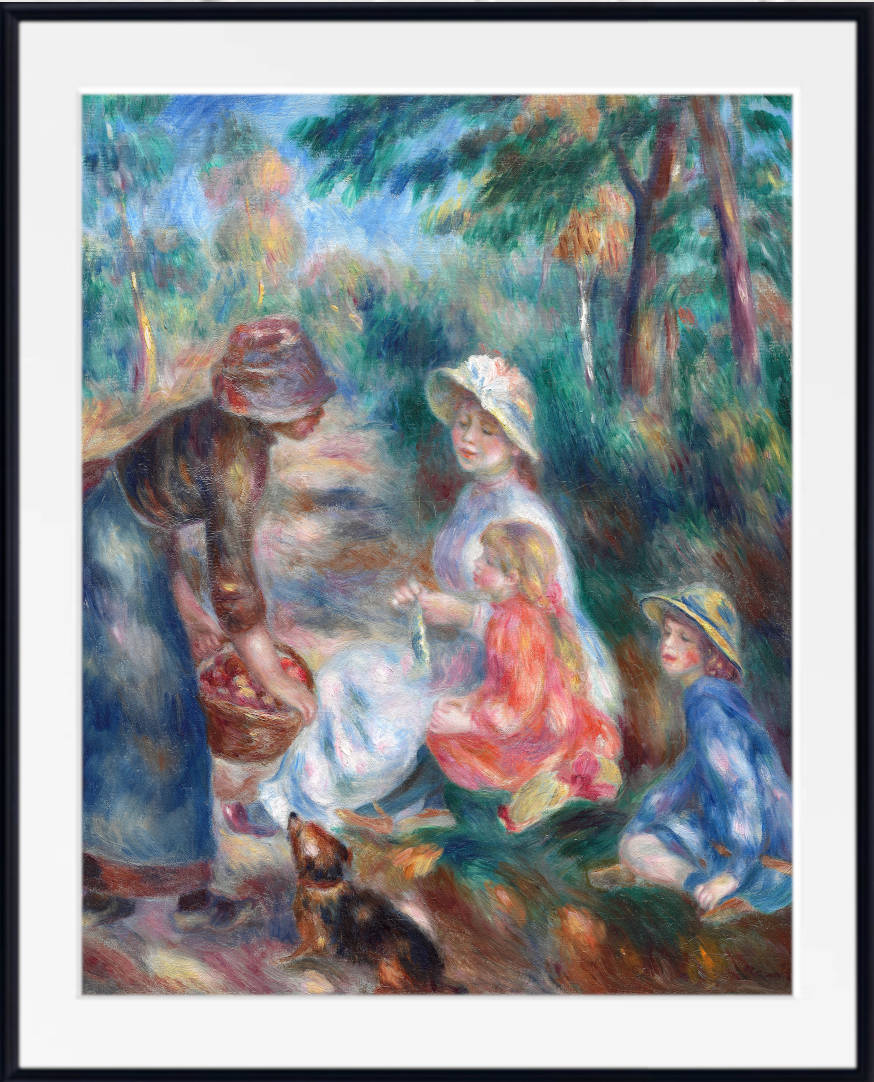
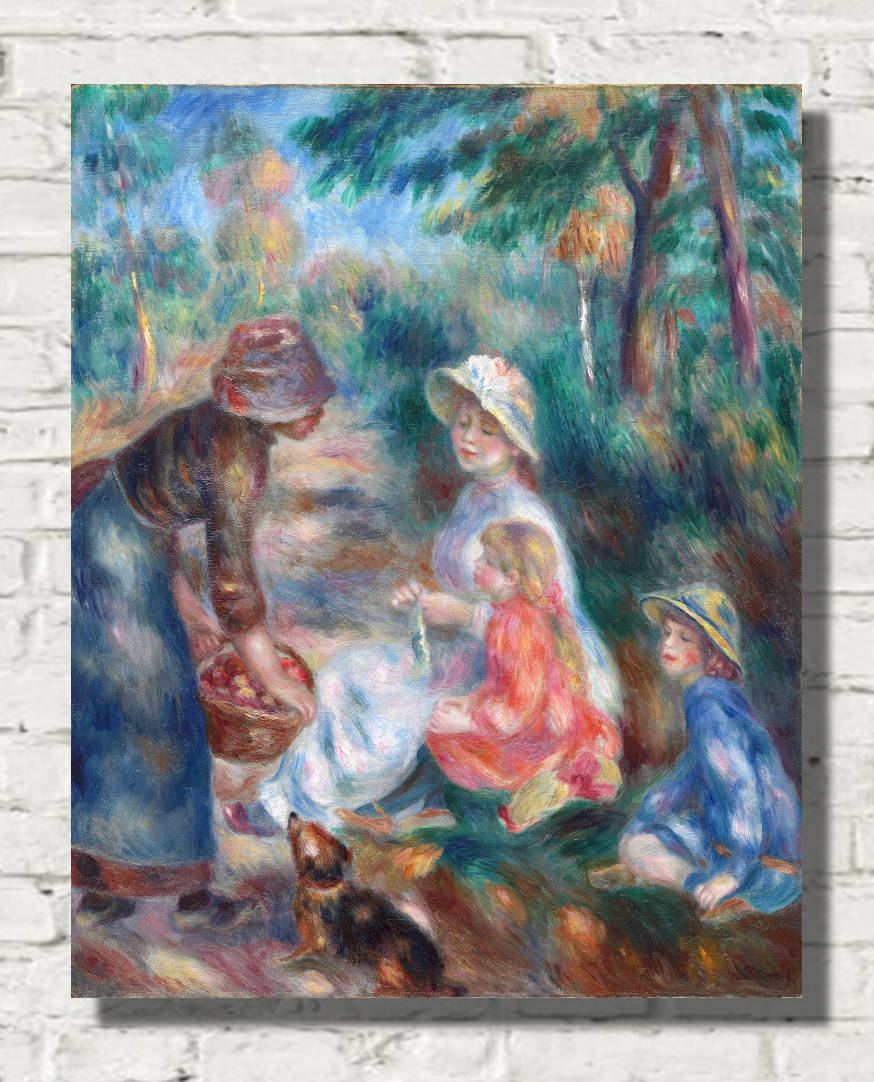
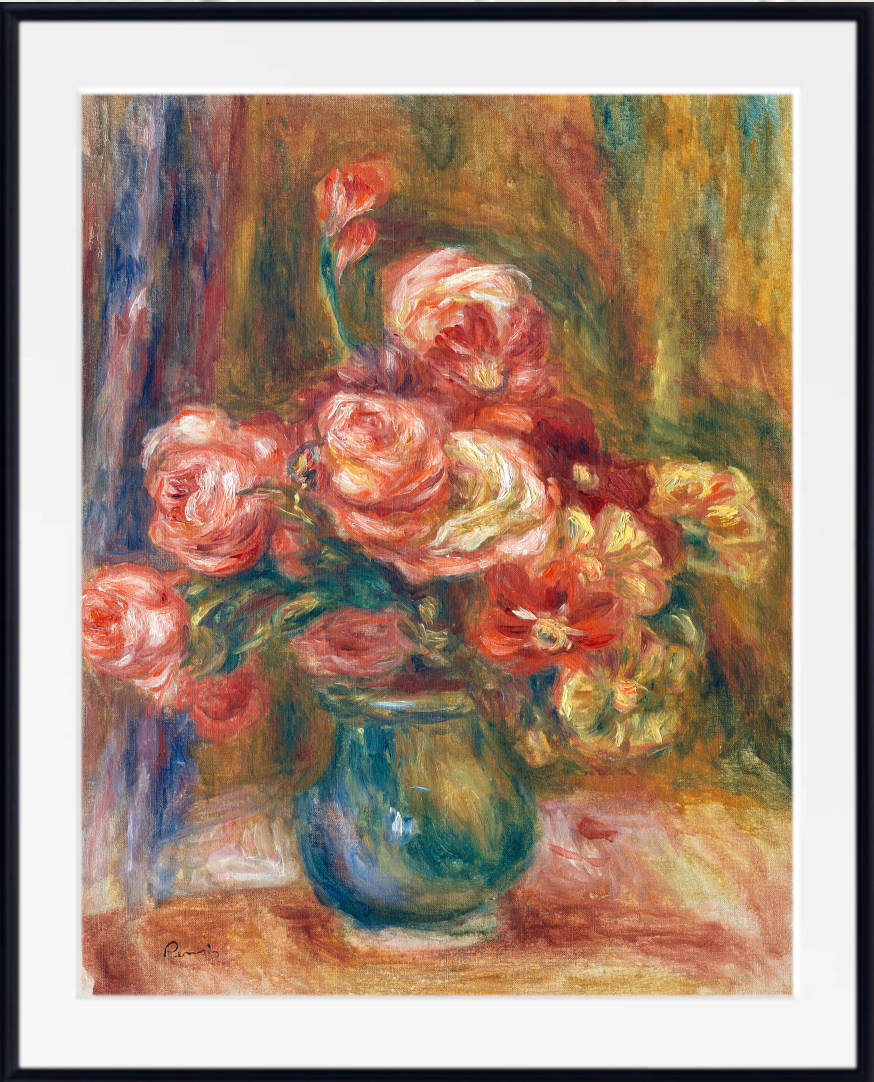
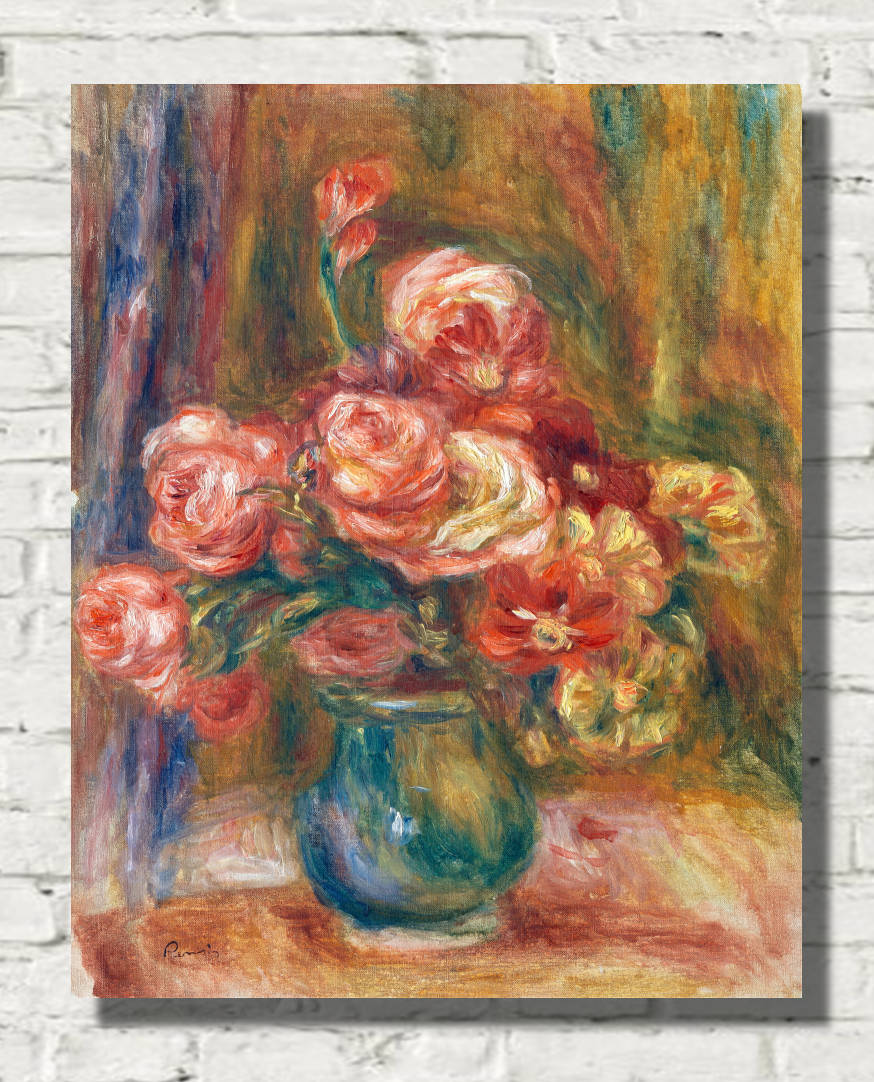
Renoir brought a joyful vitality to Impressionism through his portraits and scenes of Parisian life. His paintings celebrate the beauty of everyday moments, particularly in works like "Luncheon of the Boating Party" and "Dance at the Moulin de la Galette." Renoir's distinctive style emphasizes warm, luminous colors and soft, feathery brushstrokes that create a sense of movement and life.
Pierre-Auguste Renoir Prints
Pierre-Auguste Renoir Biography

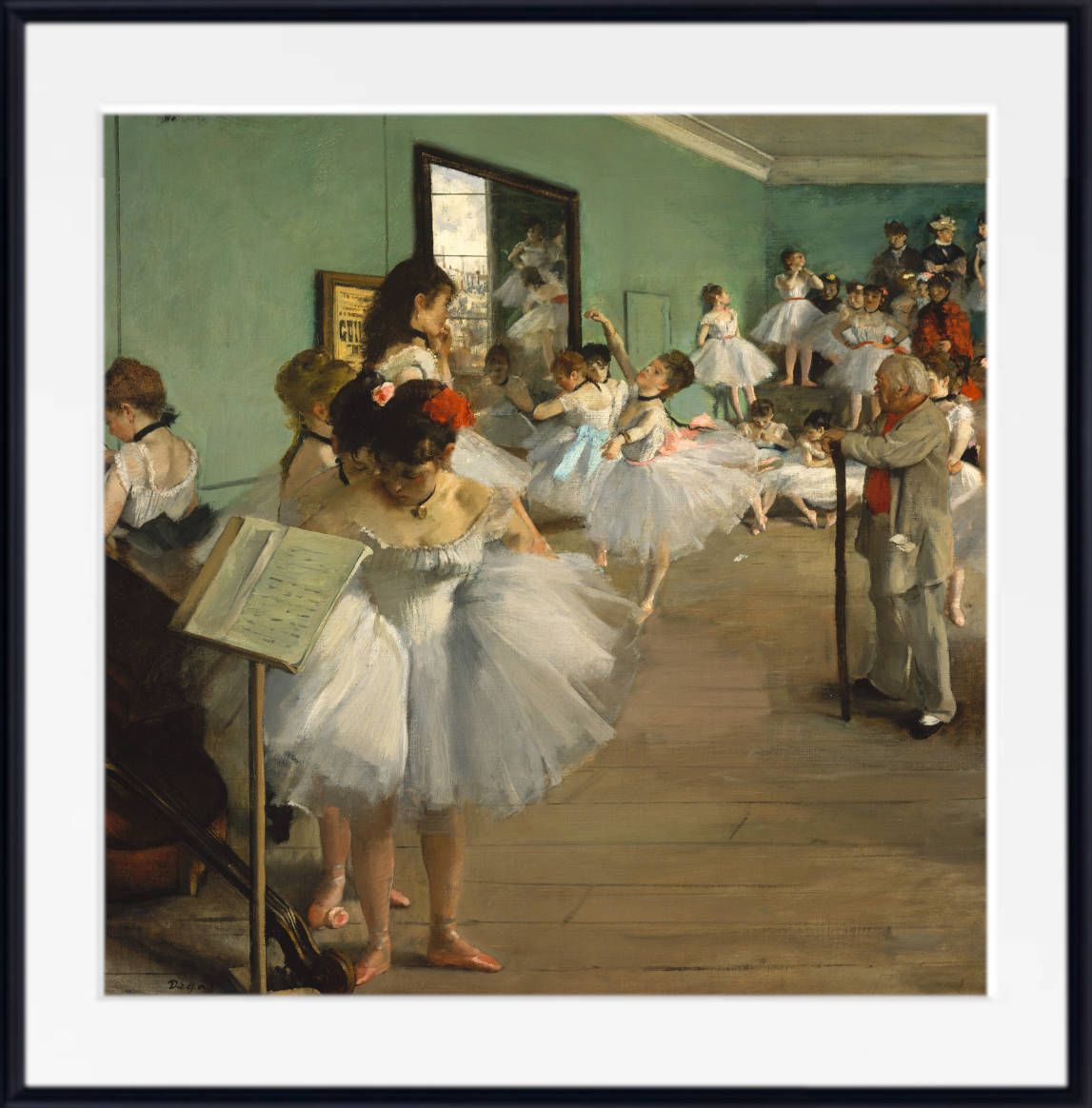
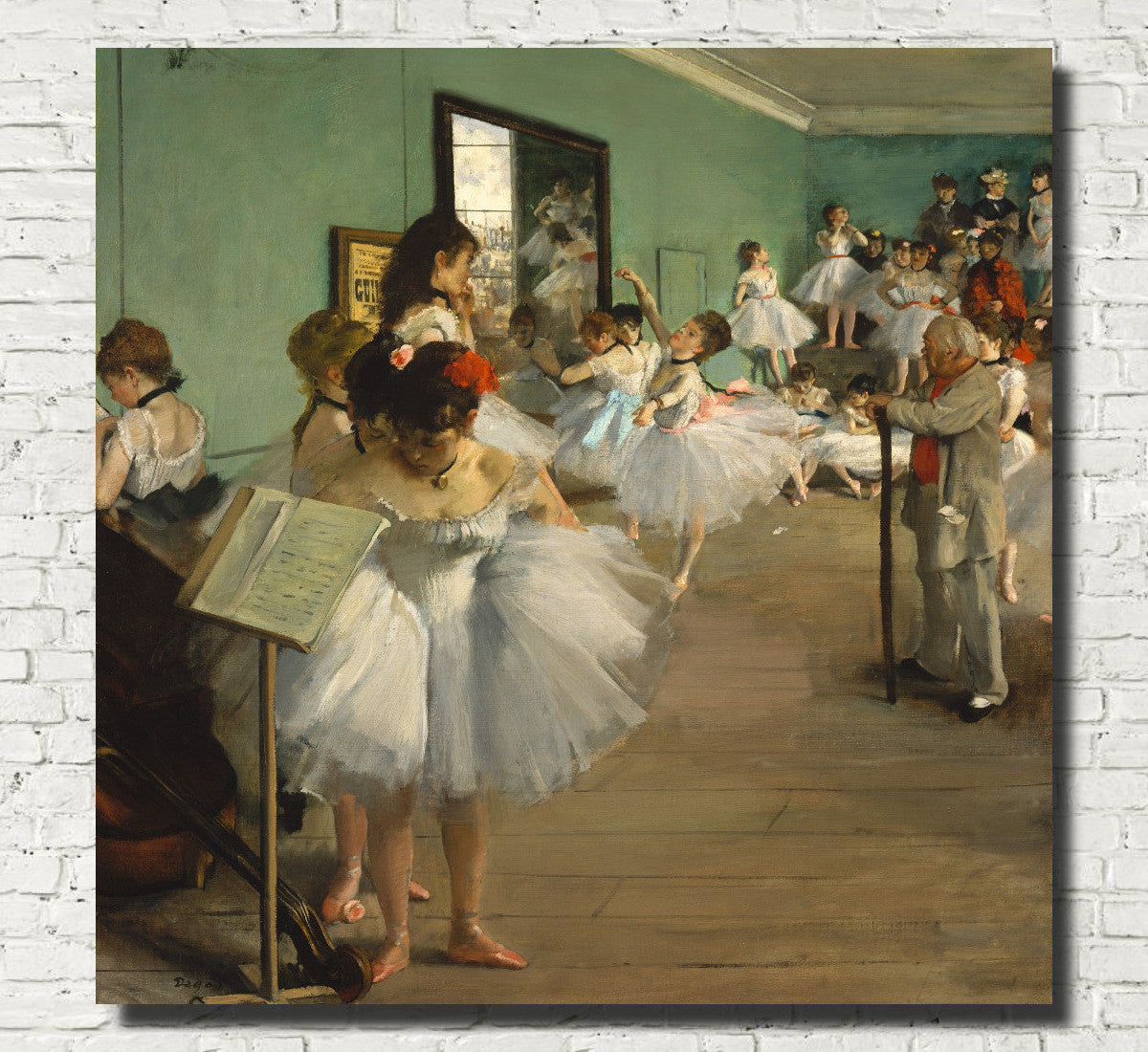
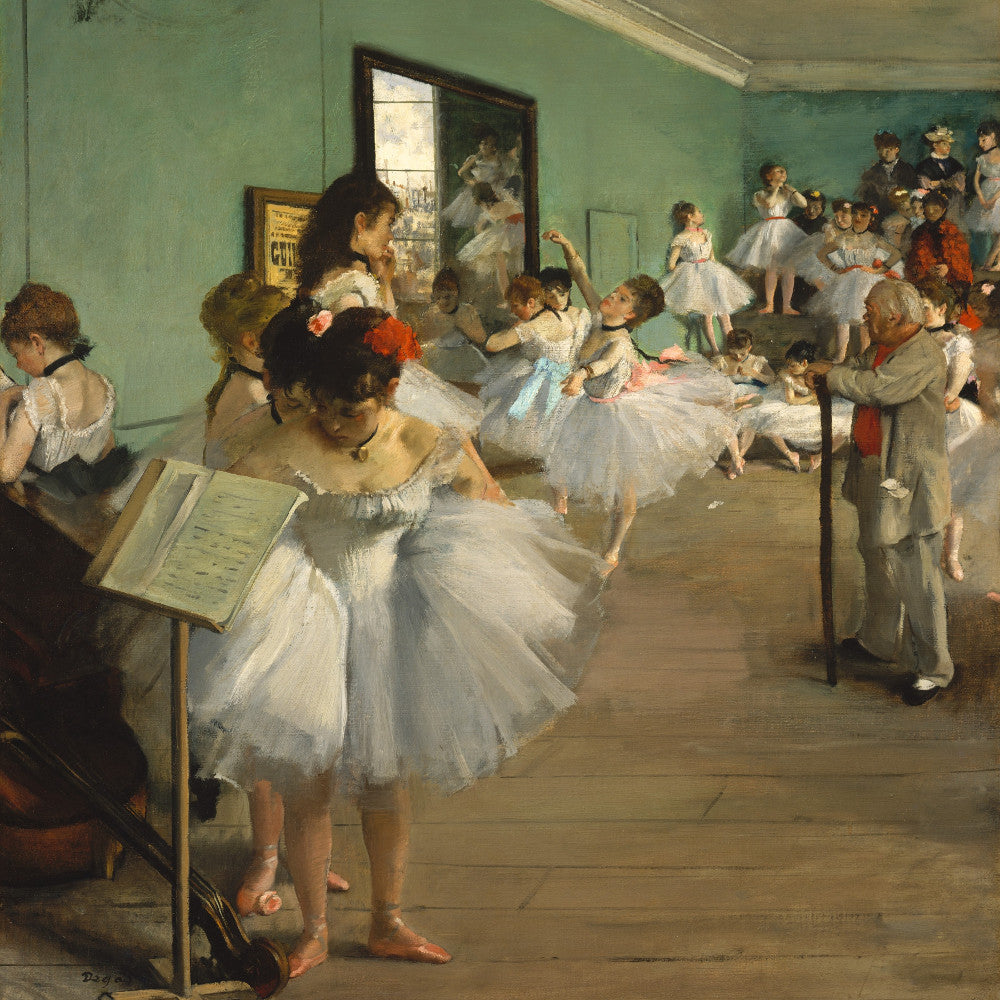
Edgar Degas (1834-1917) 
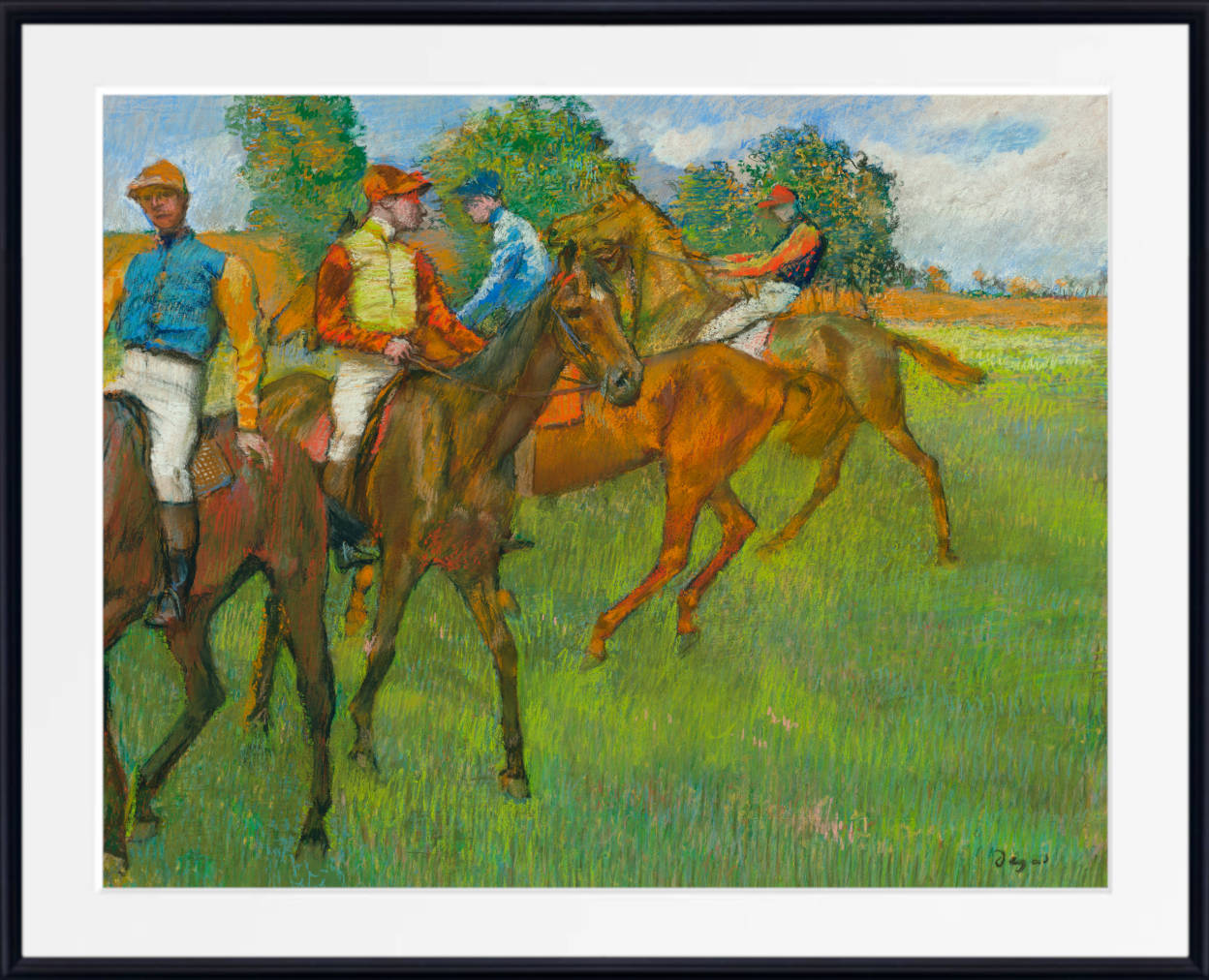
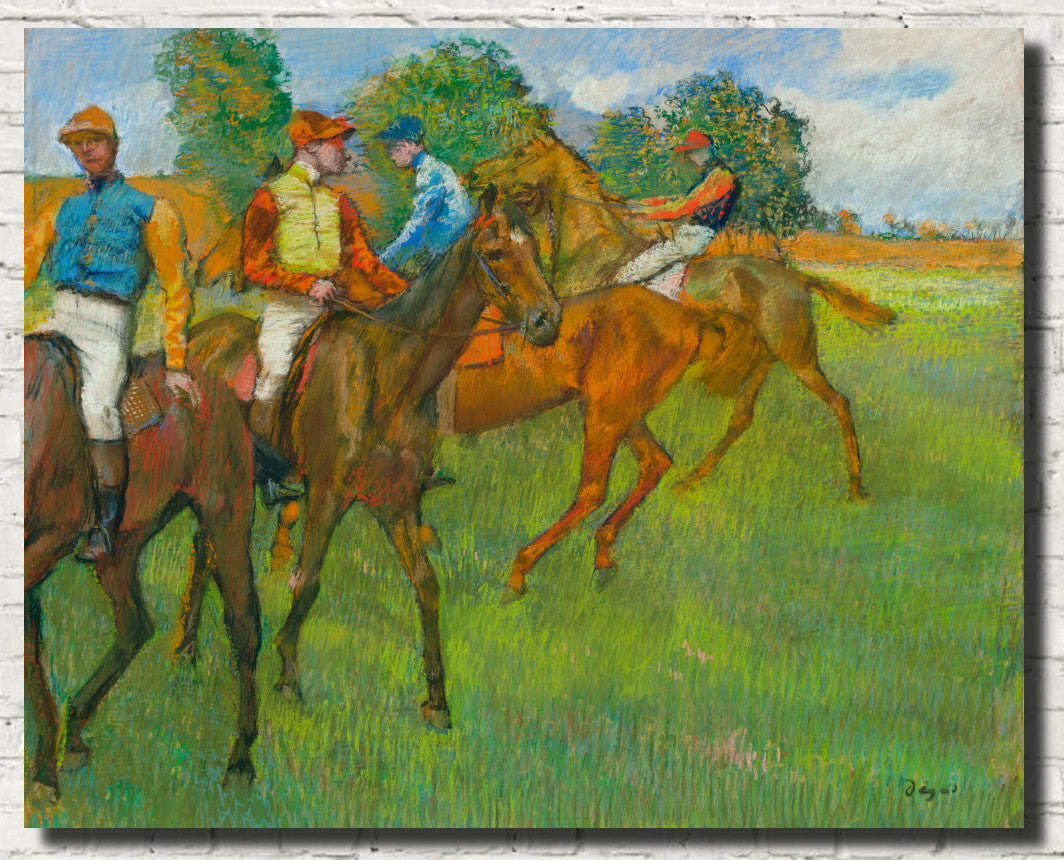
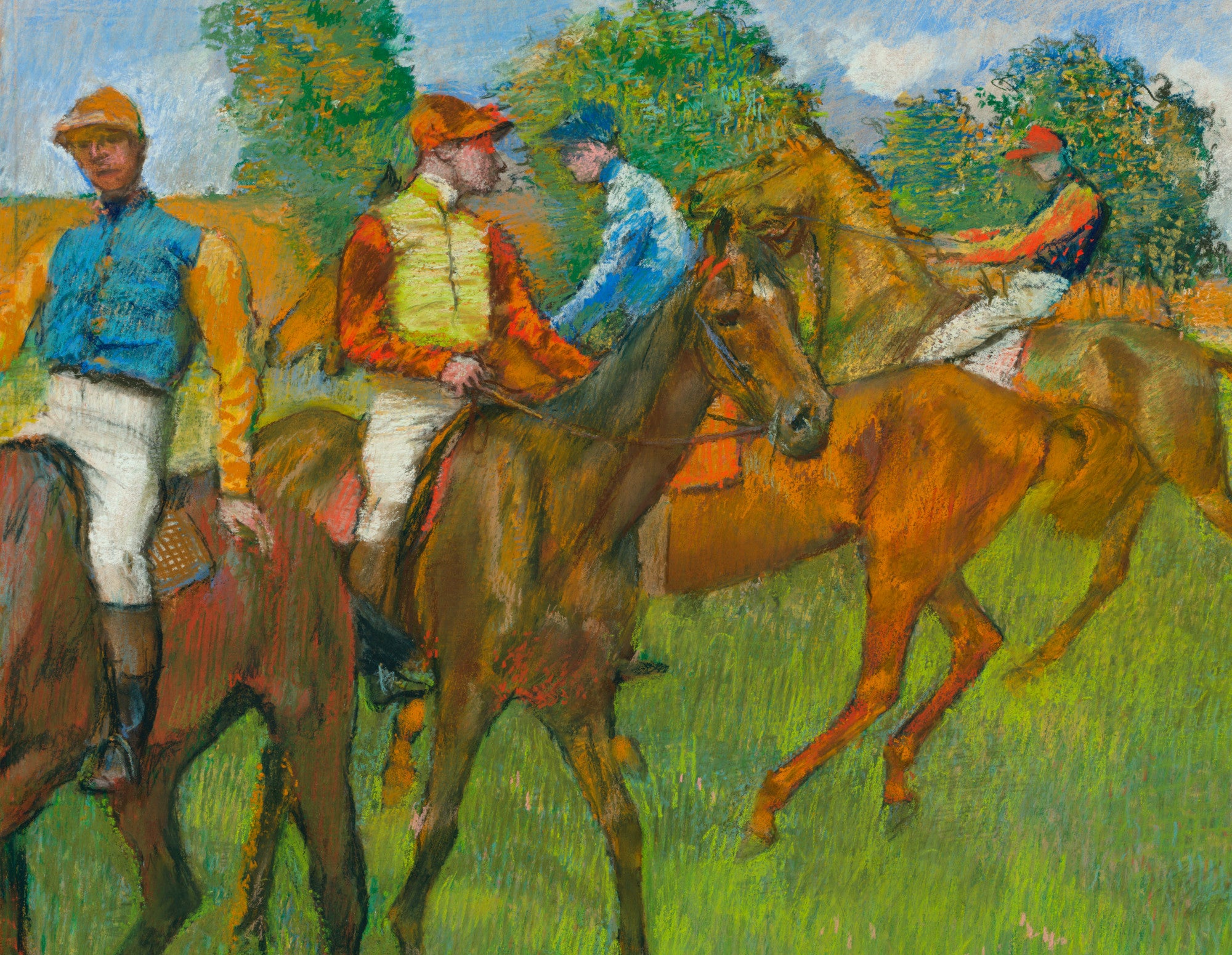
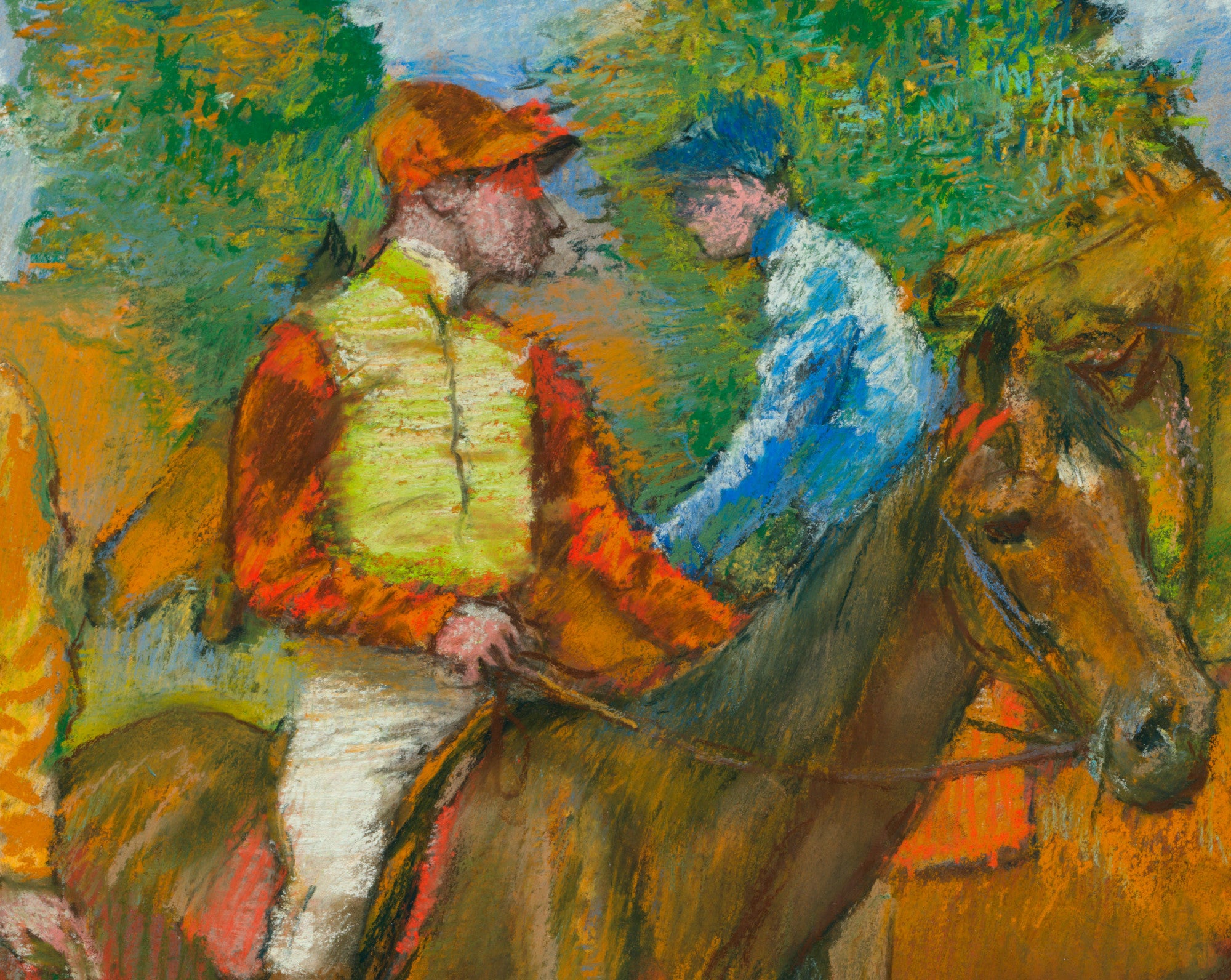
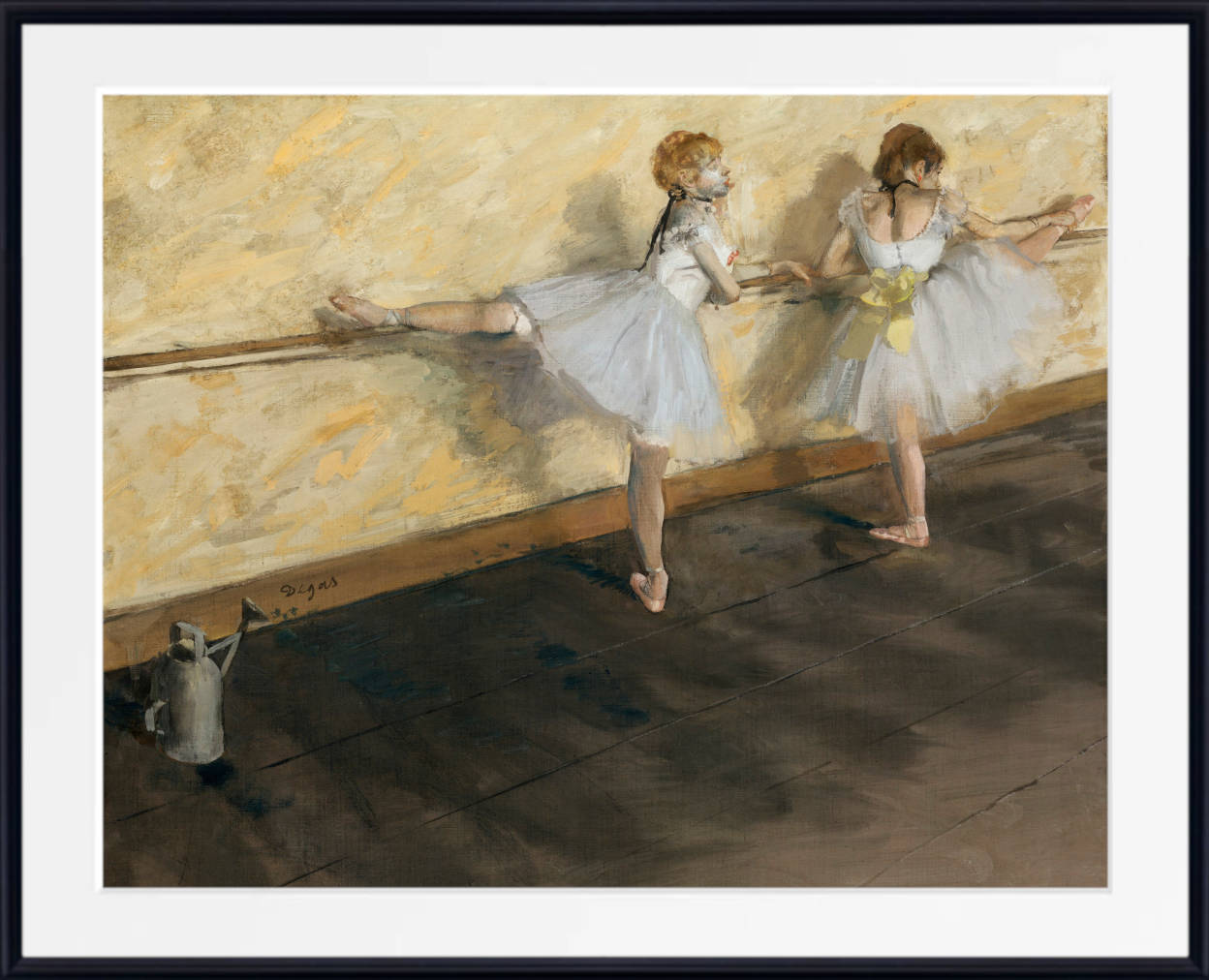
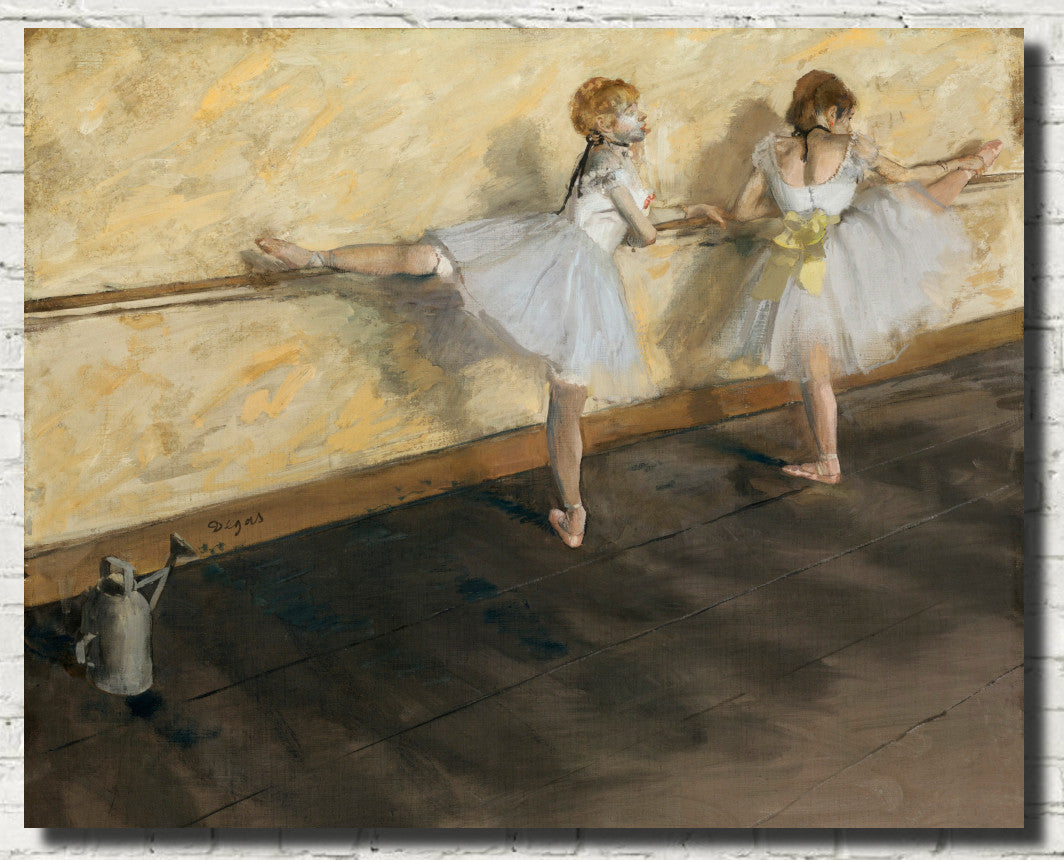
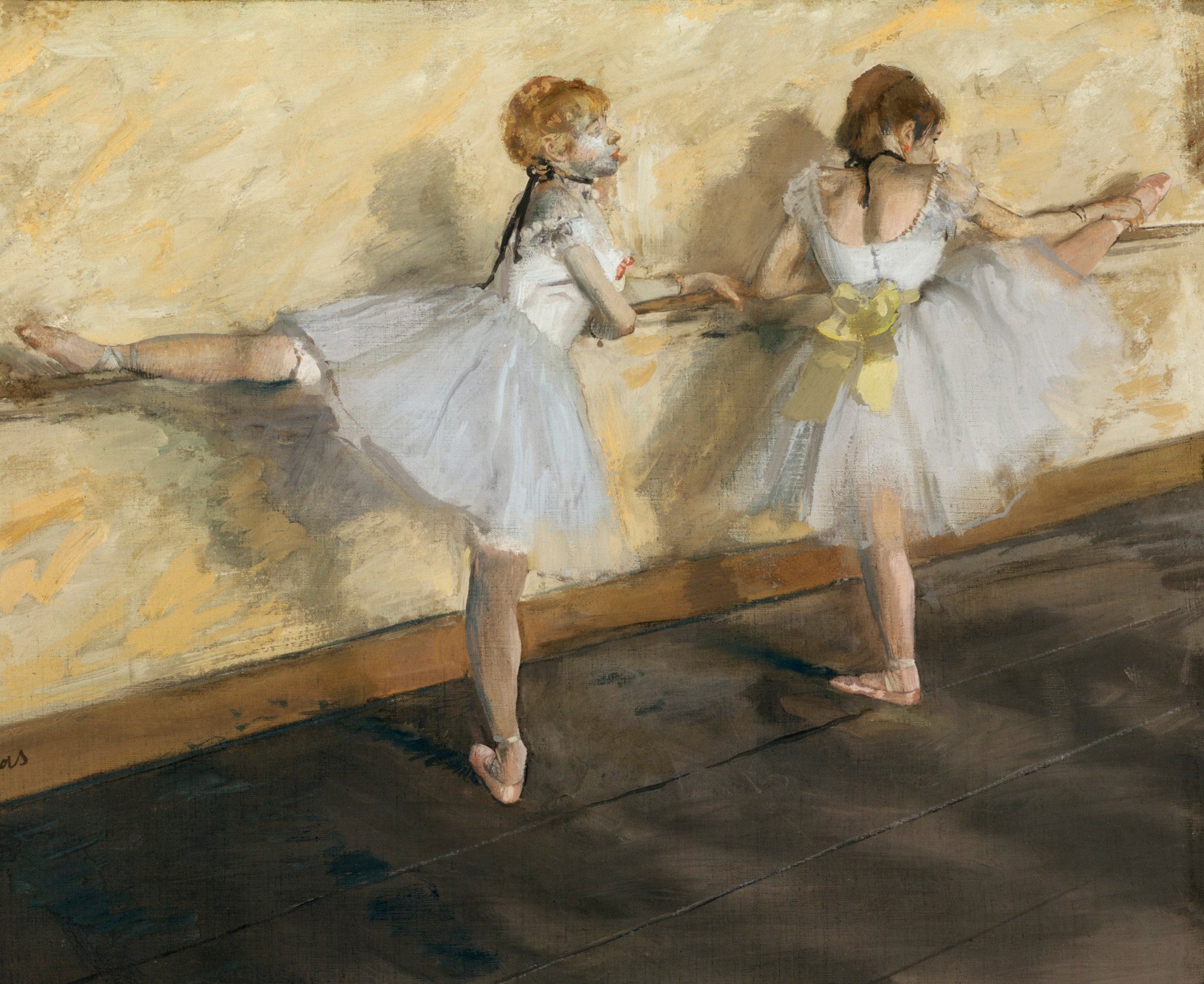
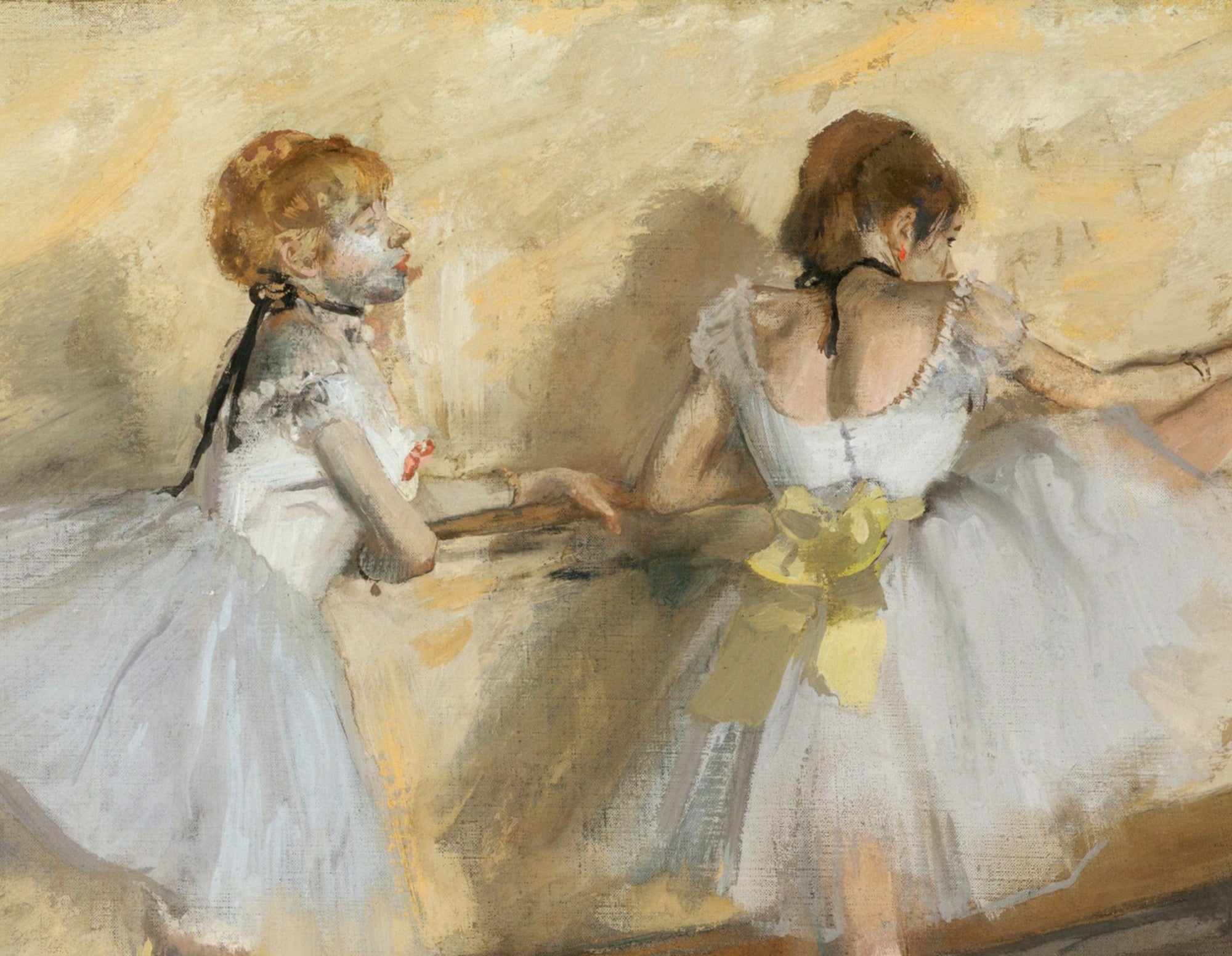
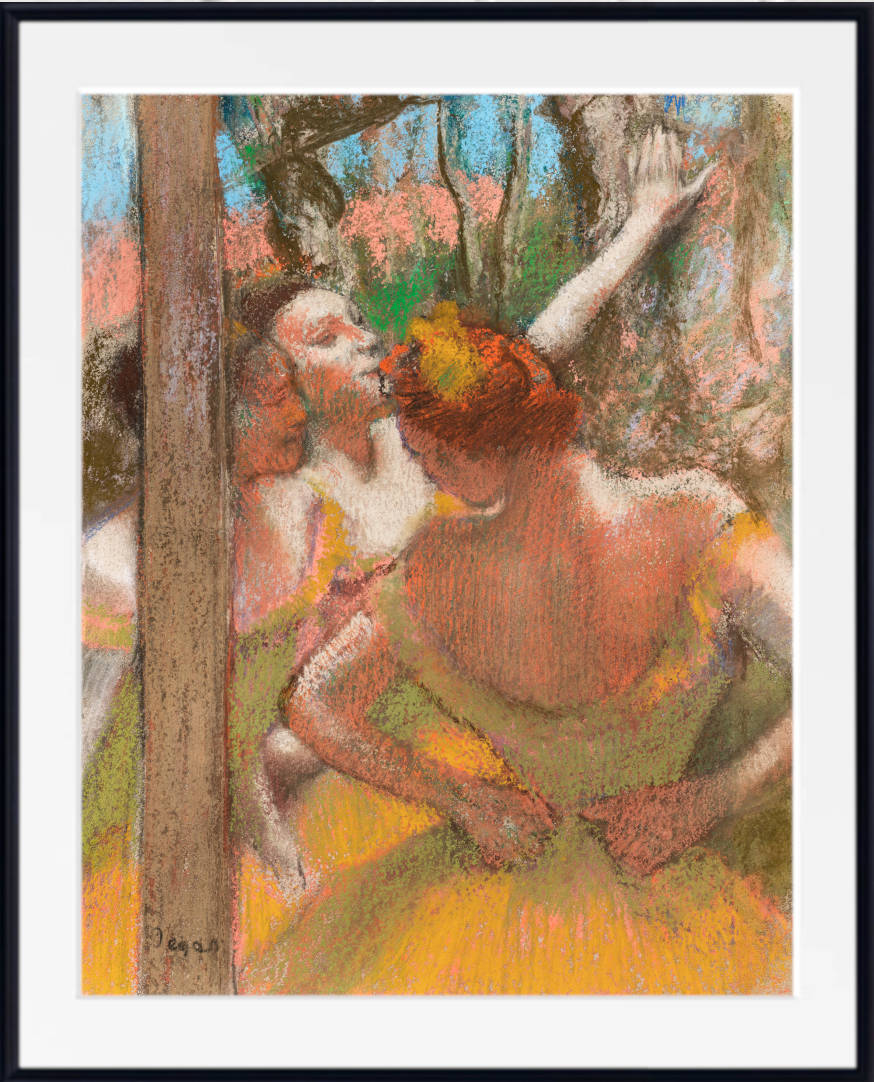
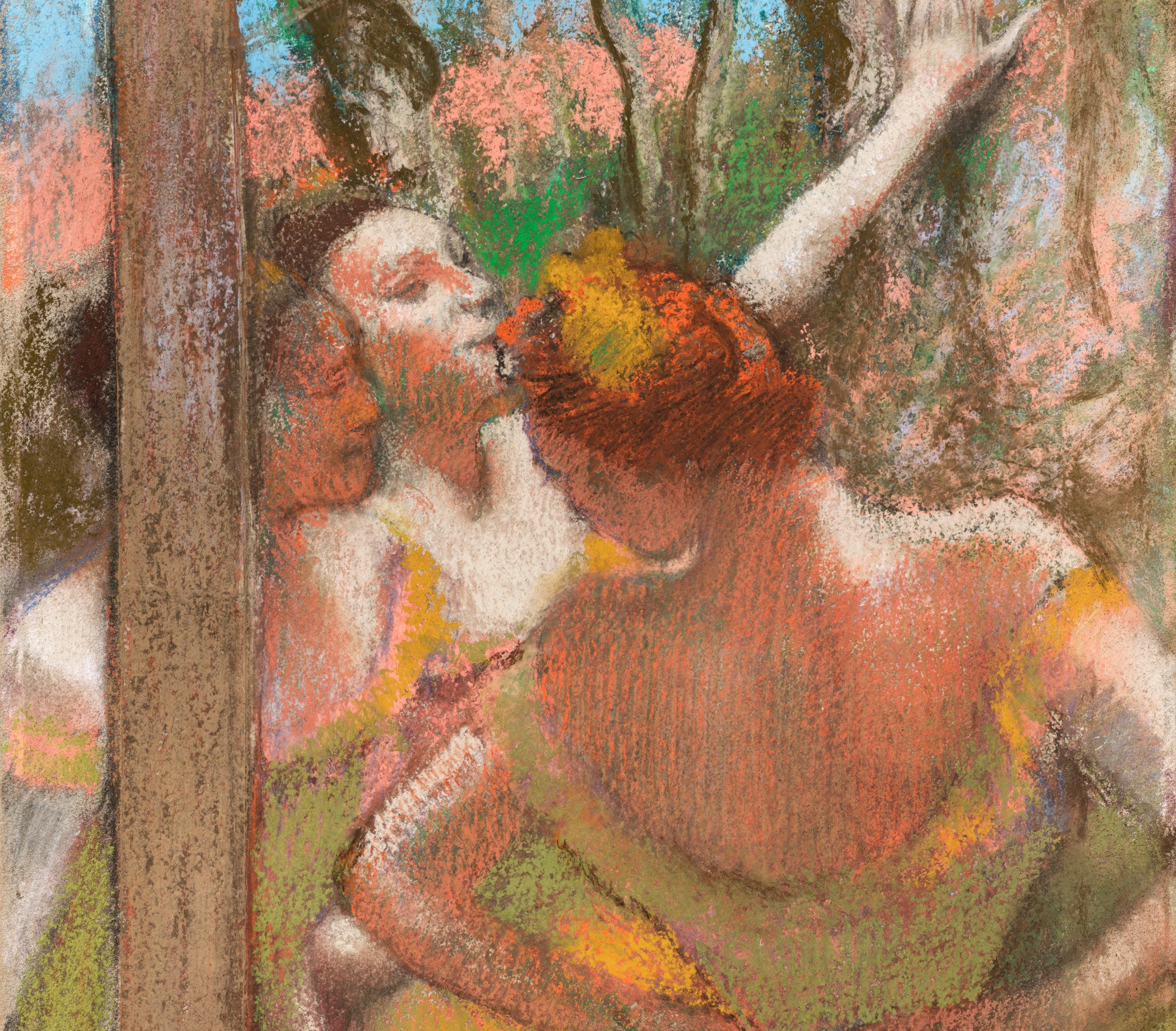
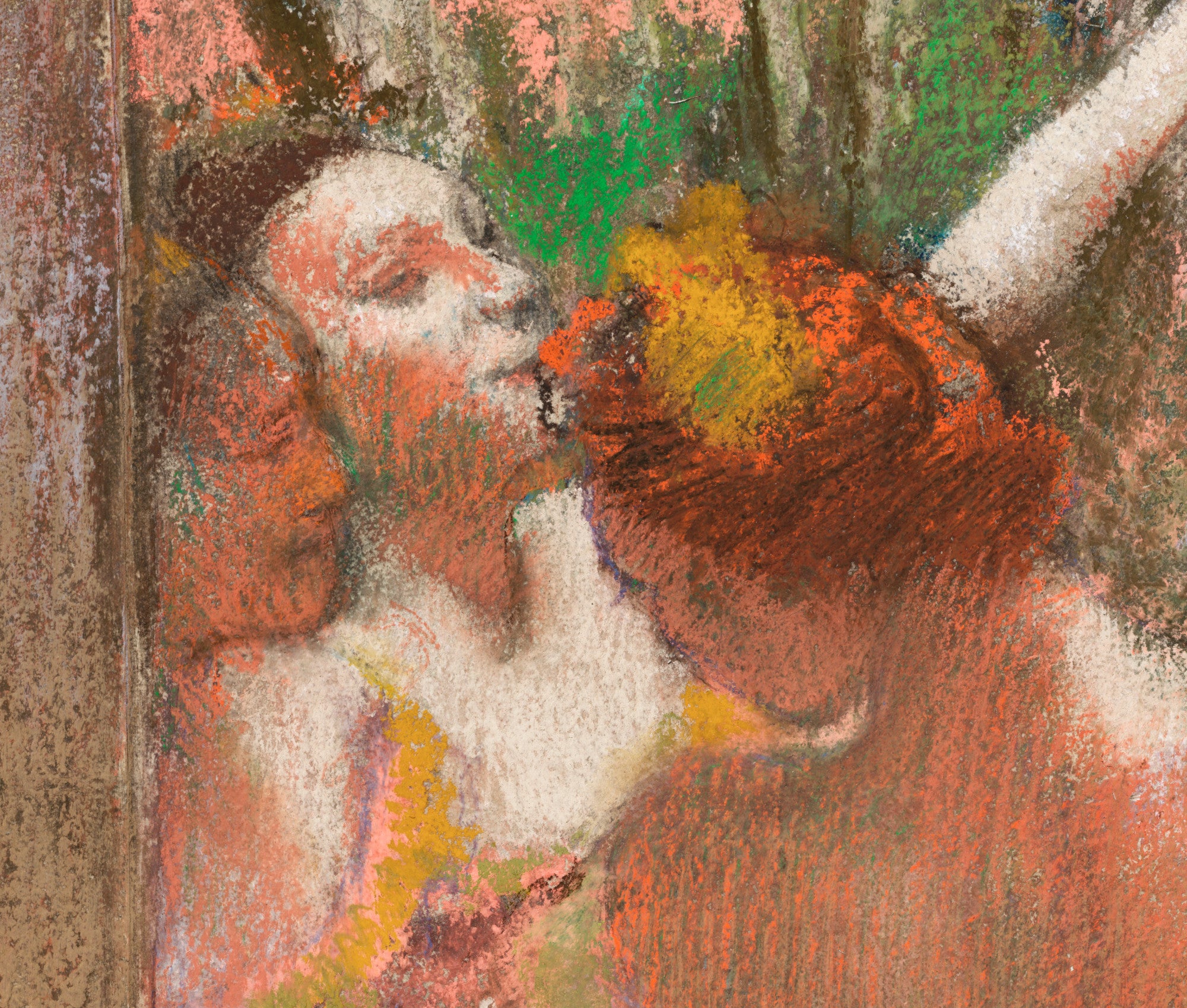
Though he rejected the term "Impressionist," Degas exhibited with the group and shared many of their innovative techniques. His unique contribution lies in his masterful depictions of urban life, particularly his paintings of ballet dancers and horse races. Works like "The Ballet Class" and "L'Absinthe" demonstrate his exceptional ability to capture movement and human psychology.
Edgar Degas Prints
Edgar Degas Biography

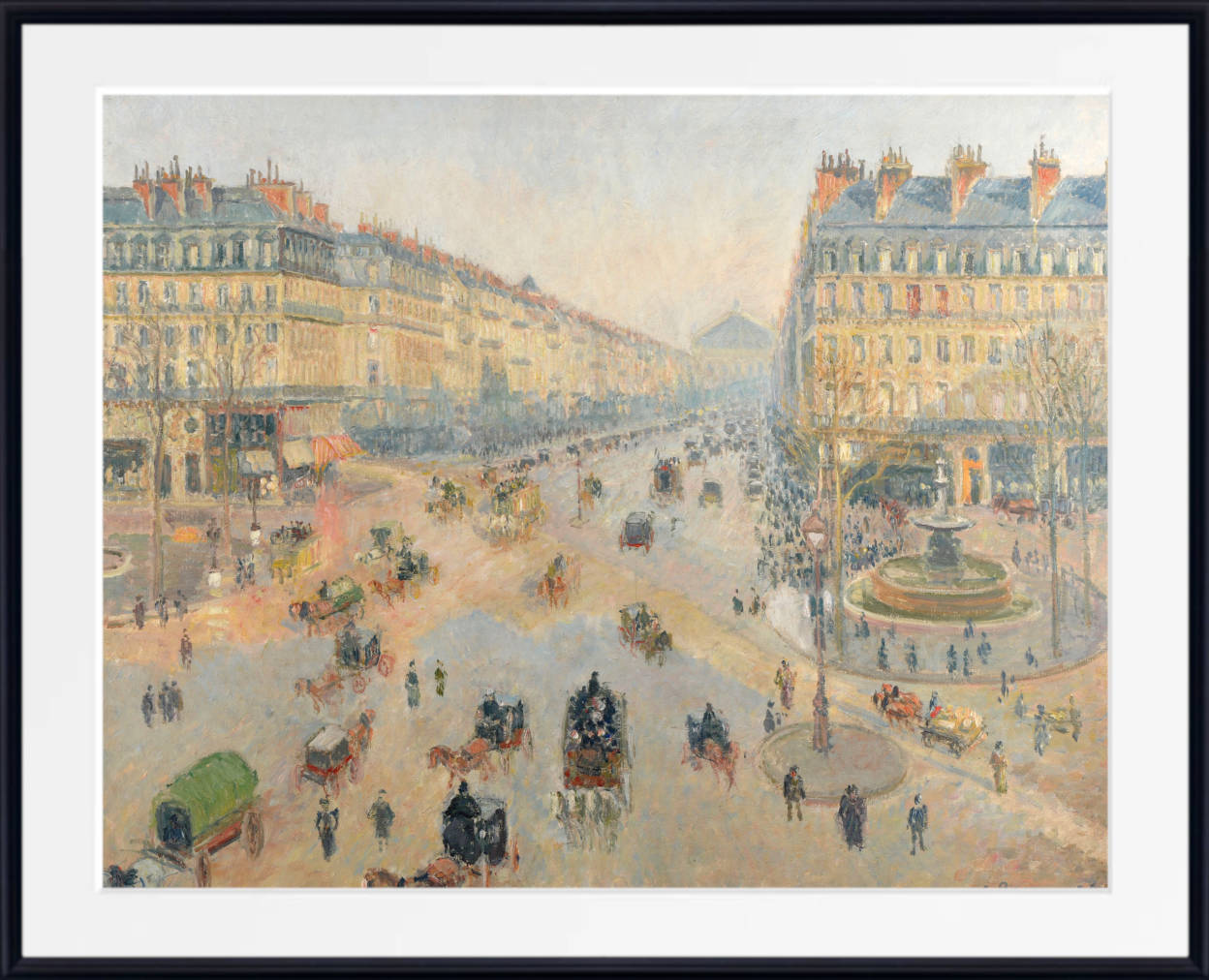
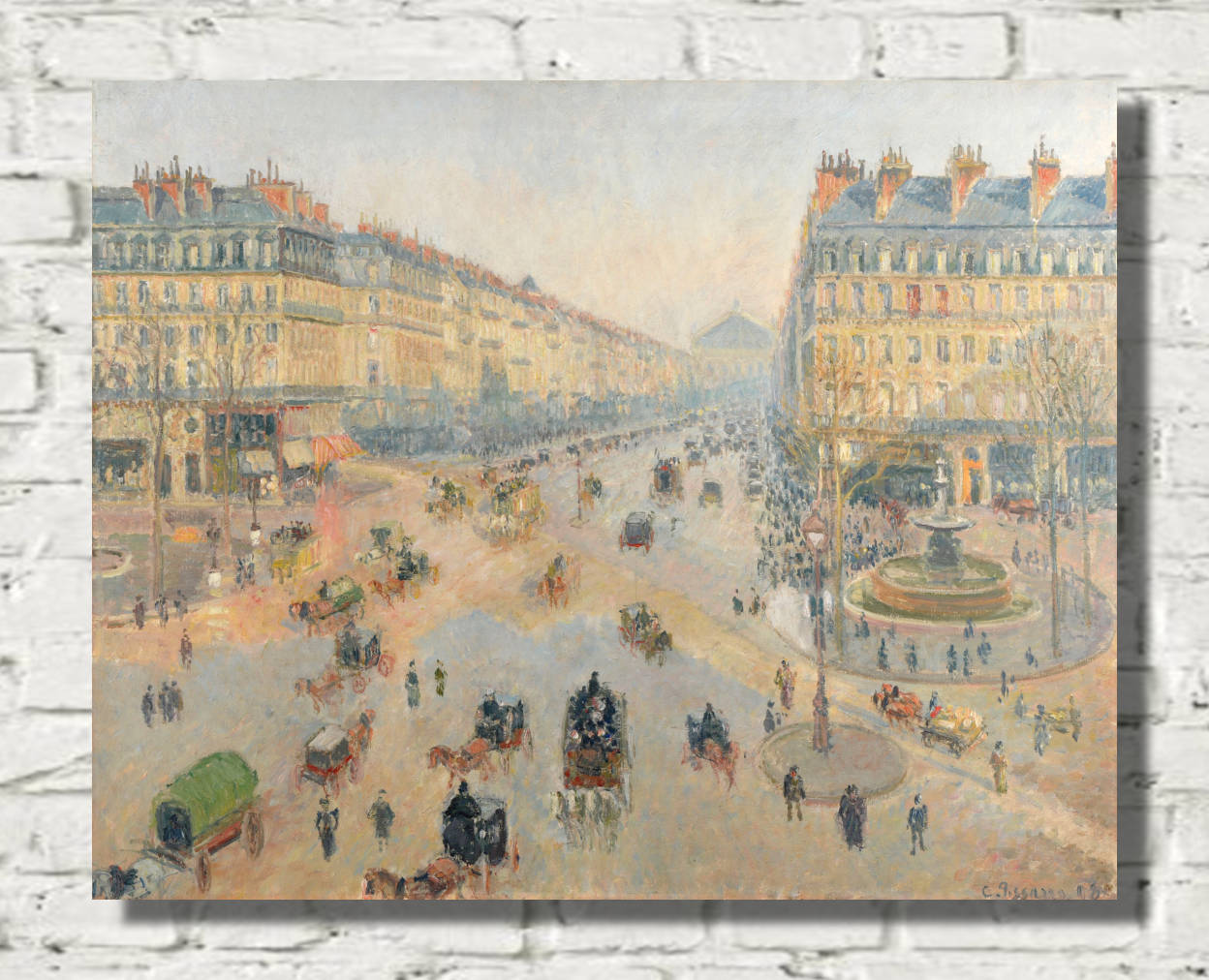
Boulevard Montmartre Winter Morning, Camille Pissarro
Camille Pissarro (1830-1903) 
Often called the "dean of the Impressionist painters," Pissarro was both a pivotal figure and mentor to younger artists. His landscapes and urban scenes, particularly those of Paris and rural France, showcase his masterful handling of light and atmosphere. Pissarro's "Boulevard Montmartre" series demonstrates his ability to capture the changing moods of city life under different weather conditions and times of day.
Camille Pissarro Prints
Camille Pissarro Biography

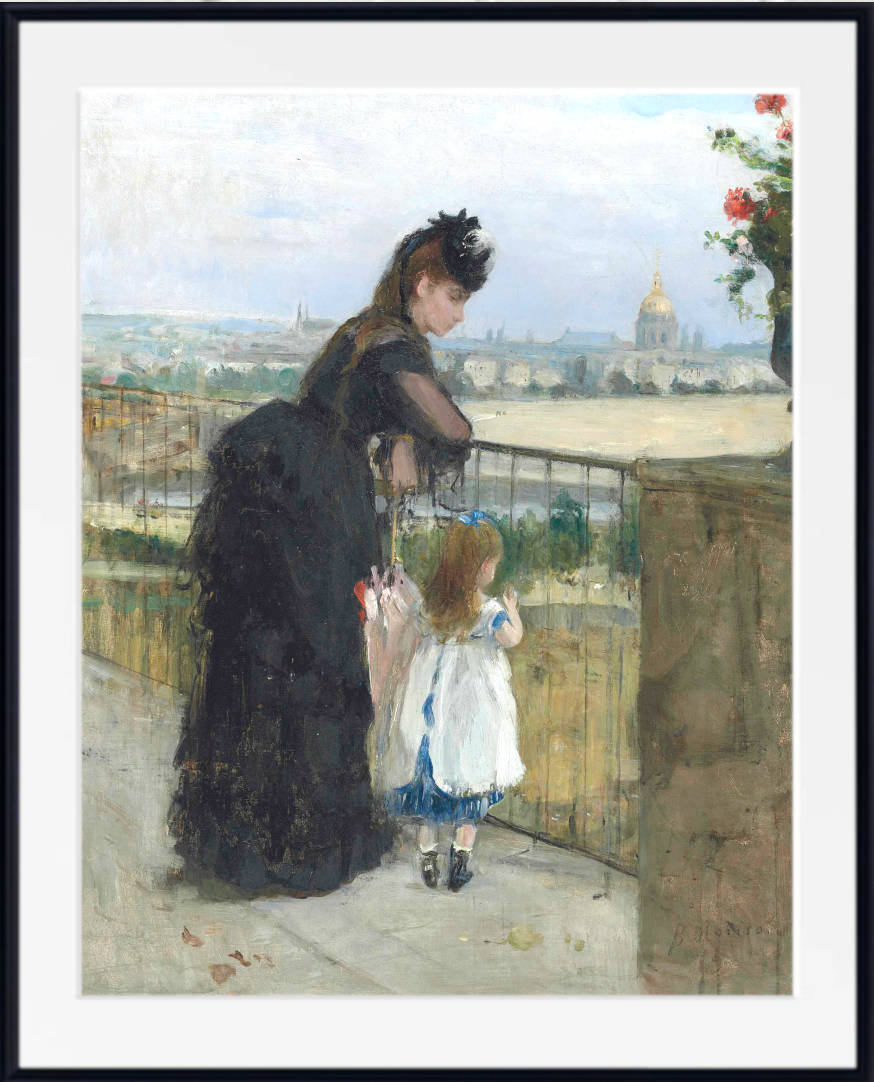
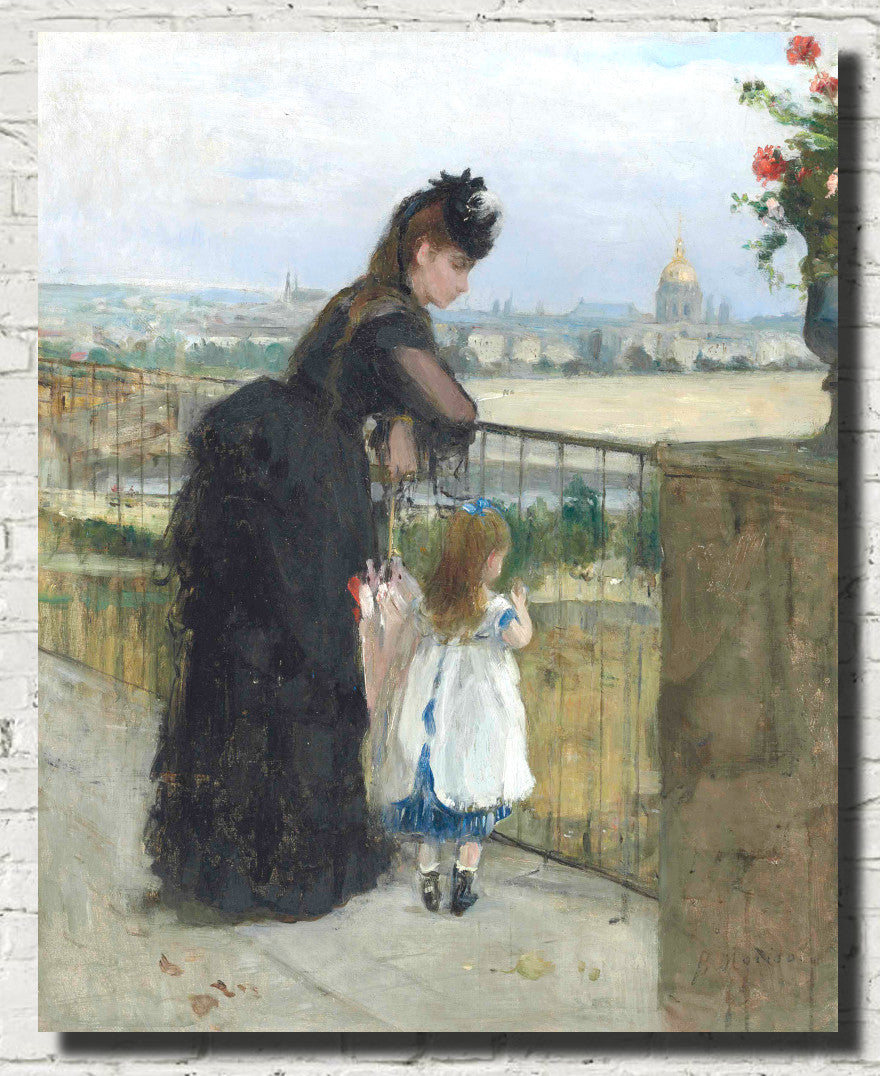
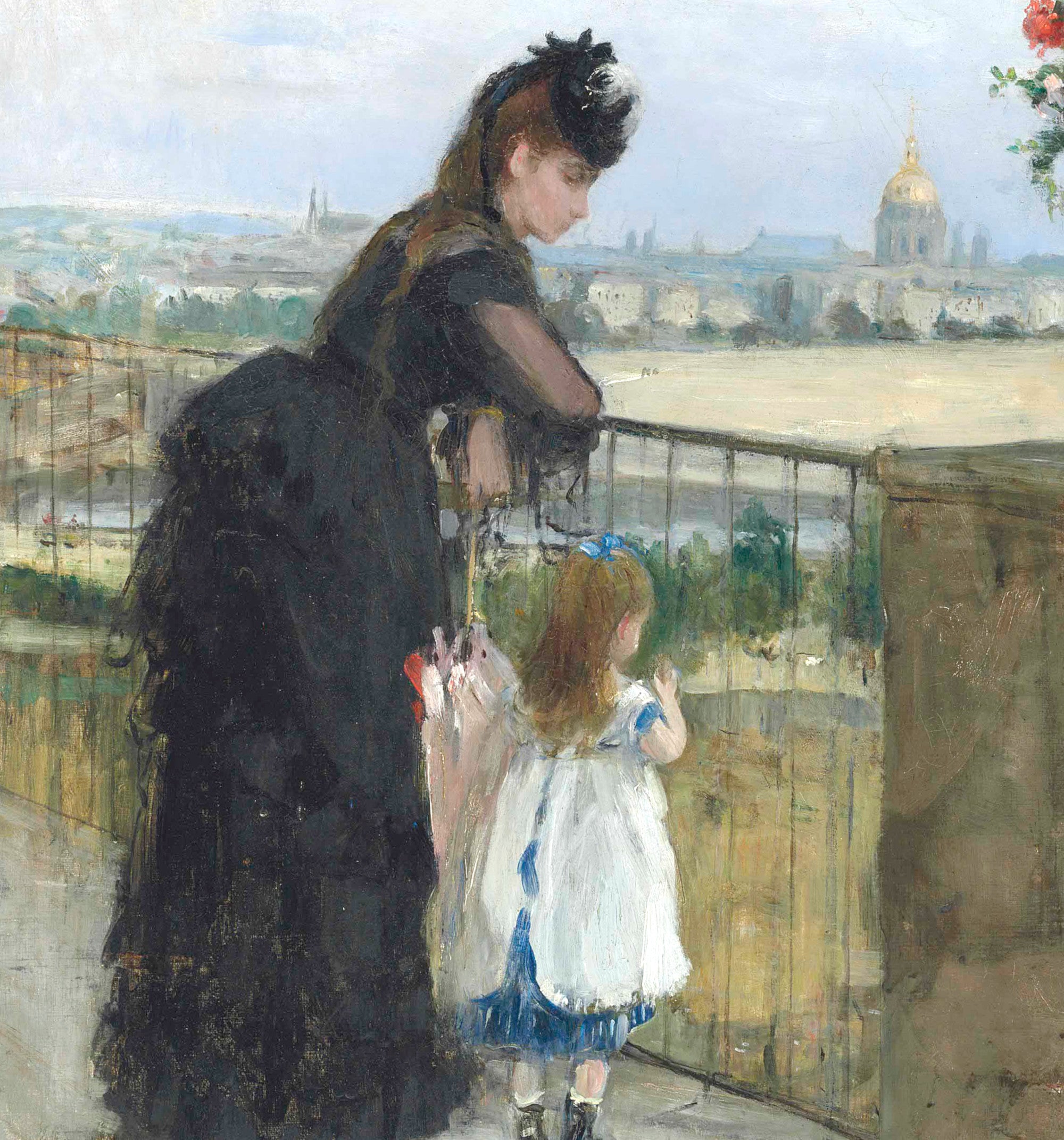
Berthe Morisot (1841-1895) 
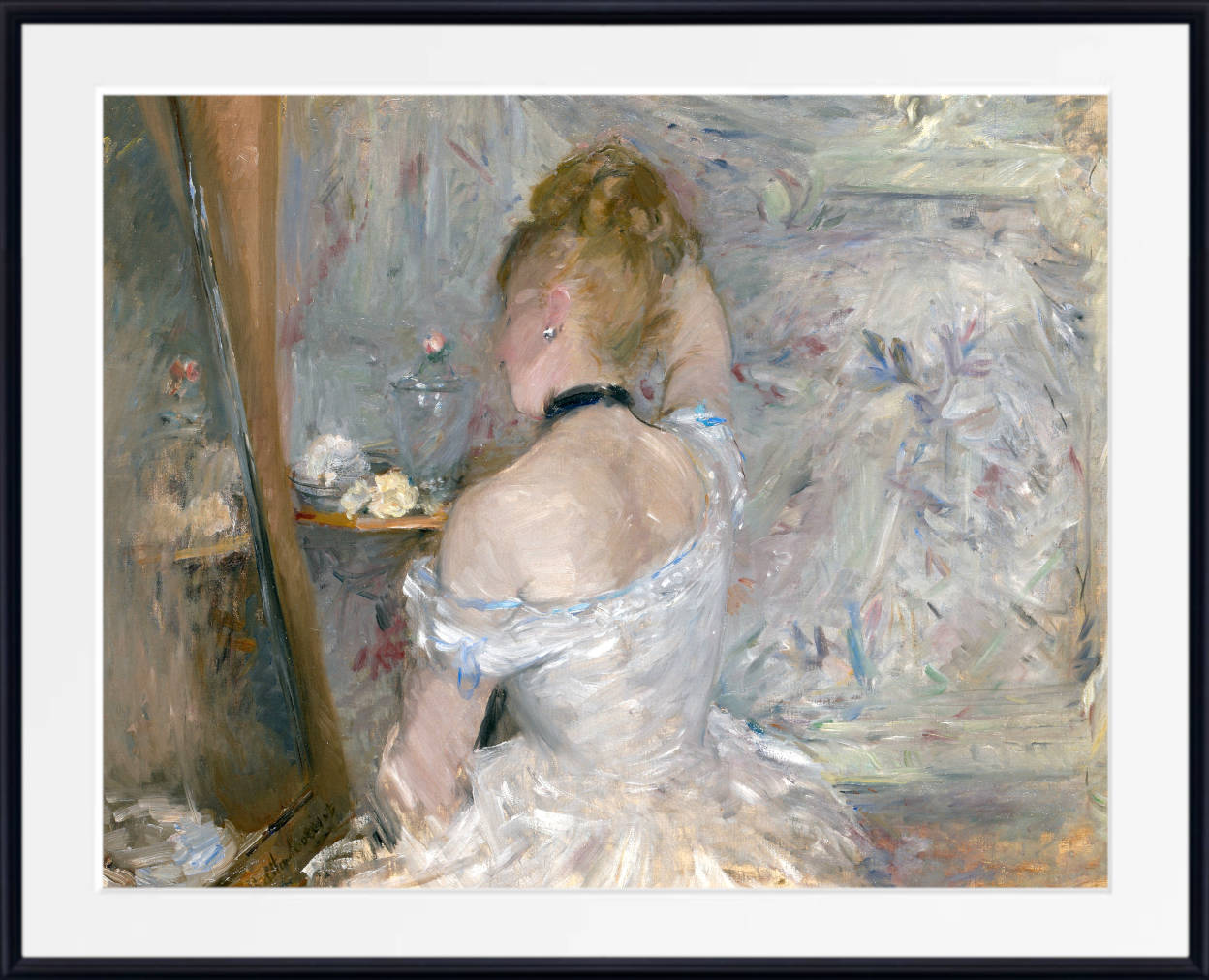
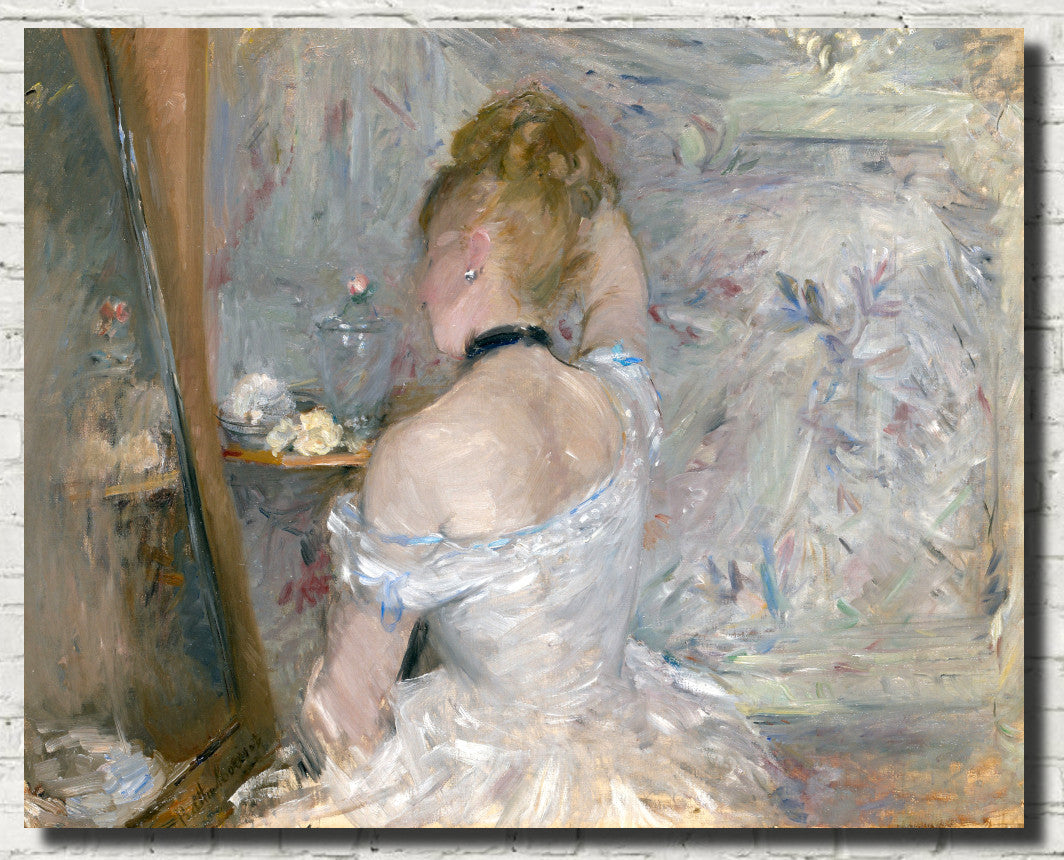
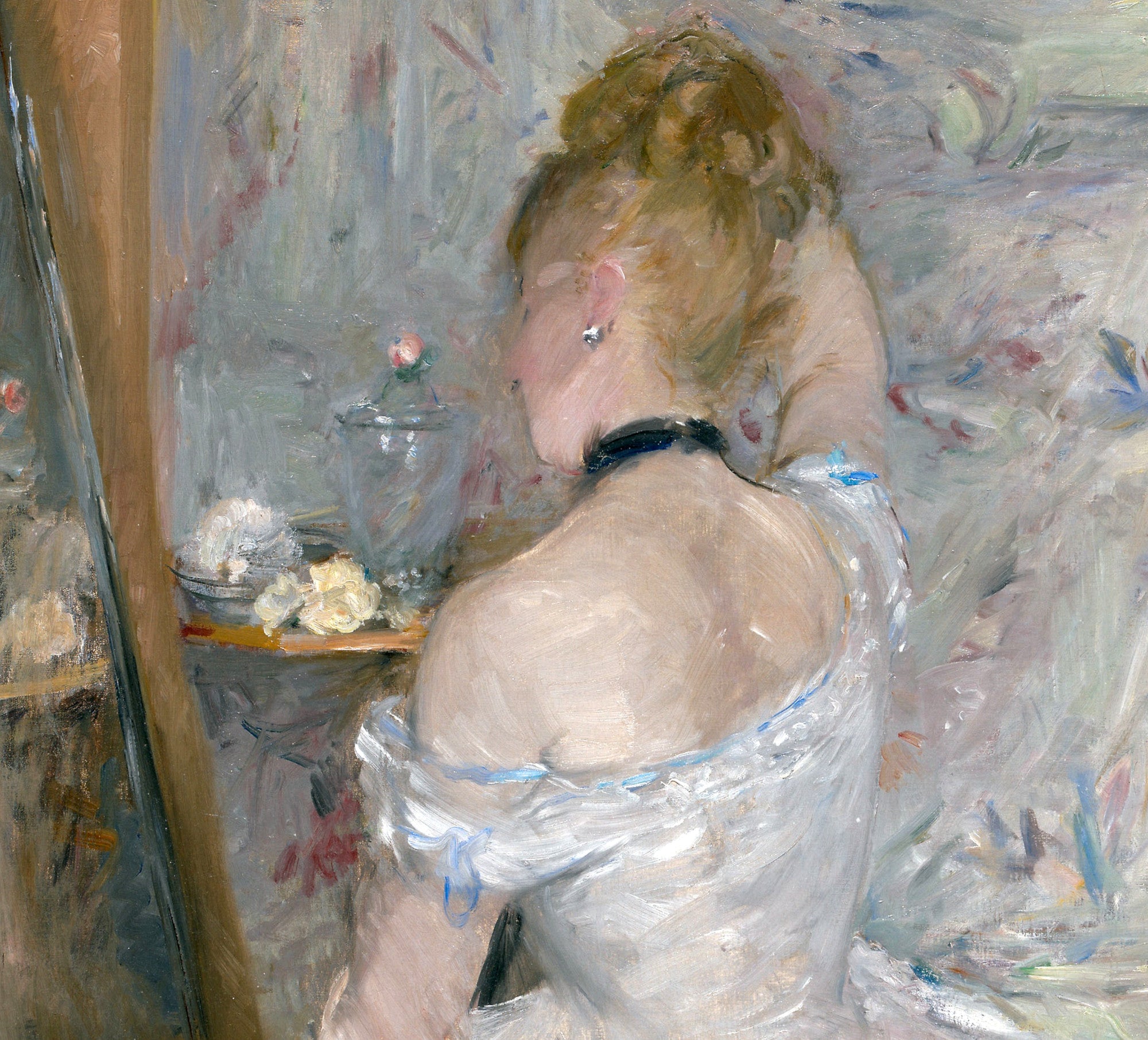
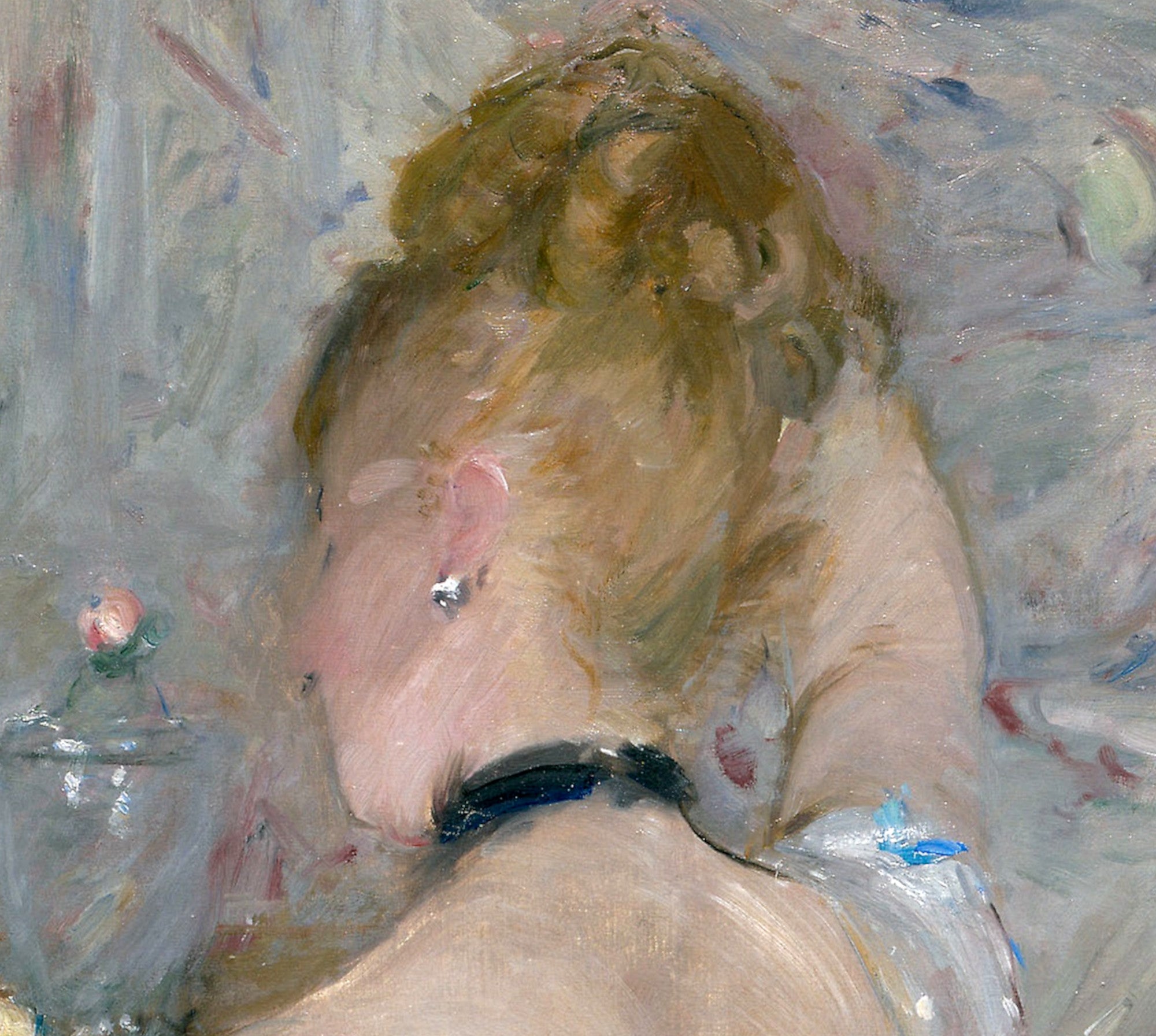
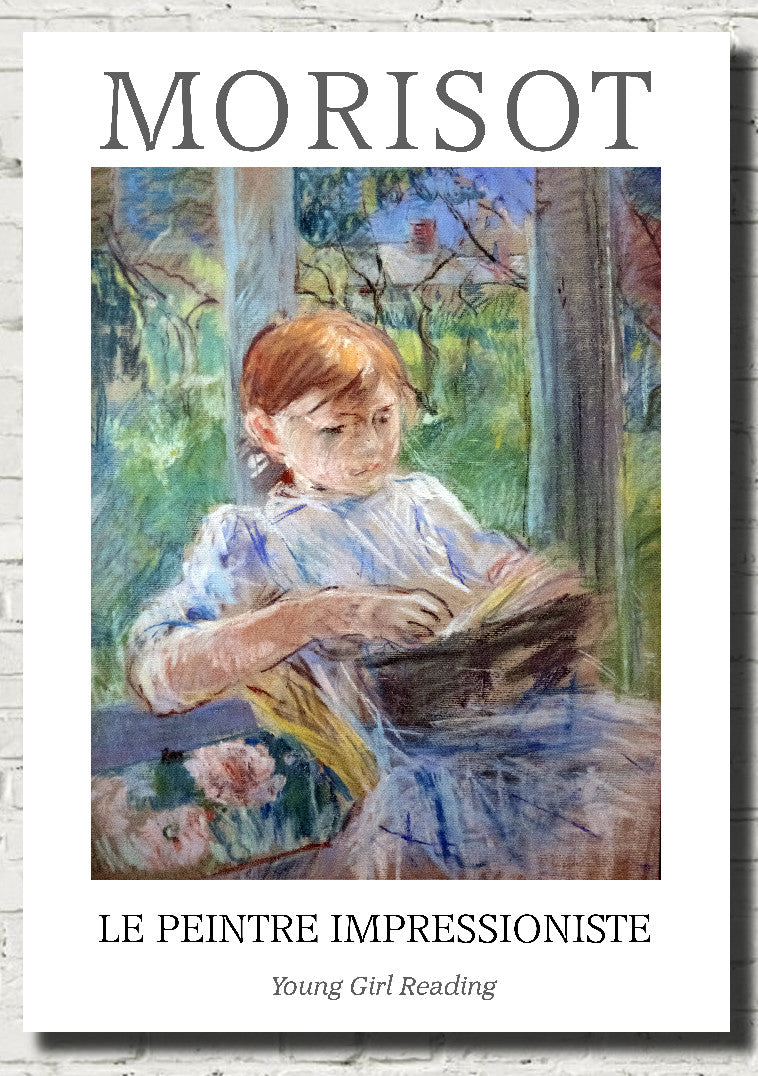
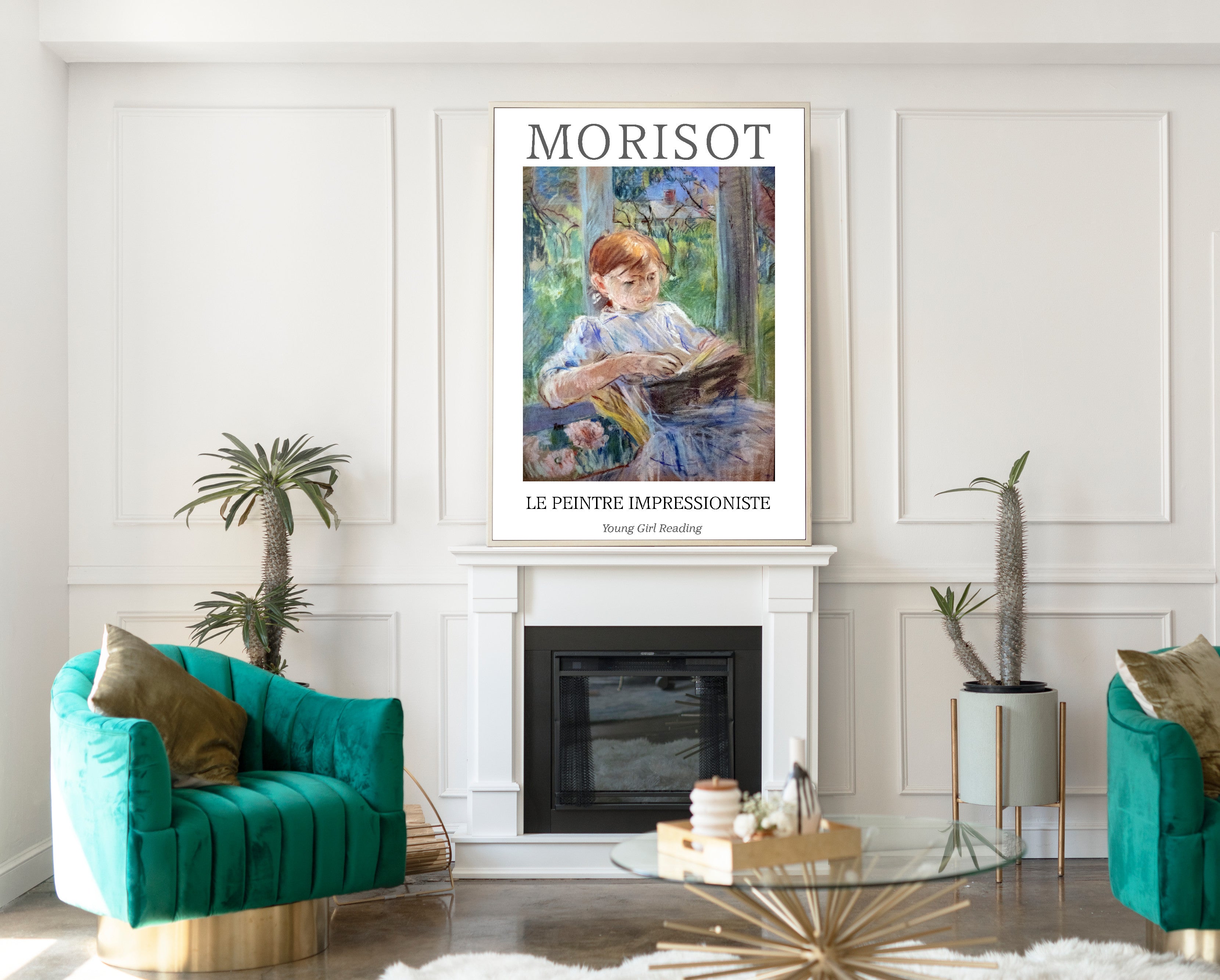
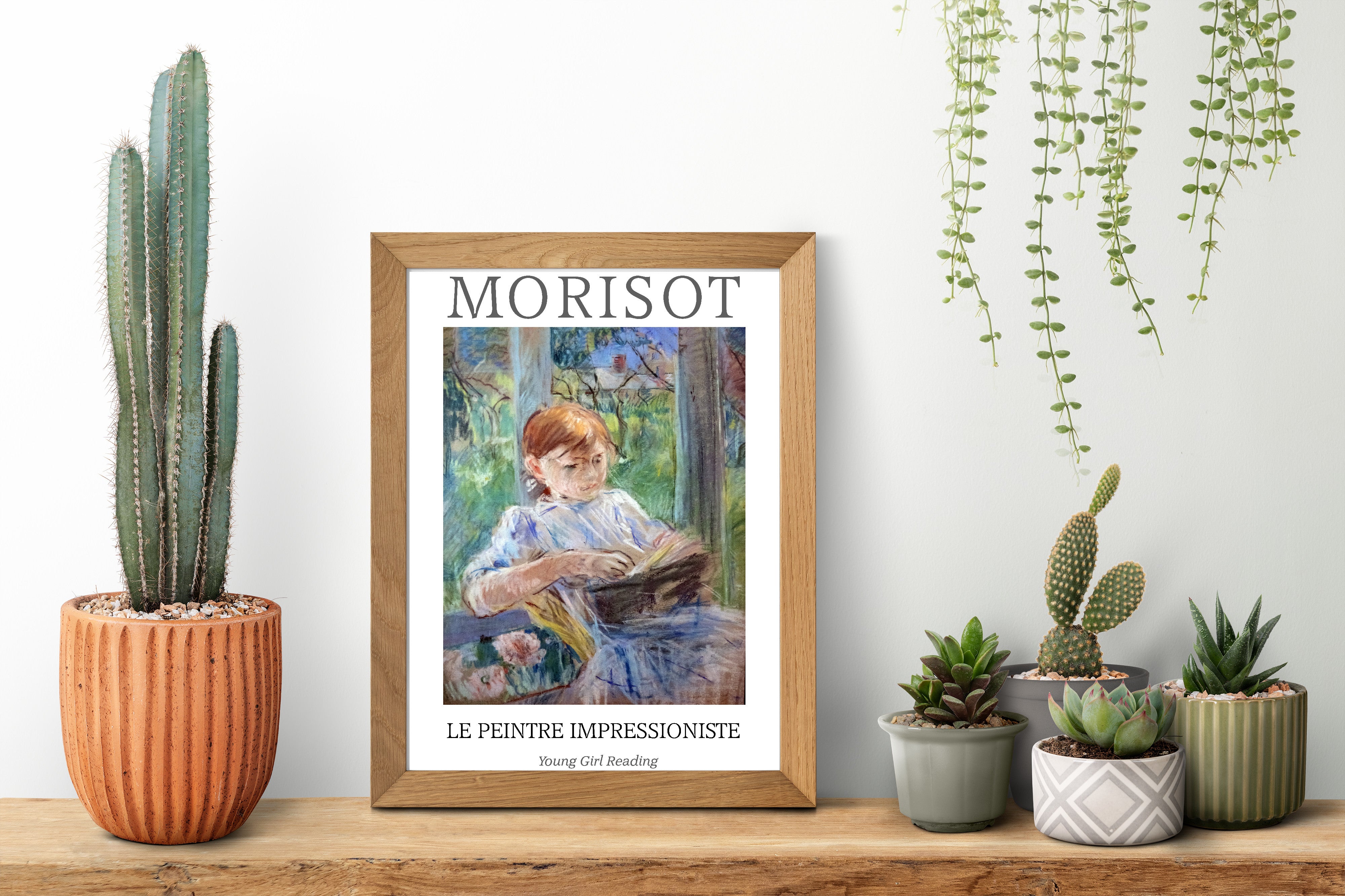
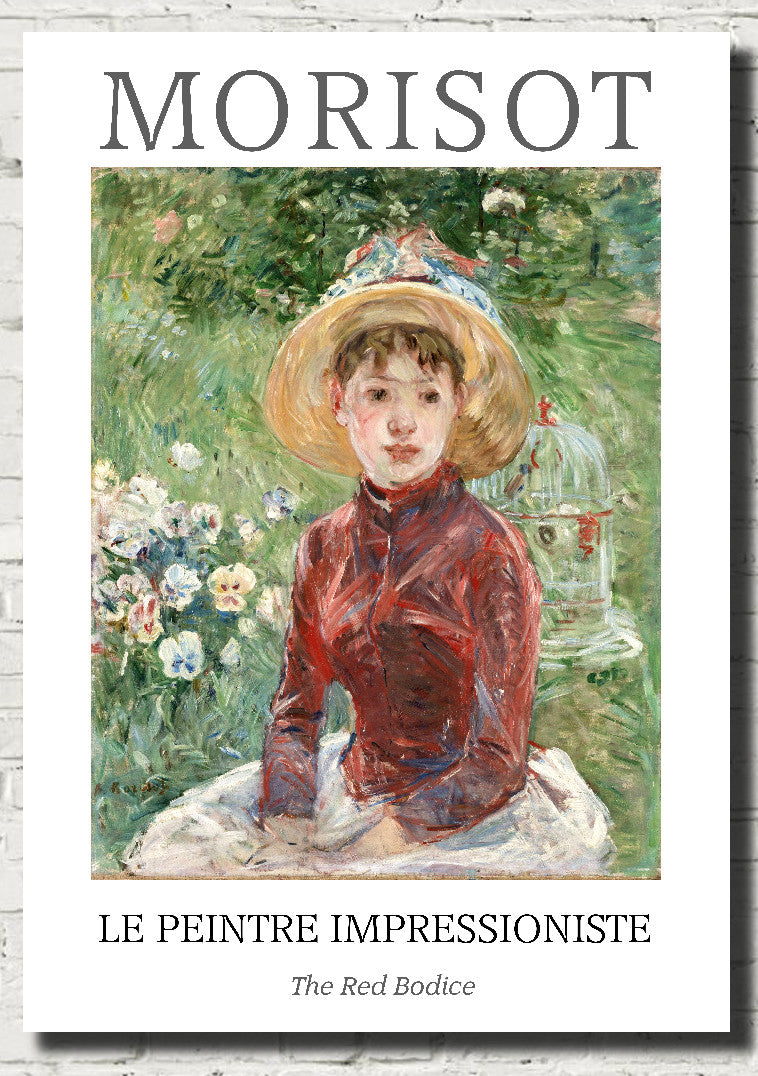
One of the movement's most important female artists, Morisot brought a unique perspective to Impressionism through her intimate domestic scenes and portraits. Her loose, spontaneous brushwork and light palette perfectly captured the feminine sphere of 19th-century Paris. Works like "The Cradle" and "Woman at Her Toilette" showcase her masterful ability to convey emotion and atmosphere.
Berthe Morisot Prints
Berthe Morisot Biography

Snow at Louveciennes, Alfred Sisley
Alfred Sisley (1839-1899) 
Though less well-known than some of his contemporaries, Sisley was one of the most consistent practitioners of Impressionism. His landscapes of the French countryside, particularly along the Seine River, demonstrate his exceptional ability to capture atmospheric effects and seasonal changes. Sisley's "Snow at Louveciennes" series shows his mastery of winter scenes and their subtle color variations.
Alfred Sisley Prints
Alfred Sisley Biography

Little Girl in a Blue Armchair, Mary Cassatt
Mary Cassatt (1844-1926) 
American-born Mary Cassatt brought Impressionism to an international audience while adding her own unique perspective. Her paintings focus on the private lives of women and children, often depicting intimate maternal scenes. Works like "The Child's Bath" and "Little Girl in a Blue Armchair" showcase her brilliant use of color and composition while offering glimpses into domestic life.
Mary Cassatt Prints
Mary Cassatt Biography

Paris Street Rainy Day, Gustave Caillebotte
Gustave Caillebotte (1848-1894) 
Both a painter and patron of the arts, Caillebotte brought a more realistic style to Impressionism. His urban scenes of Paris, such as "Paris Street, Rainy Day," combine Impressionist techniques with precise draftsmanship. His unique perspective and bold compositions influenced modern photography and cinema.
Gustave Caillebotte Prints
Gustave Caillebotte Biography
These artists represent the core of the Impressionist movement, each contributing their unique vision while sharing a revolutionary approach to painting. Their emphasis on modern life, natural light, and visible brushwork changed the course of art history. Today, their works continue to inspire artists and delight viewers worldwide, hanging in major museums and commanding some of the highest prices in the art market.
Whether you're a seasoned art enthusiast or just beginning to explore Impressionism, understanding these key figures provides essential context for appreciating one of art history's most beloved movements. Their innovative techniques and fresh perspective on the world continue to influence contemporary artists and remind us to find beauty in everyday moments.
Related Articles
The Impressionists