
Robert Polhill Bevan Prints – Markets, Horses & London Streets
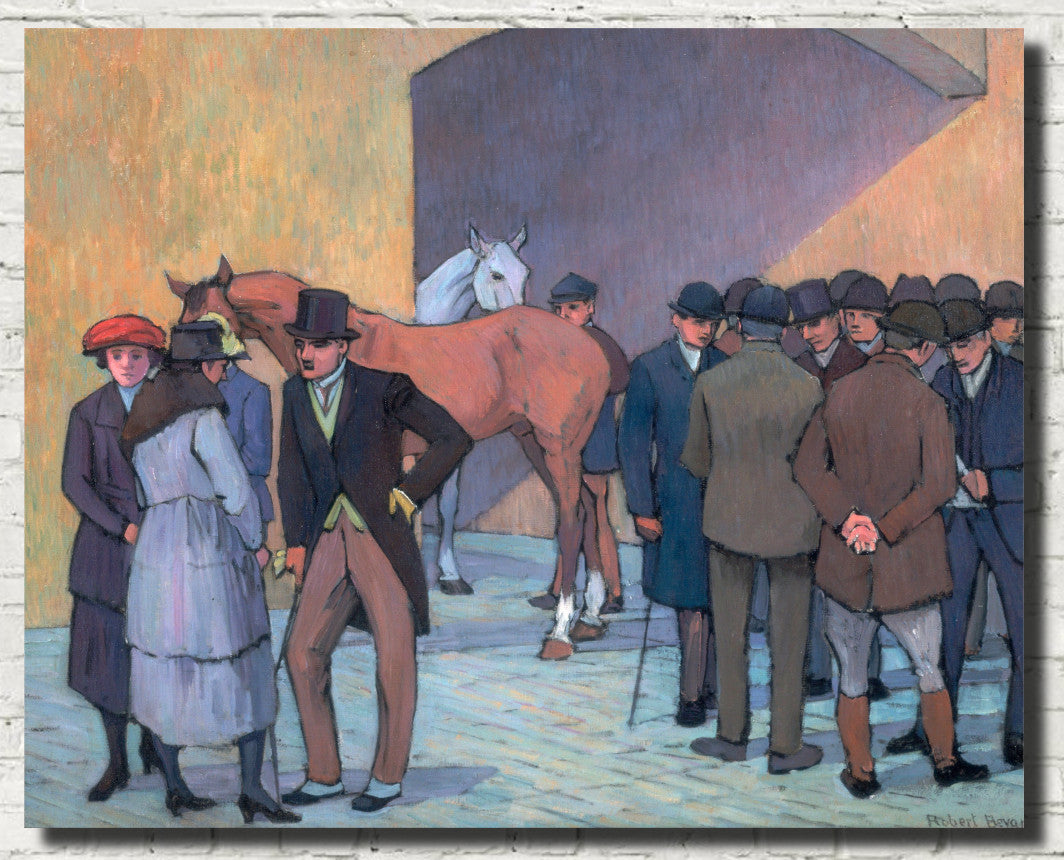
Robert Polhill Bevan prints organise working streets and fields through clear-edged shapes and closely related colours. Horses connect rural labour with the city’s carts and markets. Browse these settings alongside Walter Sickert, Harold Gilman and urban art, comparing human activity with the structures around it.
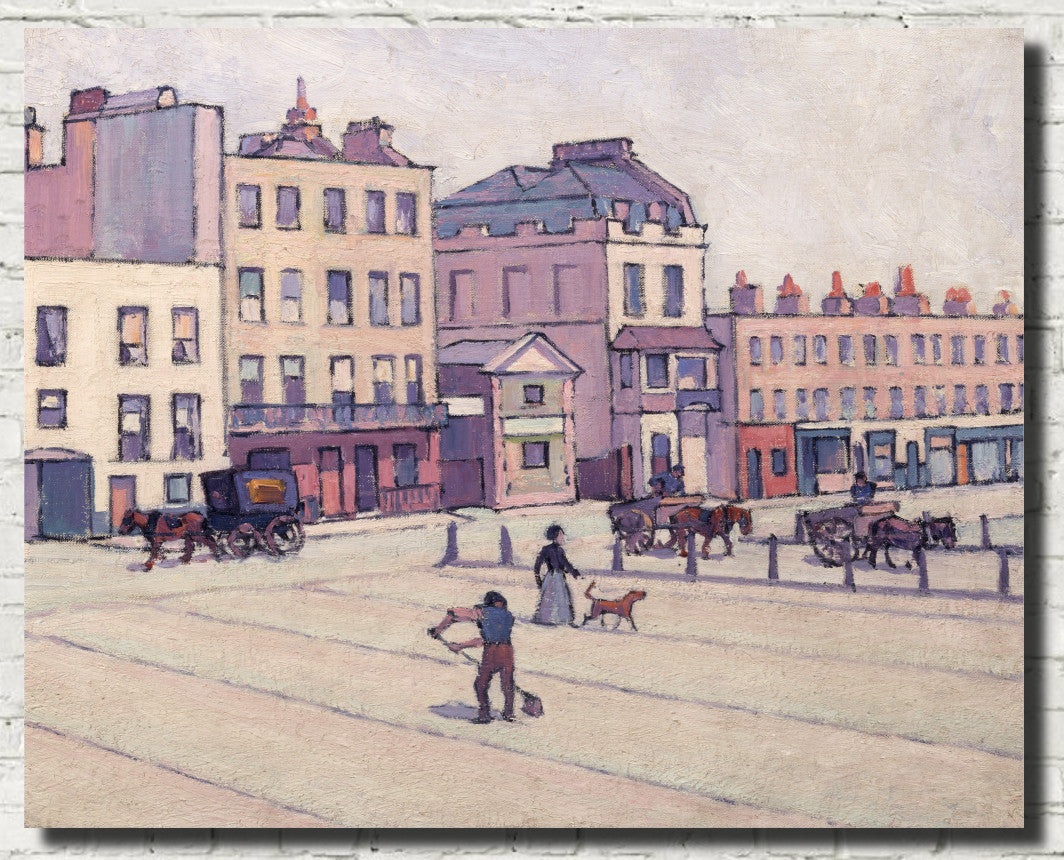
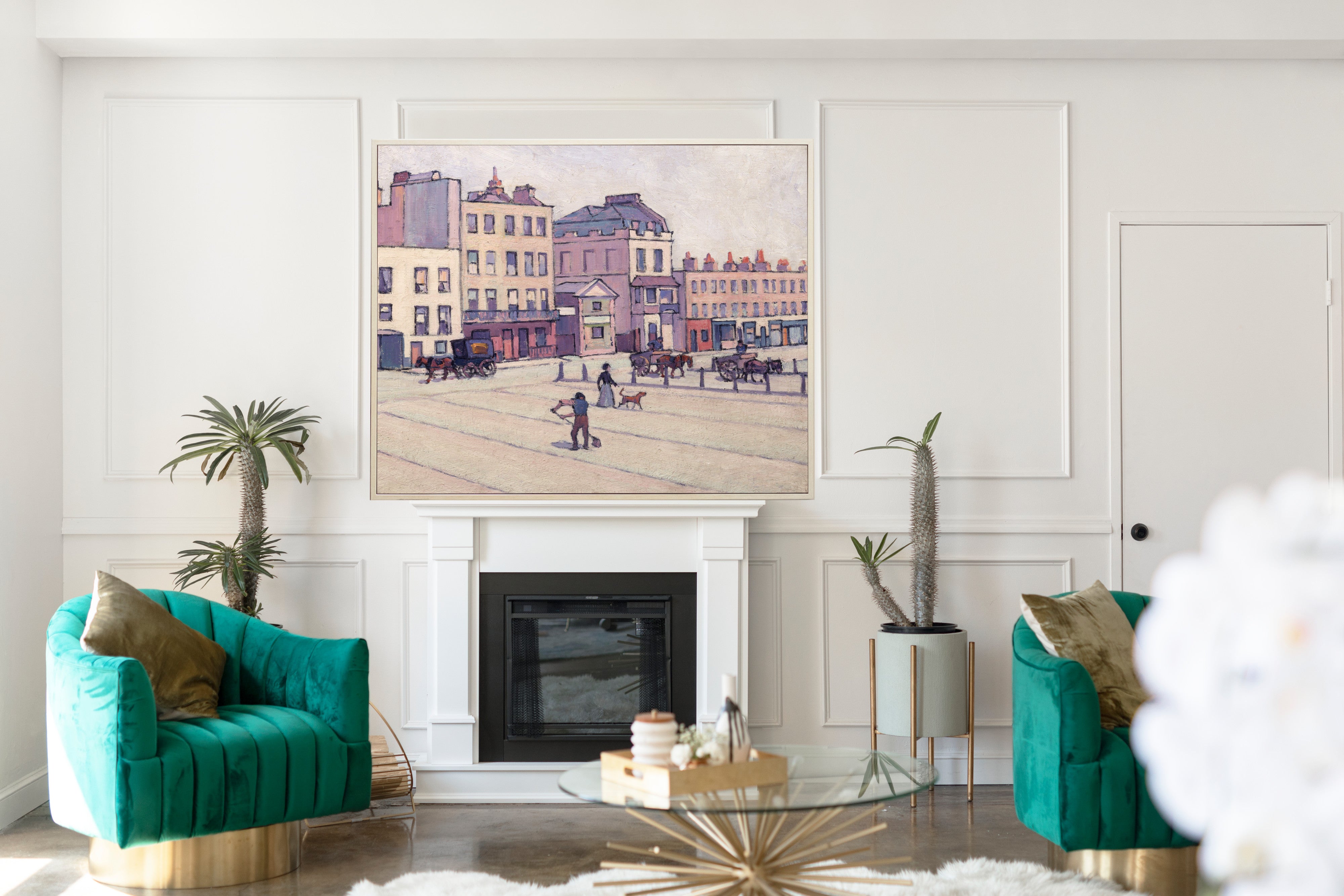
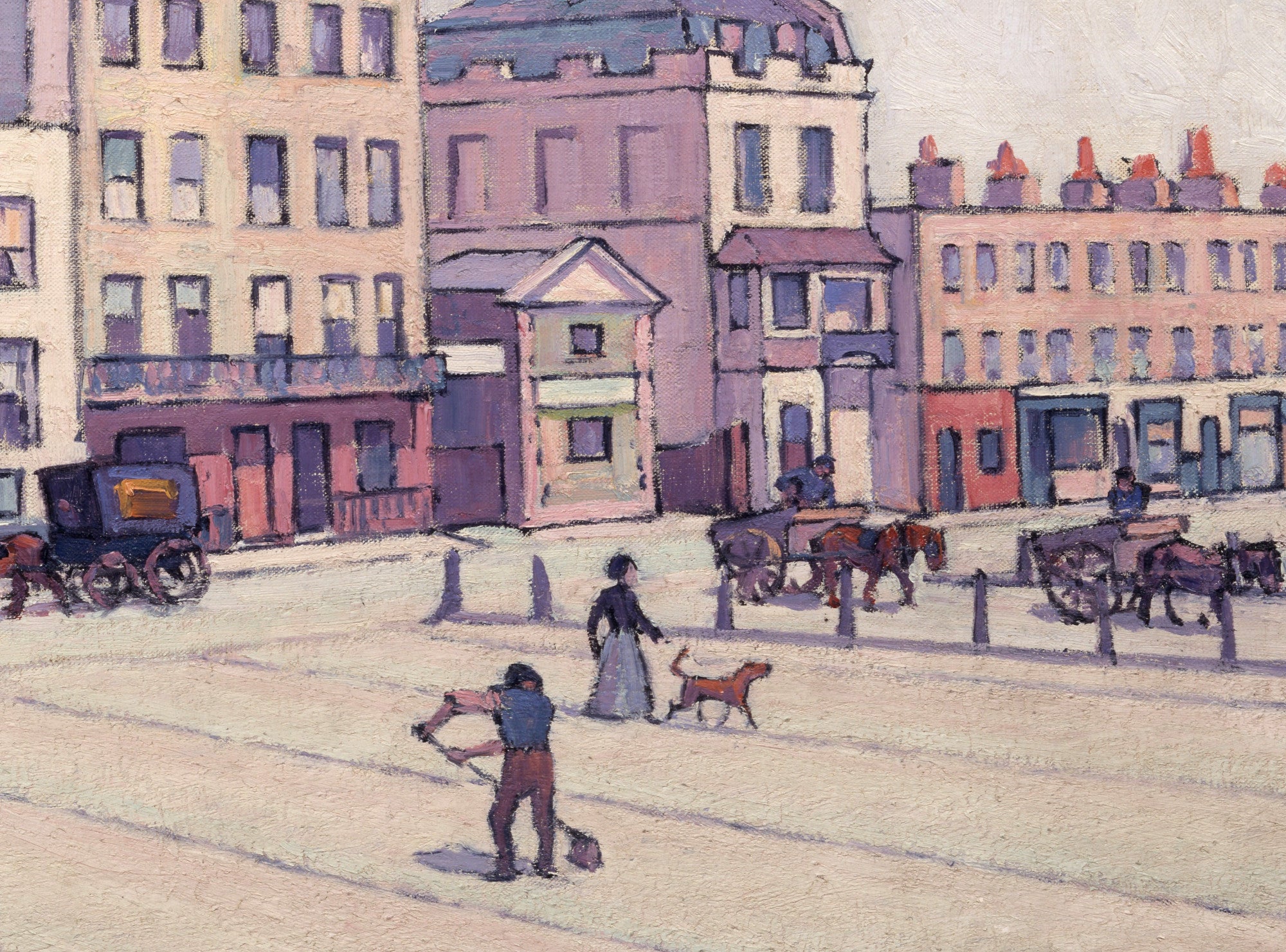
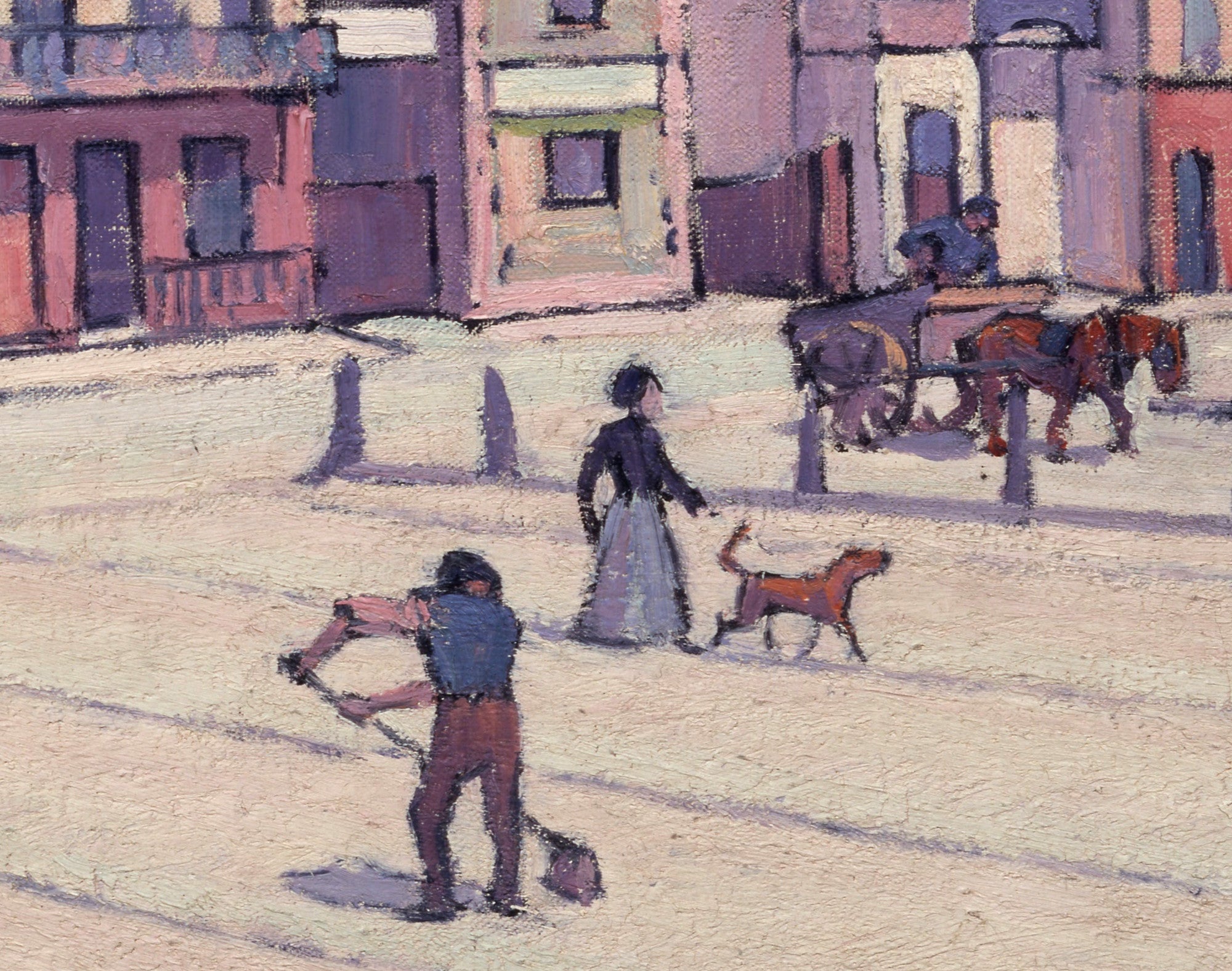
Figures and carts across an open square
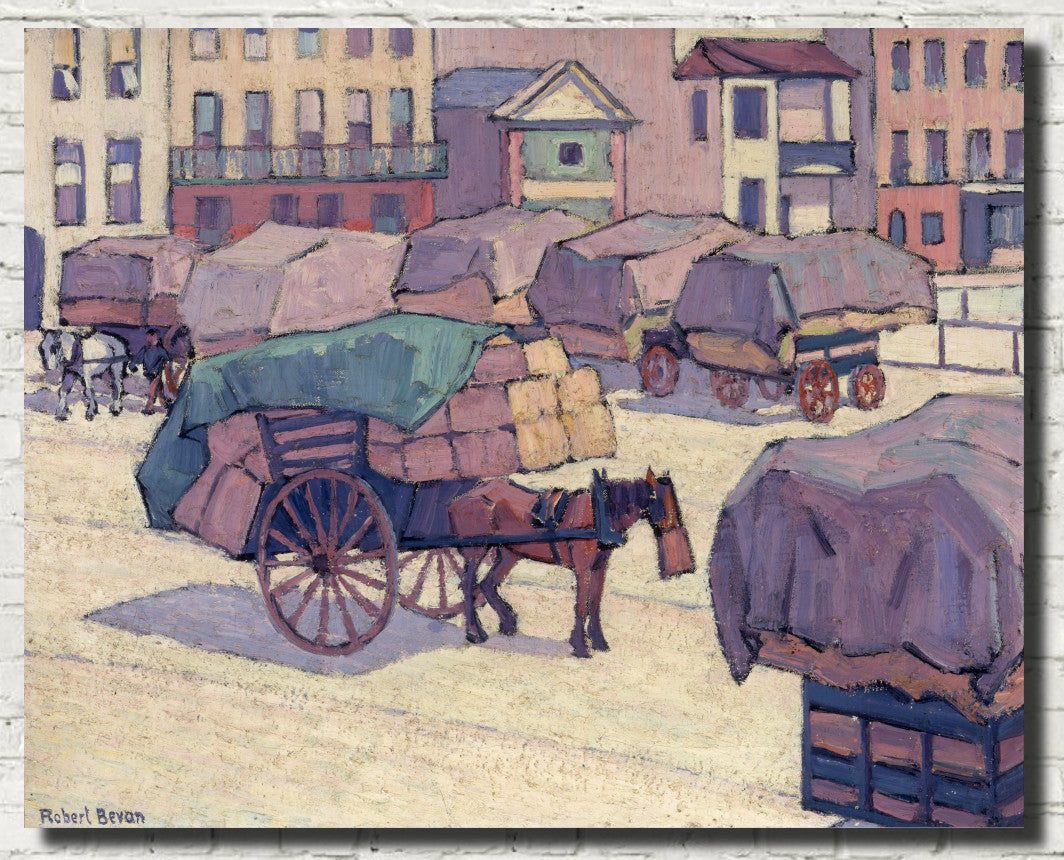
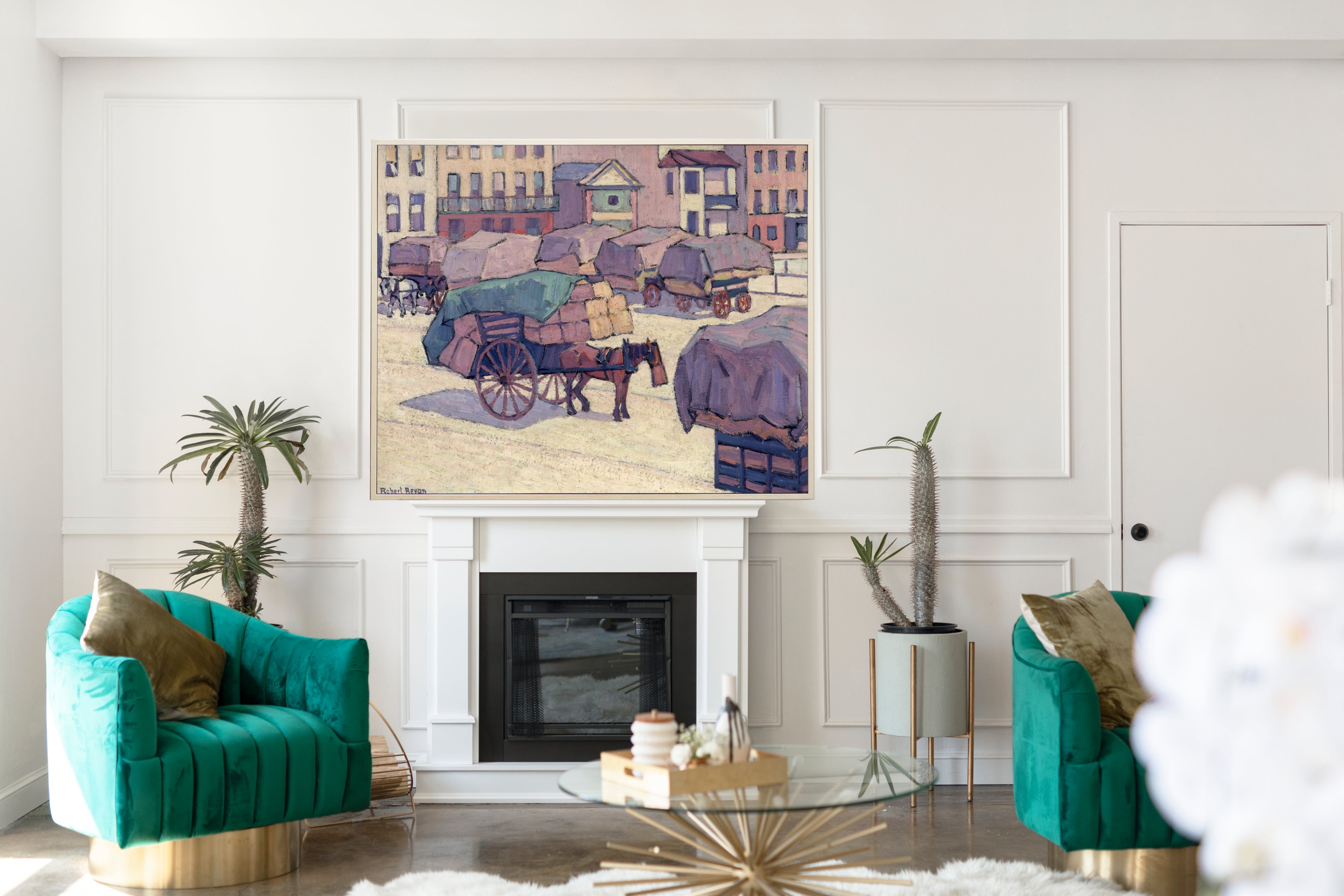
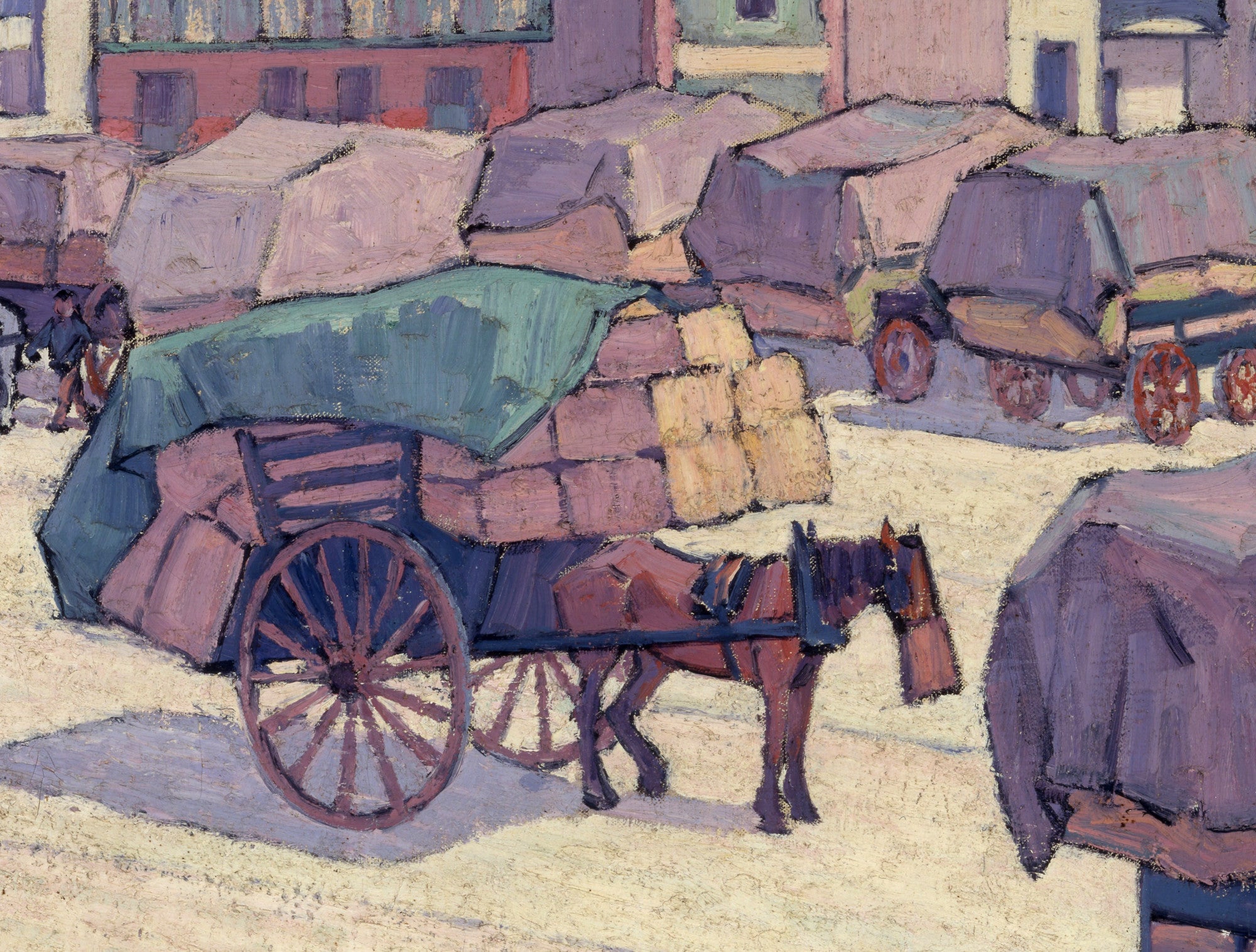
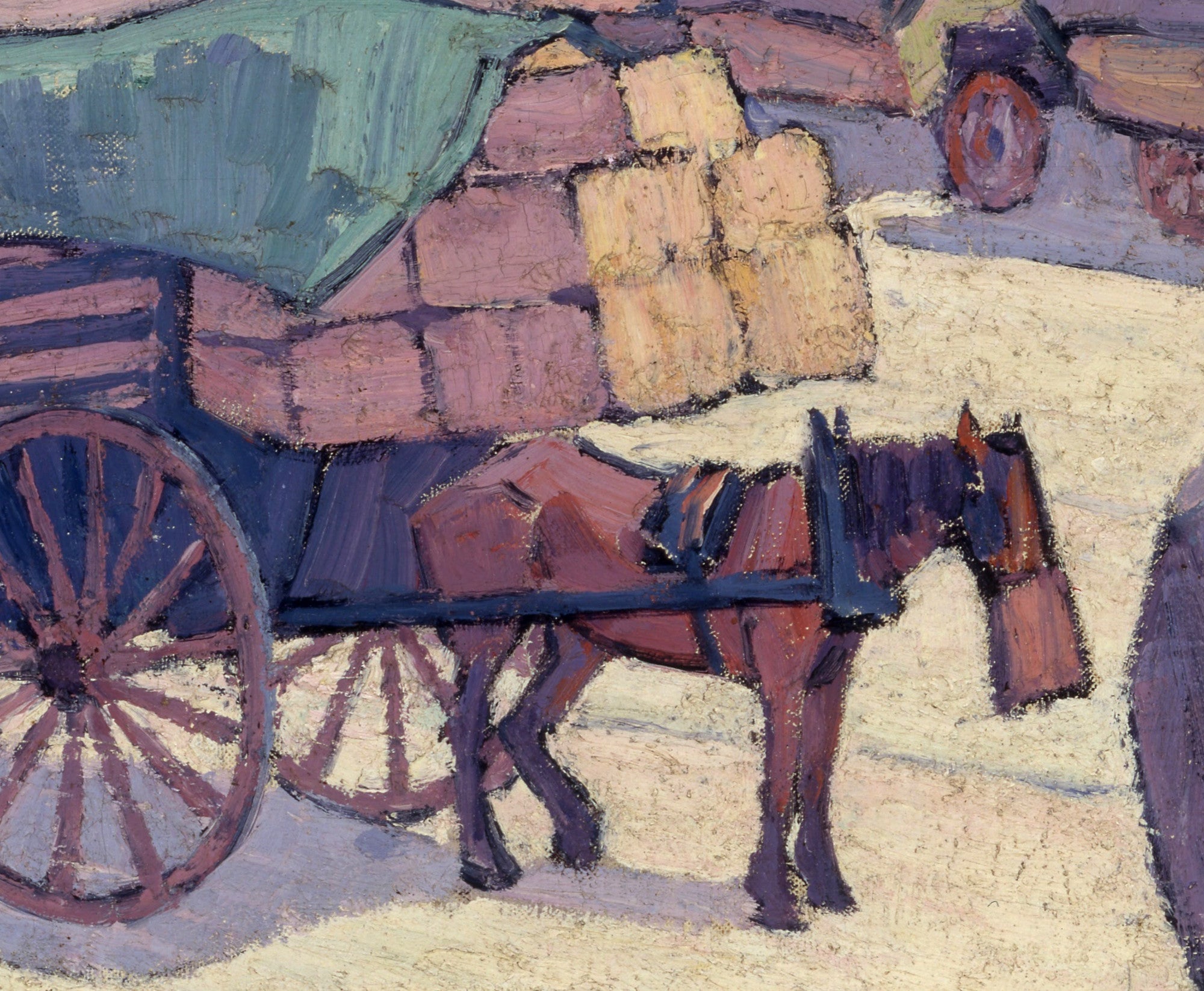
The Weigh House, Cumberland Market sets small workers and horses before a row of pale façades. Wide areas of street leave space between the separate activities. Simplified windows and upright building edges give the scene a steady pattern against which the scattered bodies, carts and shadows remain easy to distinguish.
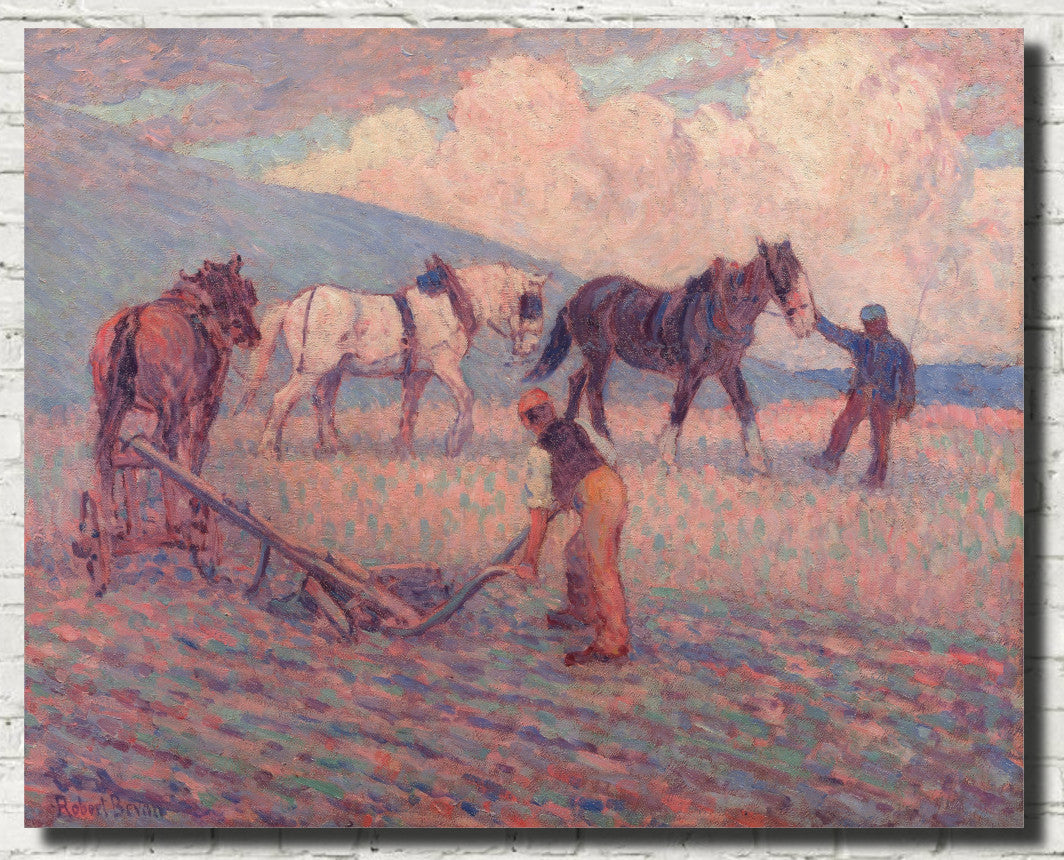
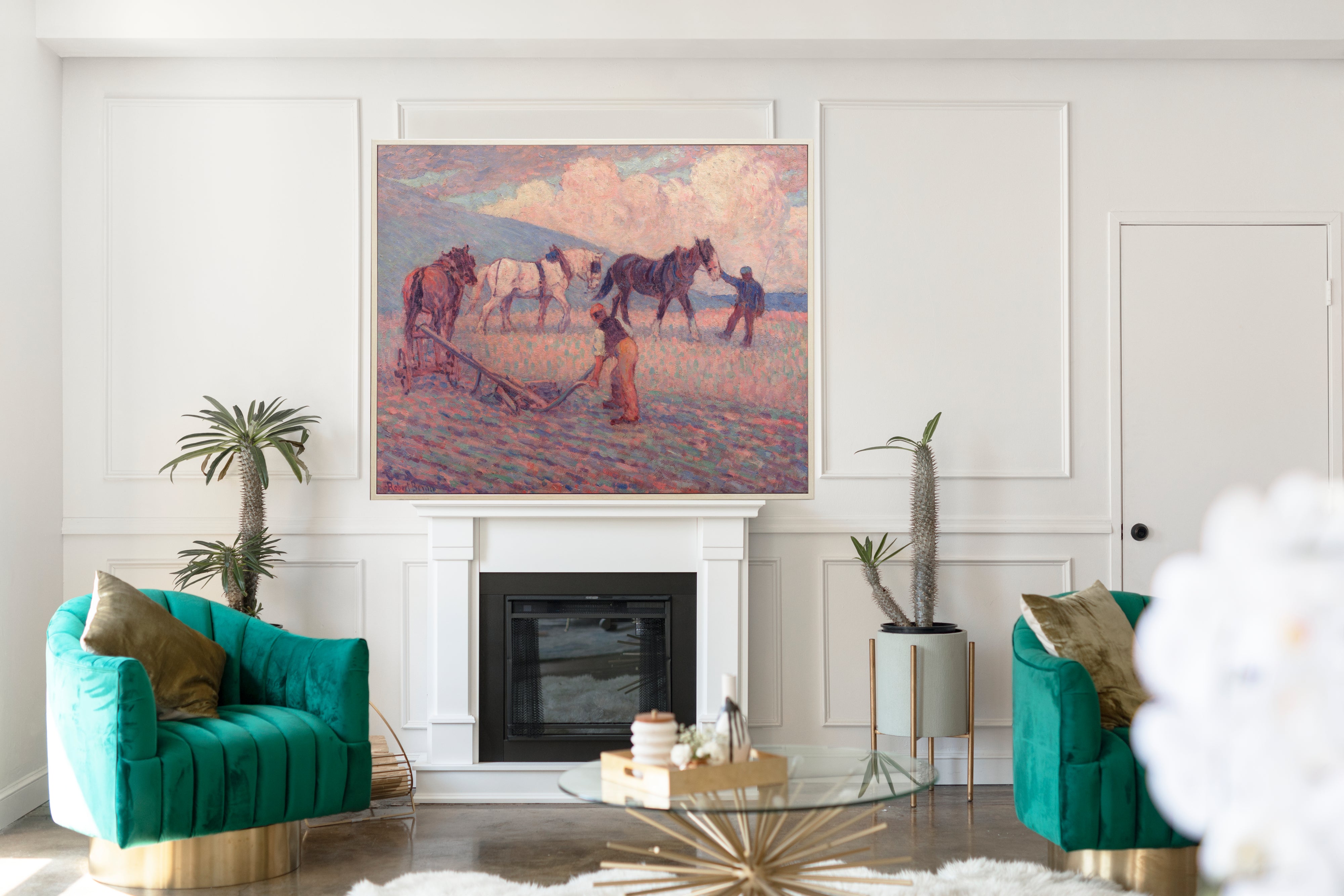
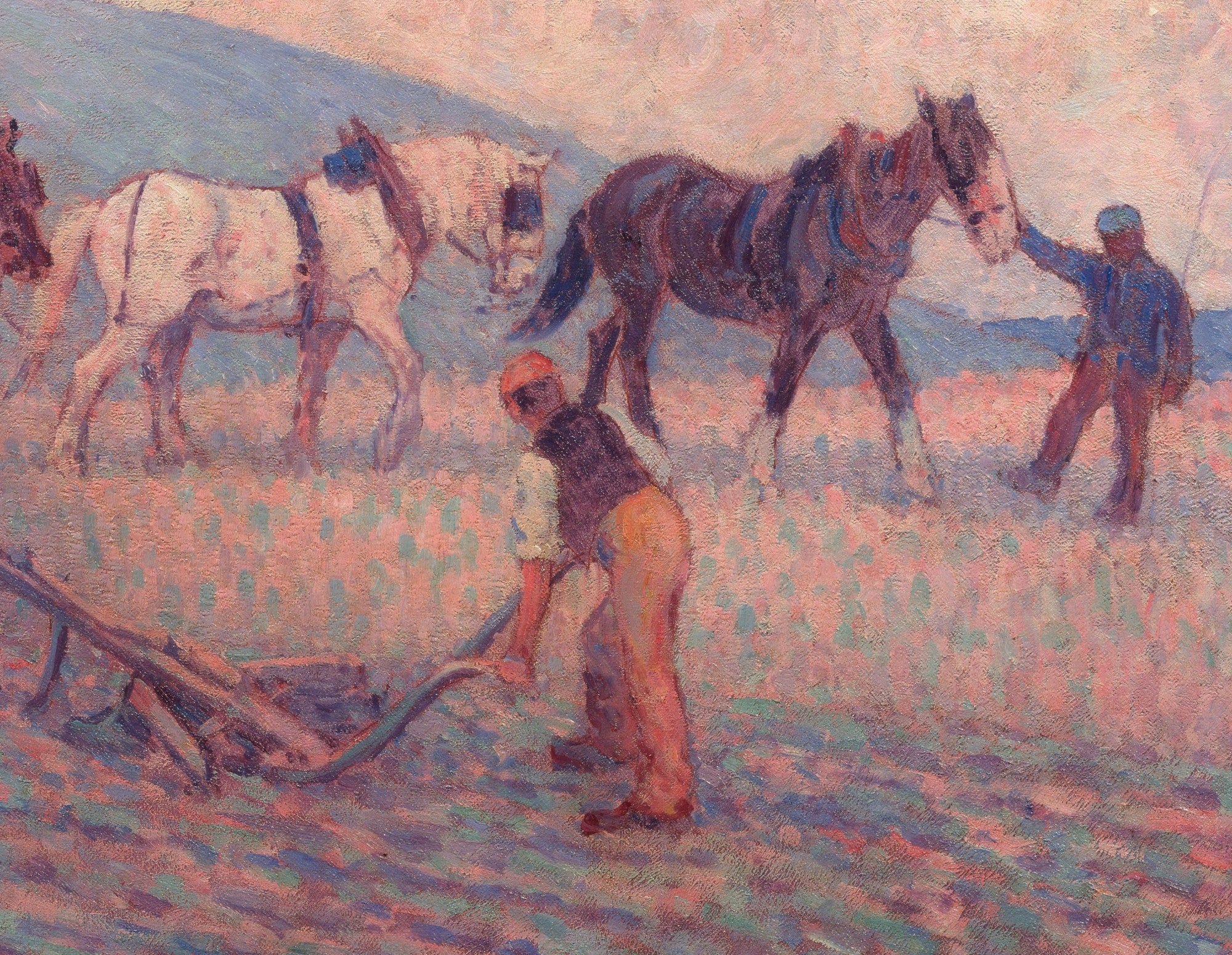
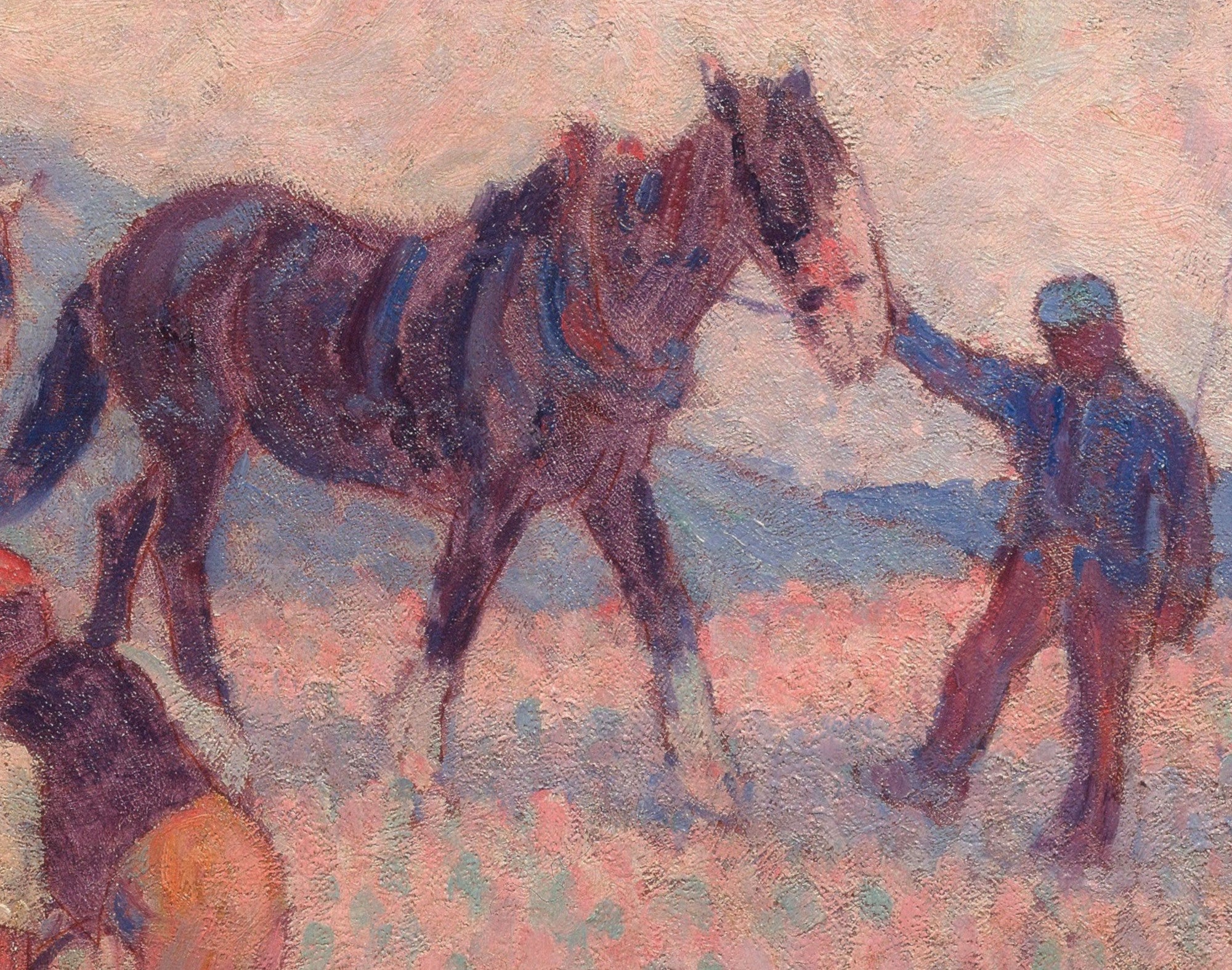
Horses and workers across coloured ground
The Turn Rice-Plough, Sussex places the team along the middle of a broad field, with a plough and standing figure nearer the foreground. Pink, blue and green marks give the earth an active surface. The long horizontal group links the animals and people to the field’s repeated bands of colour.
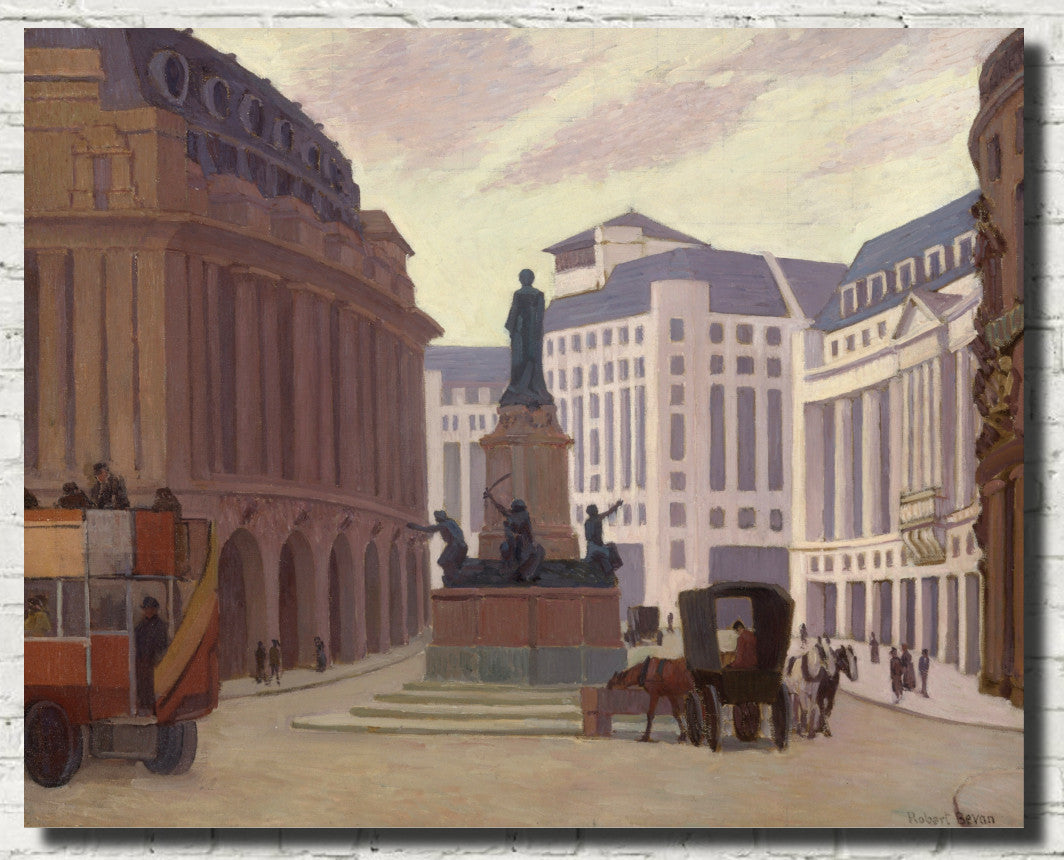
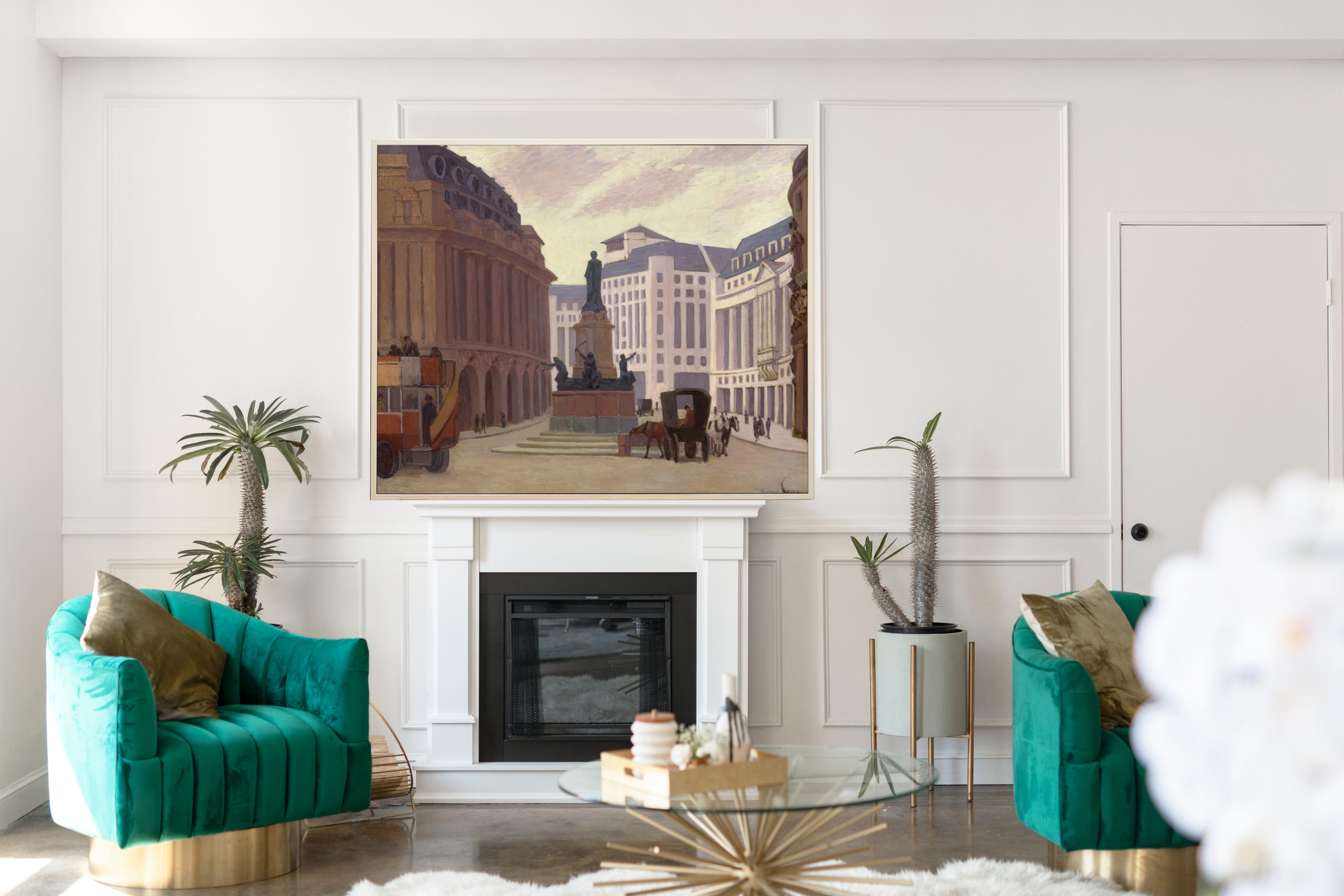
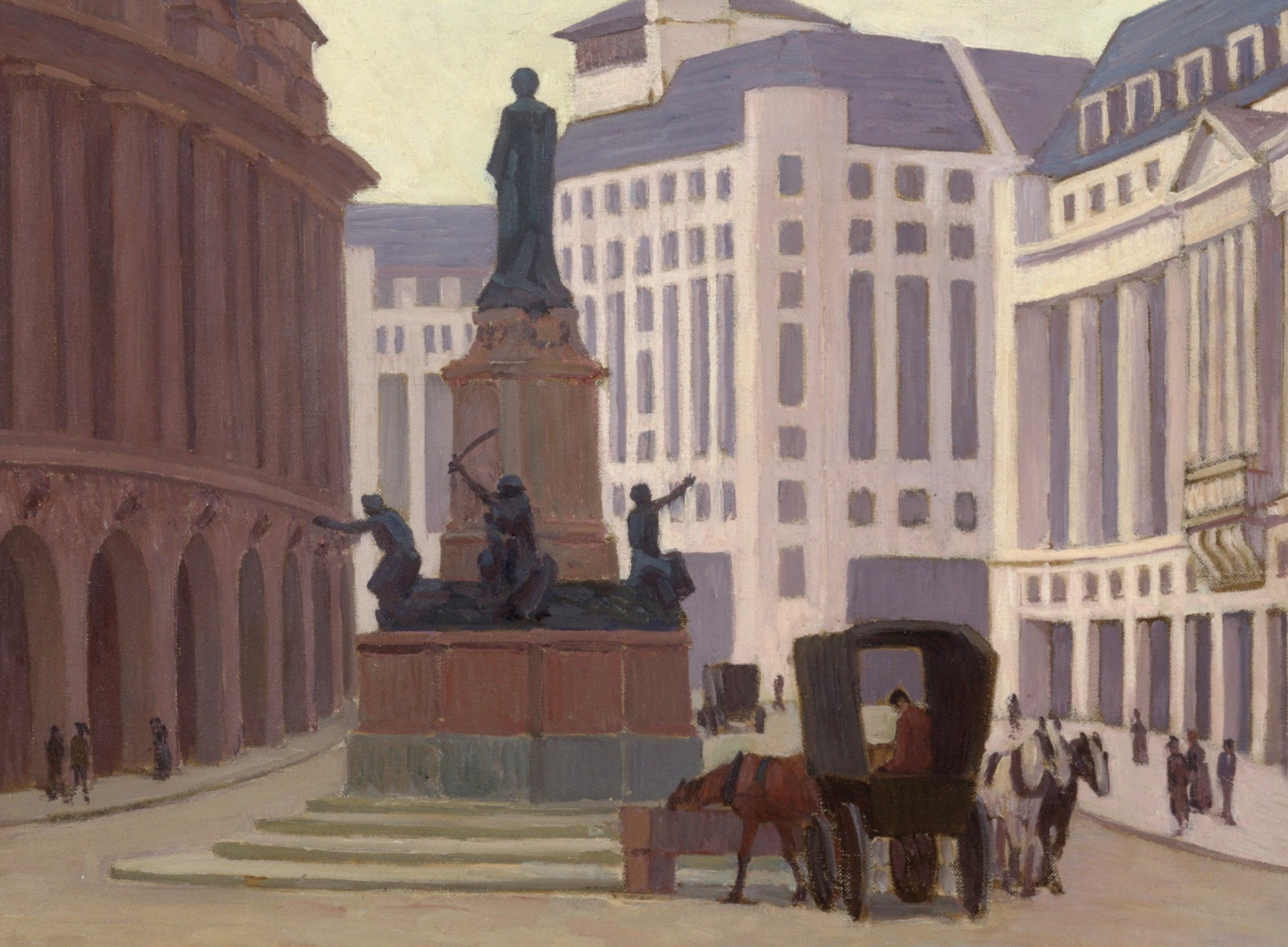
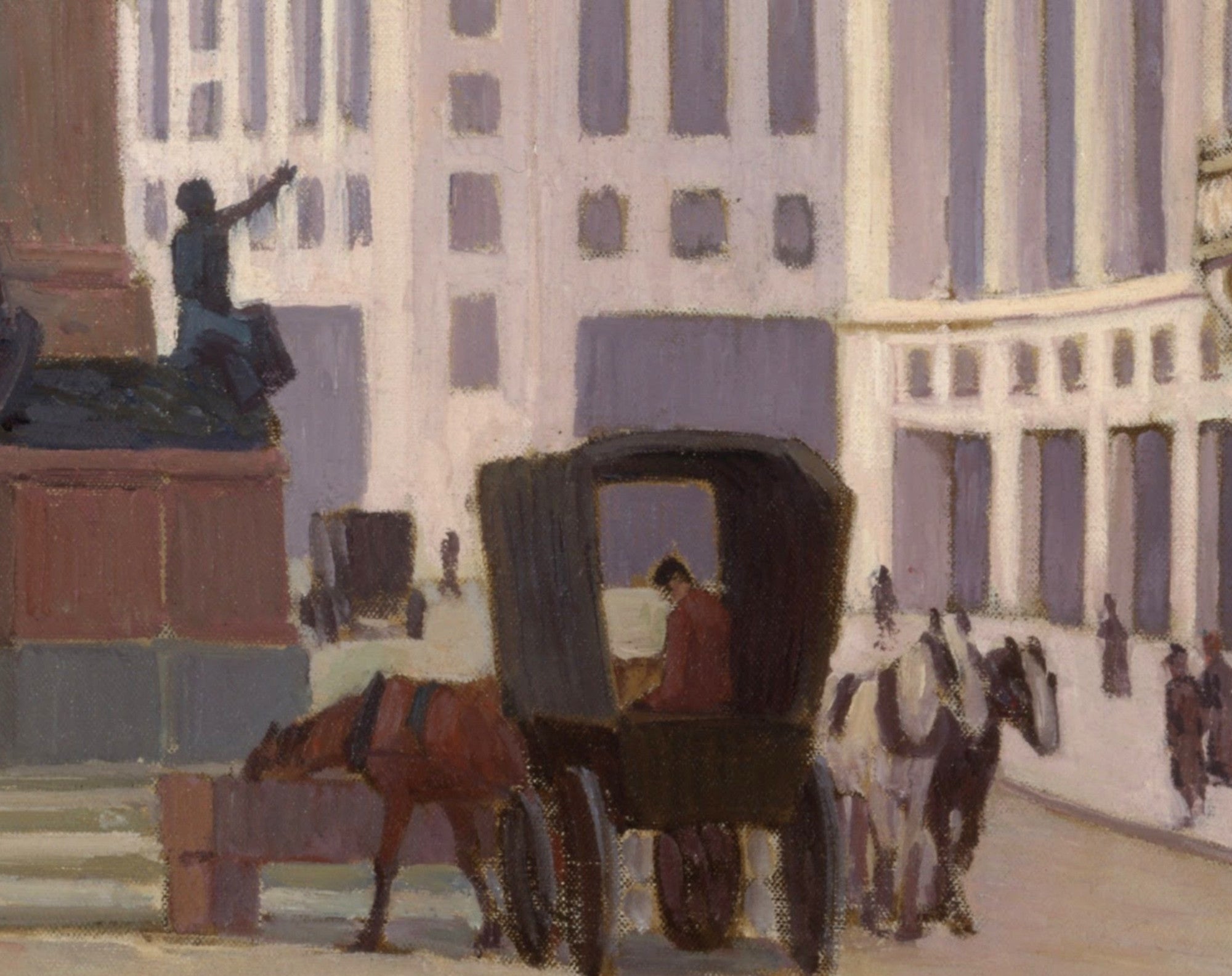
A monument between tall urban façades
Aldwych, London looks into a broad street enclosed by buildings with repeated windows and columns. Small vehicles and figures occupy the lower space. The clear division of shaded and lit wall planes makes the architecture prominent while the street activity helps establish its much larger scale.
Related artists and collections
Compare working streets in Walter Sickert, strong domestic colour in Harold Gilman and urban observation in Spencer Gore. Further architecture prints follows the city’s enclosing façades, while animal art develops the horses and their varied roles within the scenes.
Read more in our guide to Walter Sickert.