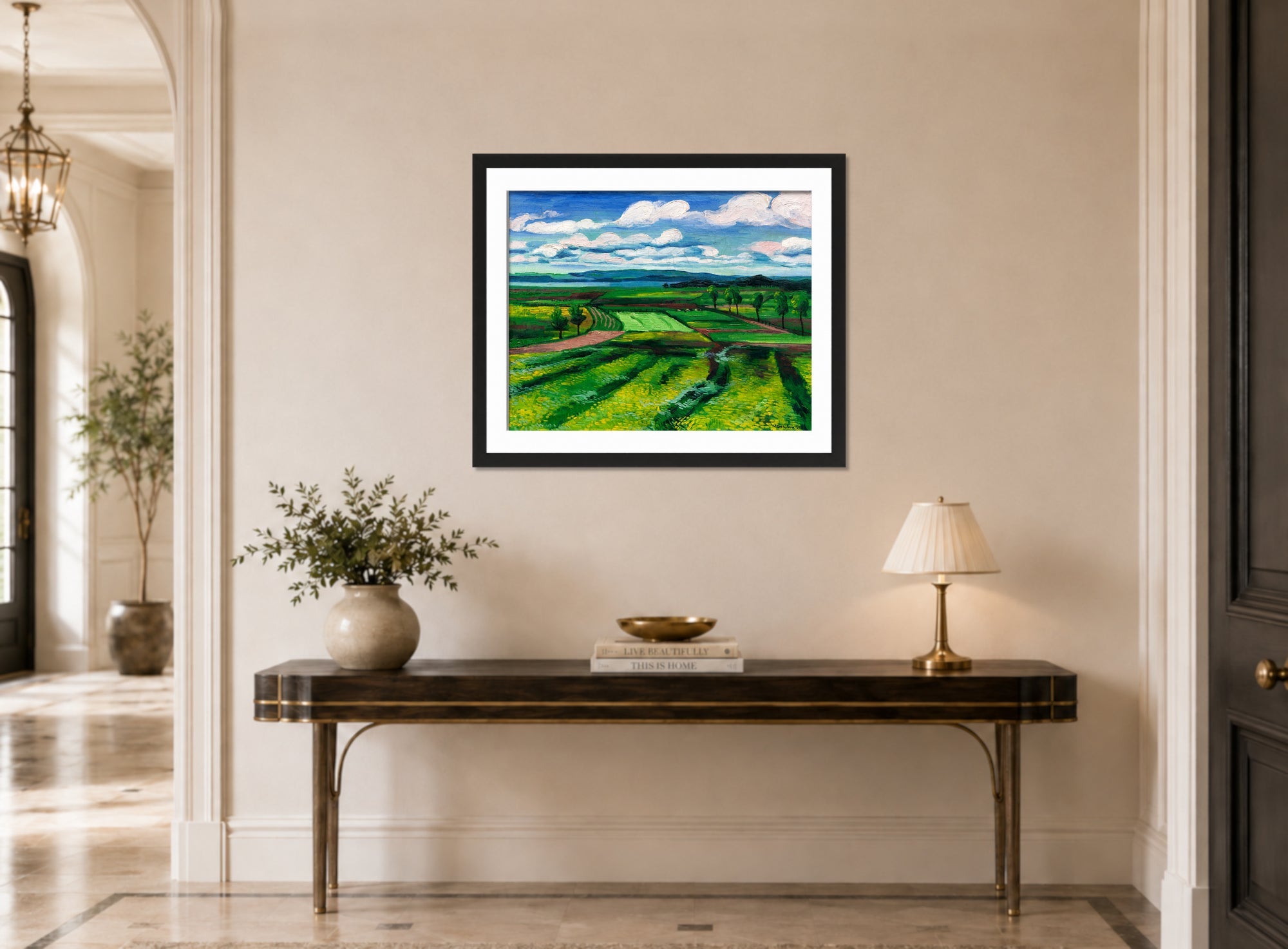
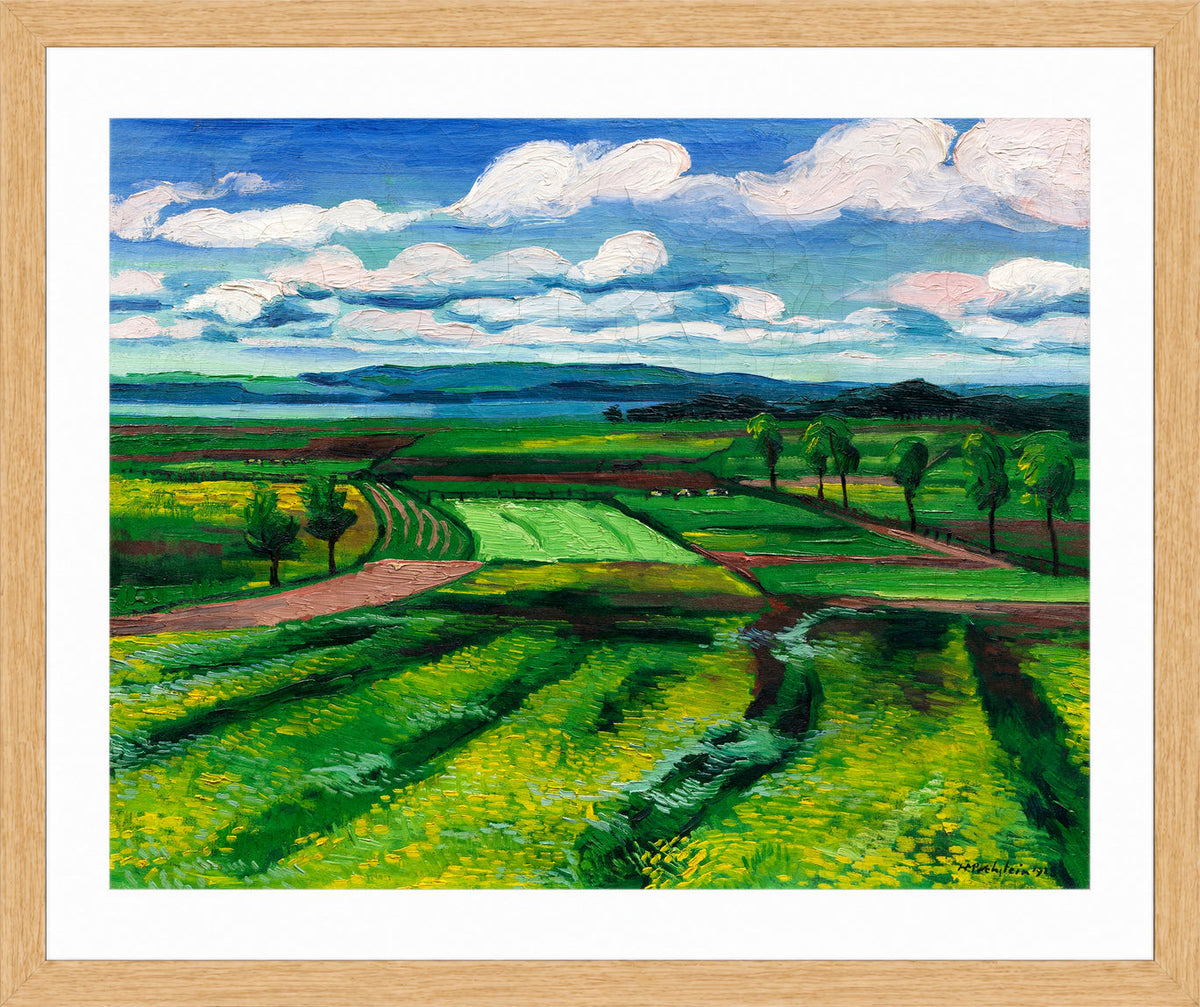
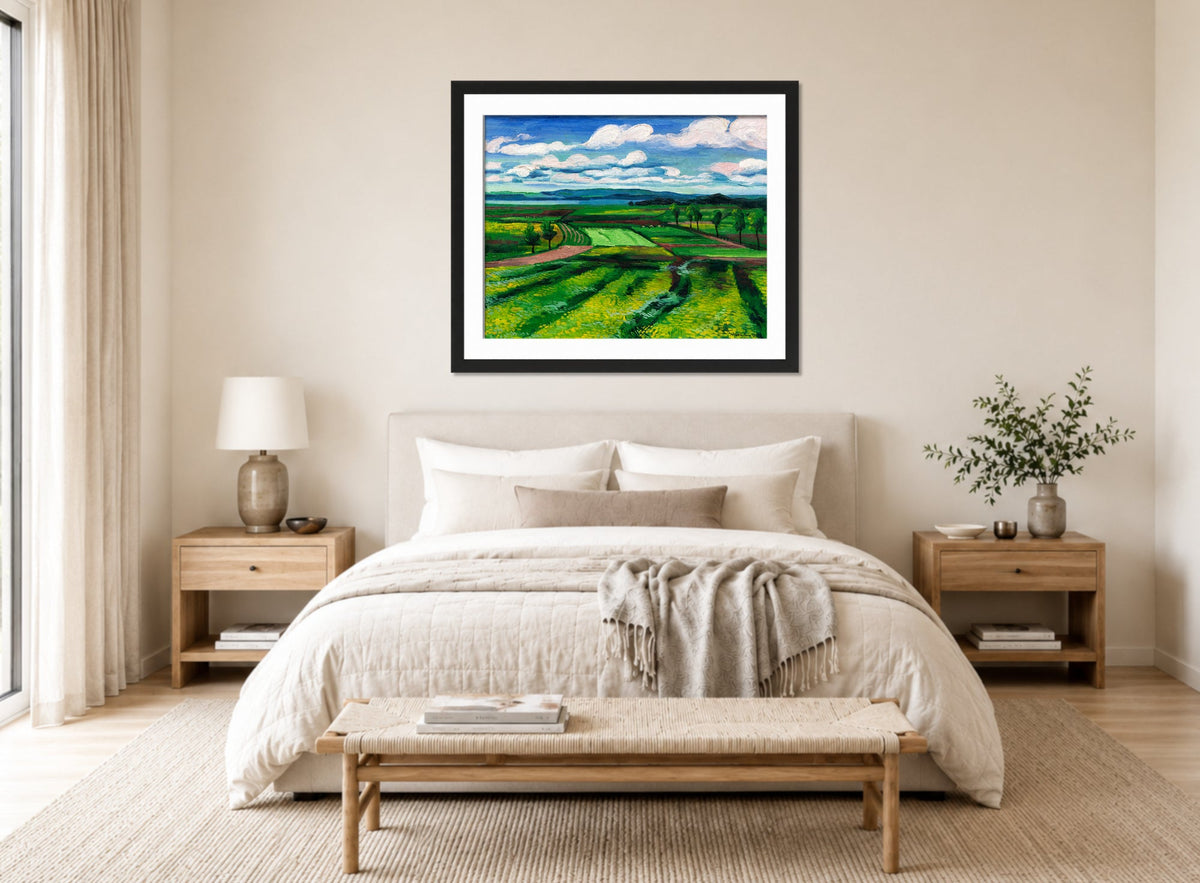
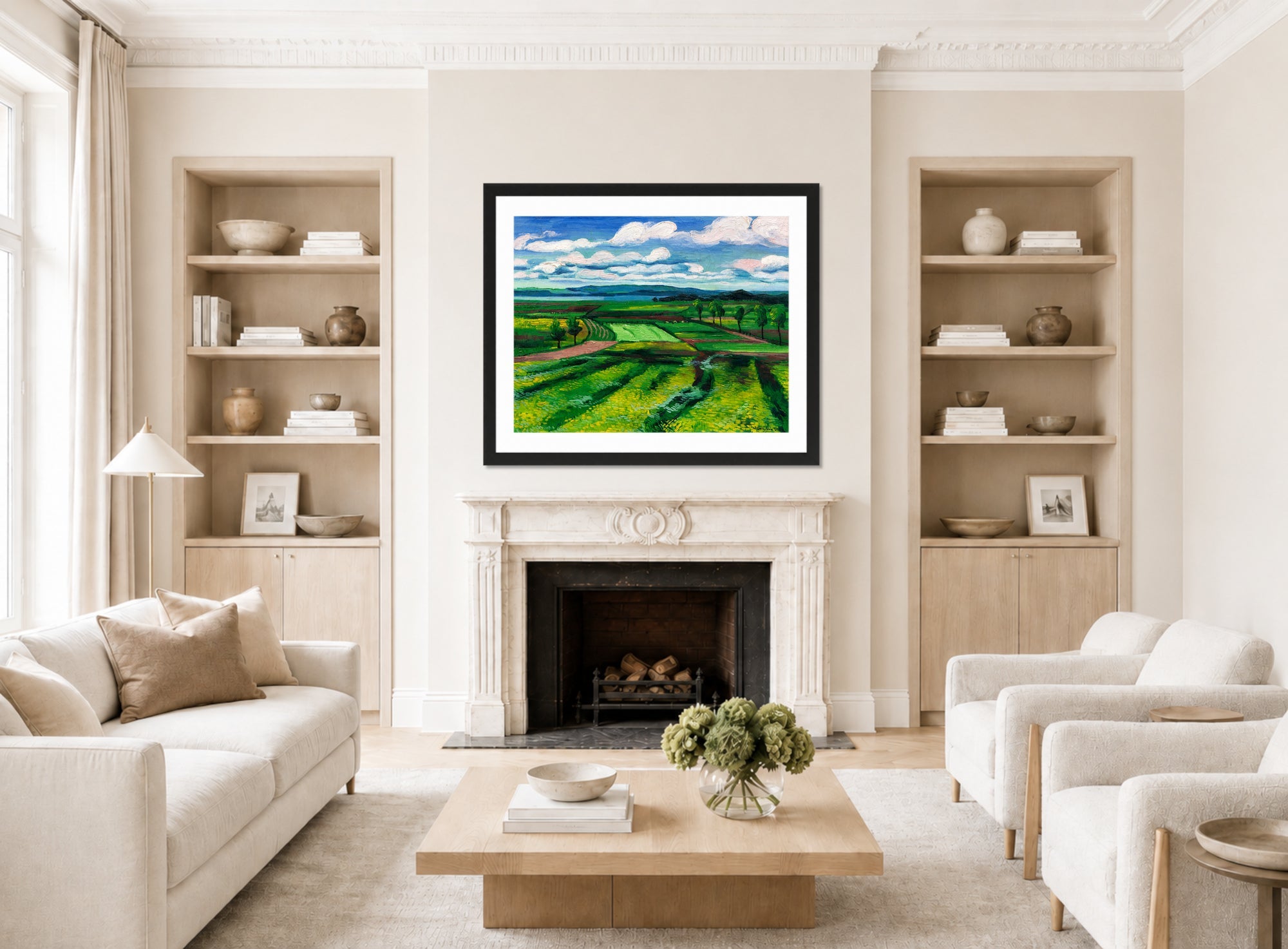
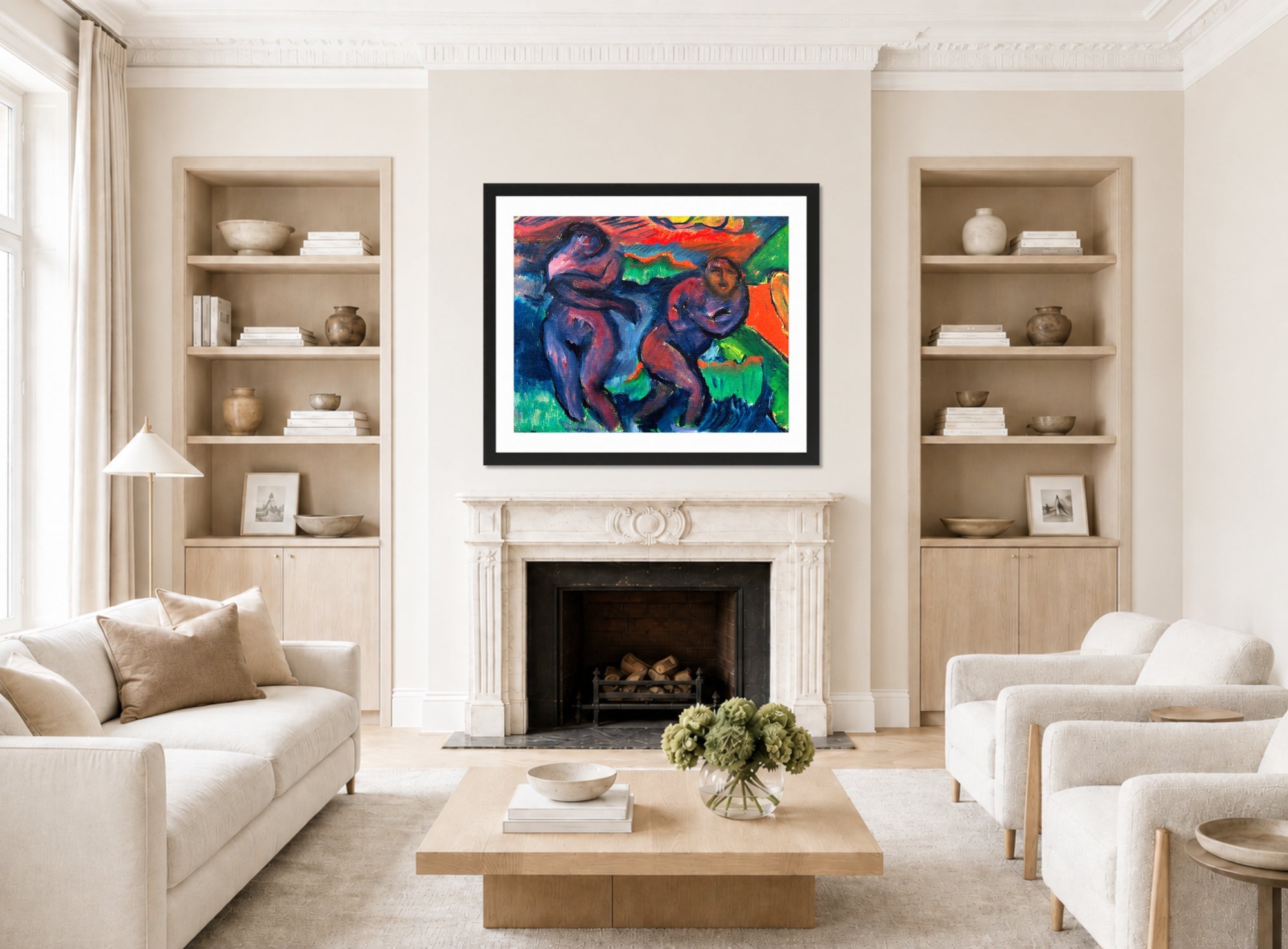
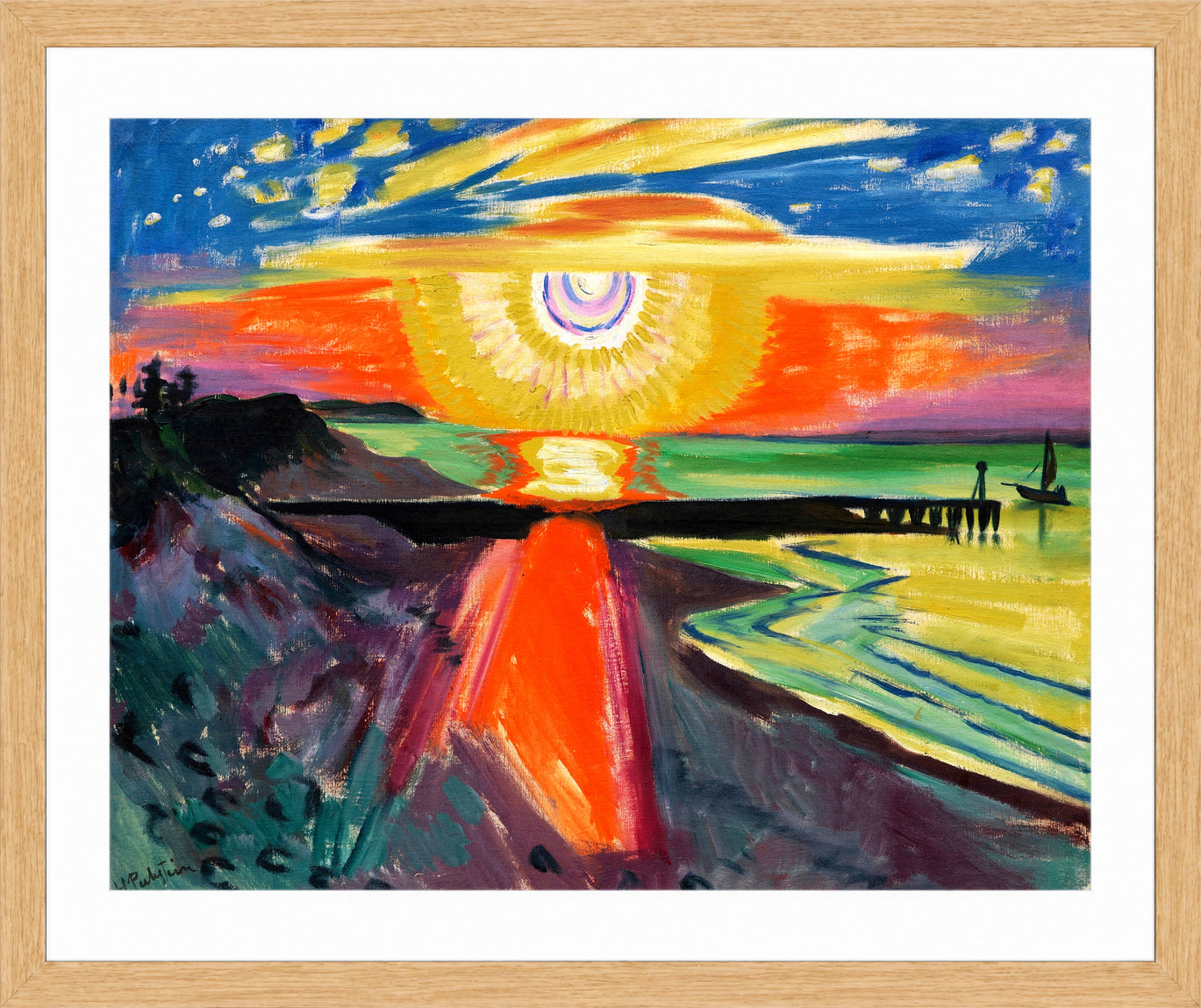
Hermann Max Pechstein Prints: German Expressionism in Colour
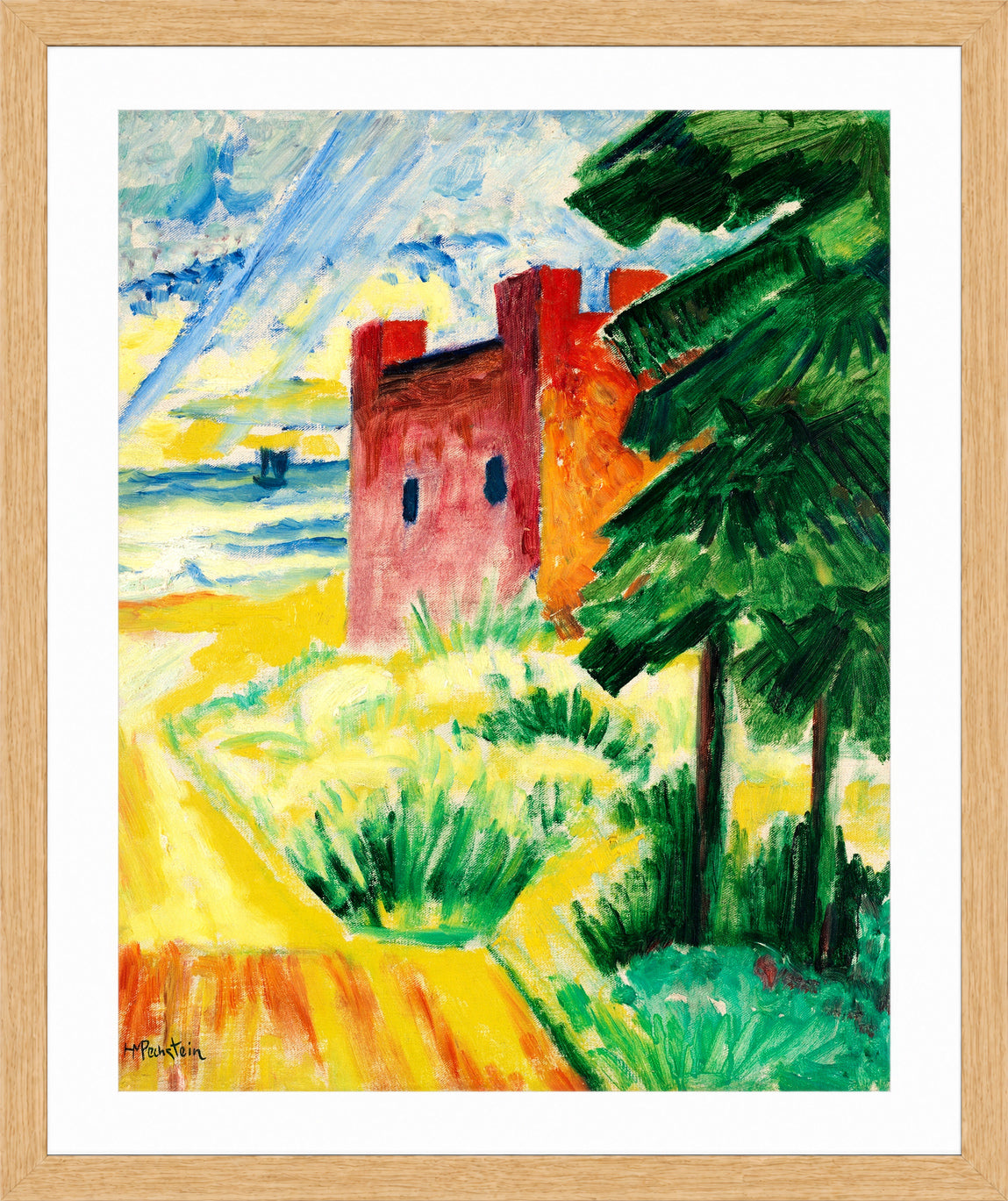
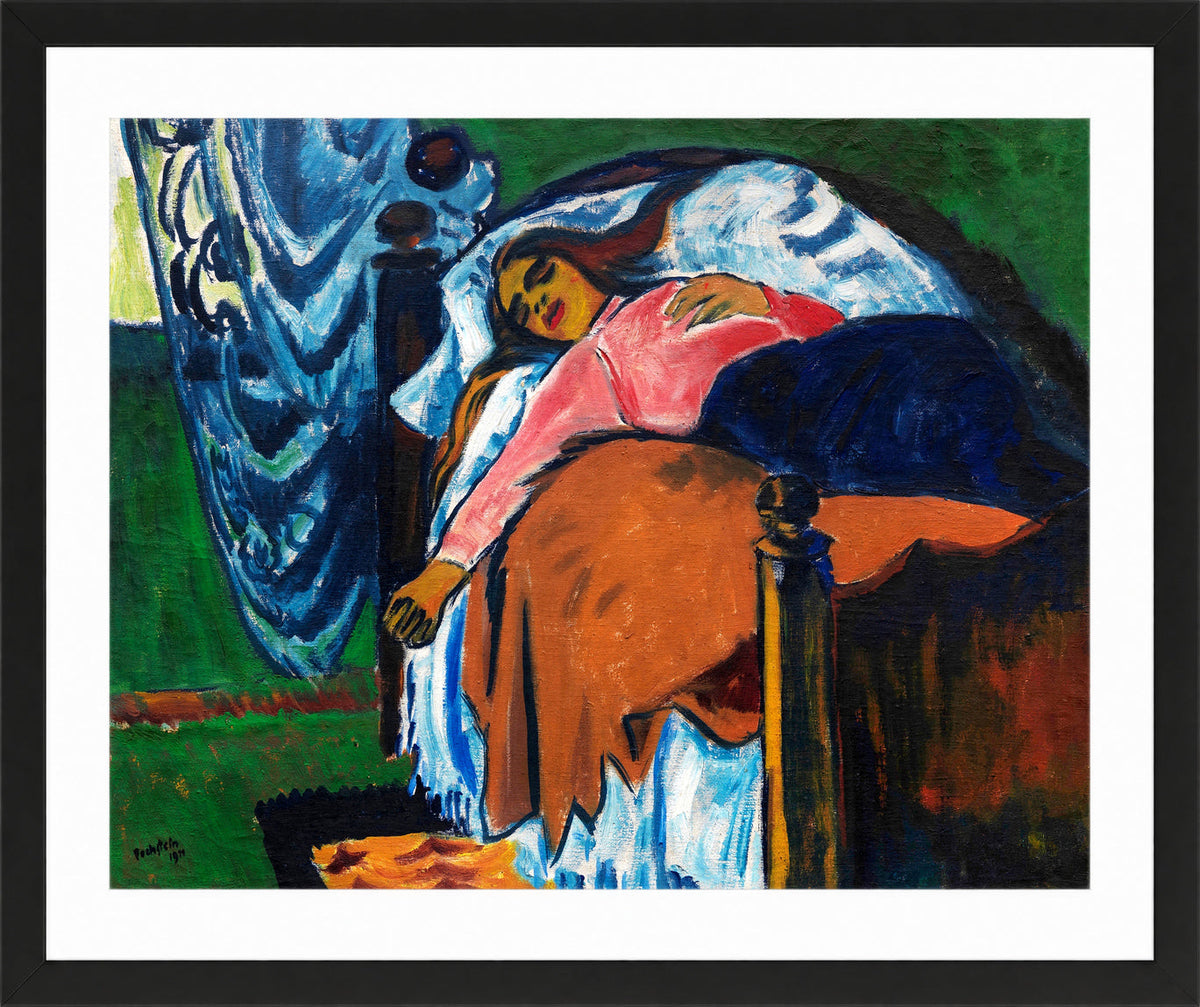
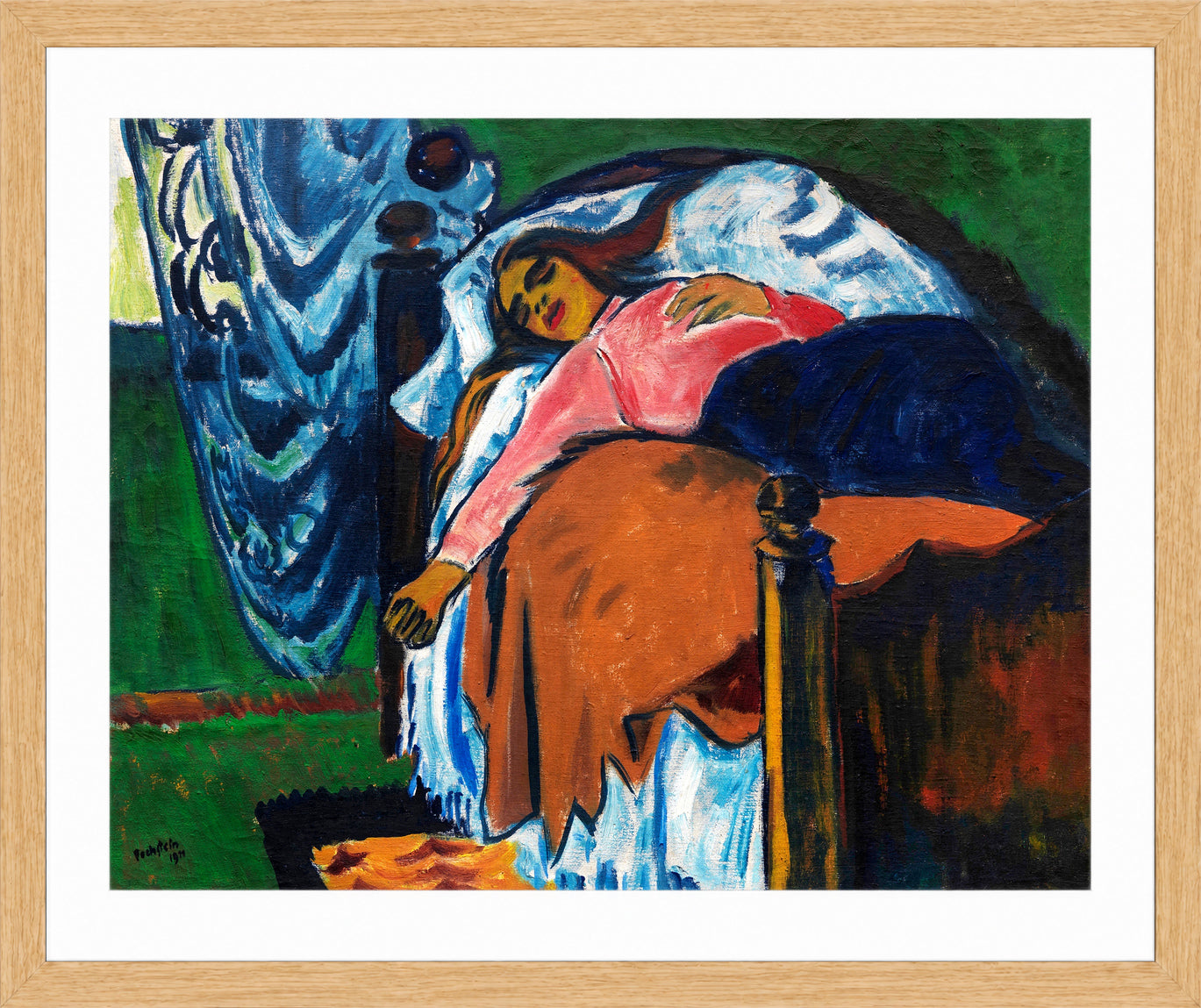
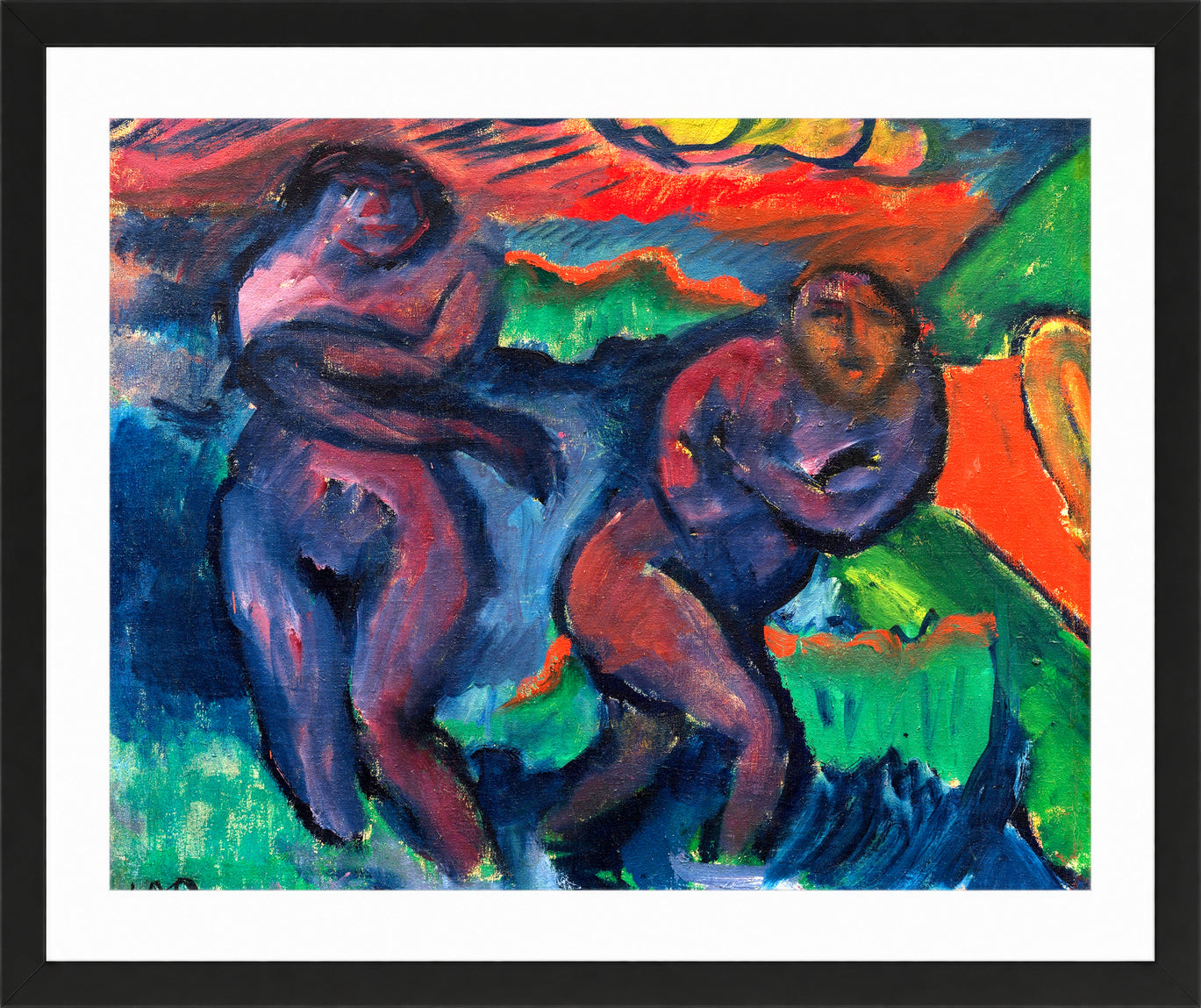
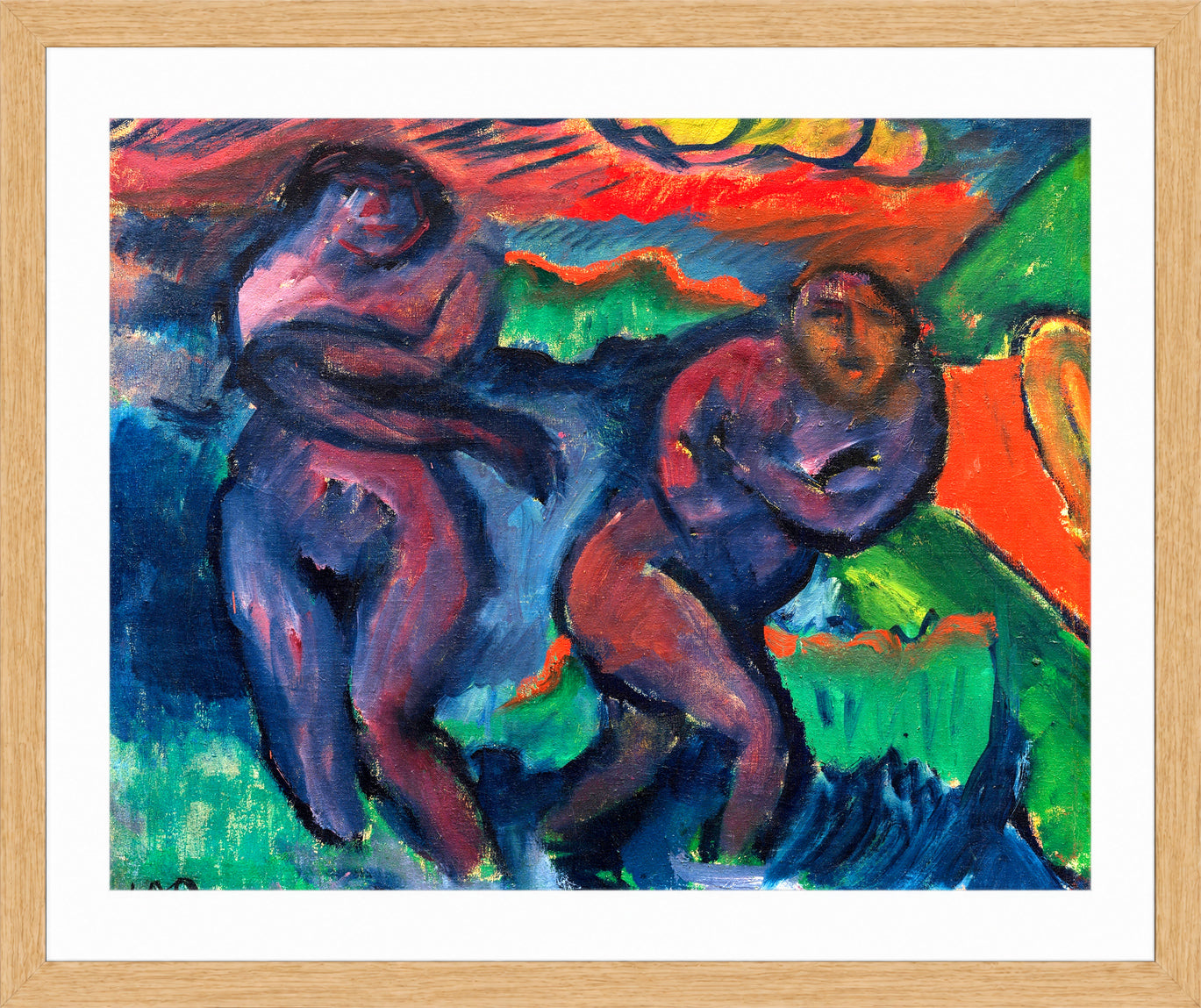
Hermann Max Pechstein was one of the most distinctive painters and printmakers associated with German Expressionism. Known more commonly as Max Pechstein, he developed a powerful visual language built around intense colour, simplified forms, strong outlines and direct, energetic brushwork.
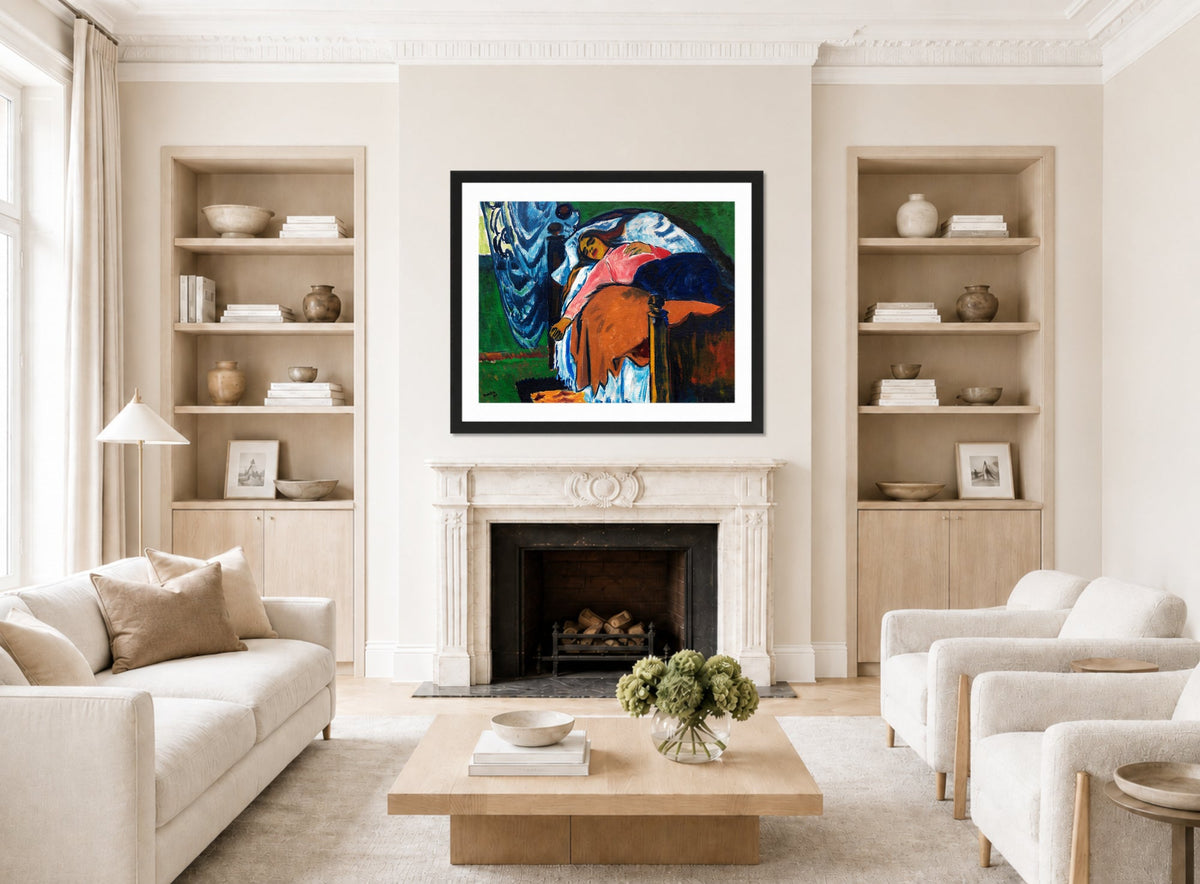
GalleryThane's Hermann Max Pechstein prints celebrate an artist whose work moves between landscapes, coastal scenes, portraits, figures and scenes of modern life. His paintings often balance recognisable subject matter with the heightened colour and emotional immediacy that became central to early twentieth-century Expressionism.
Explore the wider development of this radical approach to modern painting in our Expressionist Art Prints collection.
Explore Max Pechstein by Subject
With more than 200 works in the GalleryThane Pechstein collection, four major areas of his art can now be explored in greater depth. Browse his landscapes, maritime subjects, nude and bather imagery, or portraits and figurative works to see how Pechstein applied the colour, simplified form and vigorous contours of German Expressionism to very different subjects.
Max Pechstein Landscape Prints
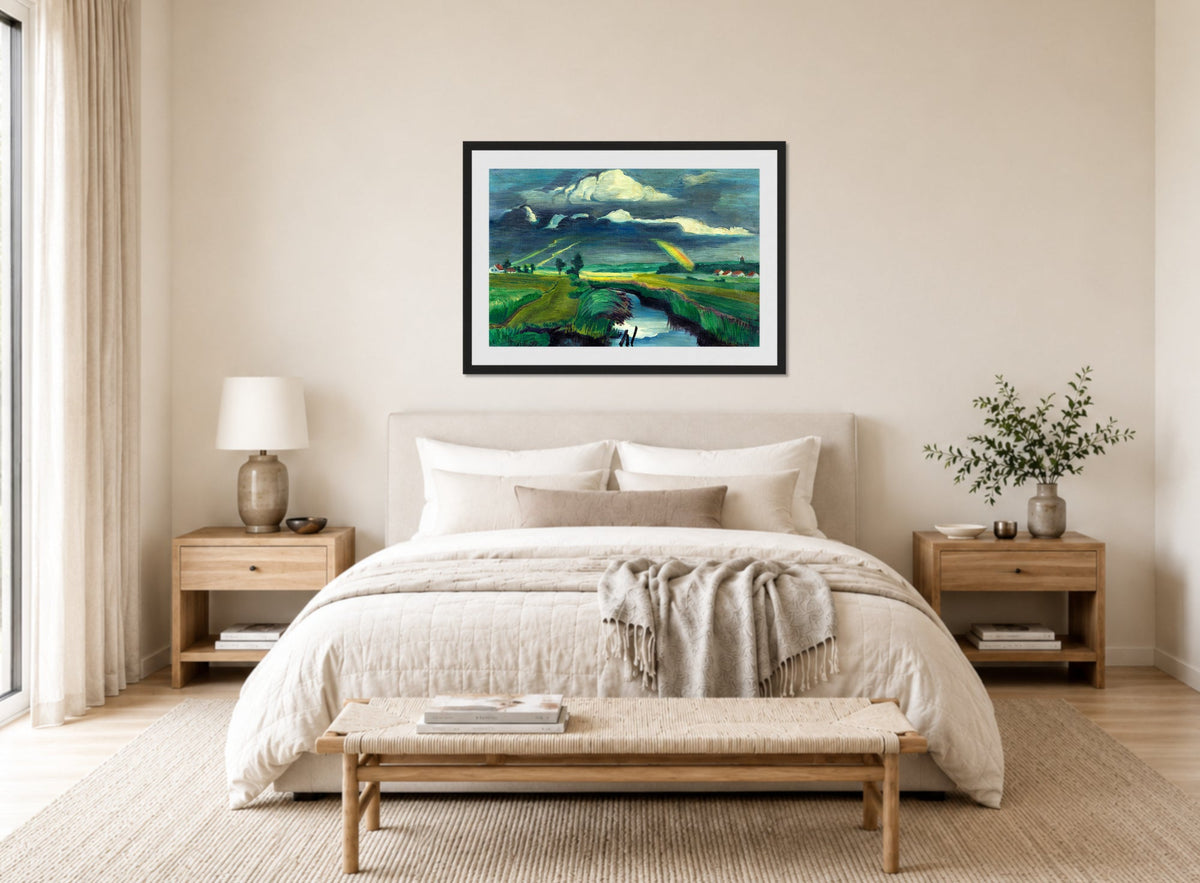
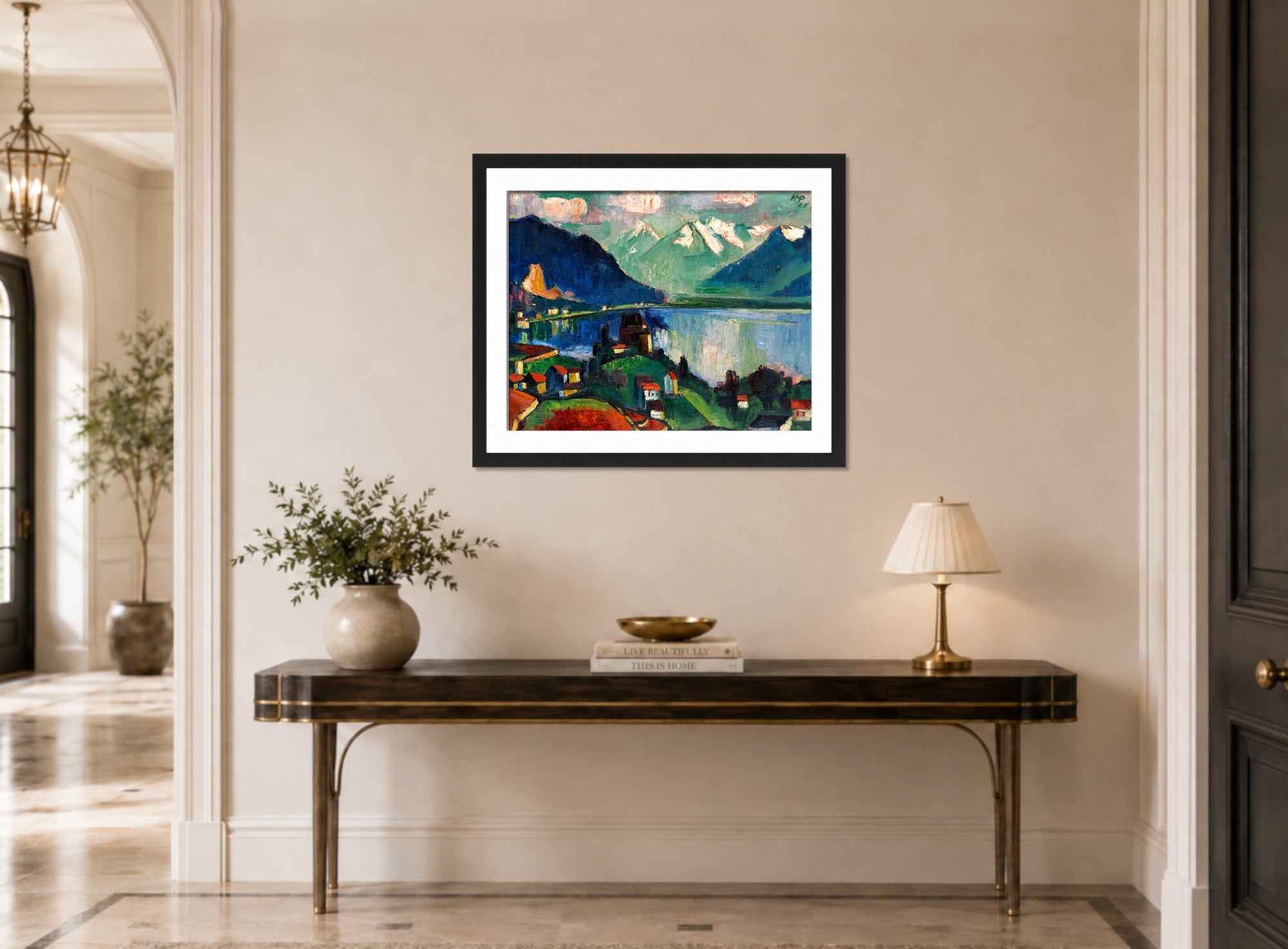
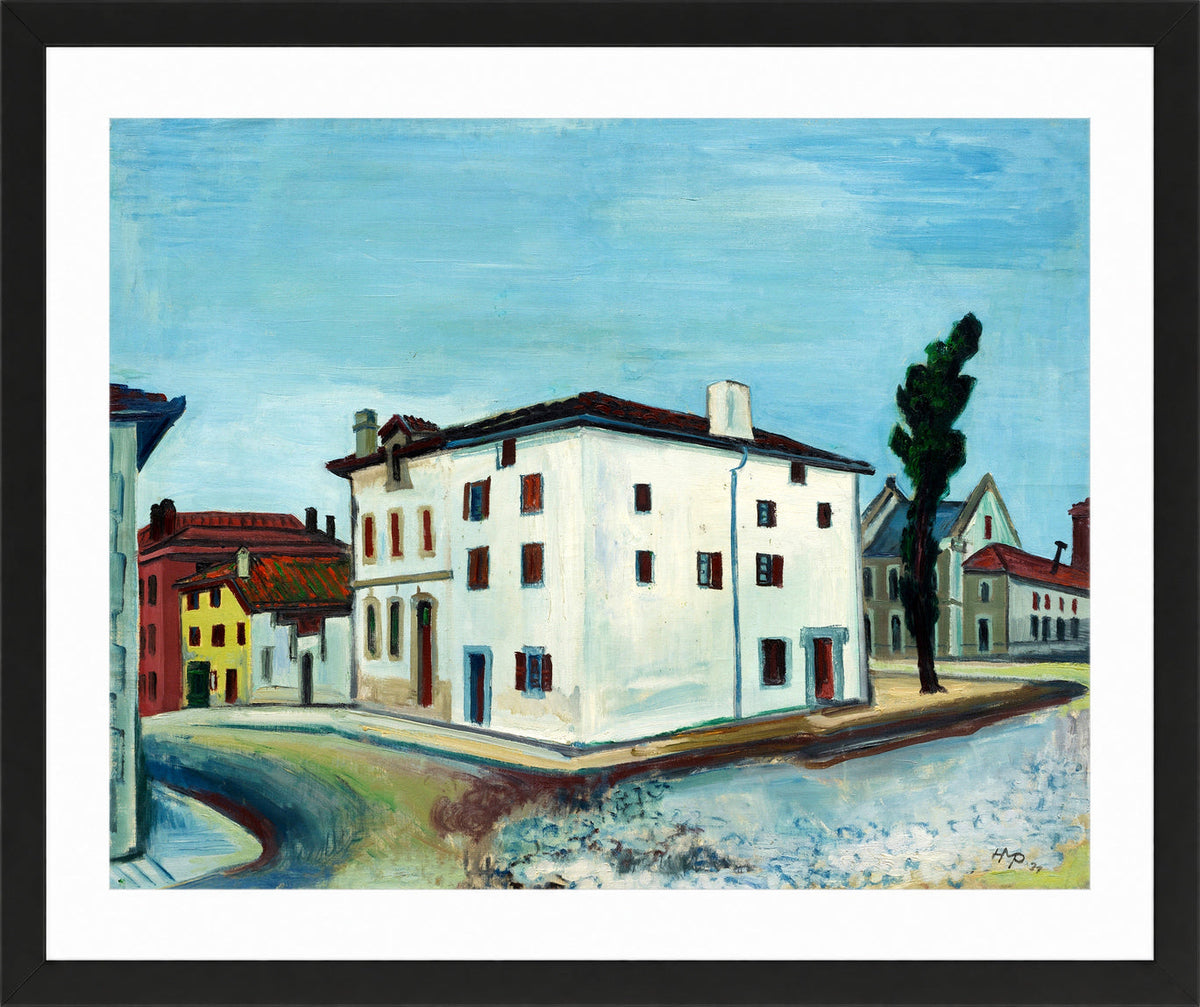
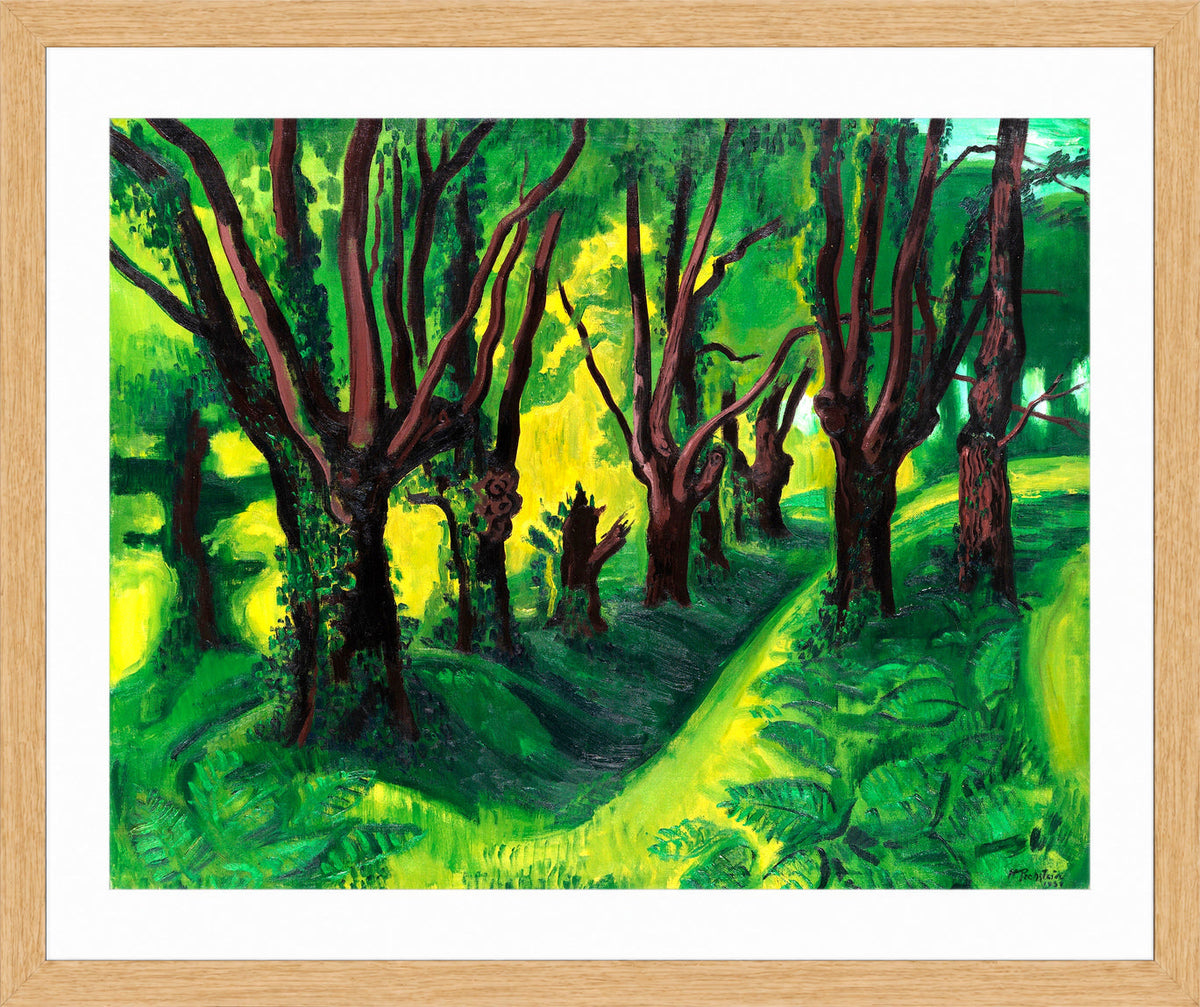
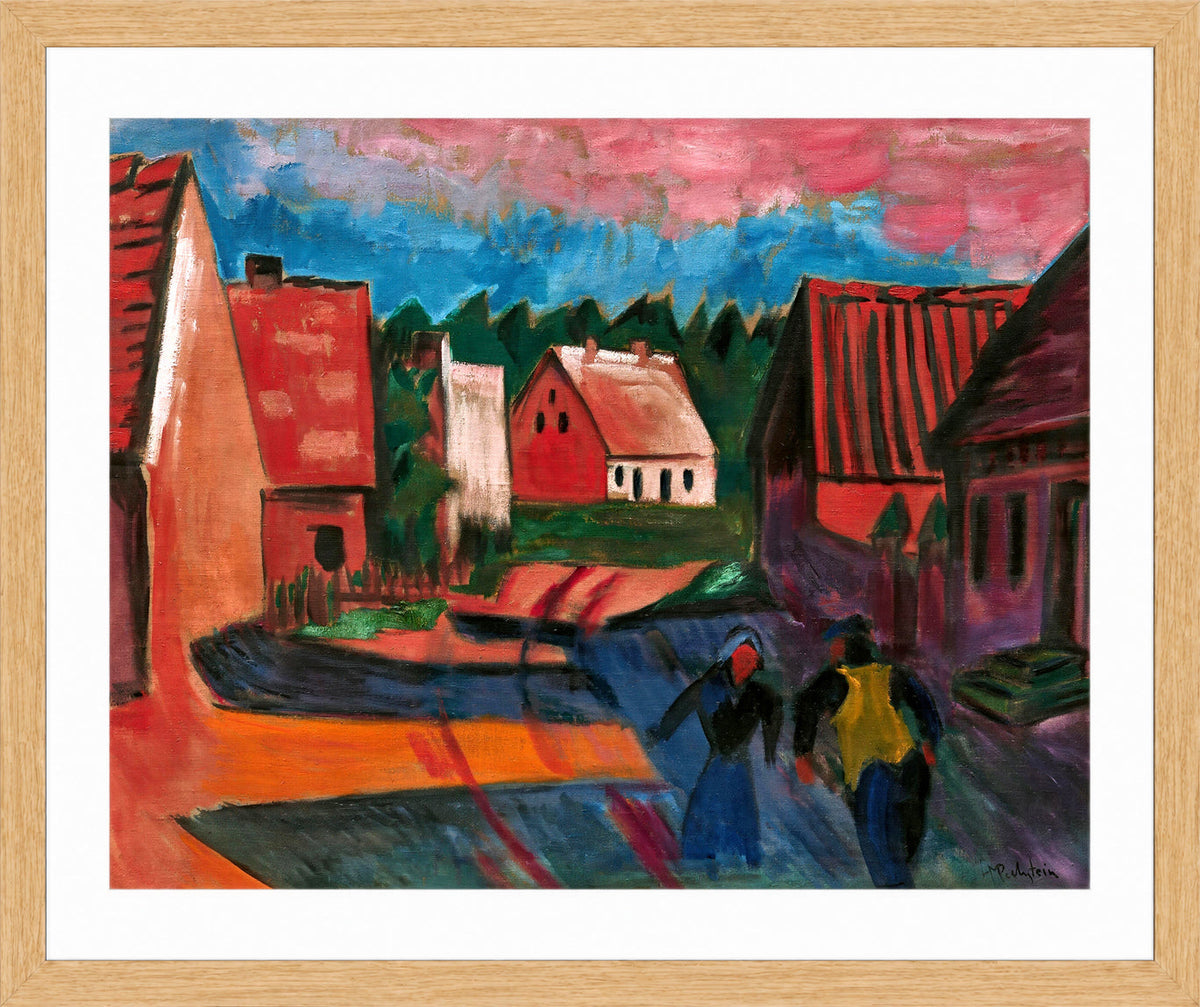
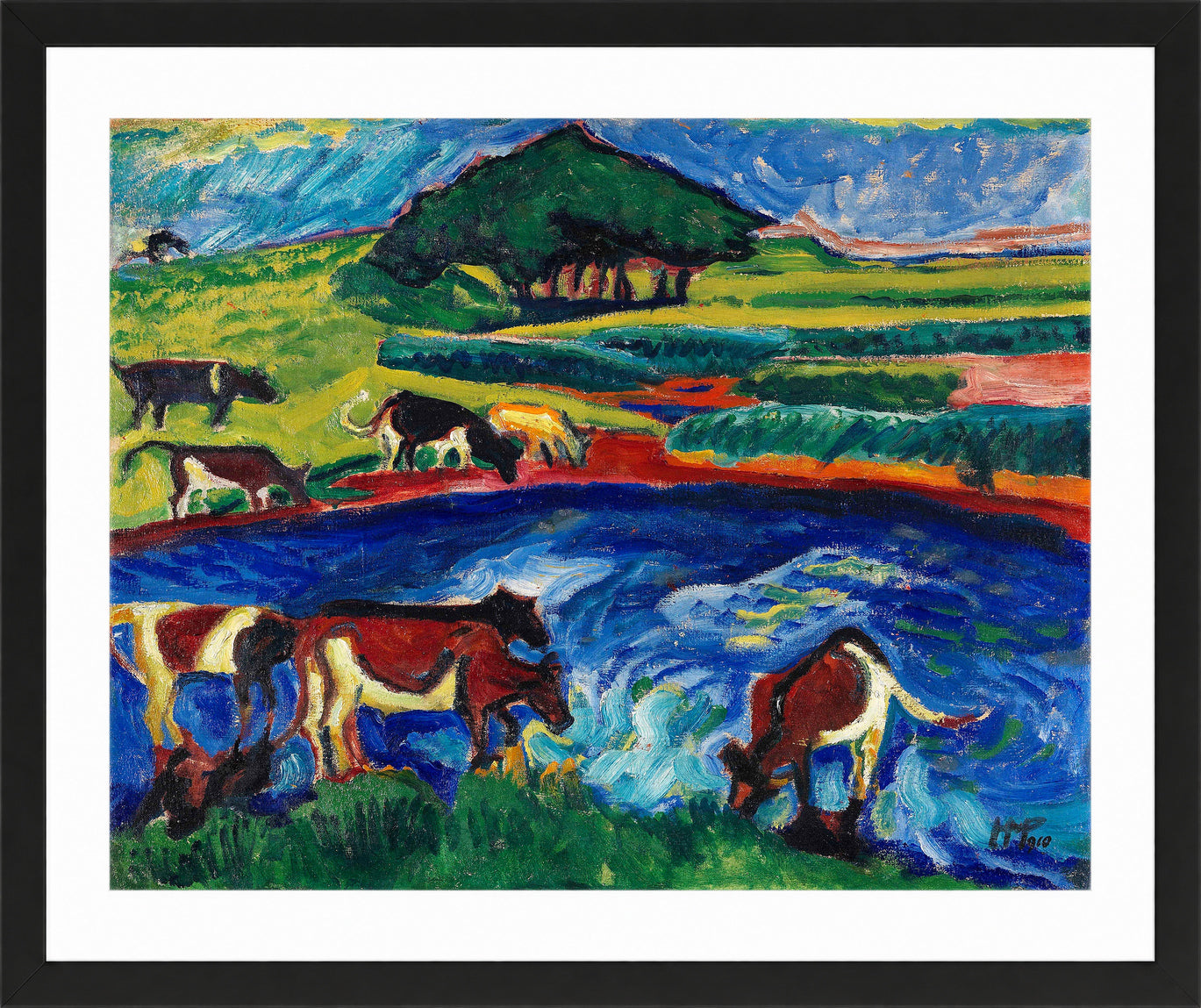
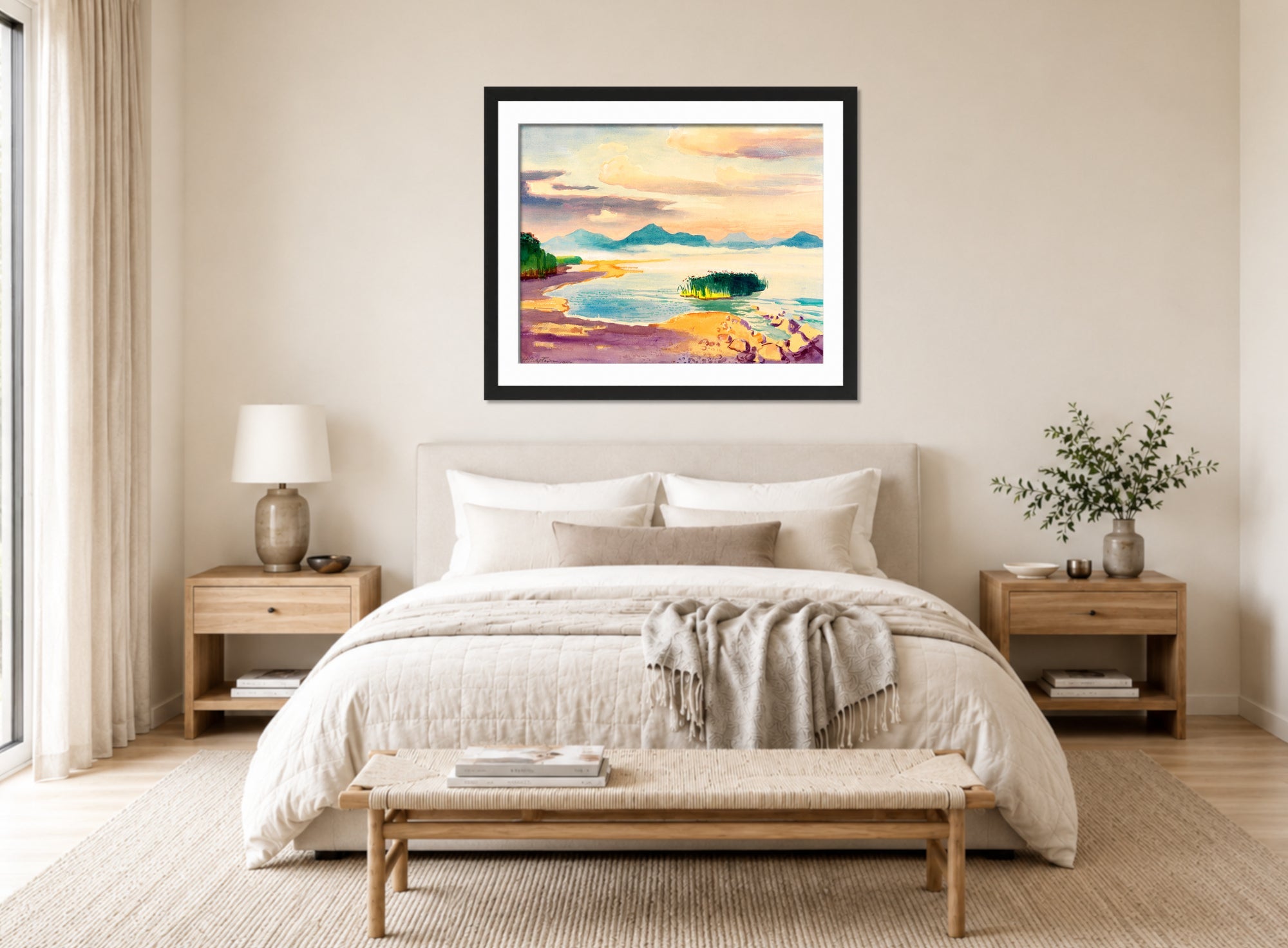
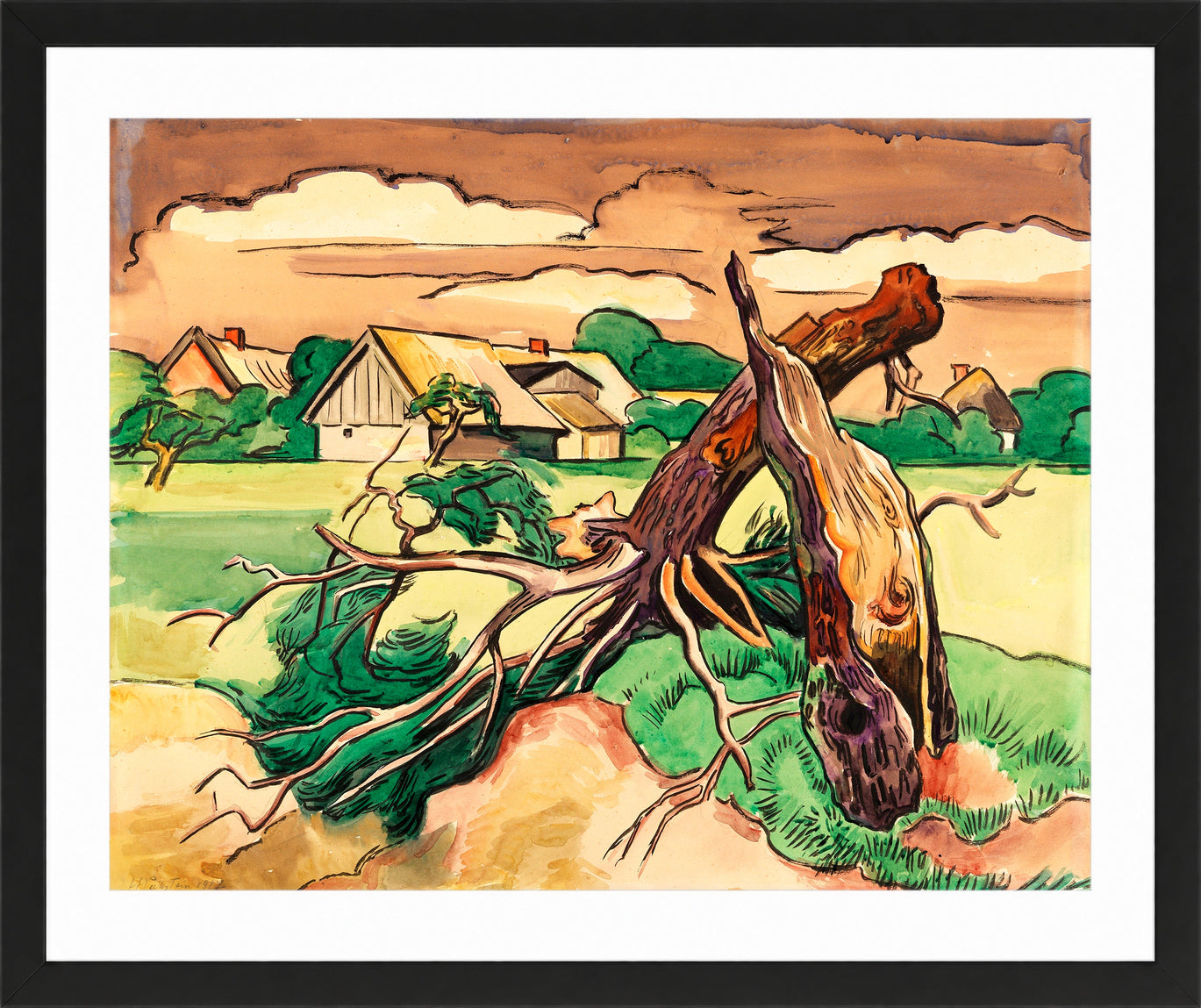
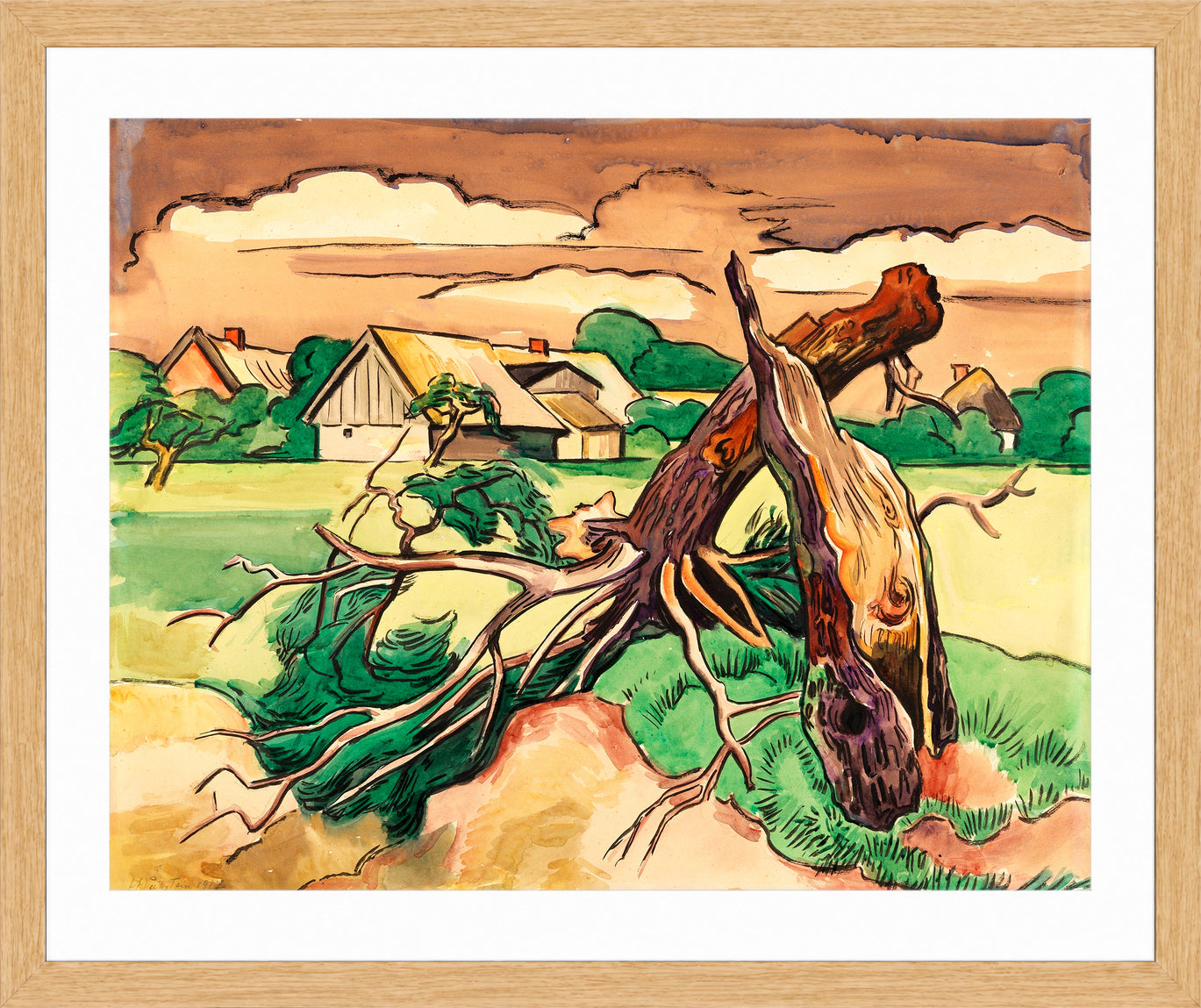
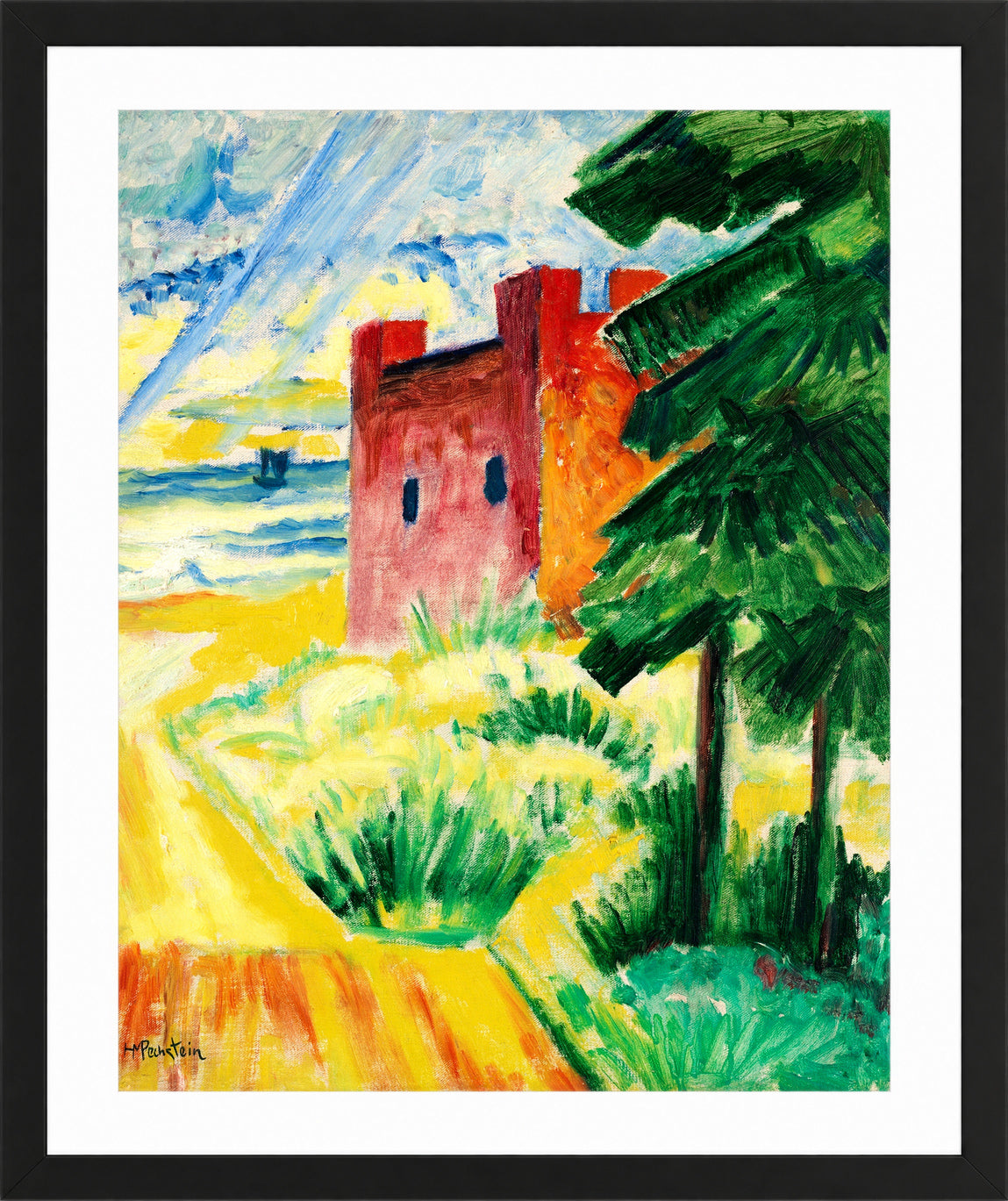
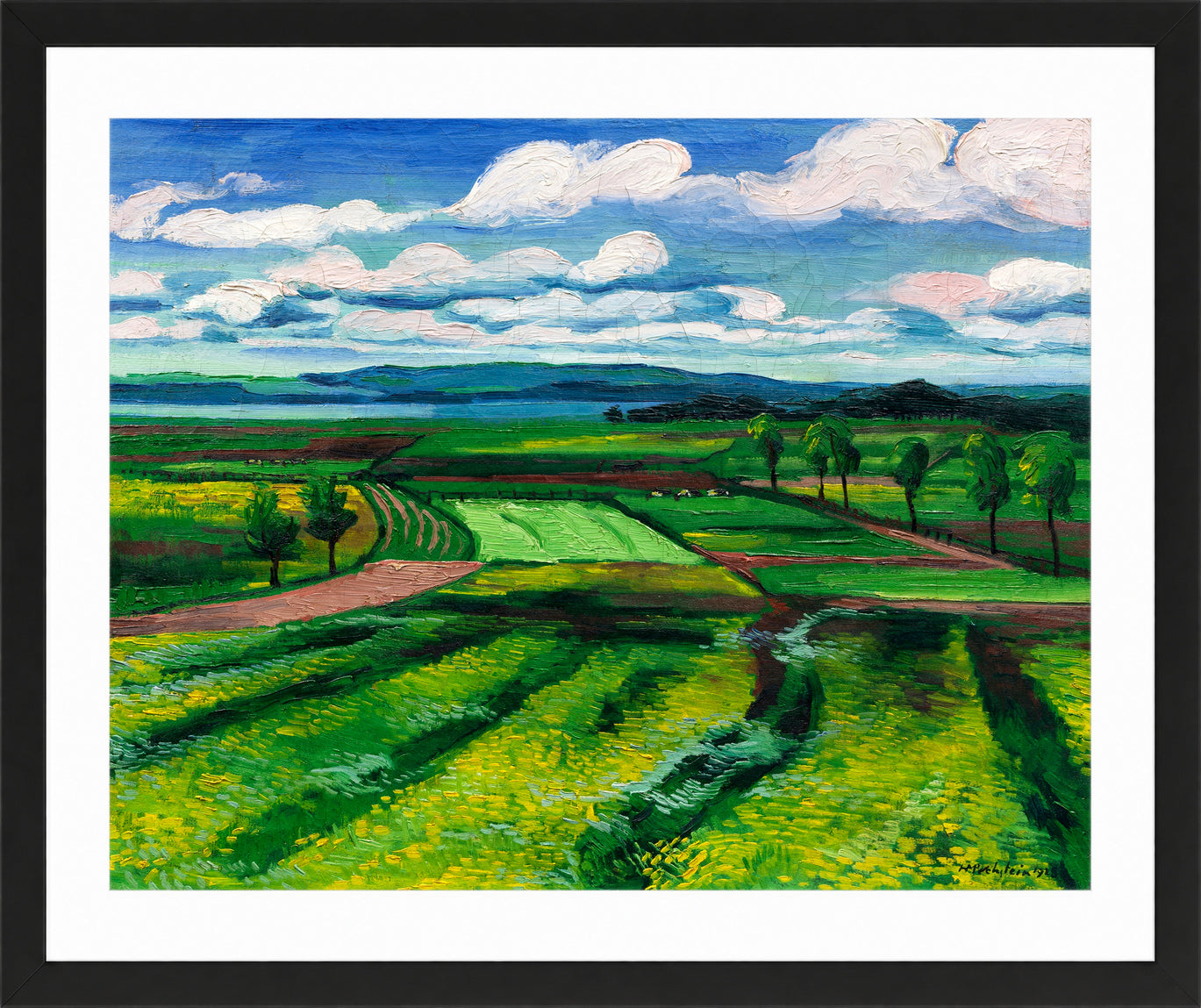
Explore Max Pechstein Landscape Prints featuring forests, lakes, villages, fields and rural scenery. Across these works, Pechstein transforms the natural world through heightened colour, compressed perspective and strongly defined forms.
Max Pechstein Coastal, Seascape & Fishing Prints
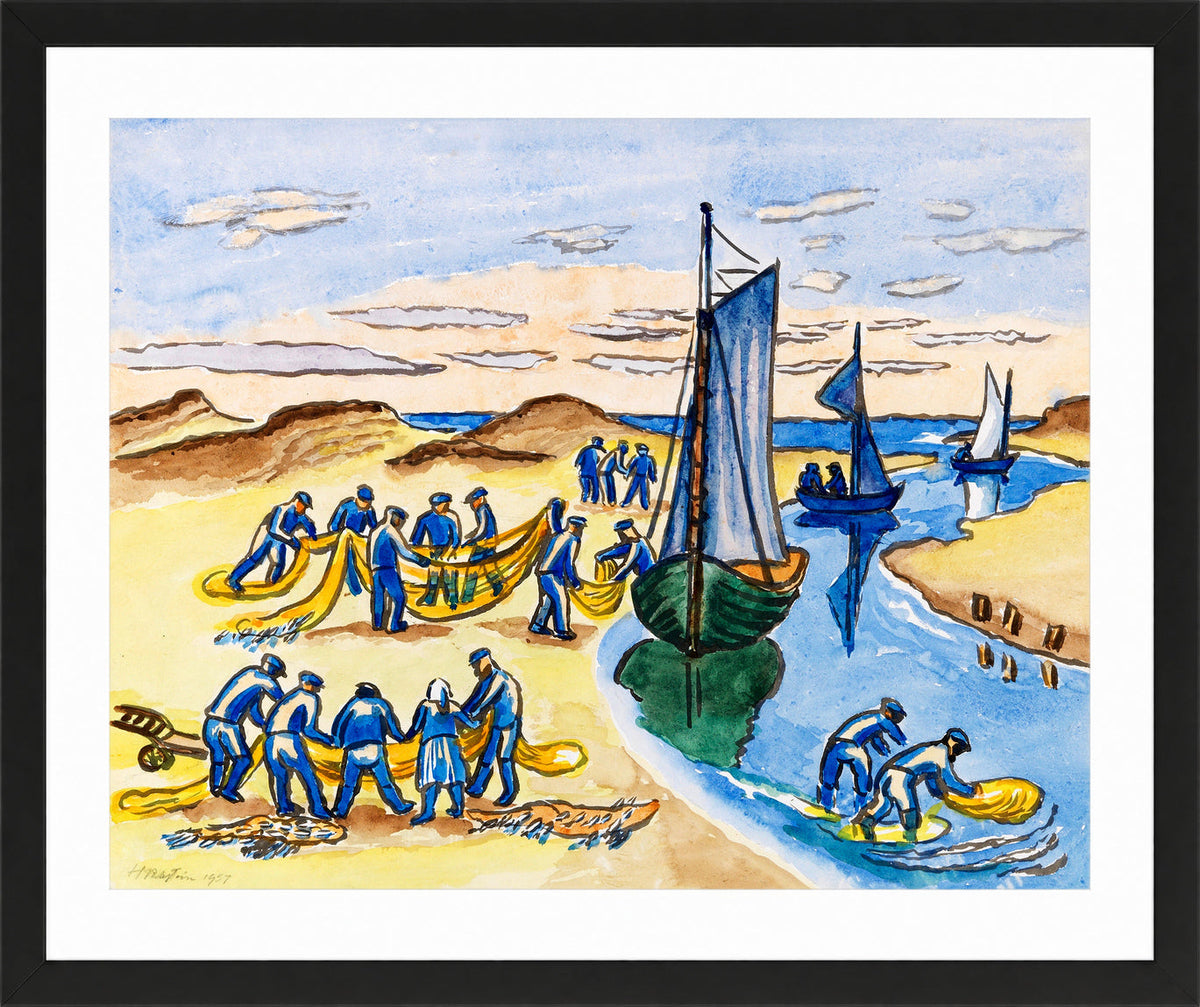
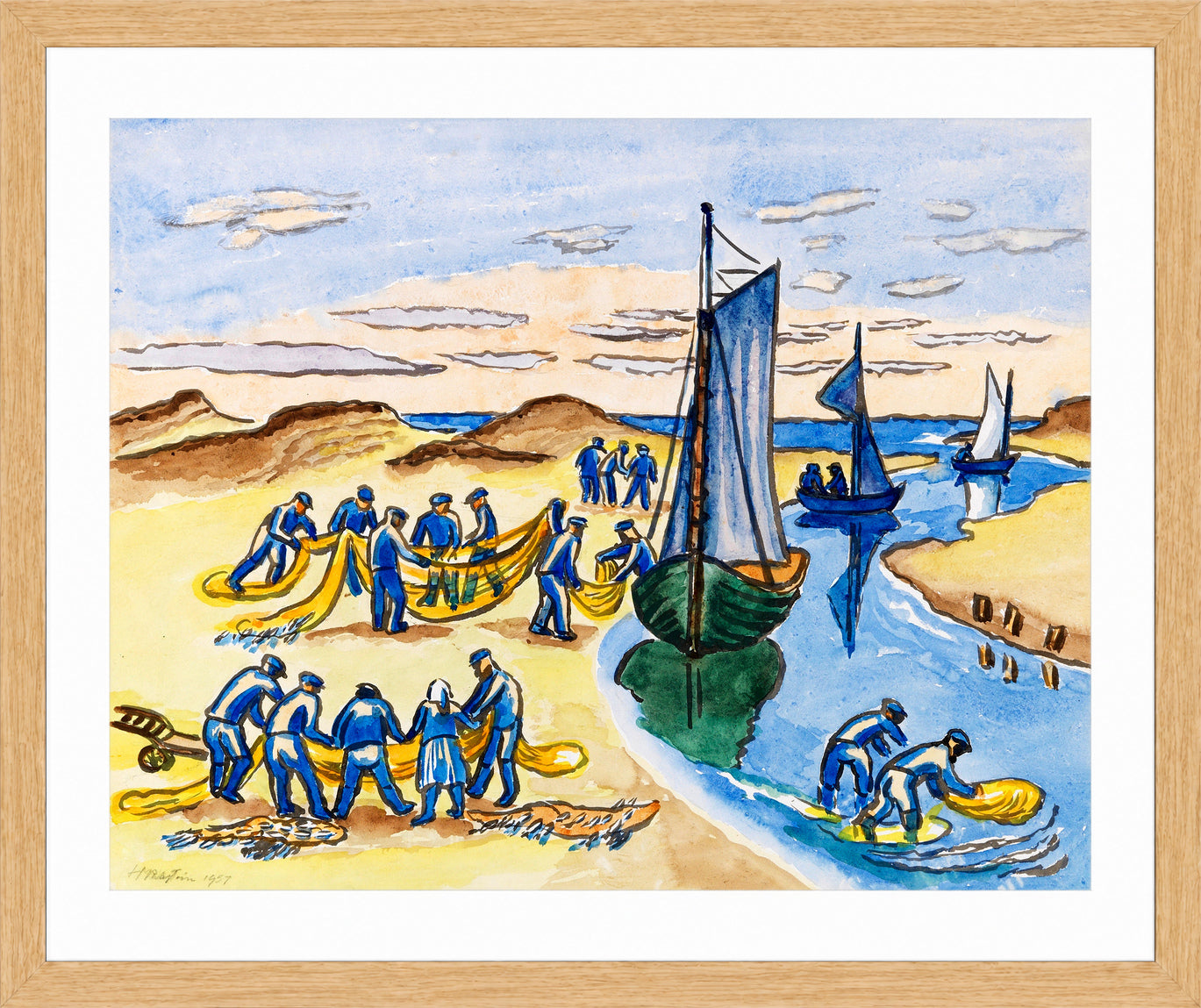
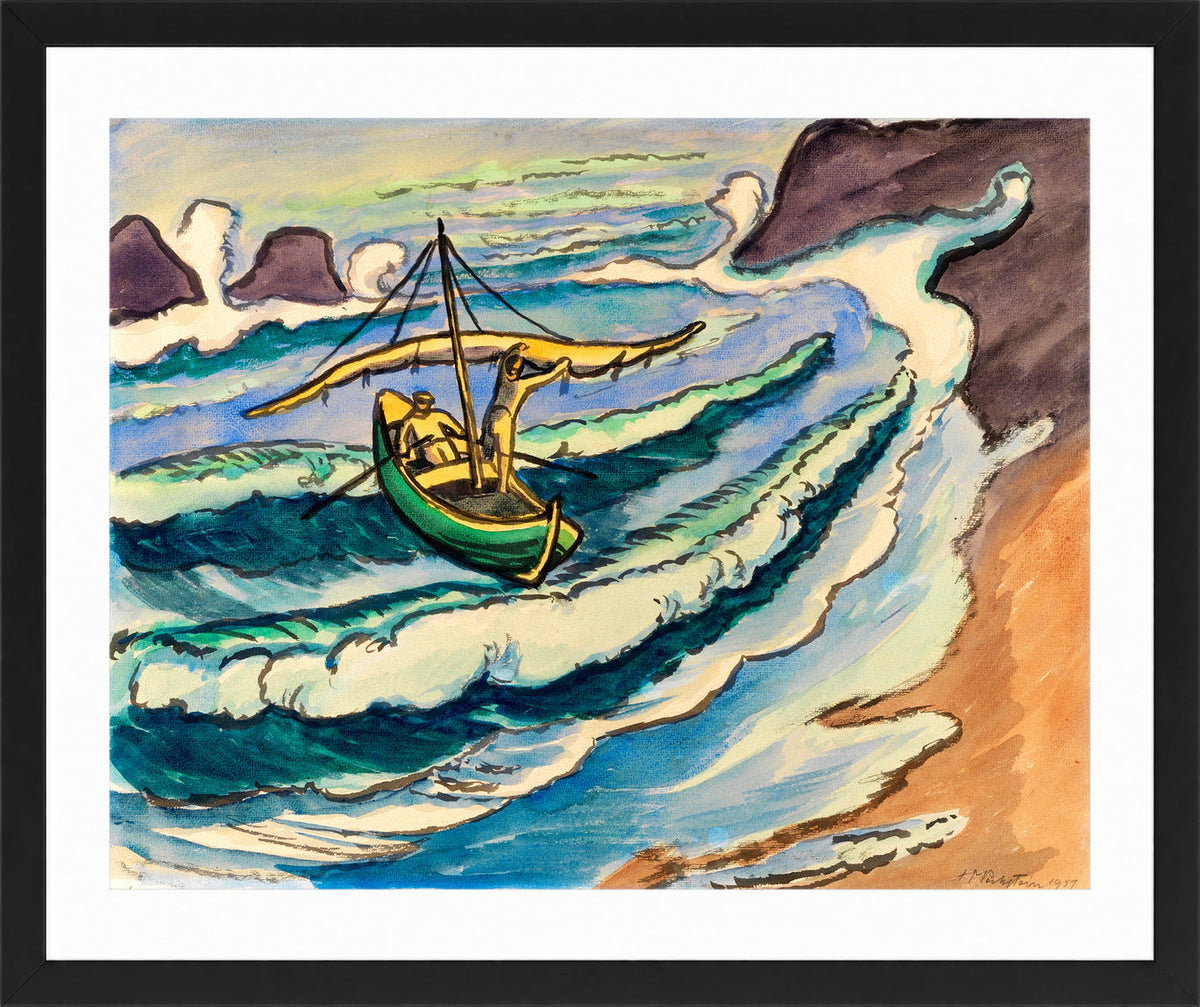
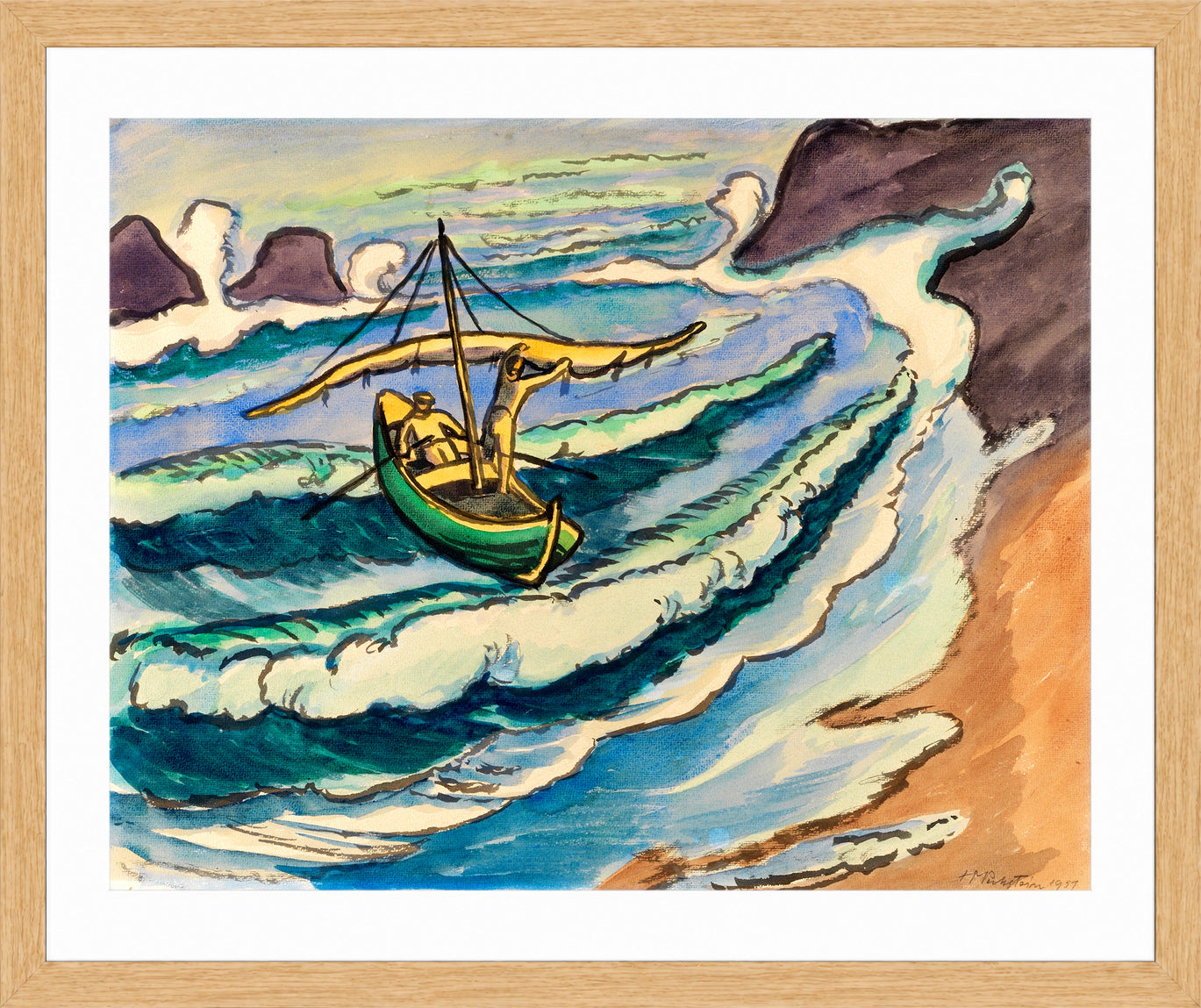
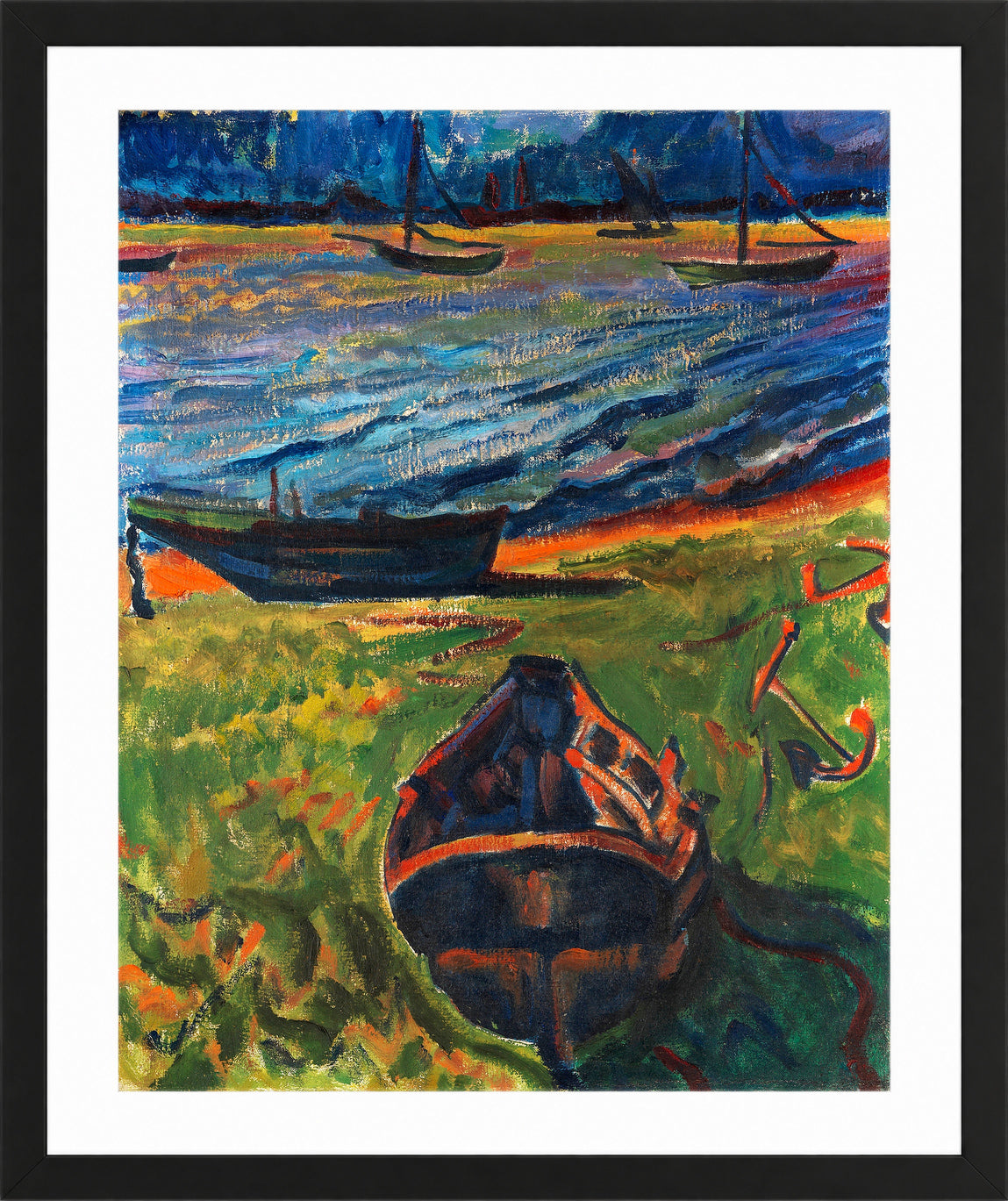
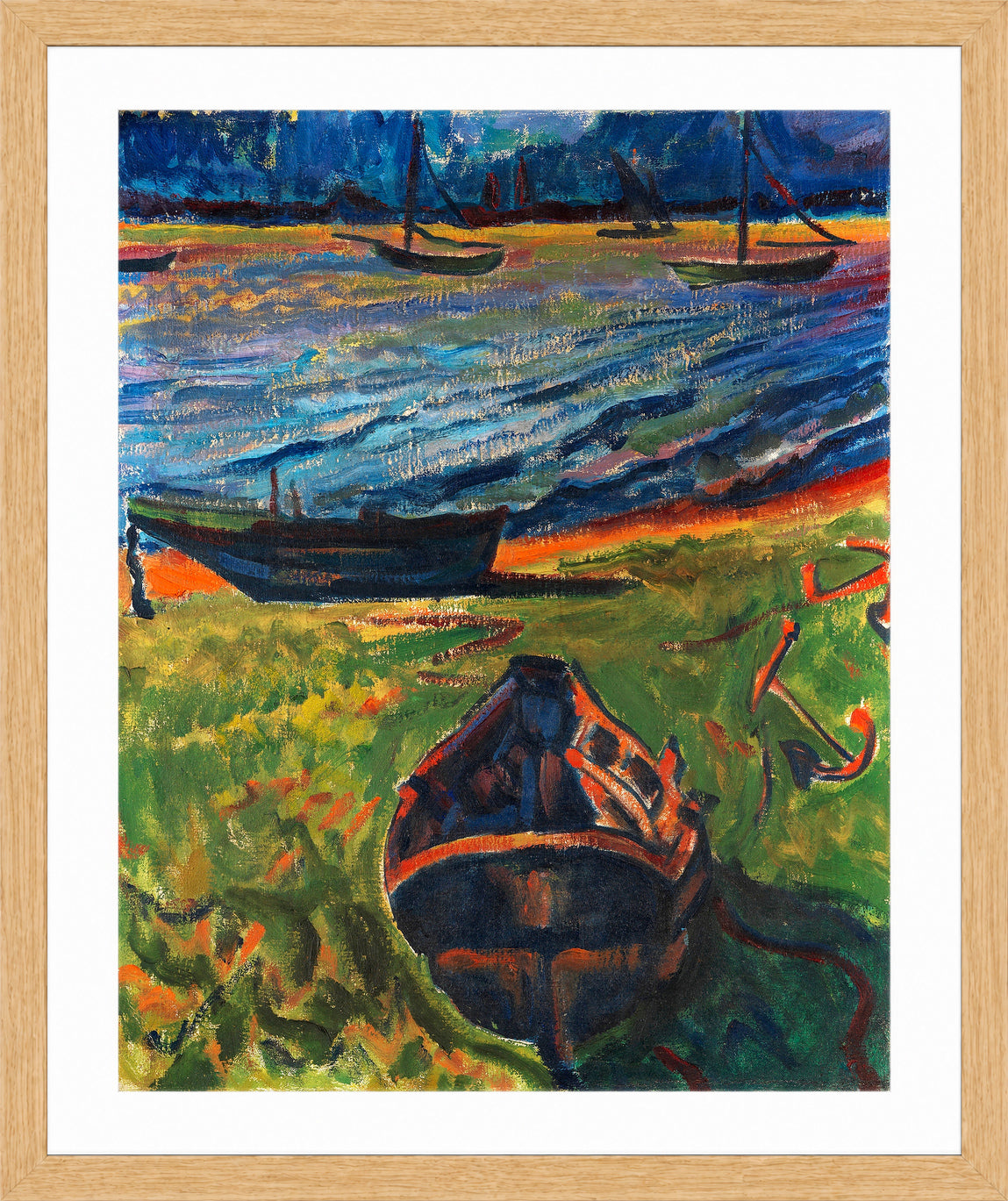
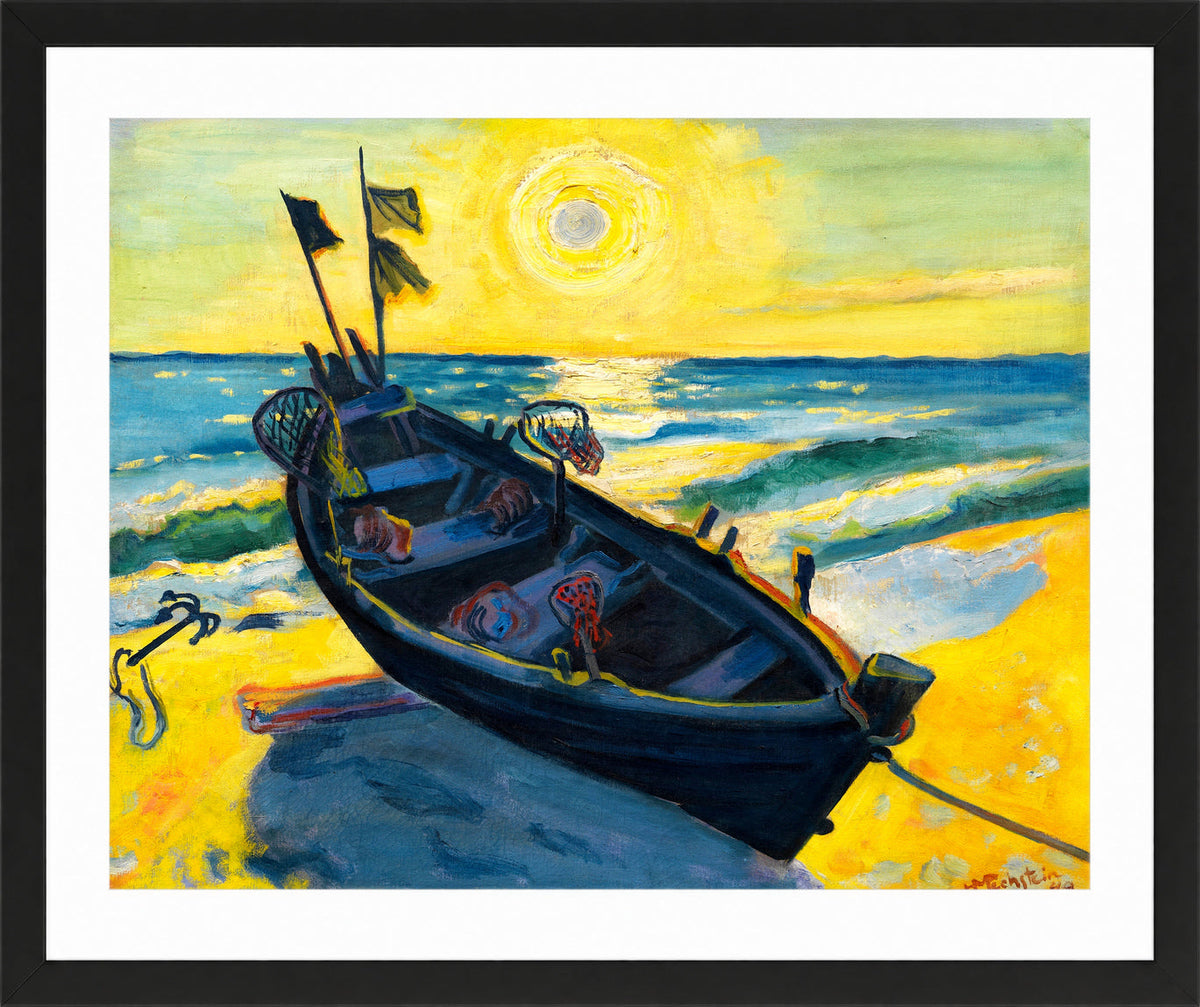
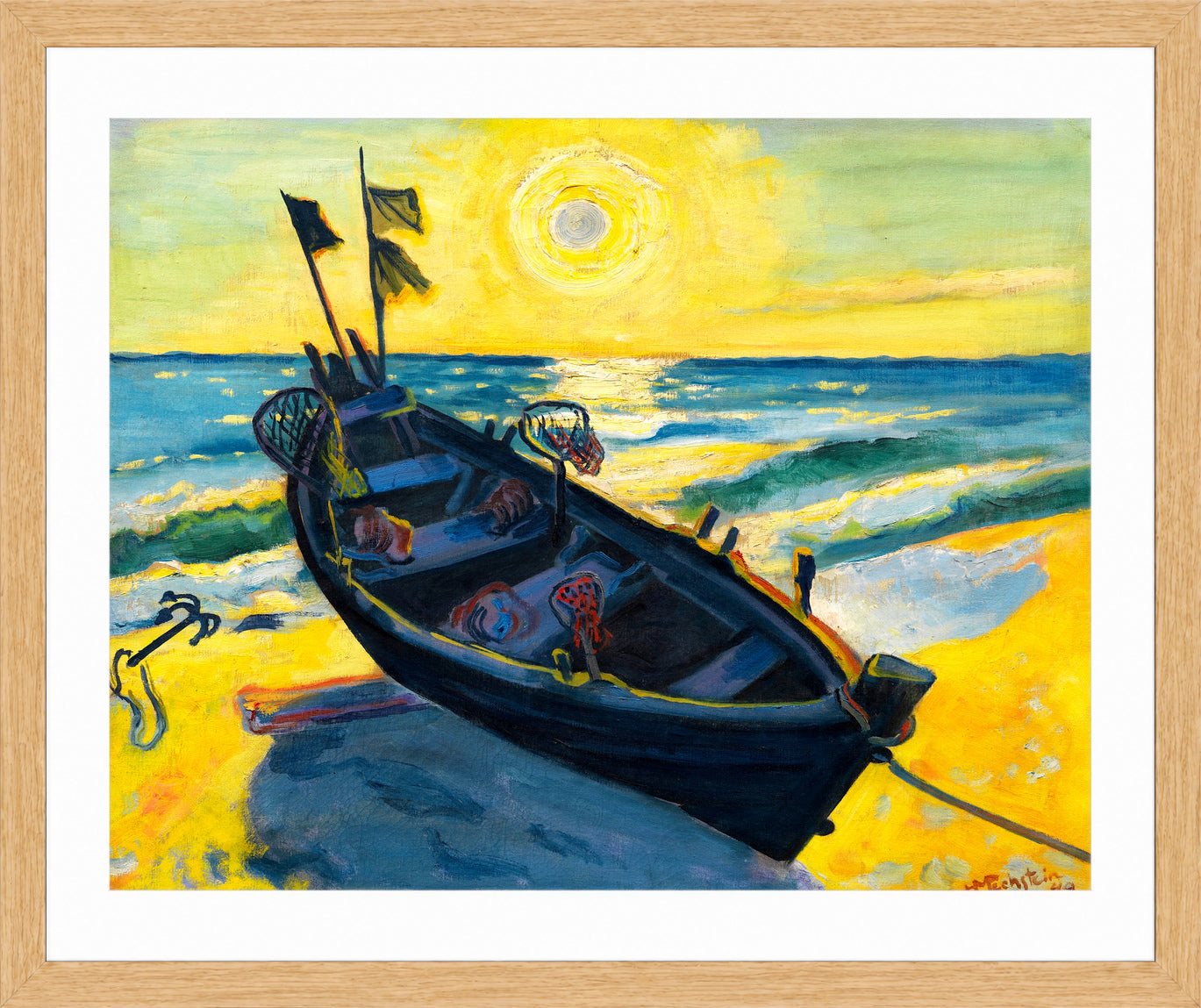
Browse Max Pechstein Coastal, Seascape & Fishing Prints featuring boats, beaches, harbours, fishermen and waterside landscapes. Fishing communities and coastal environments were recurring subjects throughout Pechstein's career and form one of the strongest themes within his work.
Max Pechstein Nude & Bather Prints
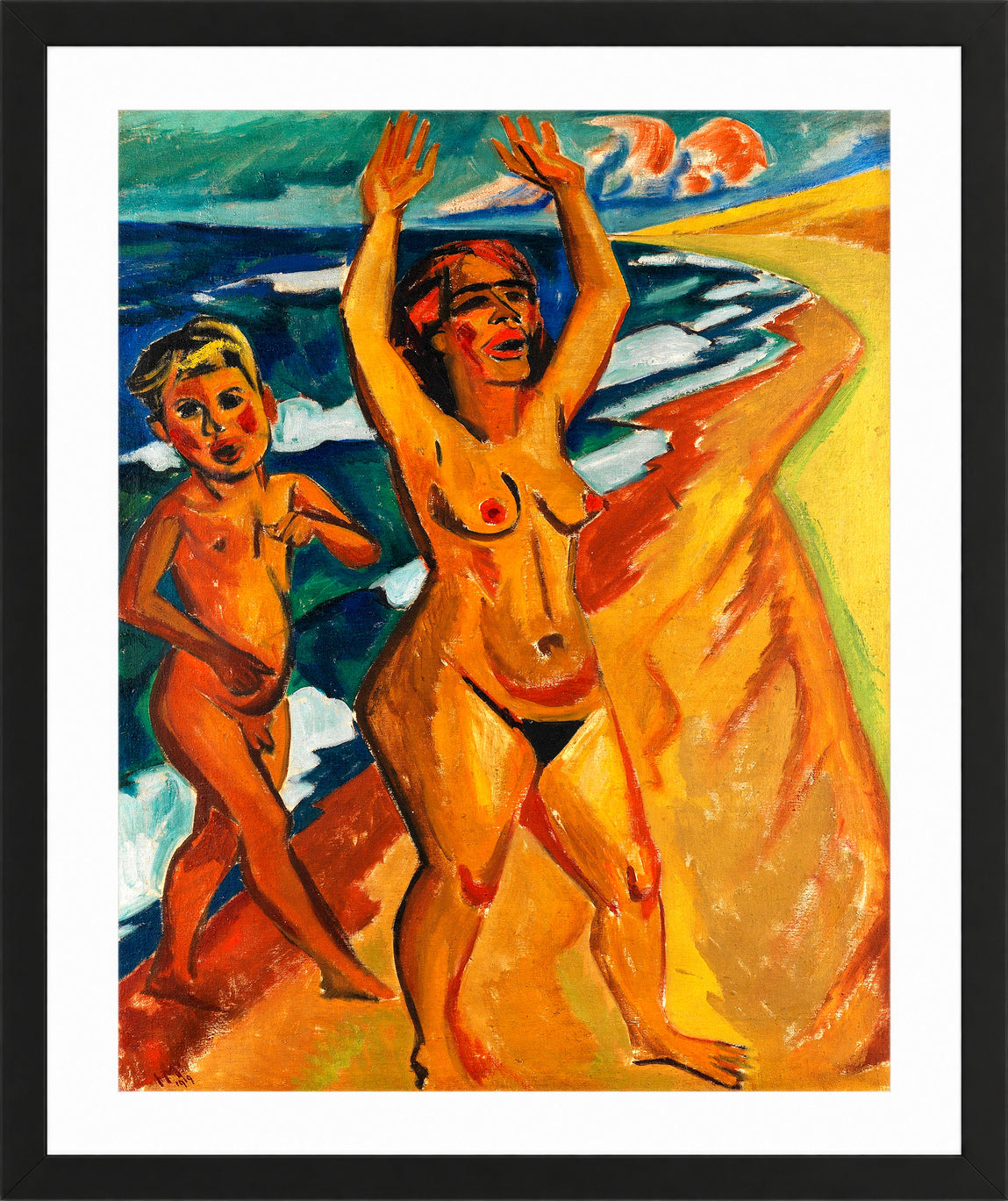
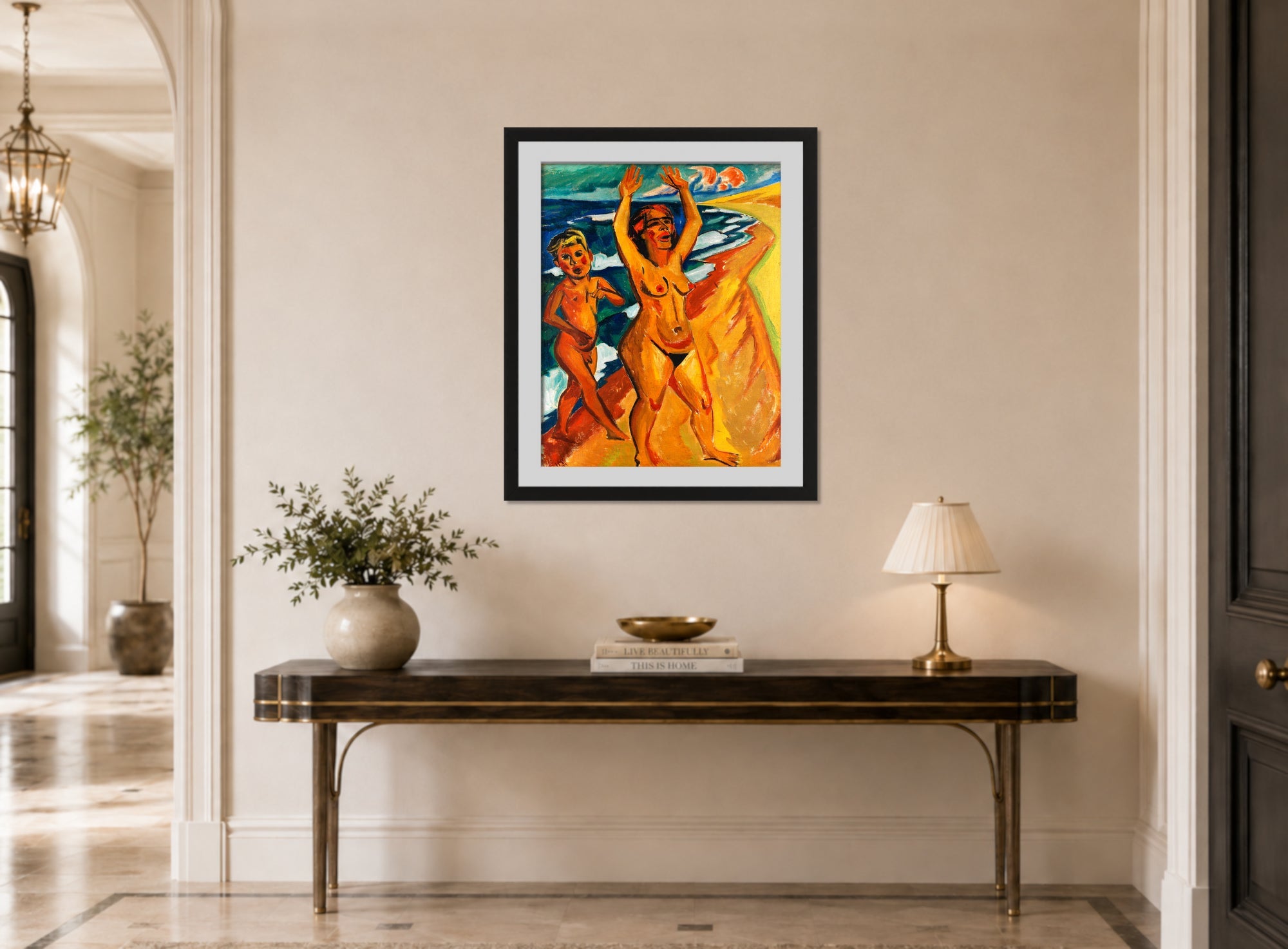
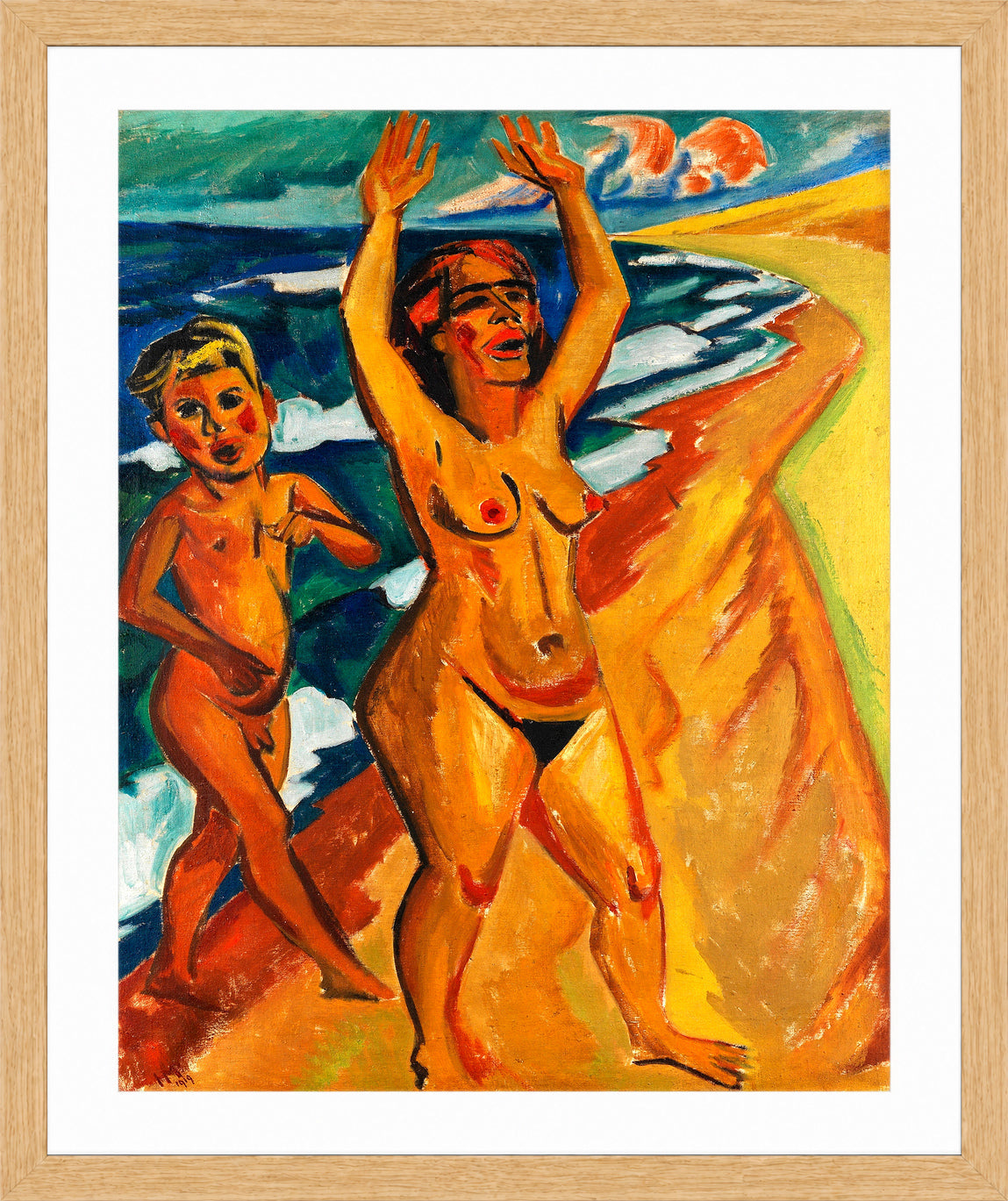
Discover Max Pechstein Nude & Bather Prints, from individual figure studies to bathers beside beaches, lakes and woodland pools. These works show how Pechstein combined the human body with expressive colour, emphatic contour and simplified anatomy.
Max Pechstein Figurative & Portrait Prints
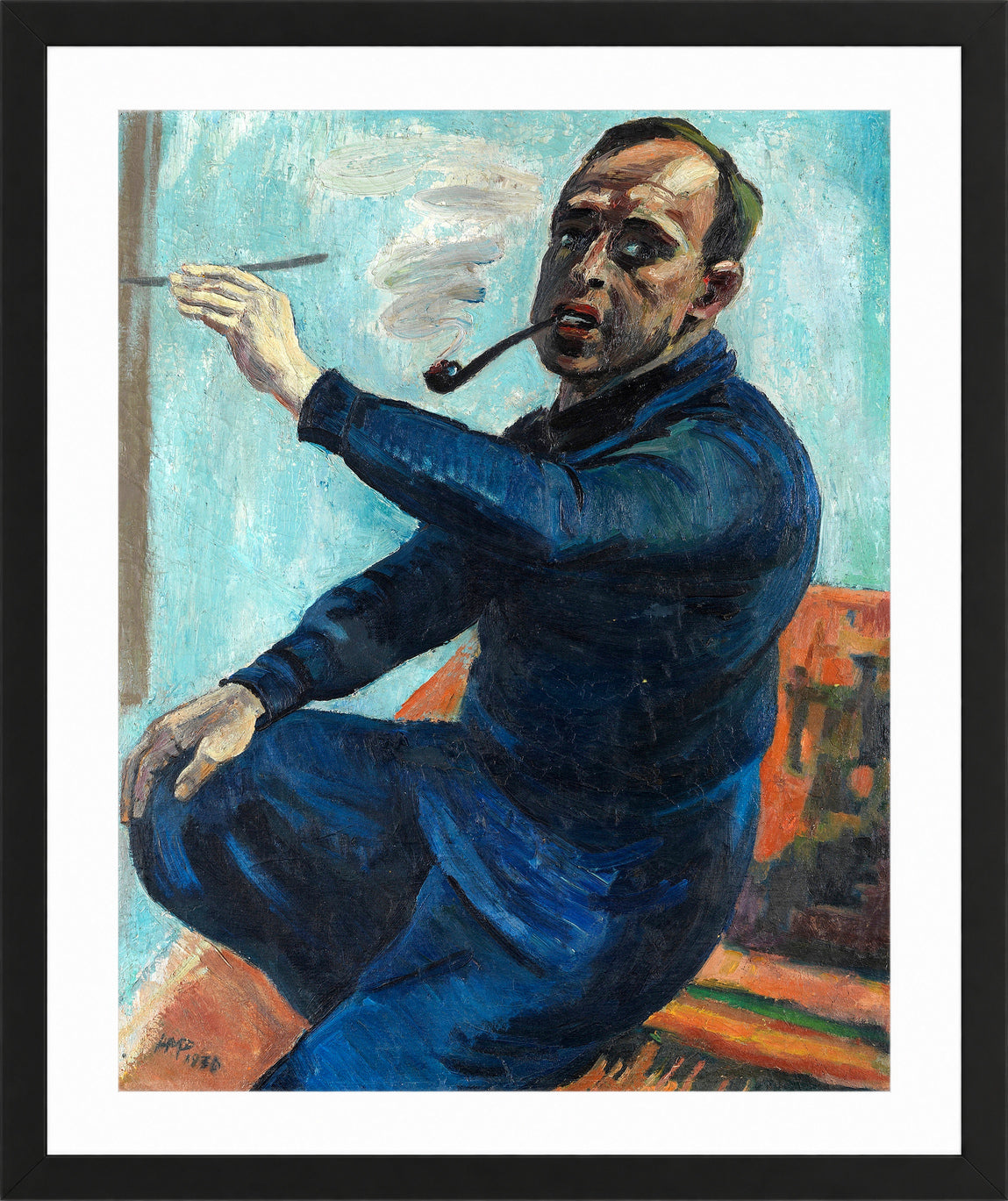
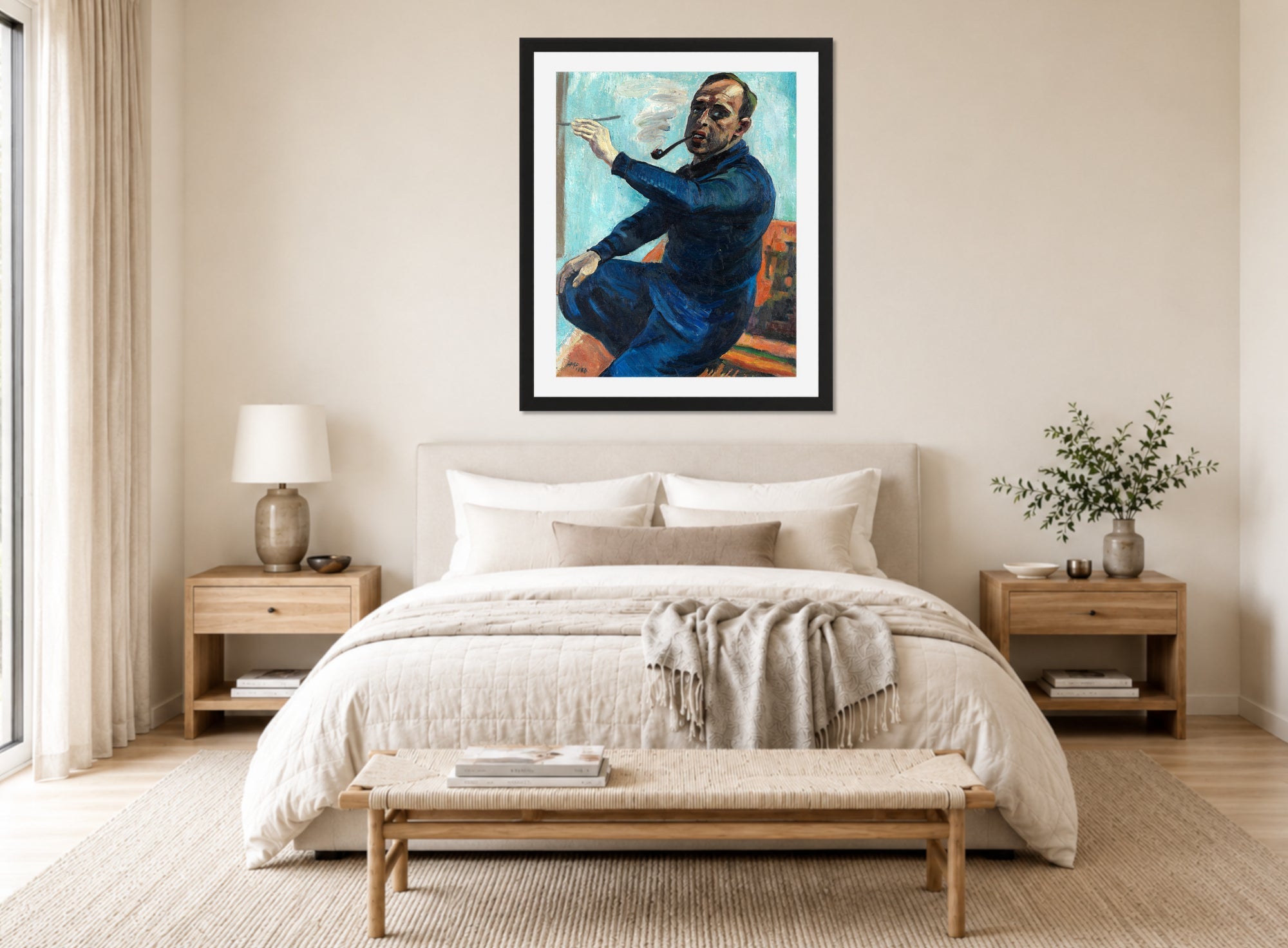
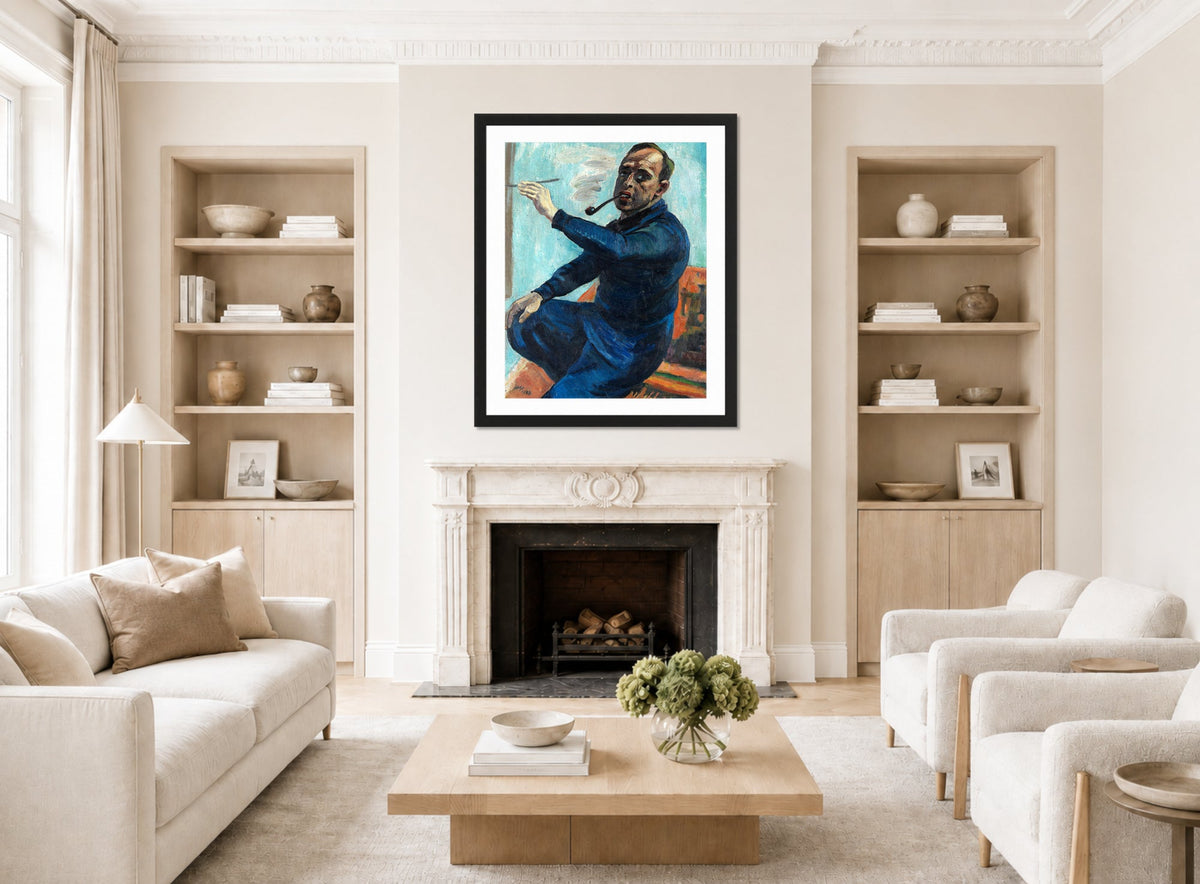
Explore Max Pechstein Figurative & Portrait Prints including portraits, self-portraits, dancers, musicians, families and working figures. Pechstein's treatment of people ranges from concentrated individual likenesses to dynamic scenes of performance and everyday life.
Max Pechstein and Die Brücke
Pechstein joined the German artists' group Die Brücke in Dresden in 1906. Founded the previous year, the group sought a more immediate and emotionally direct alternative to traditional academic painting.
Pechstein brought formal art-school training to a circle whose founding members had largely studied architecture. His contact with artists including Ernst Ludwig Kirchner, Erich Heckel and Karl Schmidt-Rottluff encouraged an increasingly liberated approach to colour, drawing and composition.
After moving to Berlin in 1908, Pechstein continued to work closely with the Brücke artists while also developing a wider reputation in the German art world. He left the group in 1912 after exhibiting independently with the Berlin Secession.
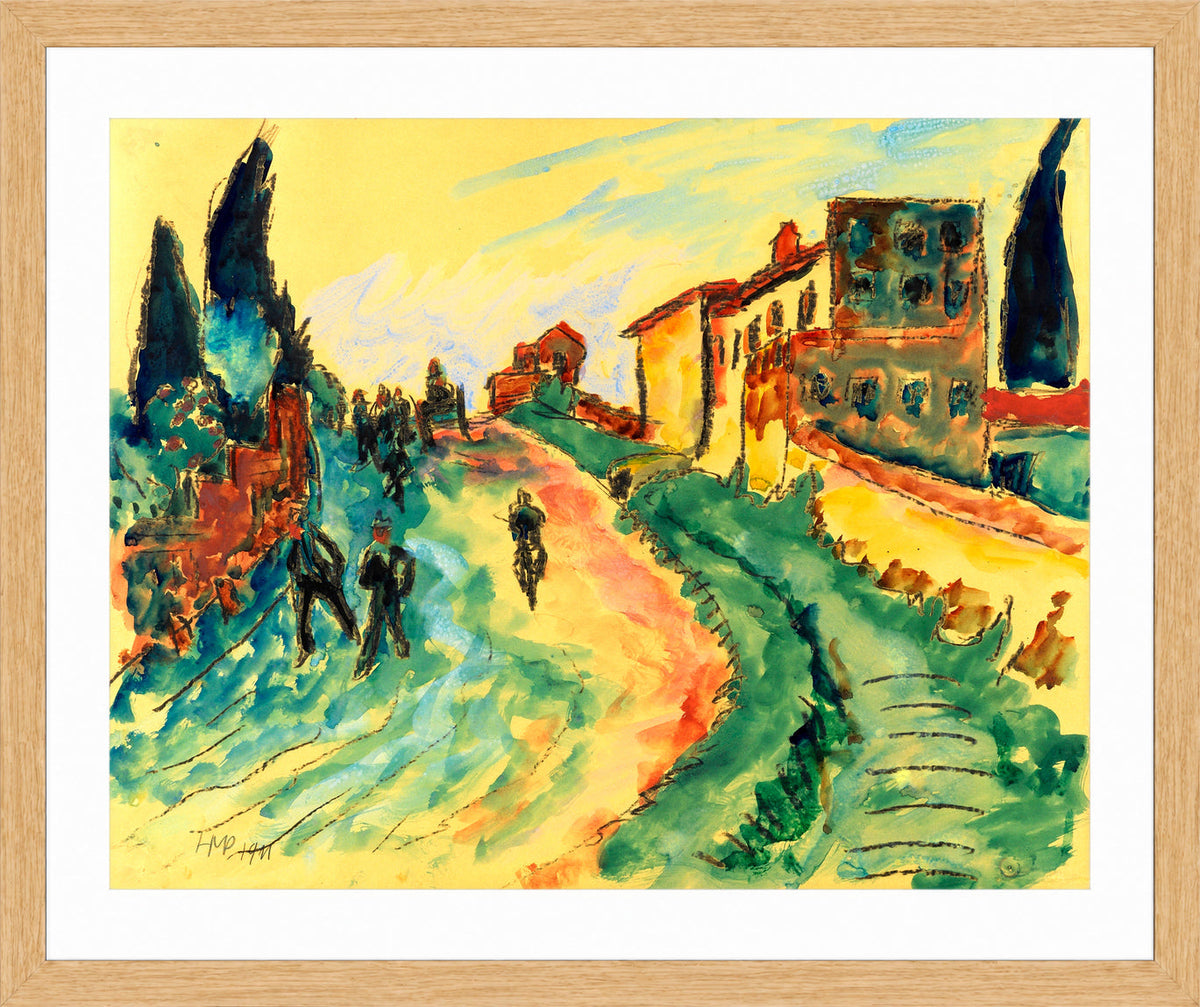
During these formative years his work became increasingly characterised by flattened areas of colour, vigorous outlines and simplified forms. The result was a style capable of making landscapes and figures feel both immediate and intensely expressive.
Colour and the Influence of Modern French Painting
Pechstein travelled to Paris and encountered the work of artists including Vincent van Gogh, Paul Gauguin and Henri Matisse. Their use of colour and simplified form contributed to his transition away from conventional naturalism towards Expressionism.
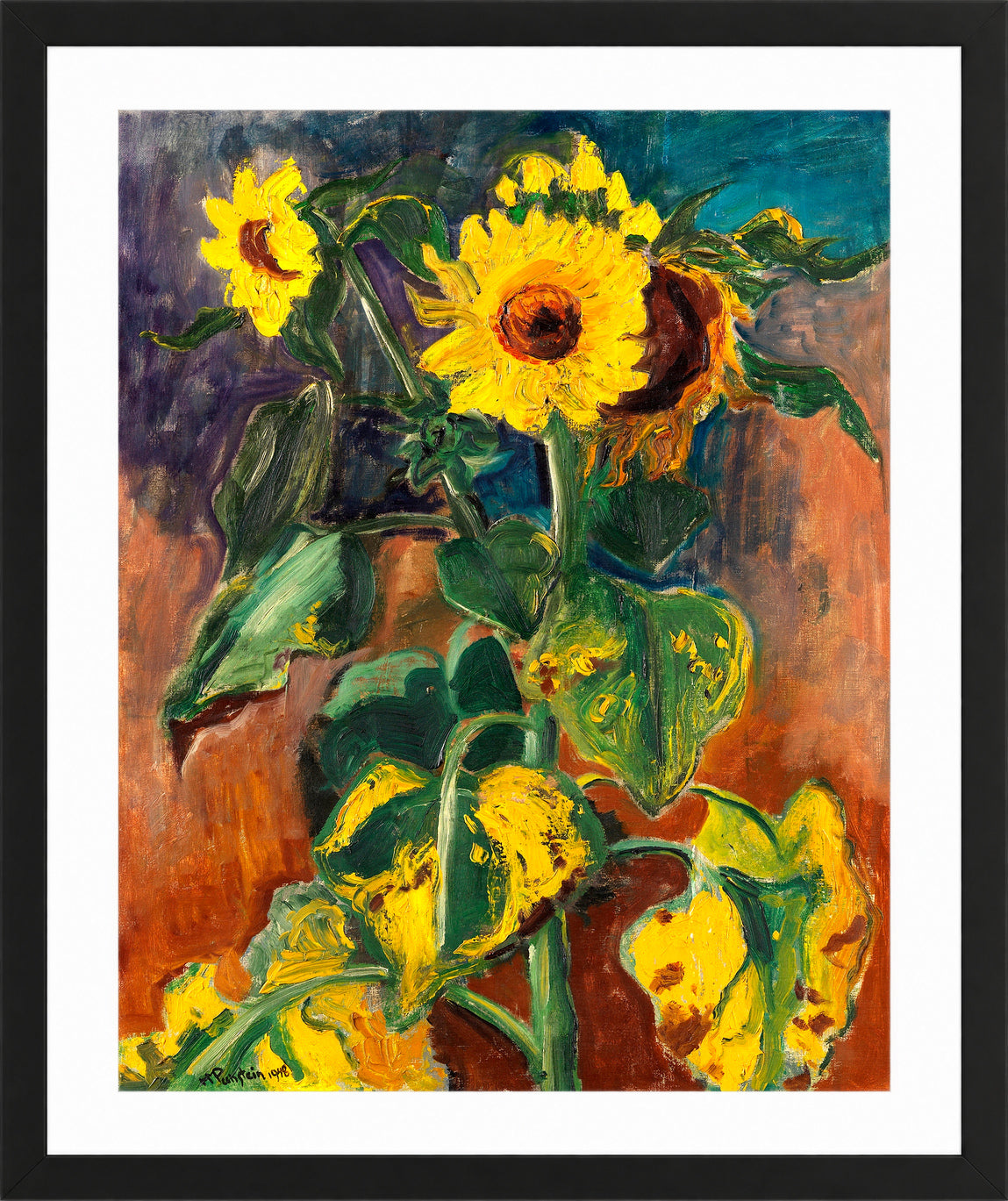
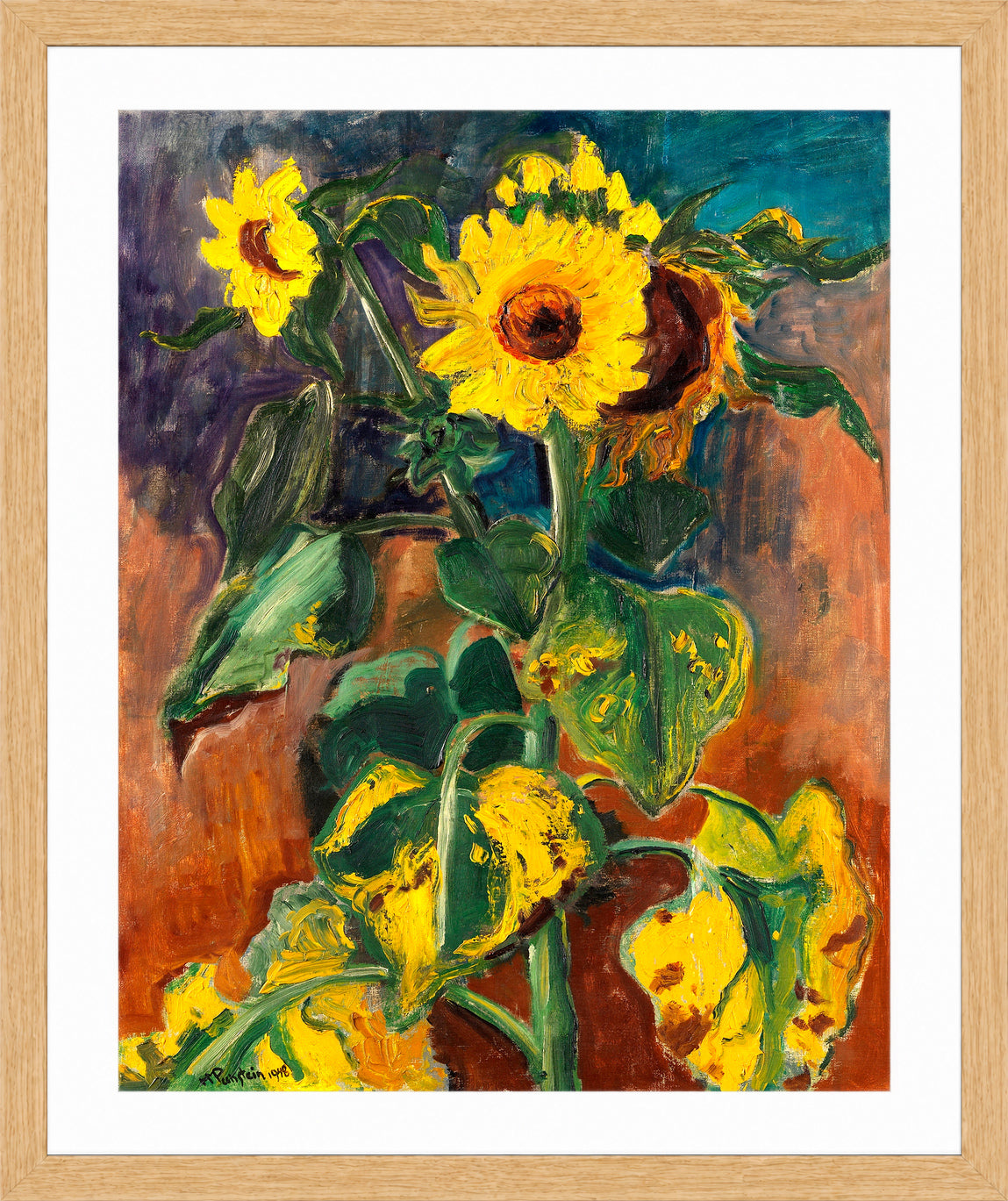
The connection with the brilliant, non-naturalistic colour of French modern painting is particularly apparent in many of Pechstein's landscapes and figure paintings. Reds, blues, greens, yellows and violets frequently become structural and emotional elements rather than simply descriptions of local colour.
Visitors interested in this parallel development of expressive colour can also explore GalleryThane's Fauvism Prints.
Landscapes, Figures and Coastal Subjects
Landscape played an important role throughout Pechstein's career.
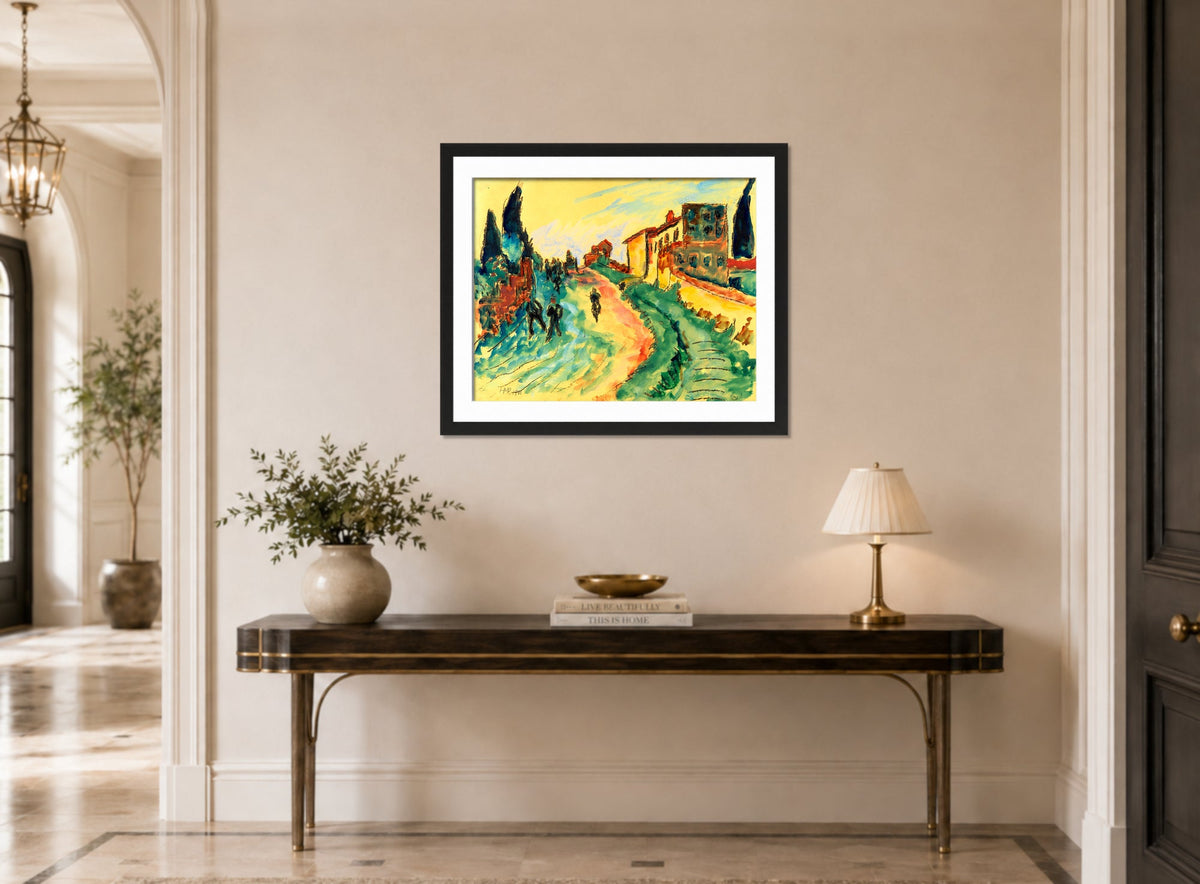
Rather than recording scenery with photographic accuracy, he frequently simplified hills, trees, buildings, water and sky into broad areas of colour. Strong contours and compressed perspective give many of these works a distinctive rhythm and decorative intensity. The dedicated Max Pechstein Landscape Prints collection brings together his forests, fields, lakes, villages and other scenic subjects.
Coastal environments were particularly important to him. Fishing communities, beaches, boats and figures beside the sea provided subjects in which the movement of water and the shapes of the surrounding landscape could be transformed through expressive colour and vigorous brushwork. These works can be explored together in Max Pechstein Coastal, Seascape & Fishing Prints.
Human figures are equally central to Pechstein's art. Portraits, bathers, dancers and working people appear throughout his paintings and prints, often rendered with the same simplified shapes and emphatic outlines found in his landscapes. Browse Max Pechstein Figurative & Portrait Prints for portraits and figure compositions, or Max Pechstein Nude & Bather Prints for his more focused exploration of the unclothed figure.
Max Pechstein as a Printmaker
Pechstein was also an exceptionally productive printmaker, producing hundreds of lithographs, woodcuts and other graphic works during his career.
Printmaking was particularly important within German Expressionism because techniques such as the woodcut encouraged bold contrasts, simplified shapes and forceful lines. Pechstein used these qualities to create images that could be as visually intense as his paintings.
His graphic work forms an important part of the wider history of Expressionism and demonstrates how easily his distinctive style could move between painting, drawing and print.
Hermann Max Pechstein Prints for Contemporary Interiors
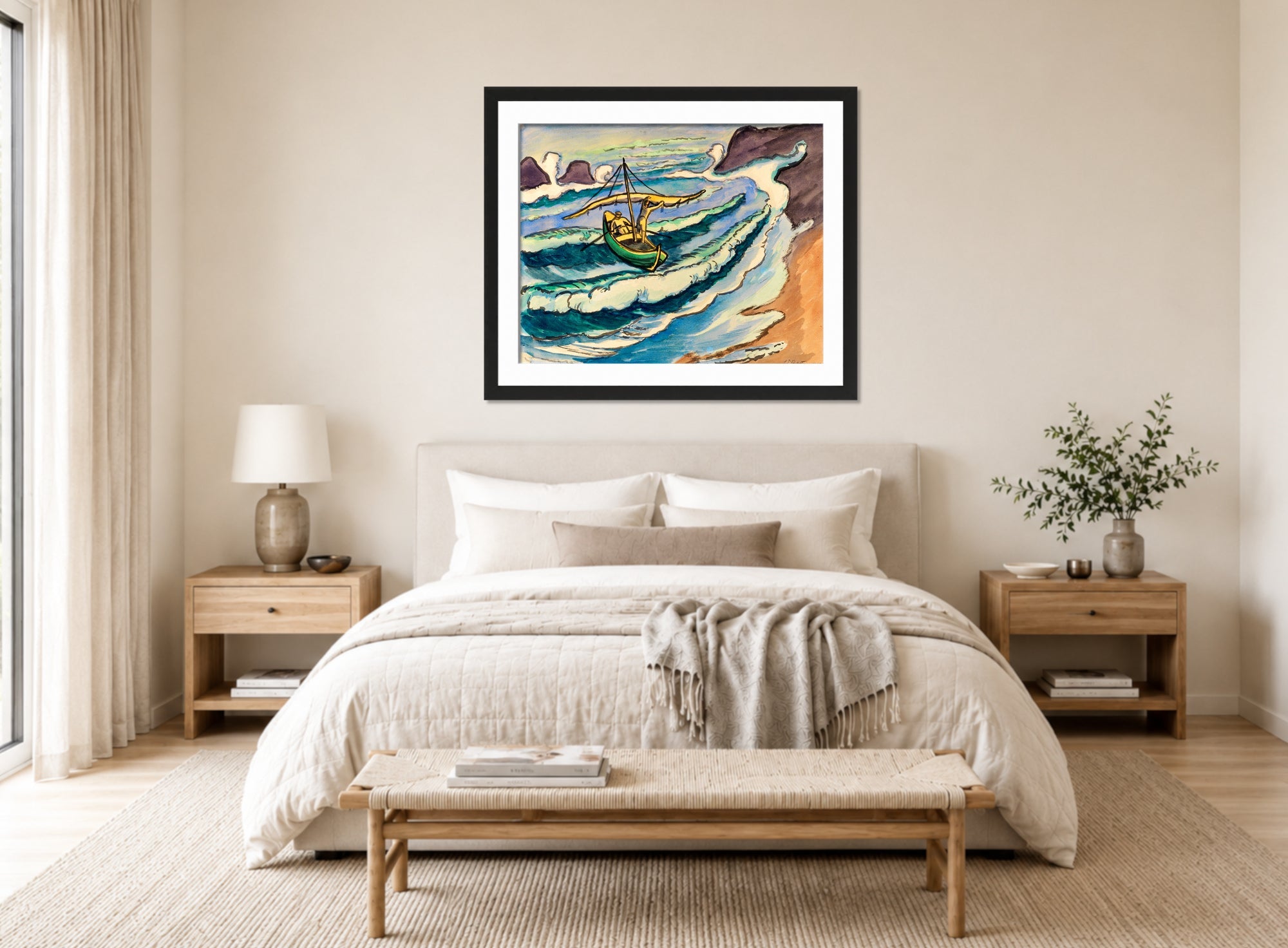
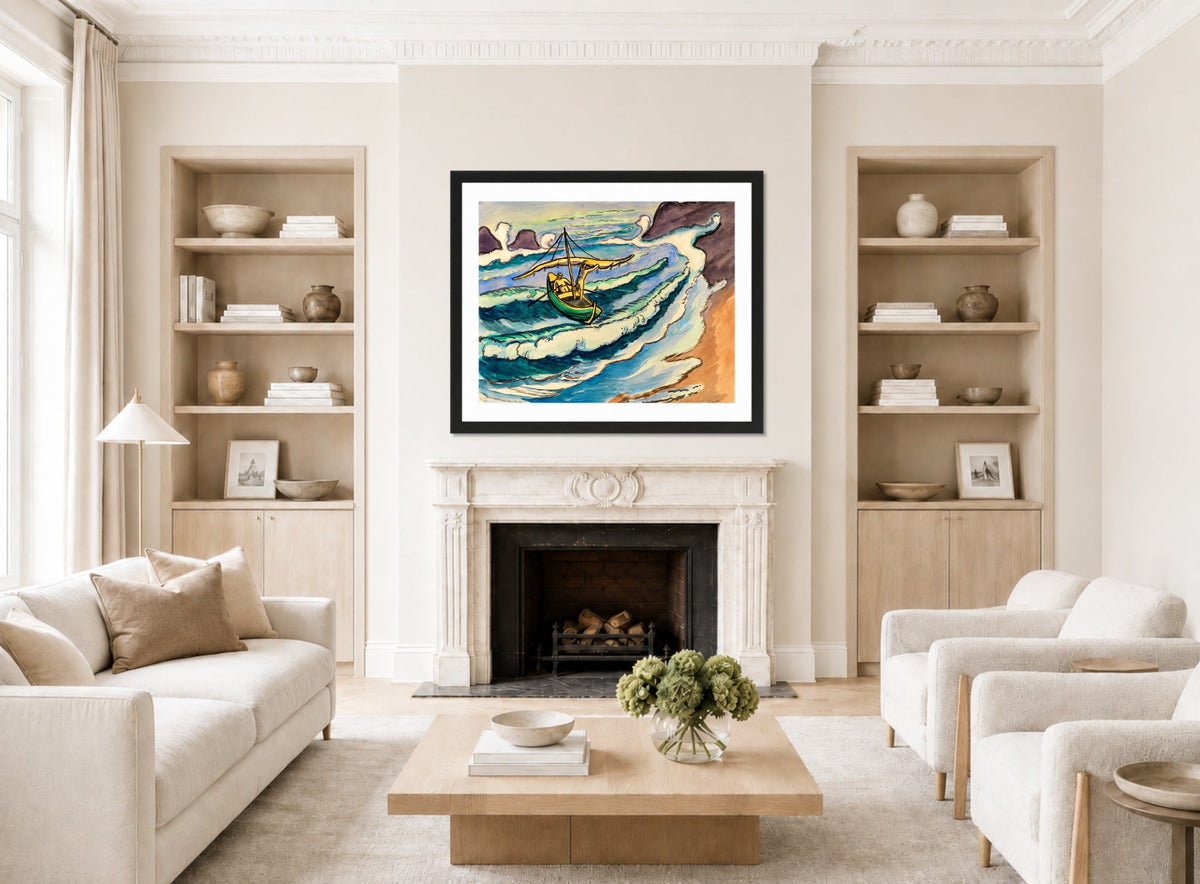
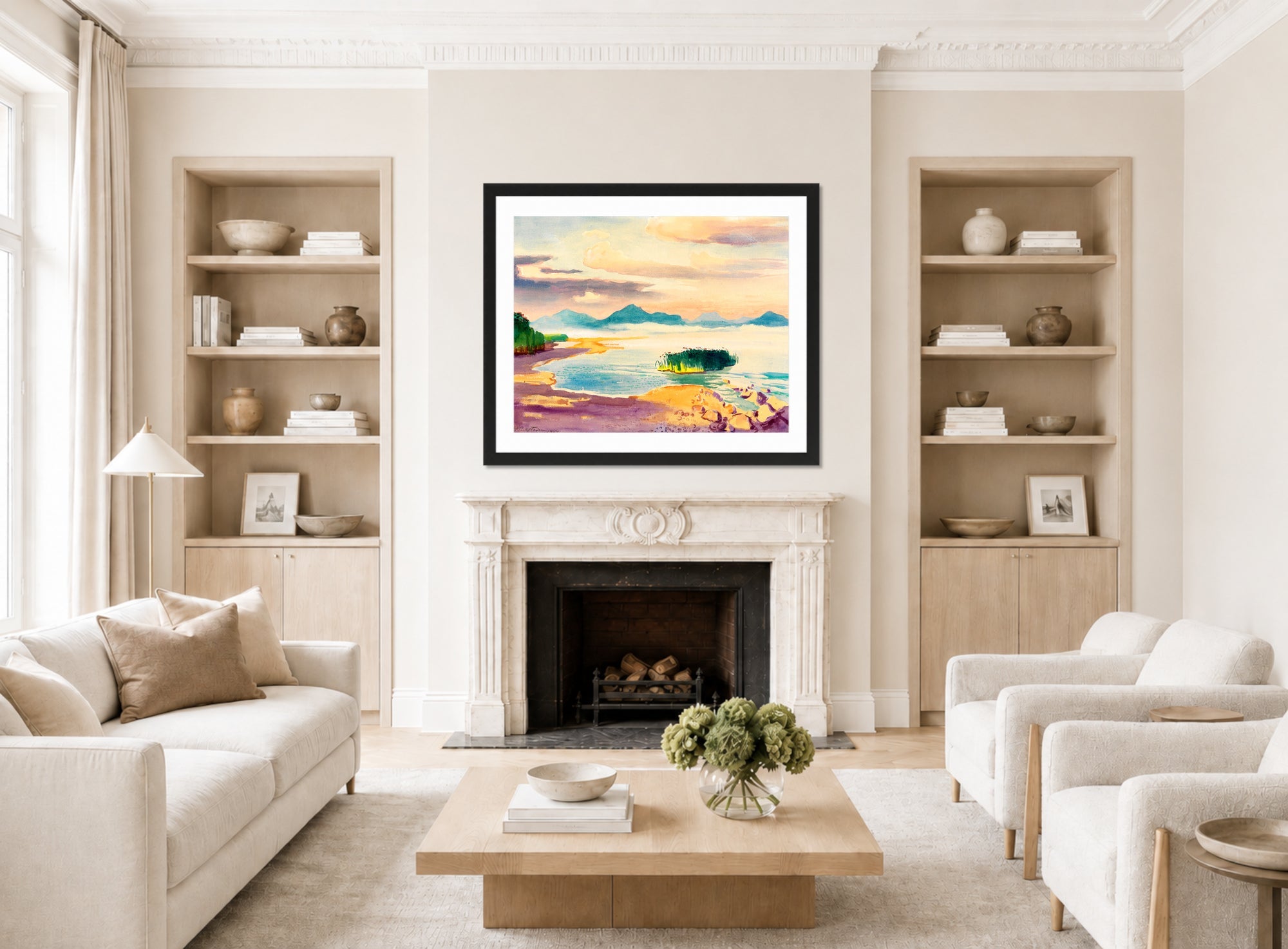
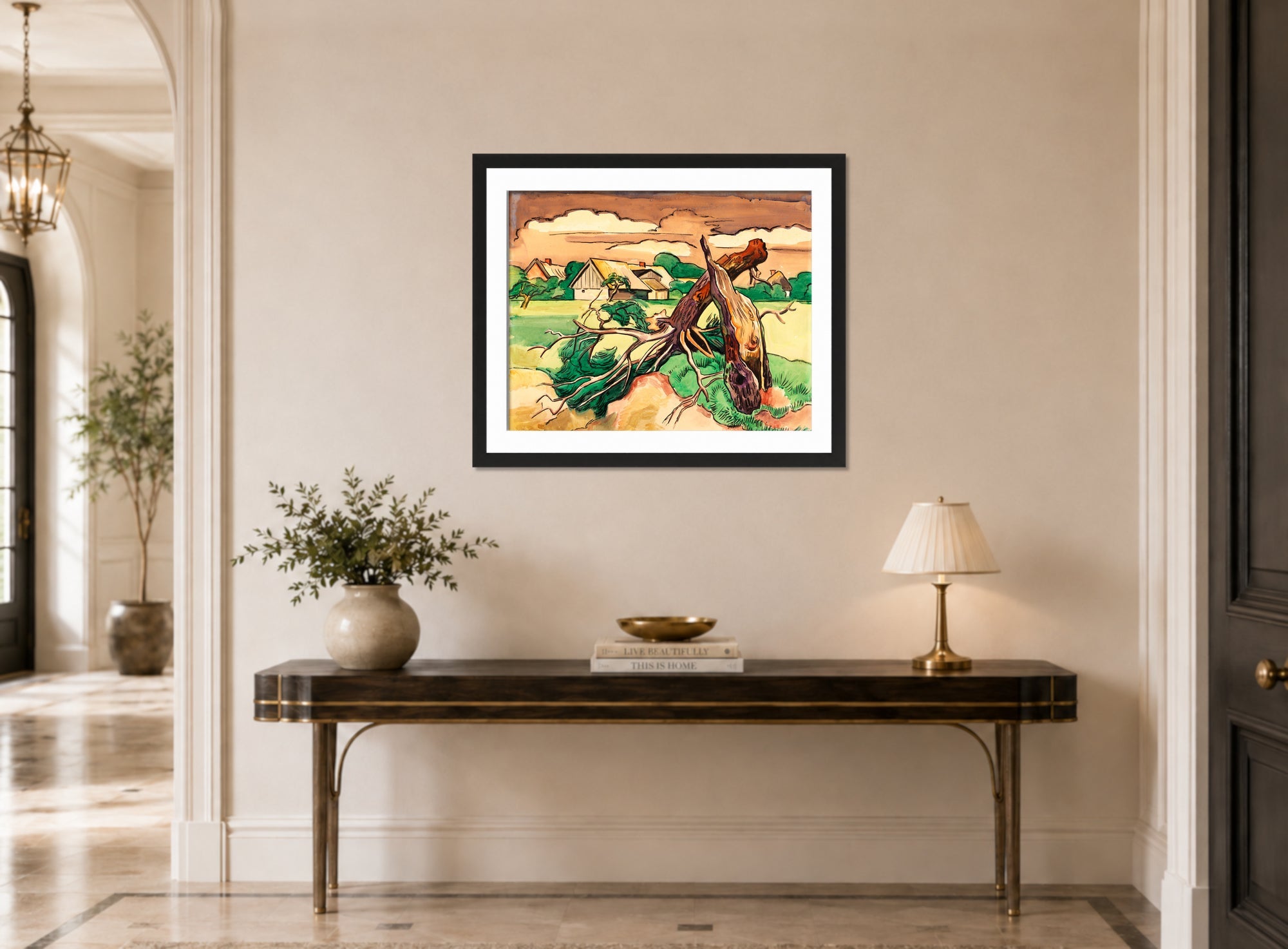
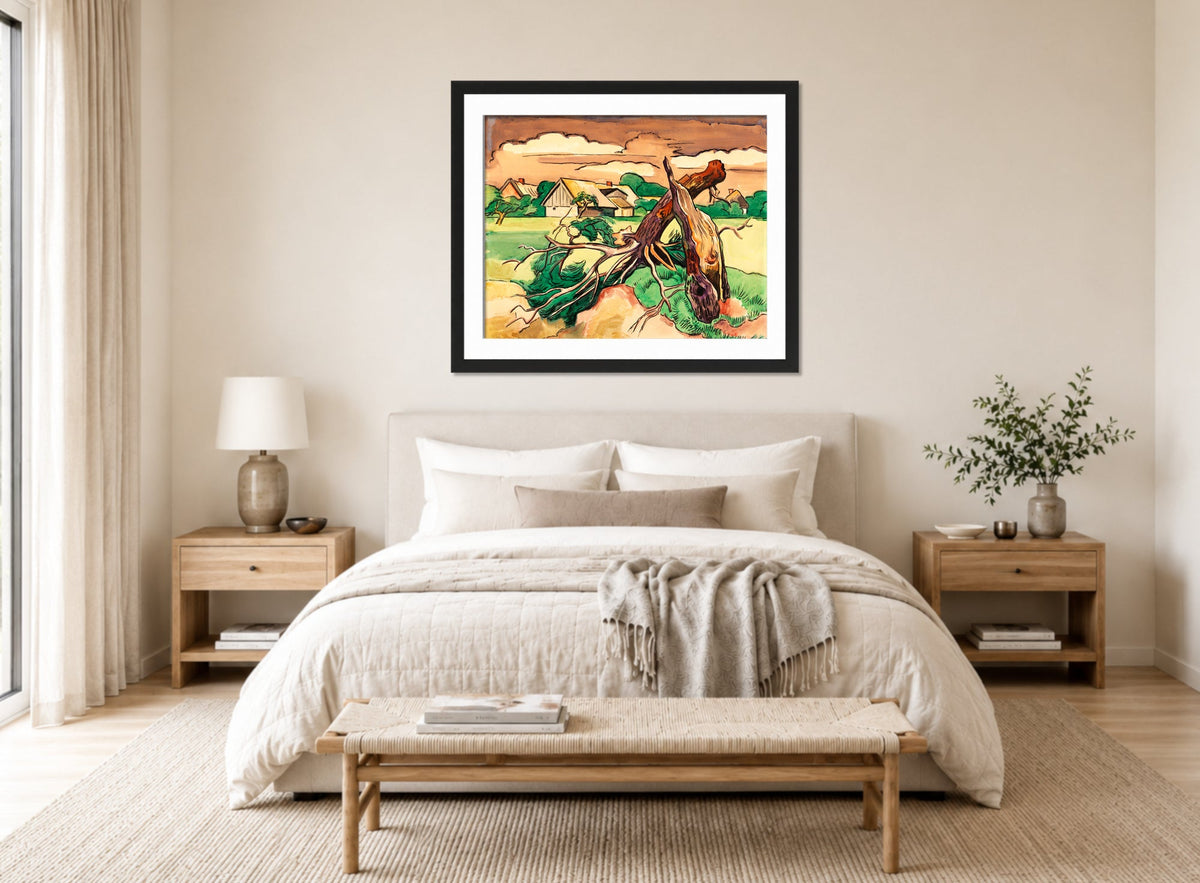
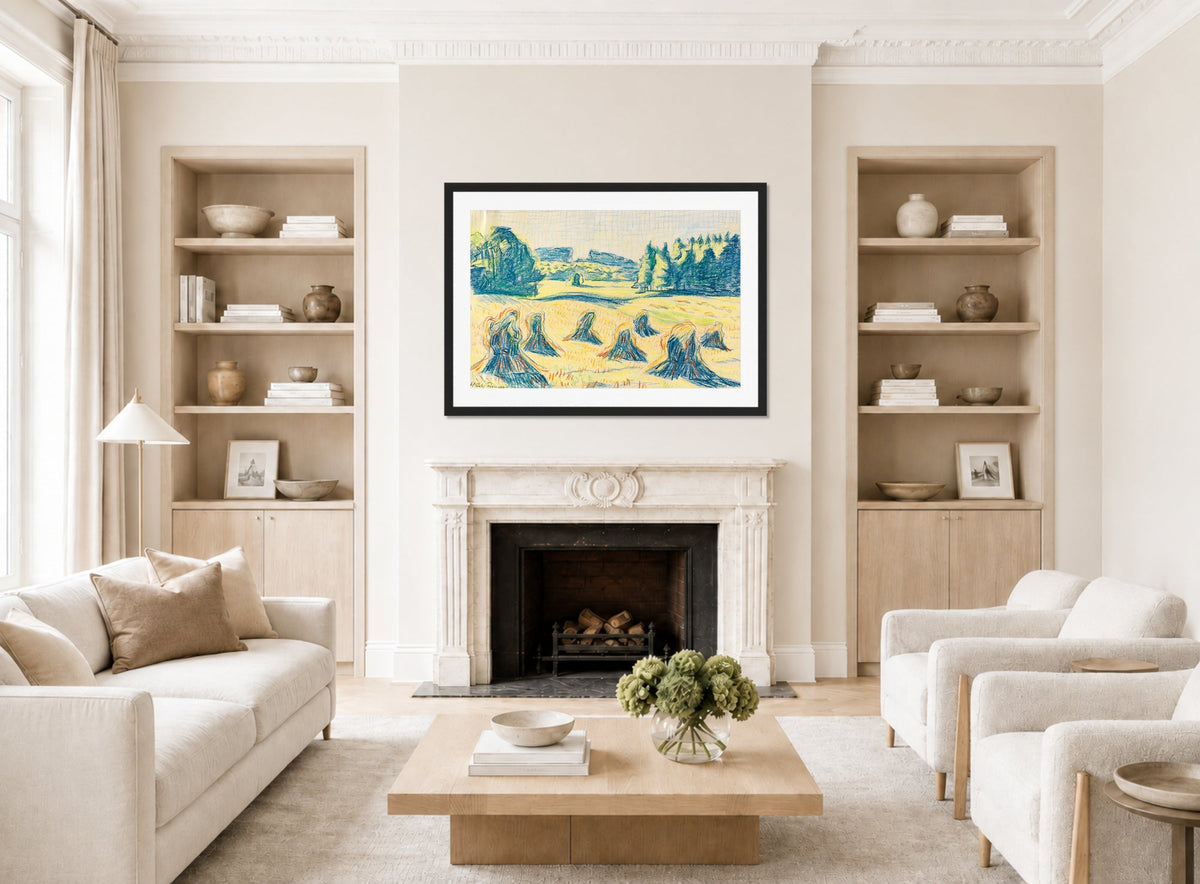
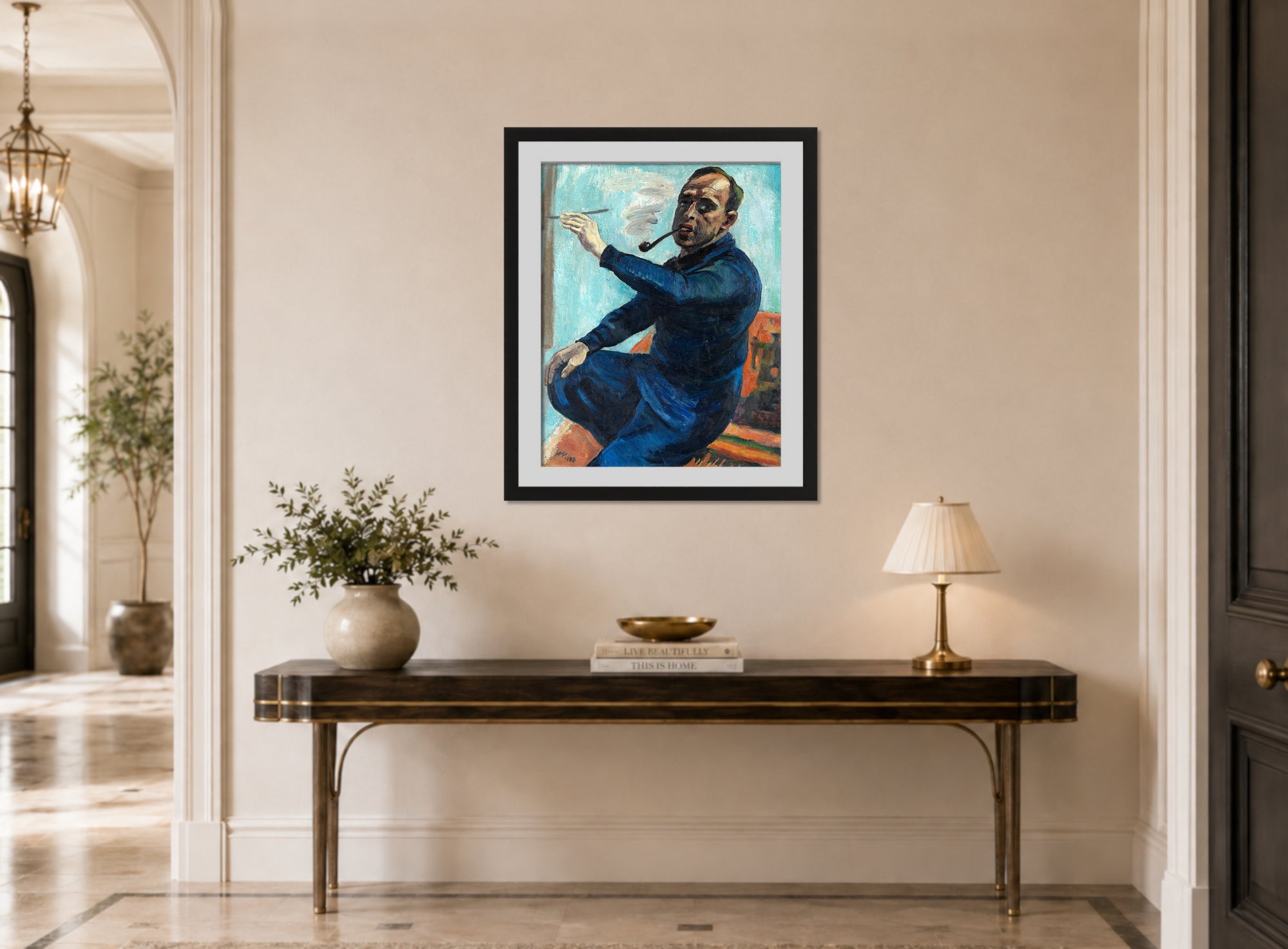
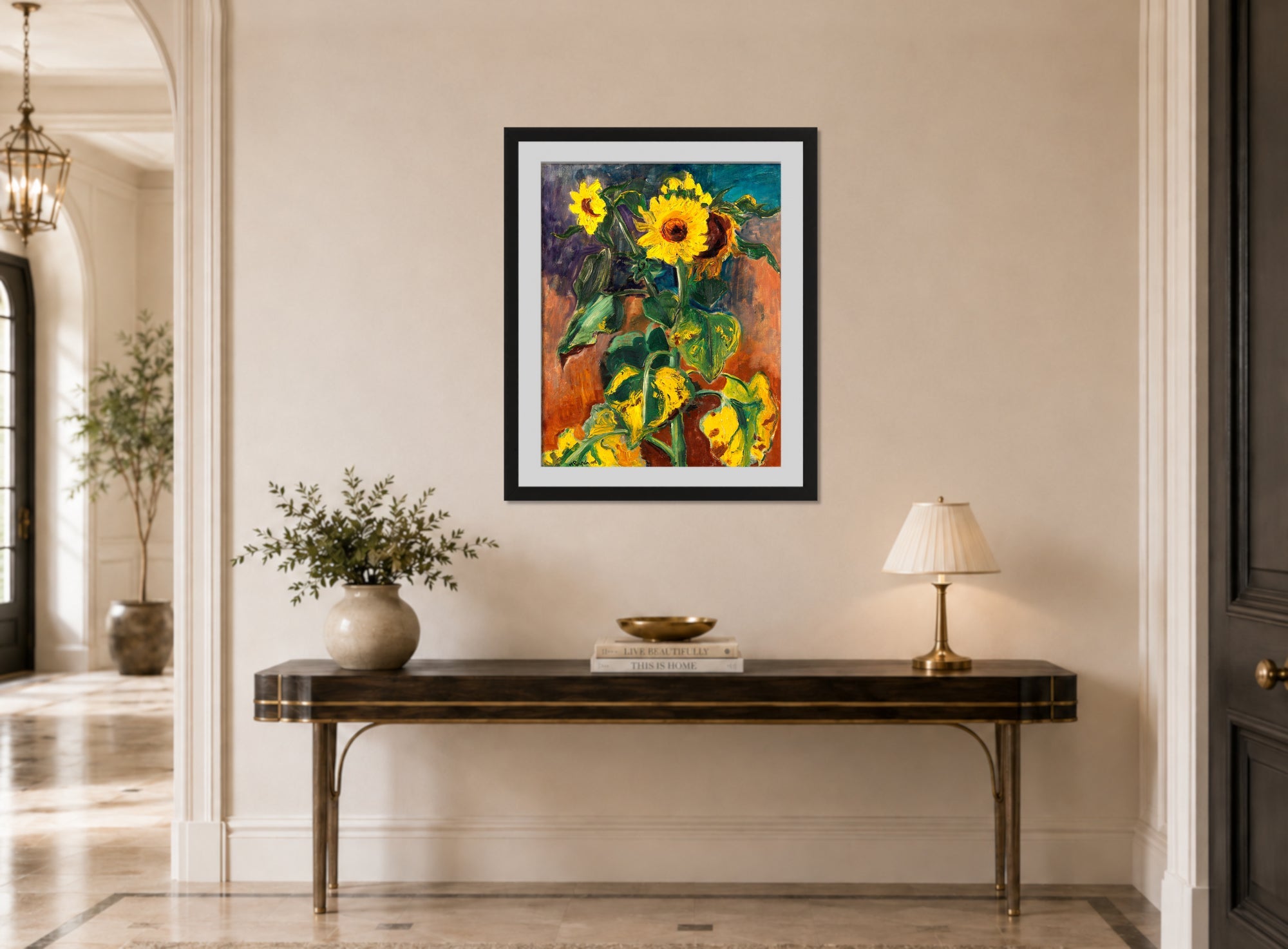
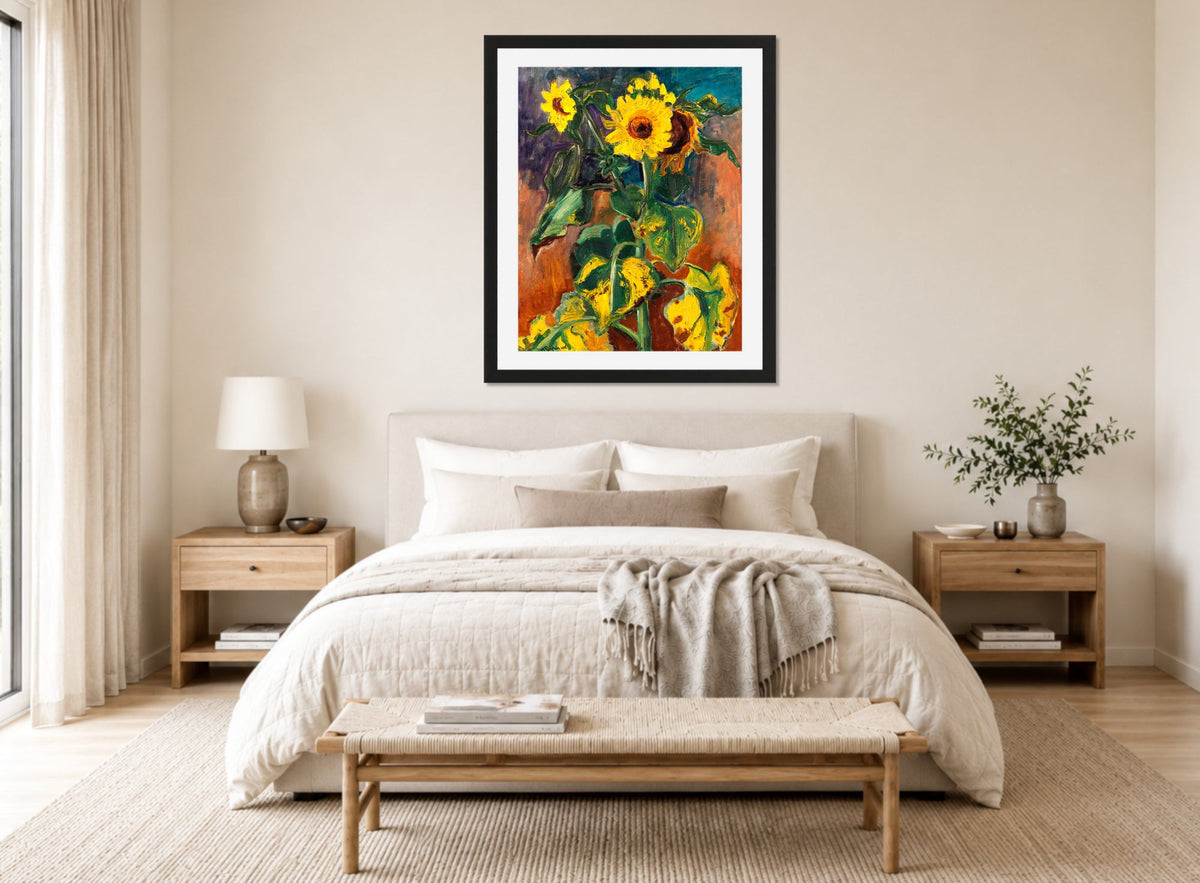
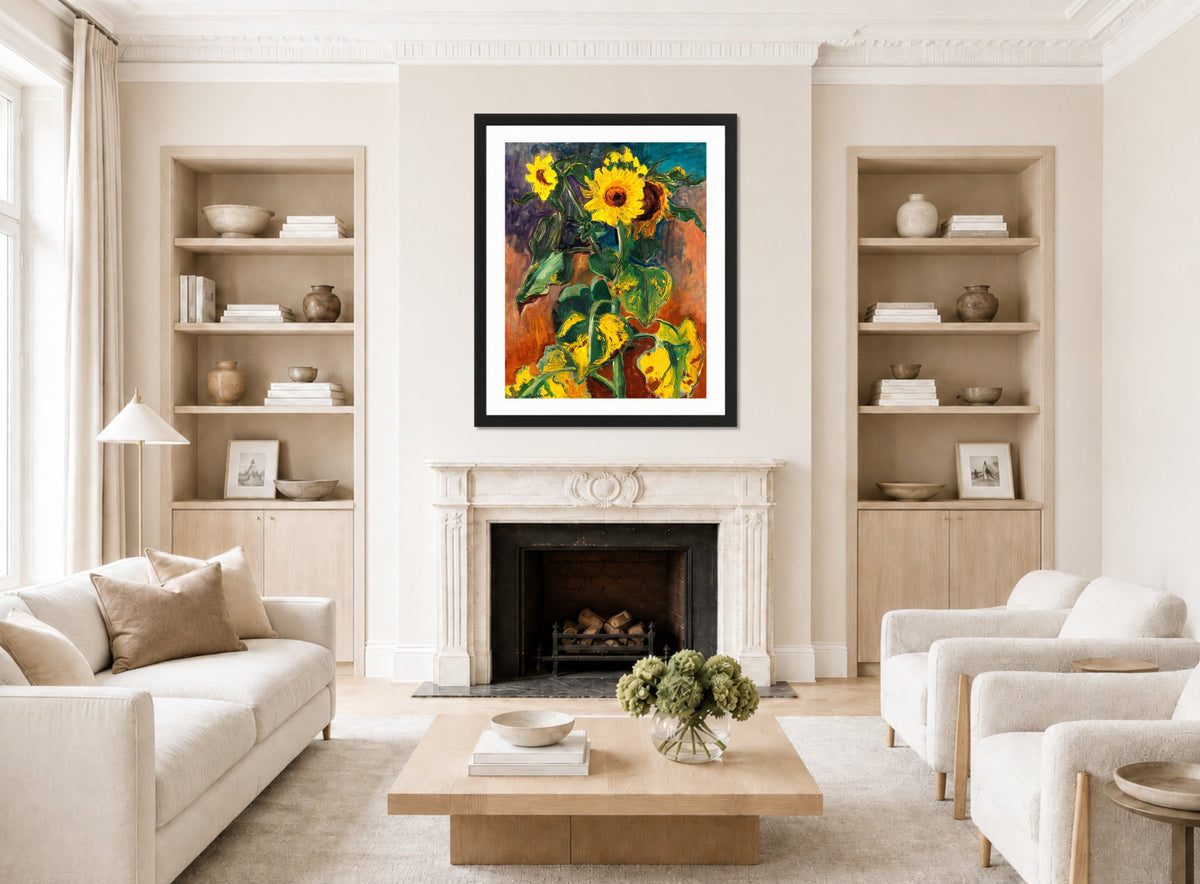
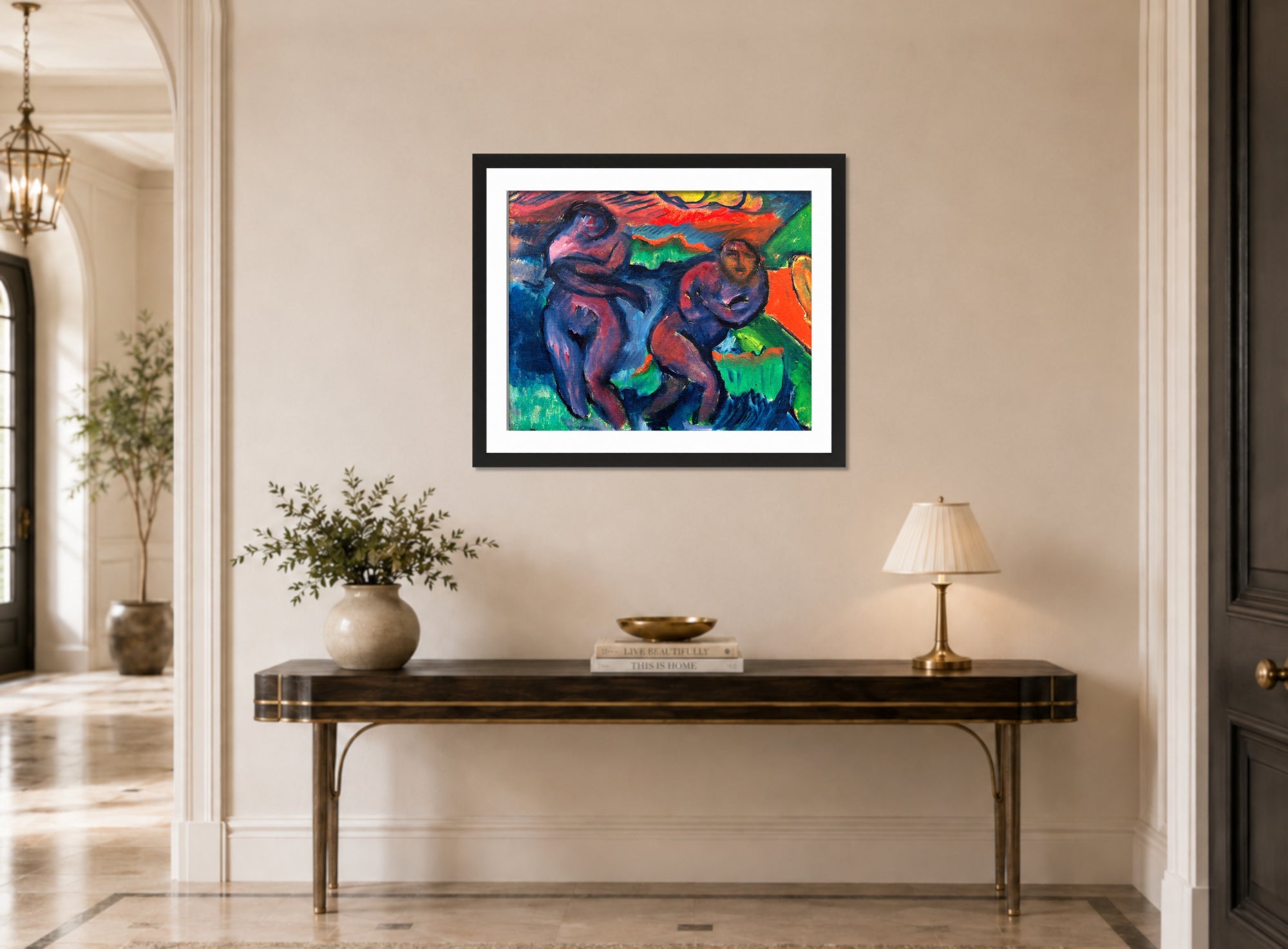
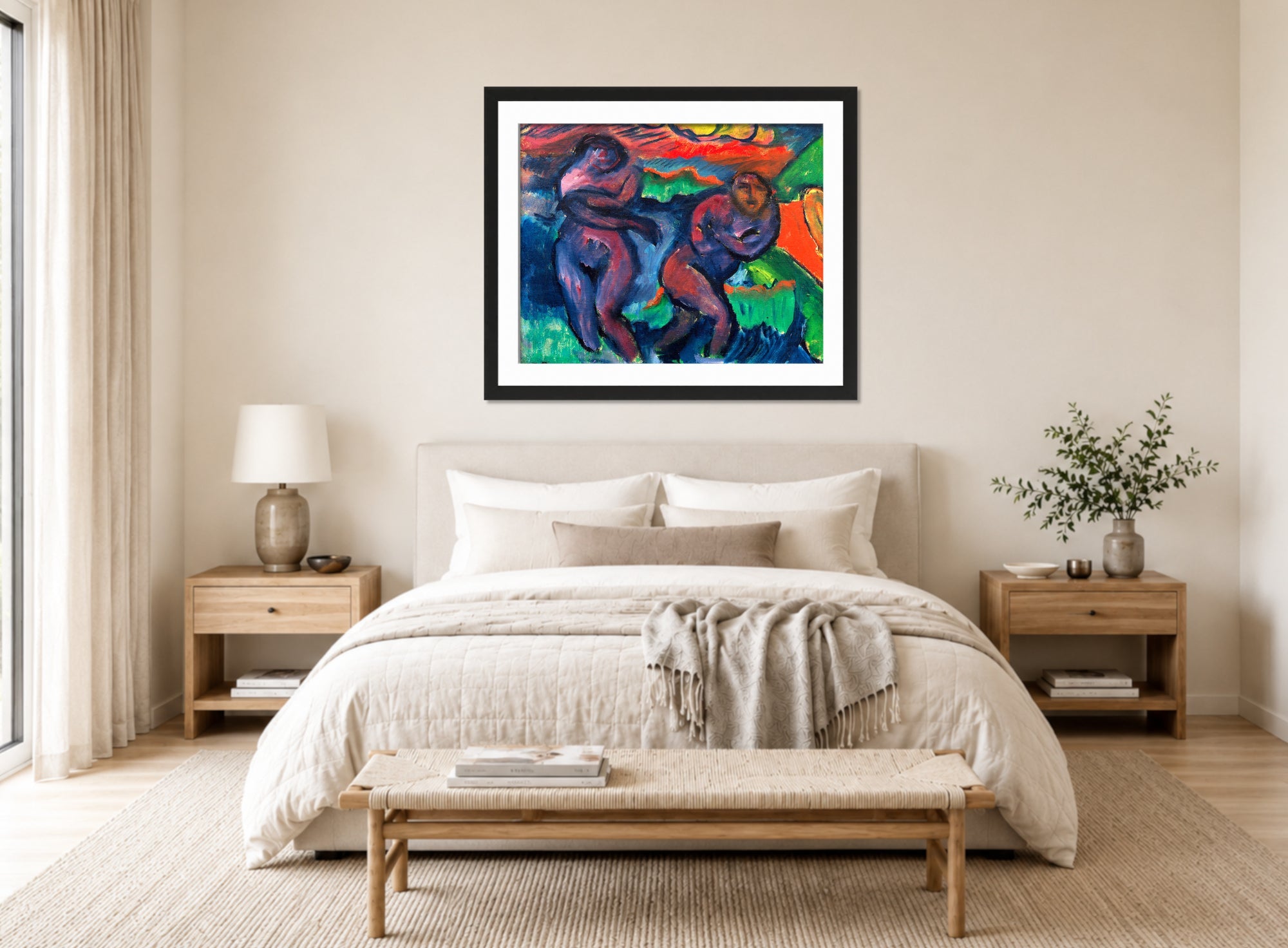
Pechstein's combination of bold colour and clearly defined forms makes his work particularly effective as wall art.
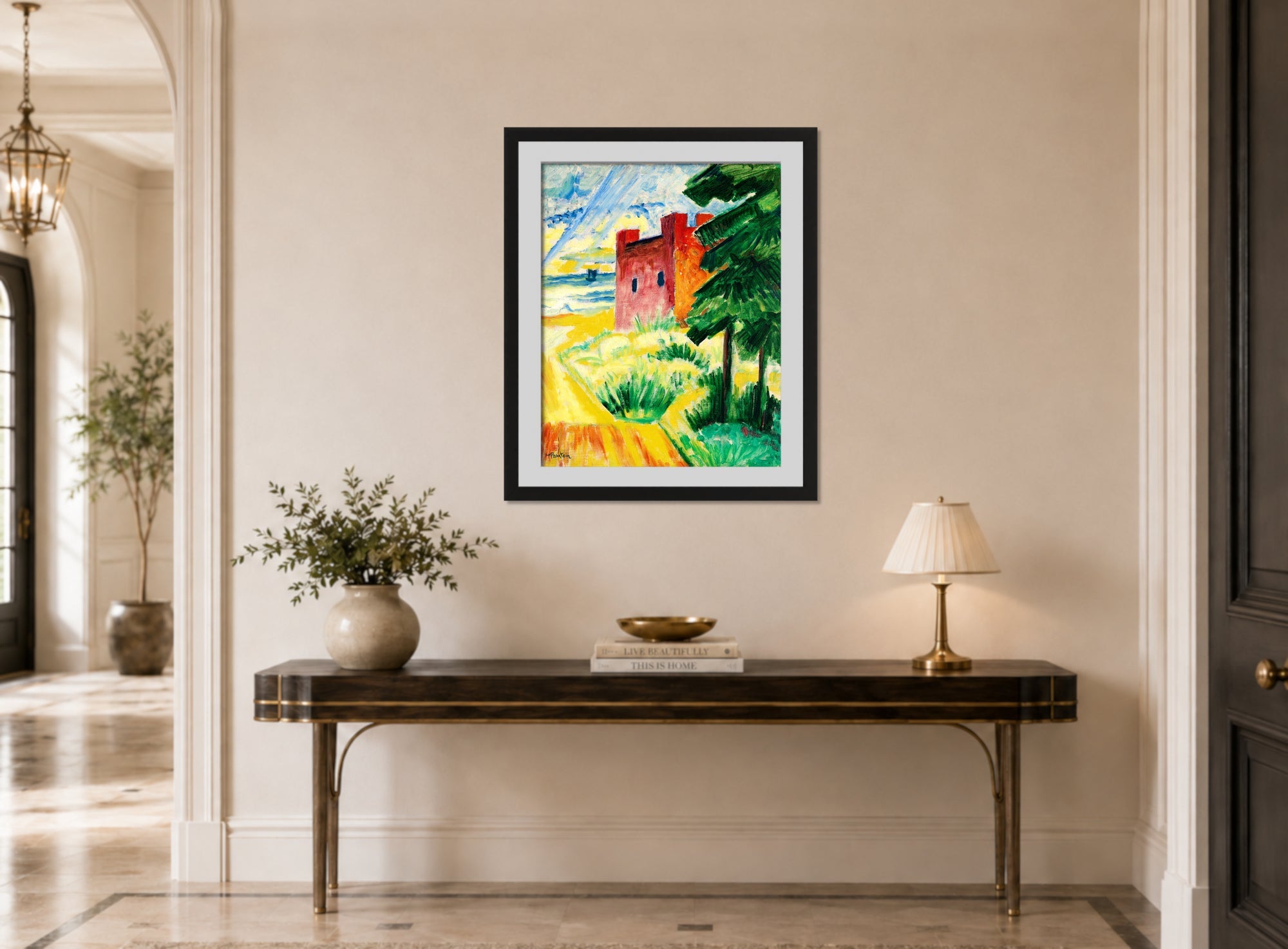
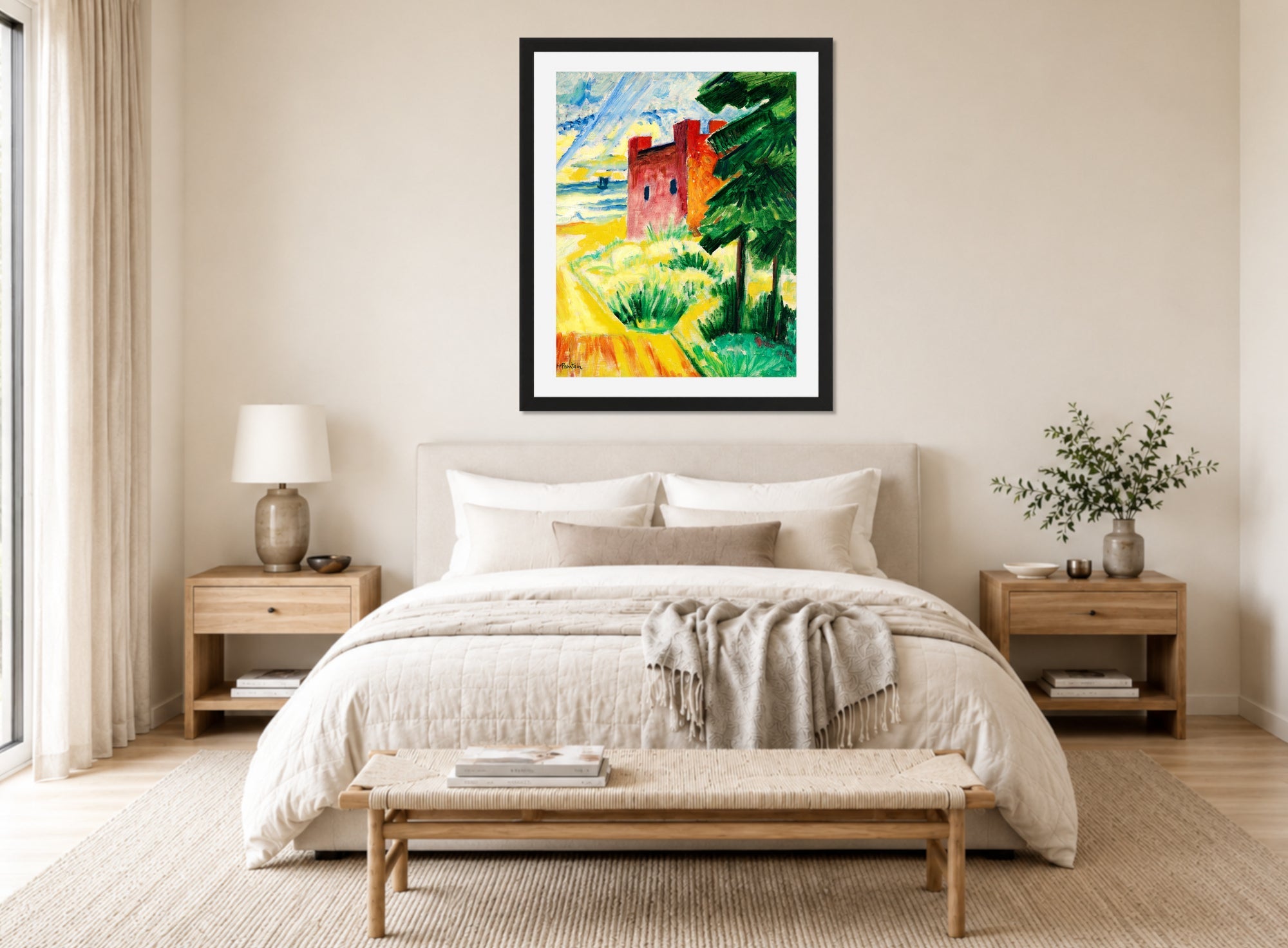
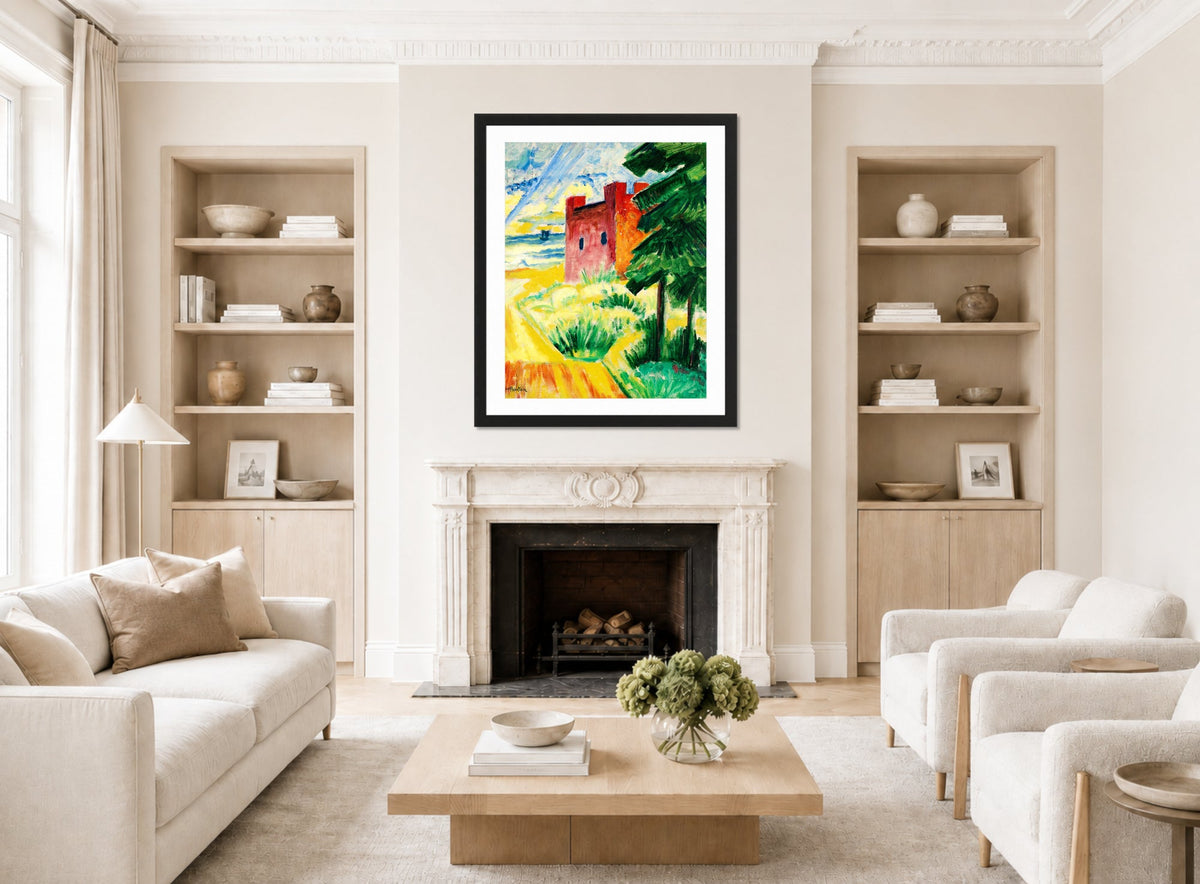
Colour-rich landscapes can introduce a strong focal point to modern living rooms, dining rooms and bedrooms, while his more graphic figure compositions work particularly well with contemporary and mid-century-inspired interiors.
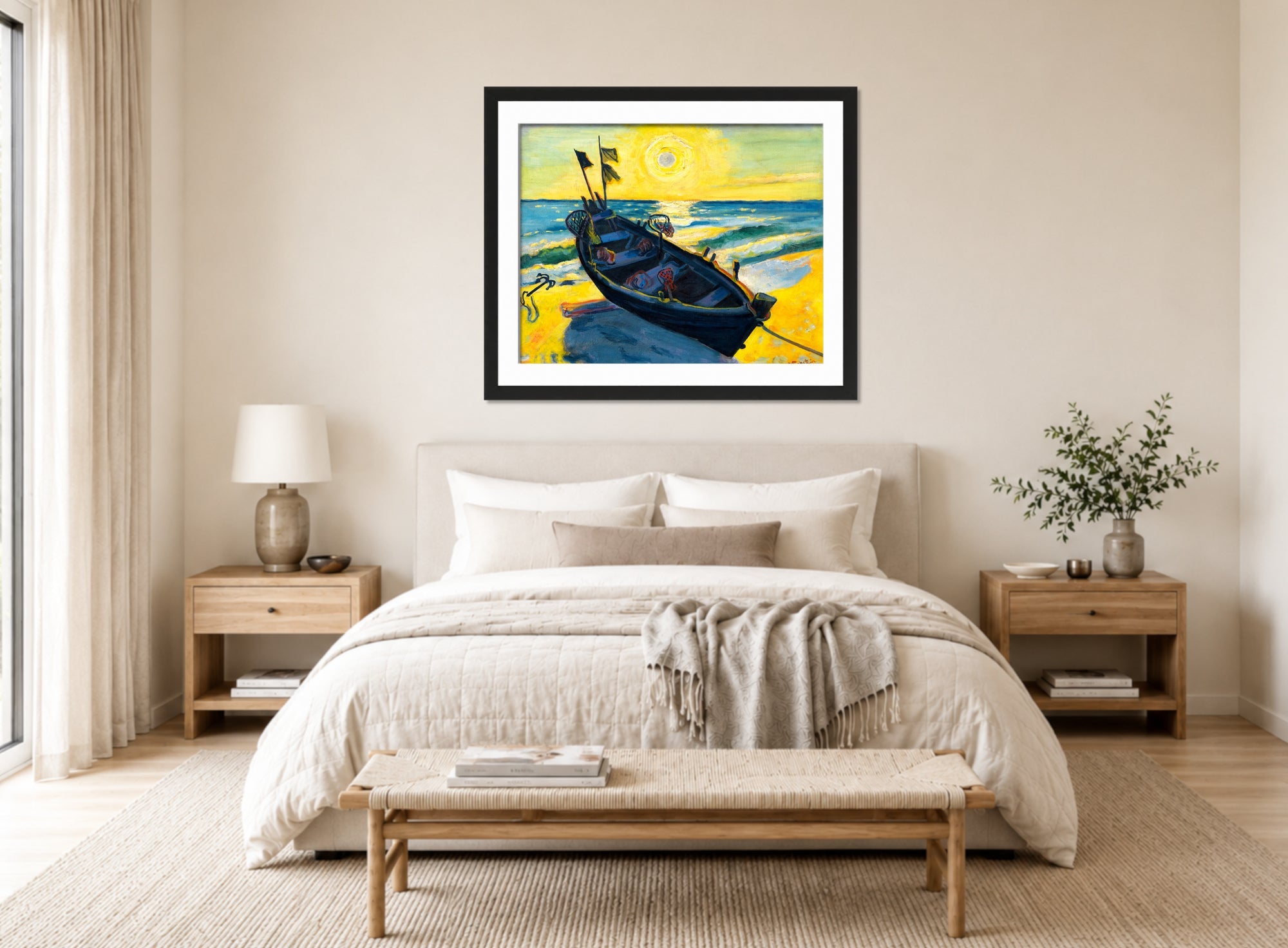
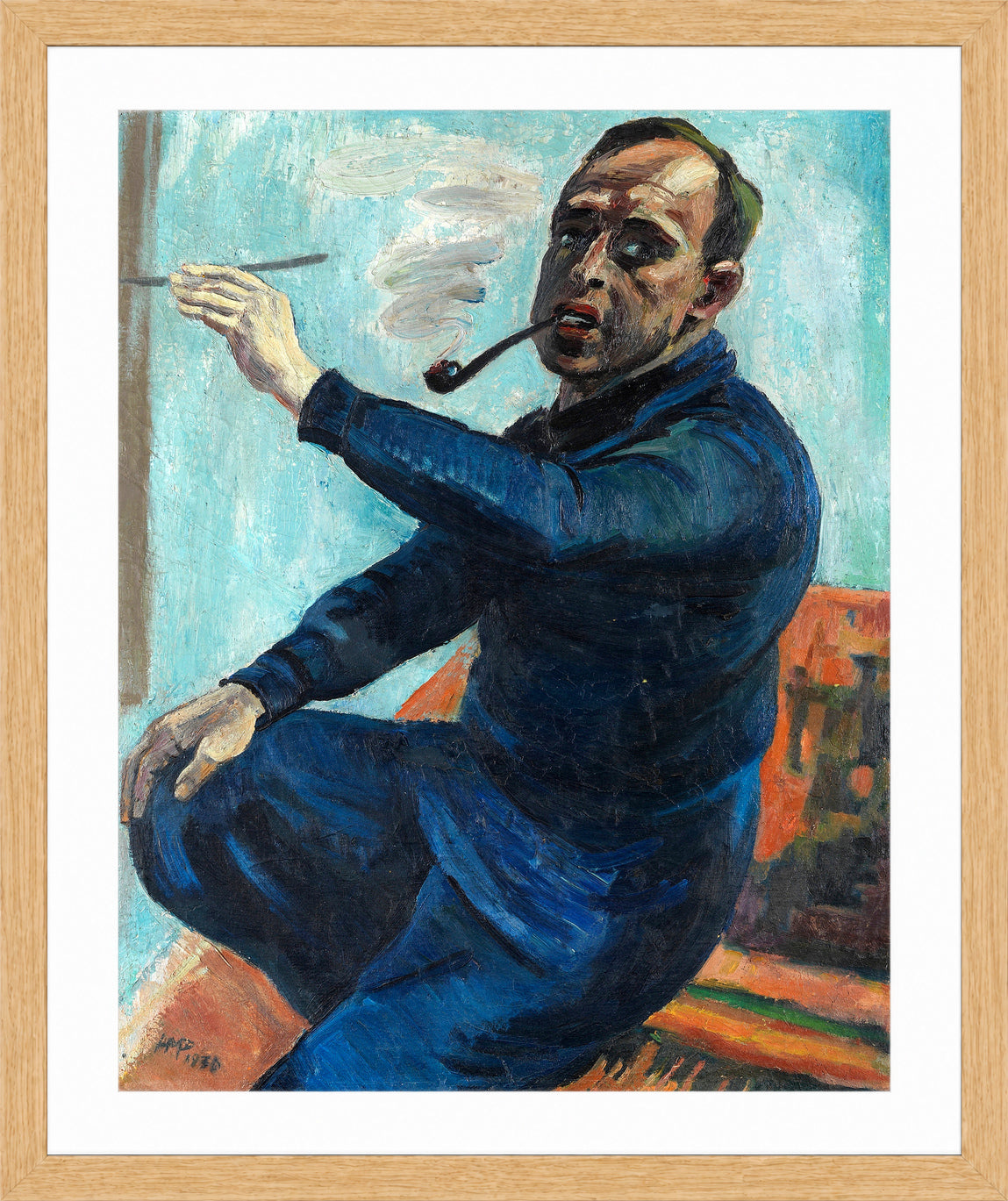
GalleryThane Pechstein reproductions are available across selected sizes as fine art prints, professionally framed prints and canvas panels, allowing the artwork to be matched to both the space and the desired presentation style.
Frequently Asked Questions
Who was Hermann Max Pechstein?
Hermann Max Pechstein, usually known as Max Pechstein, was a German painter and printmaker born in 1881. He became an important member of Die Brücke and one of the best-known artists associated with German Expressionism.
Was Max Pechstein a member of Die Brücke?
Yes. Pechstein joined Die Brücke in 1906 and worked closely with artists including Ernst Ludwig Kirchner, Erich Heckel and Karl Schmidt-Rottluff. He left the group in 1912.
What is Max Pechstein famous for?
Pechstein is particularly known for expressive landscapes, coastal scenes, portraits and figure paintings characterised by strong outlines, simplified forms and intense colour. He was also a prolific printmaker.
What style did Max Pechstein paint in?
Pechstein is principally associated with German Expressionism. His work was also influenced by modern French painters whose experiments with non-naturalistic colour and simplified form helped shape early twentieth-century European art.
What subjects did Max Pechstein paint?
Pechstein repeatedly explored landscapes, coastal scenery, fishing communities, portraits, dancers, working figures, nudes and bathers. GalleryThane's Pechstein collection can be browsed through dedicated landscape, coastal, nude and figurative subject collections.