John Collier Prints: Mythology, Literature and Victorian Portraiture
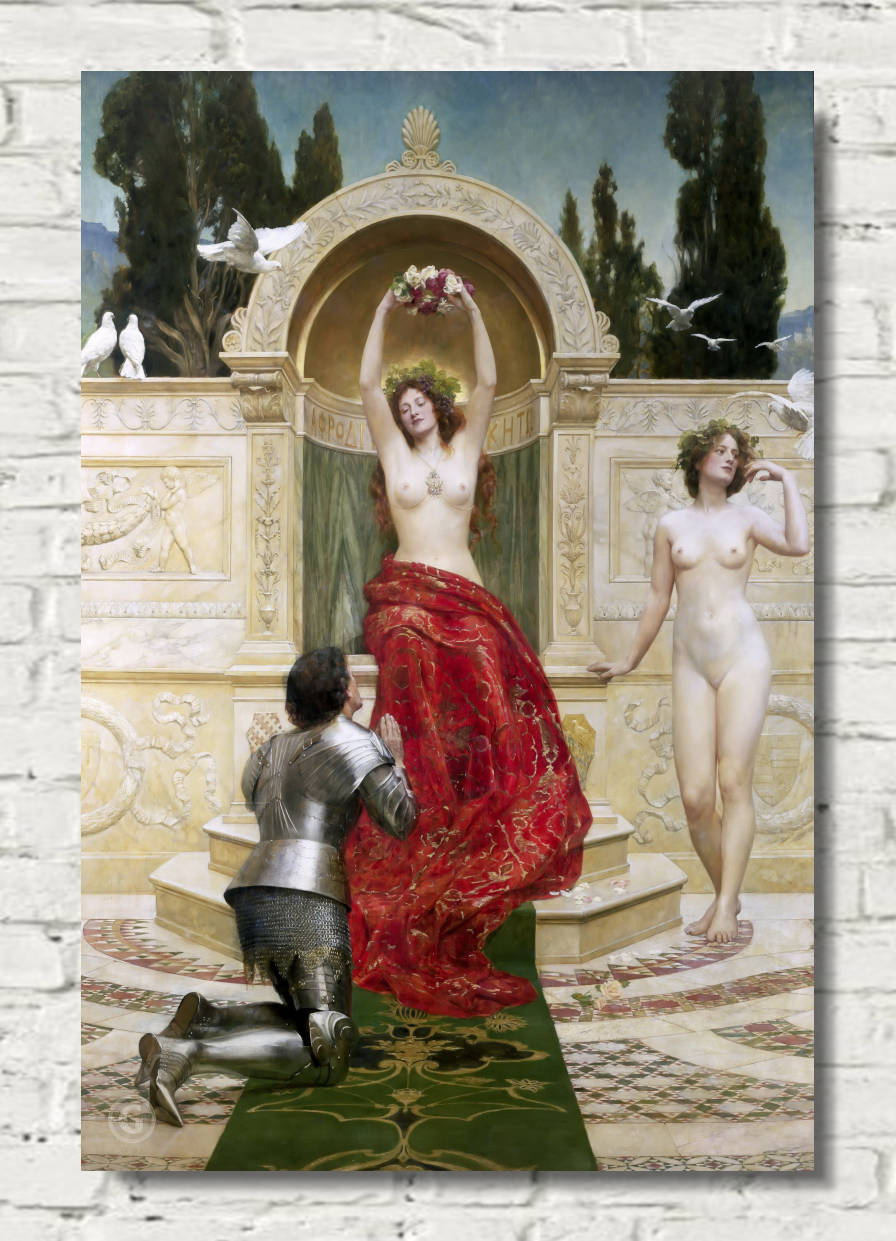
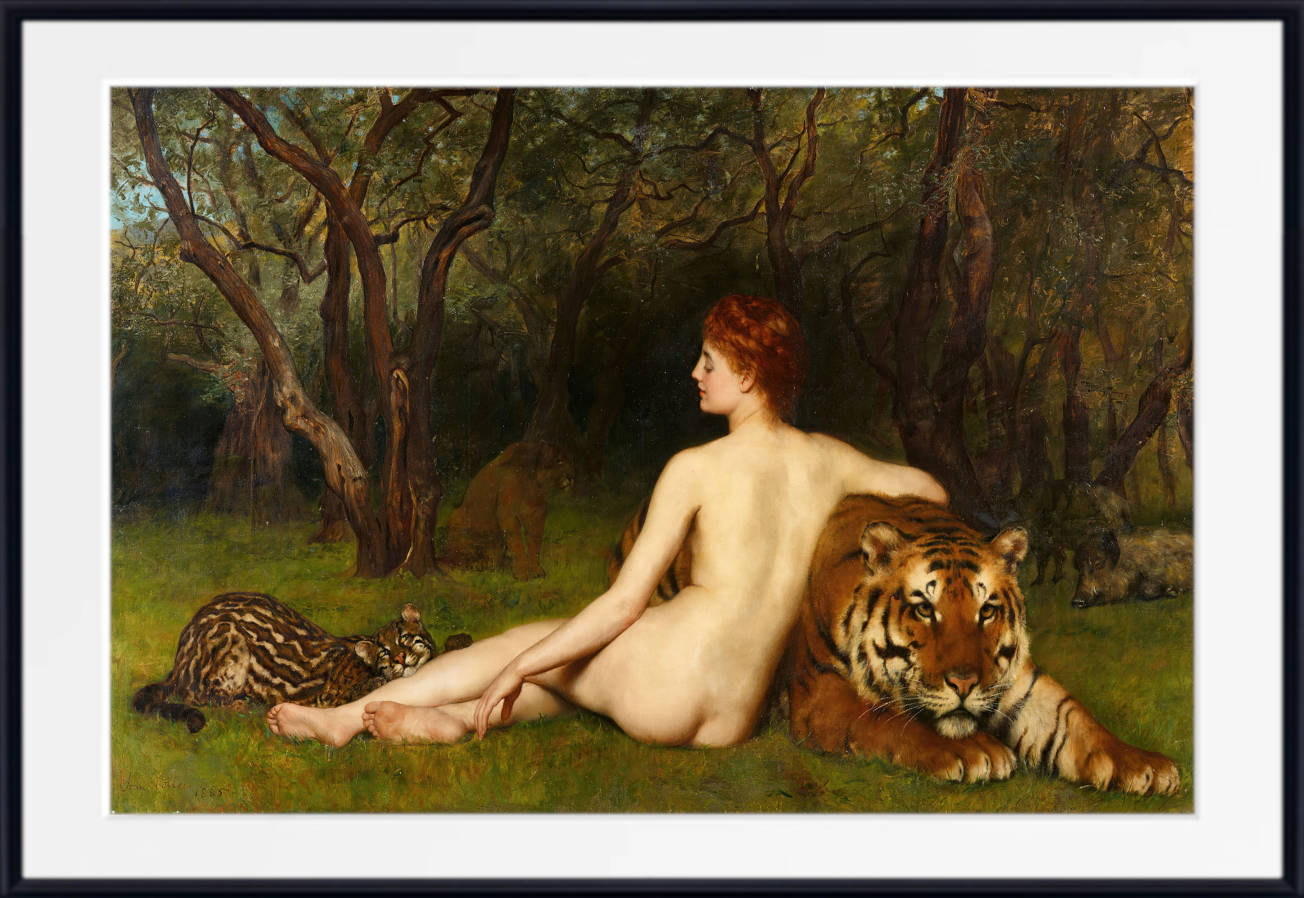
John Collier was a leading British portrait and subject painter whose work combined precise observation with carefully staged historical, literary and mythological narratives. His paintings are distinguished by clear figure drawing, controlled colour and an ability to make familiar stories appear immediate.
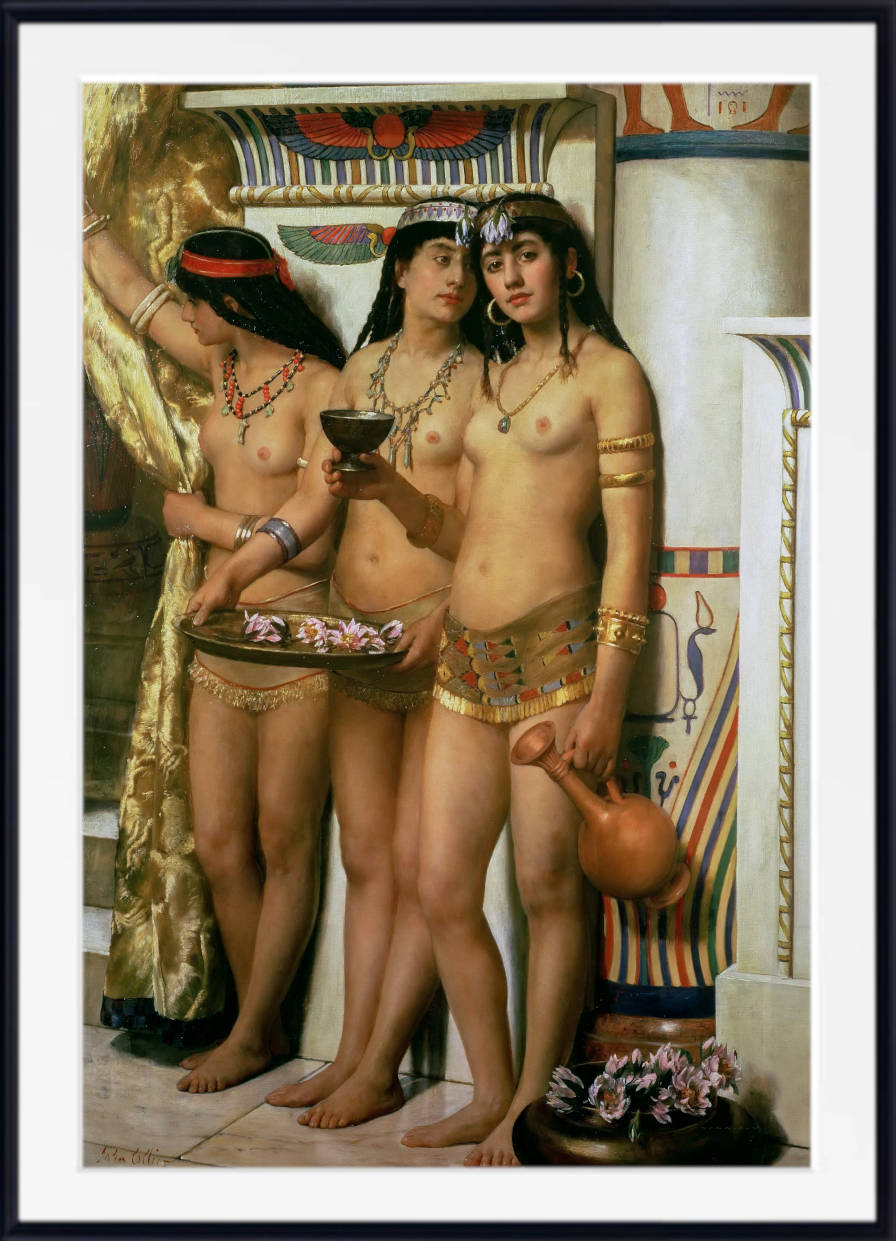
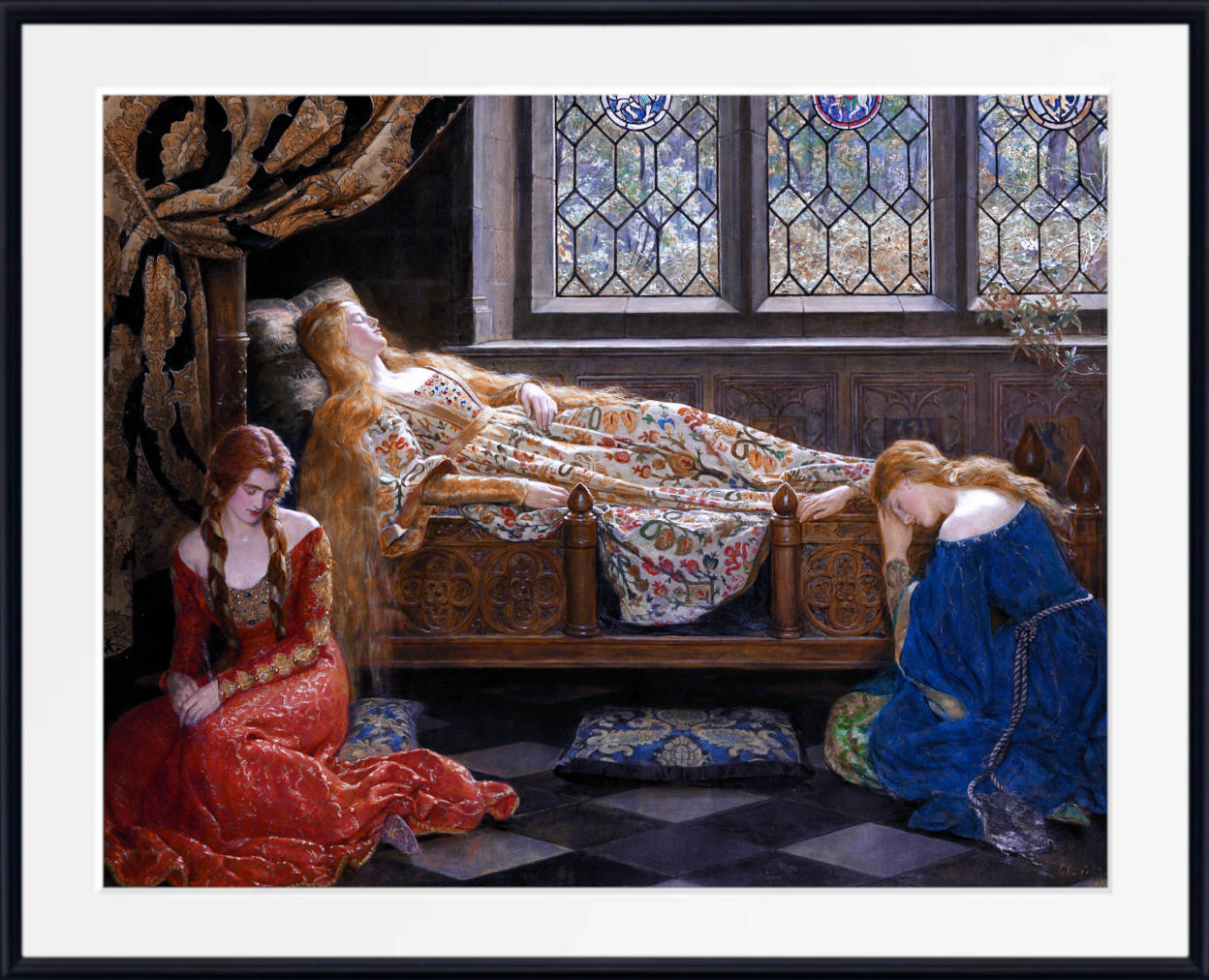
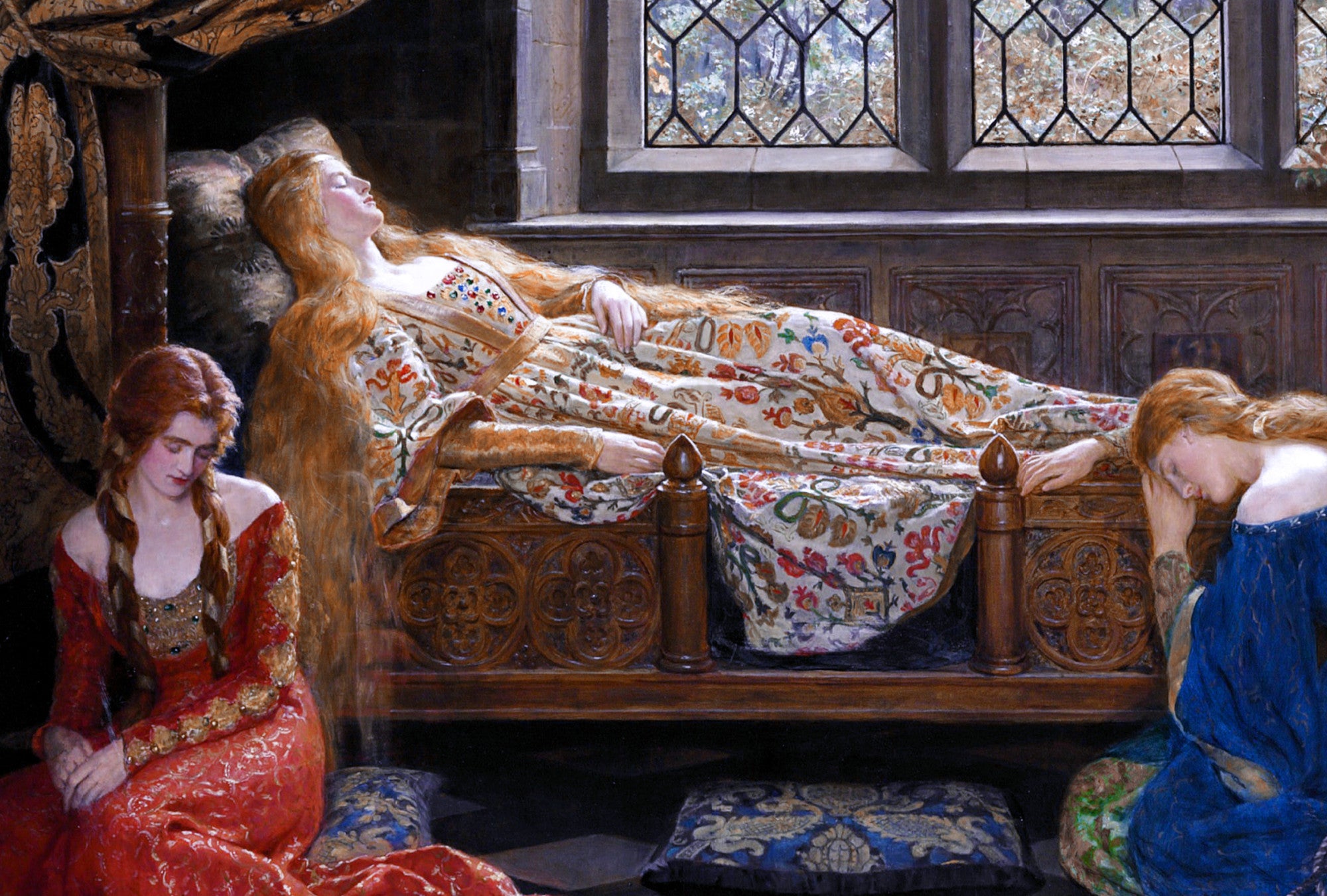
Collier was not a member of the original Pre-Raphaelite Brotherhood. However, works such as Lilith, Lady Godiva and The Sleeping Beauty share the wider late-Victorian interest in medieval literature, mythology, symbolic women and highly finished narrative painting.
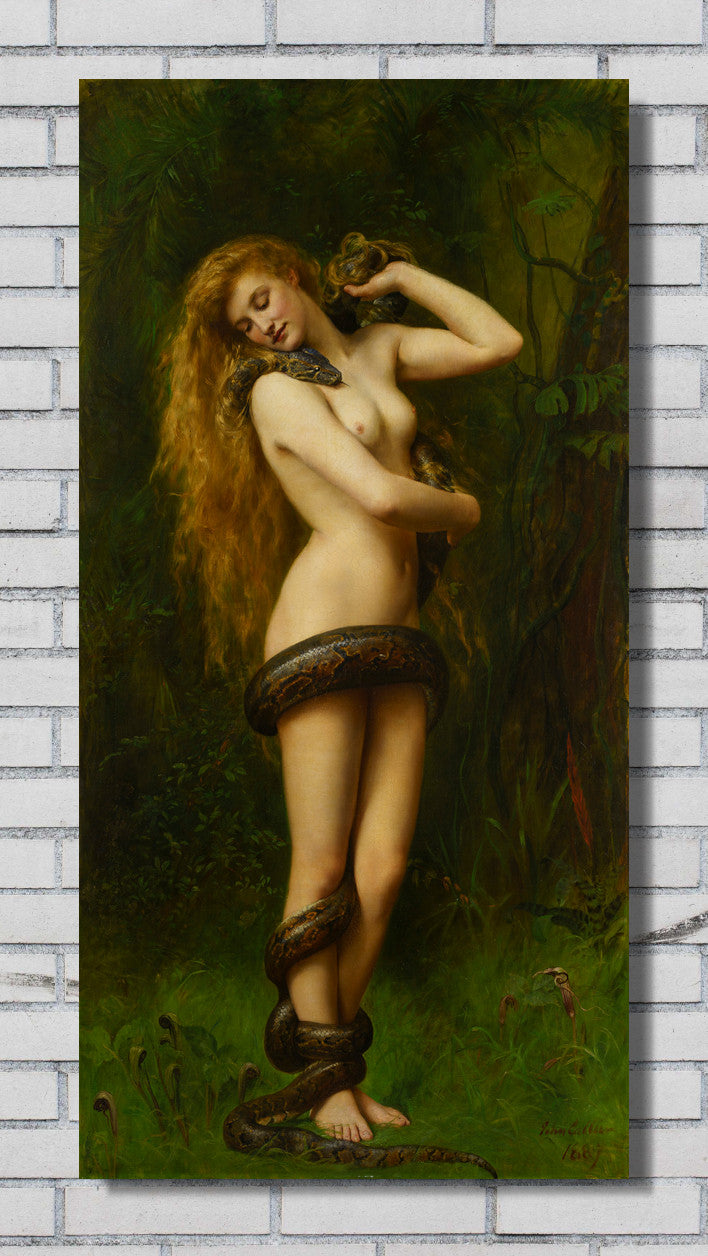
Lilith
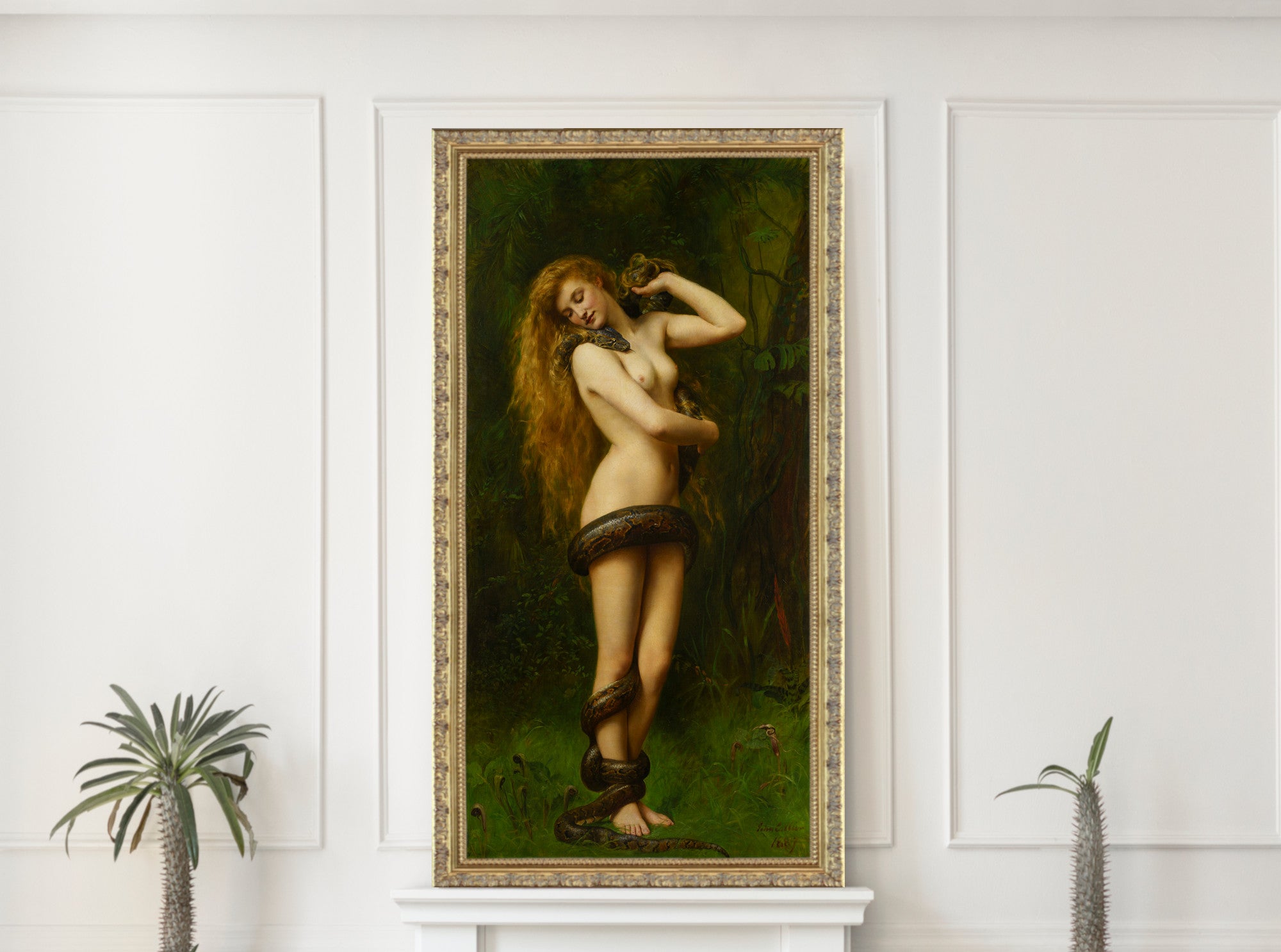
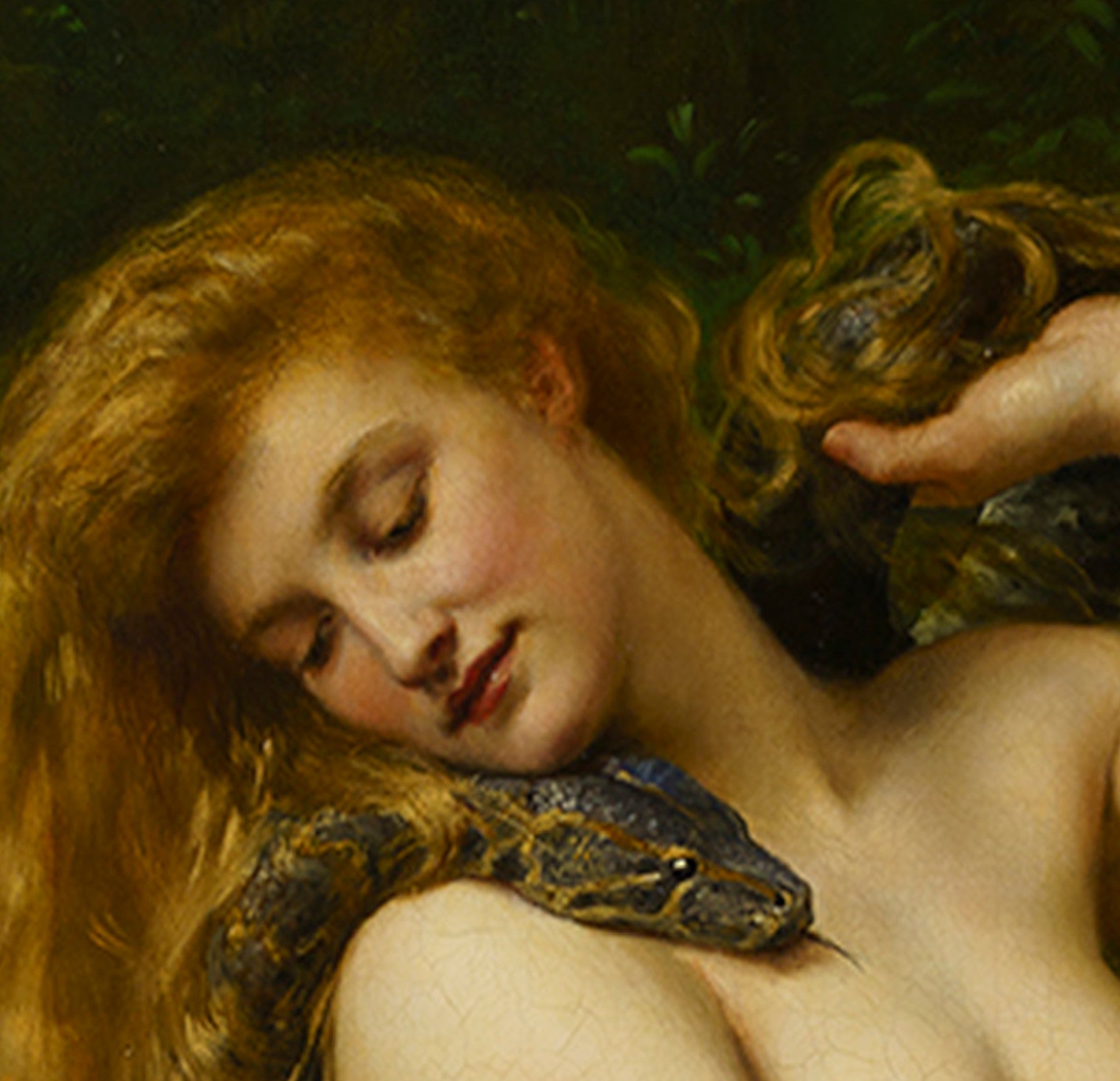
Collier’s Lilith presents the legendary figure standing with a snake wrapped around her body. Her upright pose, long red hair and direct gaze dominate the narrow composition, while the dark background isolates the pale figure and the patterned body of the serpent.
Lilith has roots in ancient mythology and later Jewish tradition. During the nineteenth century, writers and artists increasingly represented her as an independent and dangerous female figure. Collier avoids a detailed narrative setting, concentrating instead on the relationship between the woman, the snake and the viewer.
The painting’s pronounced vertical format makes it particularly effective as a tall framed print or canvas panel.
Priestess of Delphi
Painted in 1891, Priestess of Delphi depicts the Pythia, the priestess who delivered prophecies at the ancient sanctuary of Apollo at Delphi. Collier shows her seated over a fissure and holding a laurel branch, with vapour rising around her.
The priestess is presented at the moment of prophetic utterance. Her turned head, parted lips and tightly held branch create a sense of physical tension, while the smoke obscures the boundary between her body and the surrounding darkness.
The work combines archaeological detail with the Victorian fascination for altered consciousness, ancient ritual and supernatural experience.
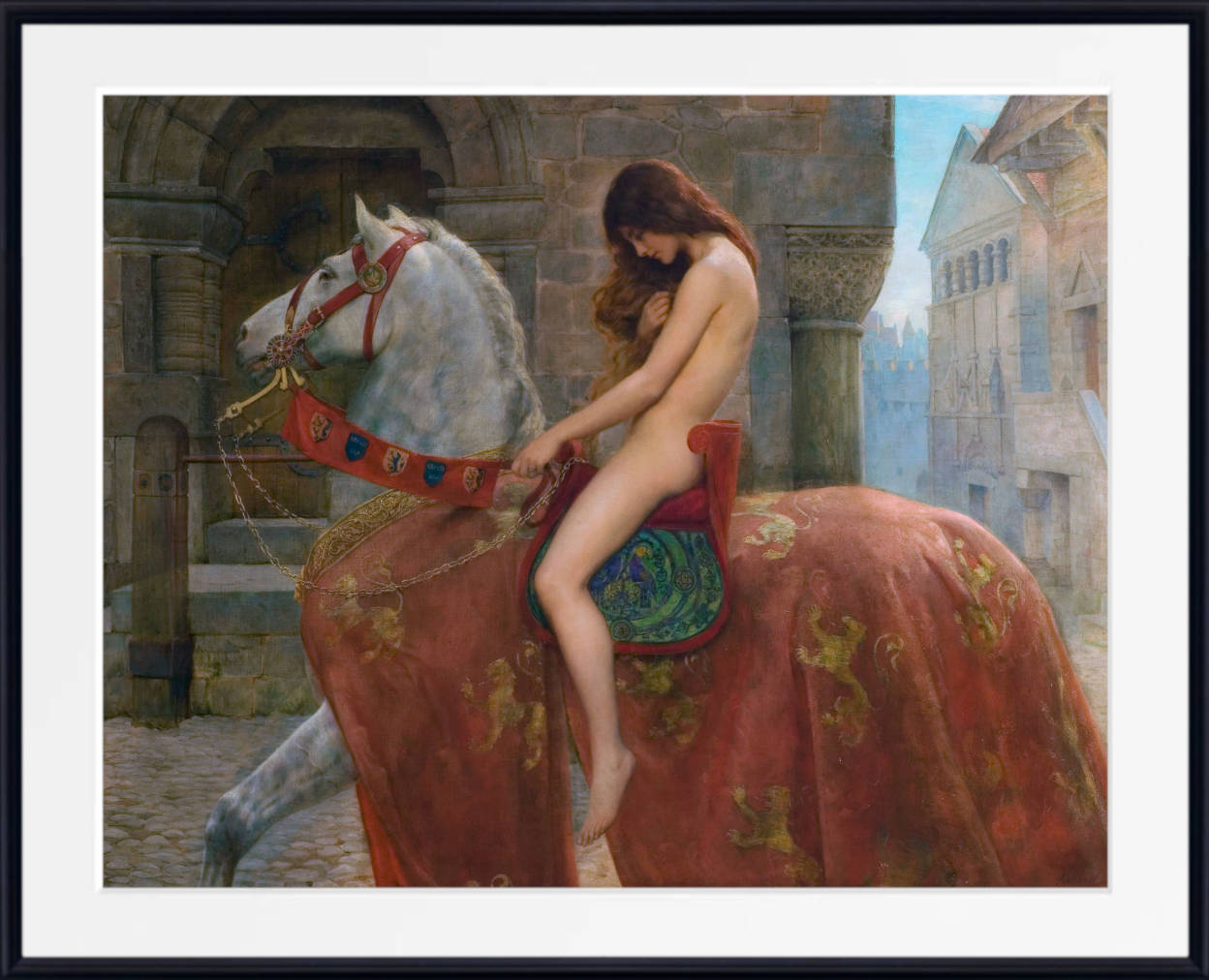
Lady Godiva
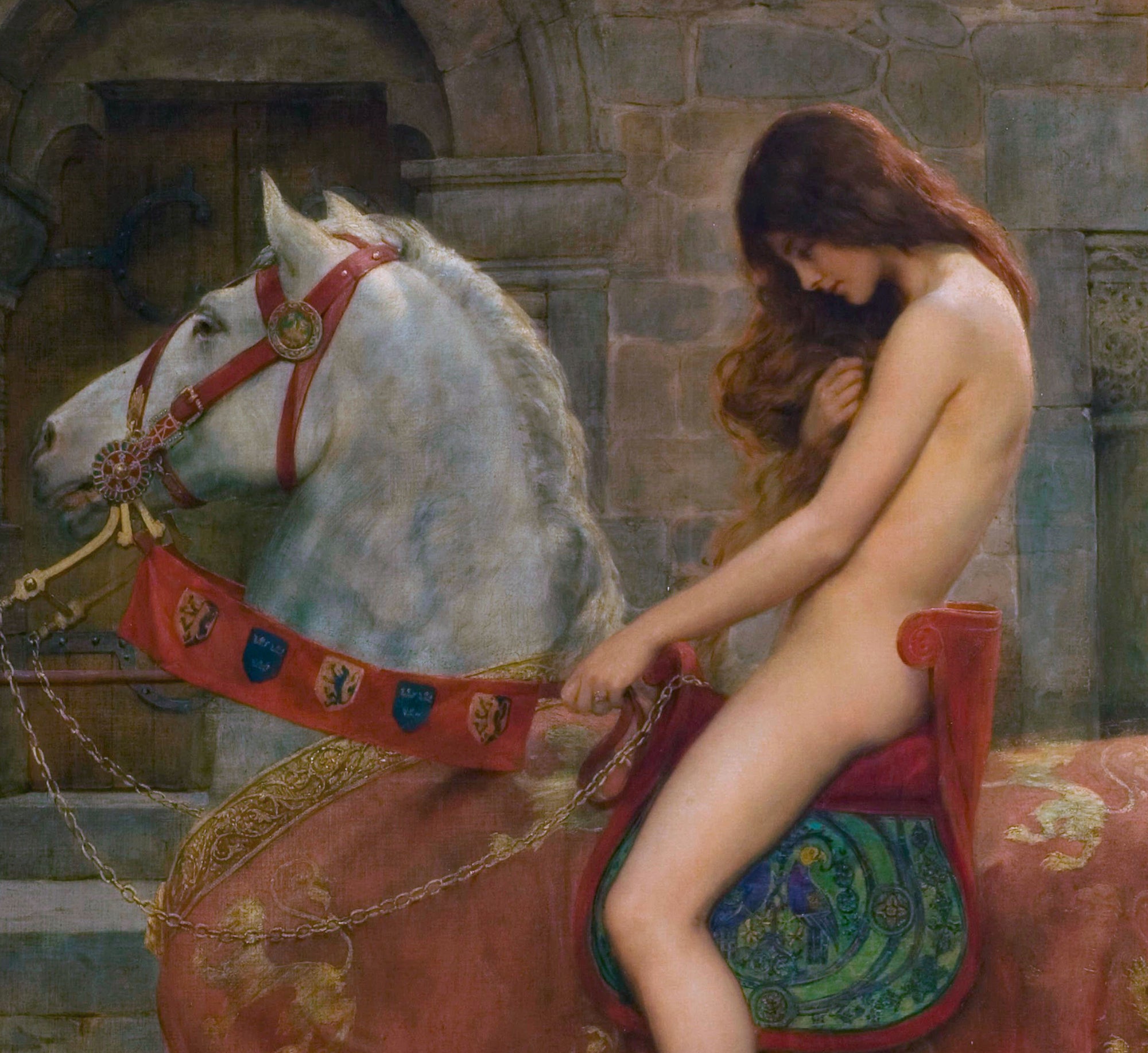
Lady Godiva draws upon the medieval legend in which the noblewoman rides through Coventry unclothed after her husband promises to reduce oppressive taxation if she completes the journey.
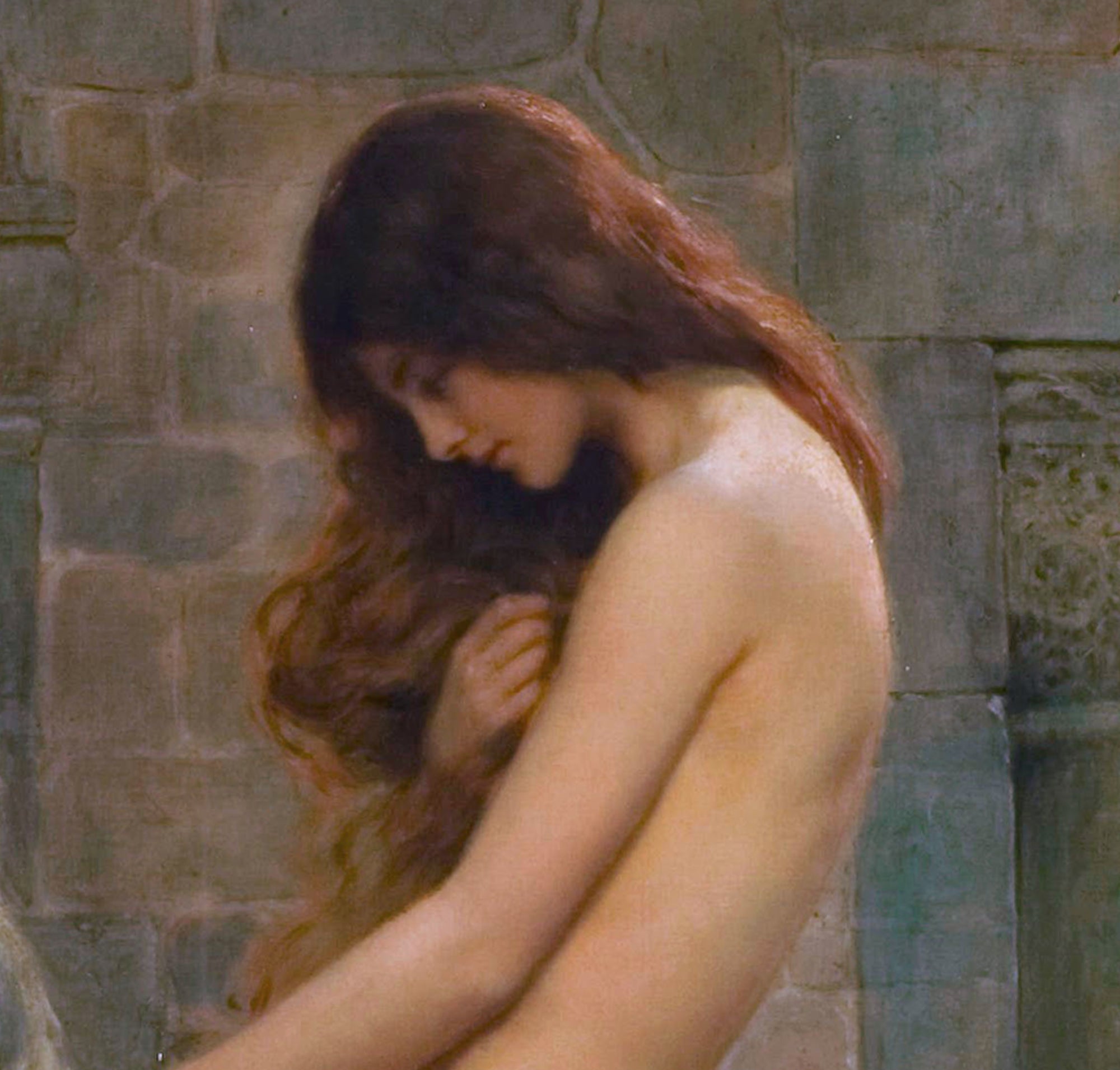
Collier places Godiva on a richly decorated horse, her bowed head and long hair contrasting with the animal’s ceremonial harness and red trappings. The empty street and closed architecture concentrate attention on the solitary procession rather than presenting the scene as a public spectacle.
The painting’s restrained pose and careful treatment of hair, fabric, leather and architectural detail make it one of Collier’s most recognisable narrative works.
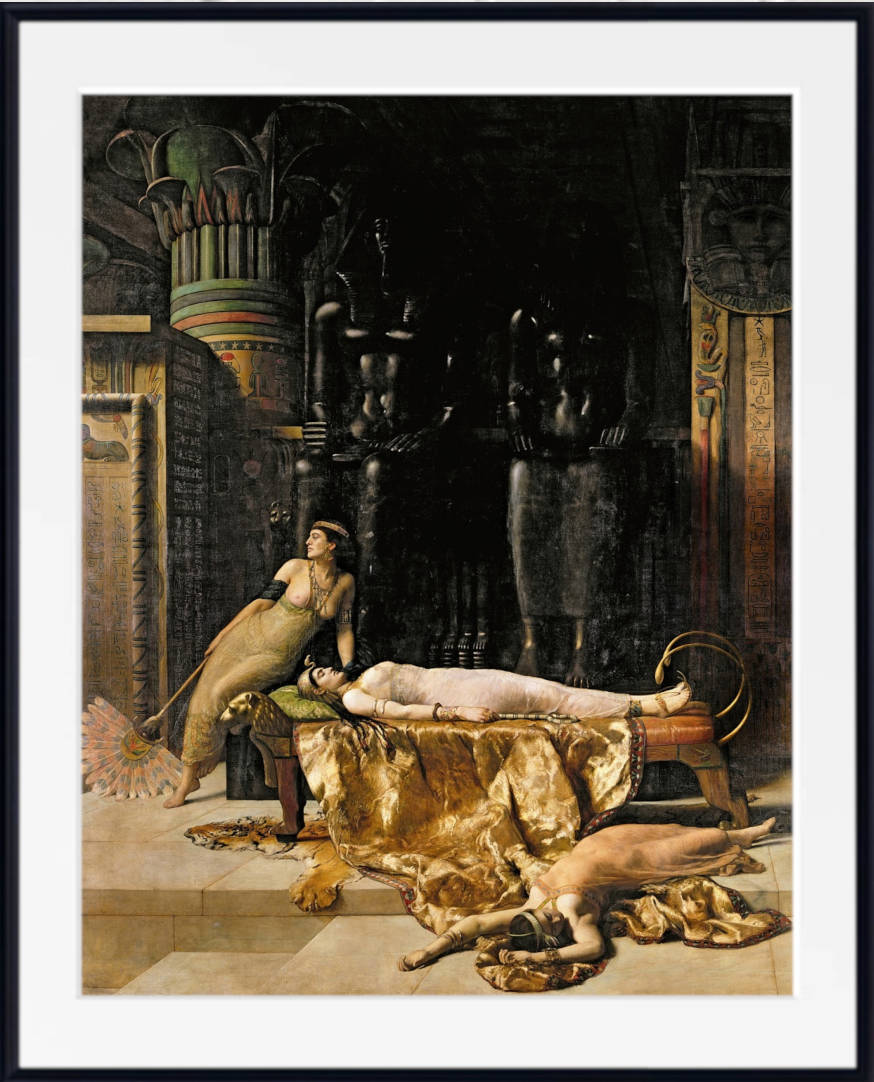
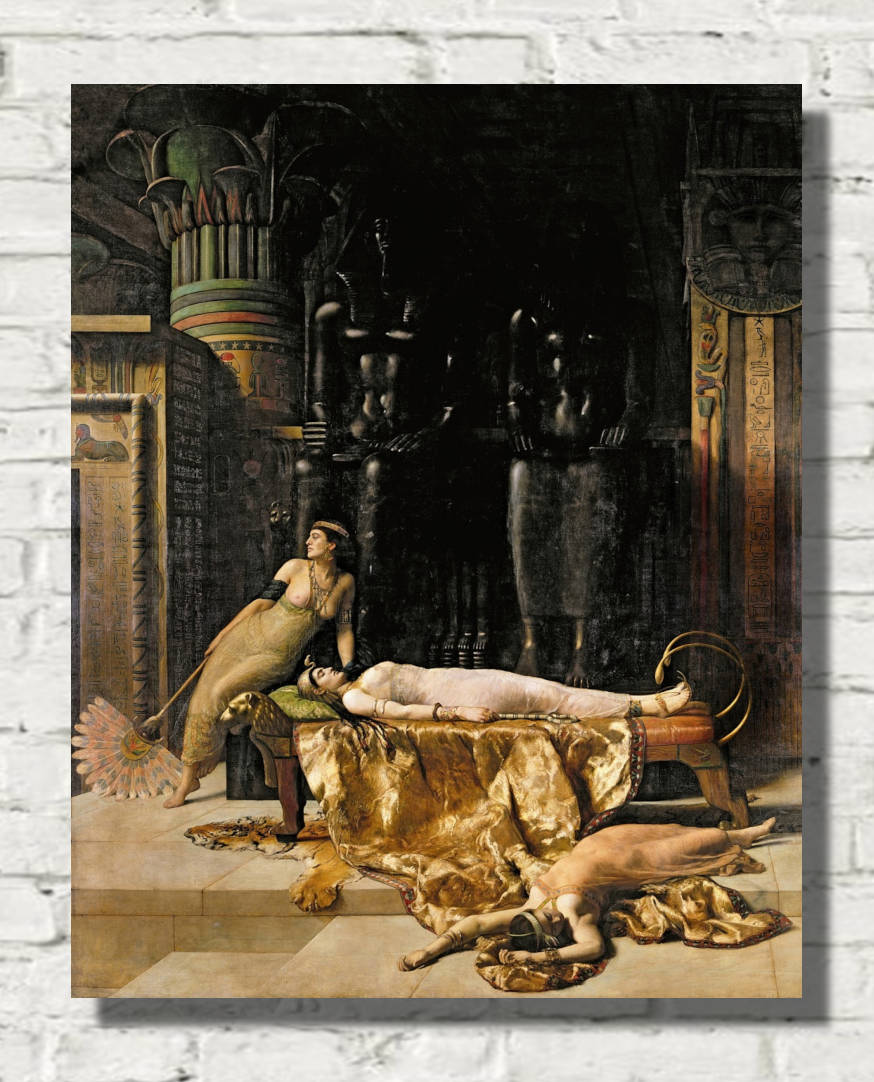
The Death of Cleopatra
In The Death of Cleopatra, Collier depicts the Egyptian queen reclining after the fatal snakebite. Cleopatra’s body lies diagonally across the composition, surrounded by dark textiles and architectural details that frame her pale skin and white clothing.
Rather than showing the political events leading to her death, Collier concentrates on their aftermath. The carefully arranged pose, fallen arm and stillness of the setting transform the historical subject into a tightly controlled figure study.
This work belongs to a long tradition of European paintings devoted to Cleopatra, in which her death became a subject through which artists explored power, defeat, beauty and mortality.
Portraits of Writers, Scientists and Public Figures
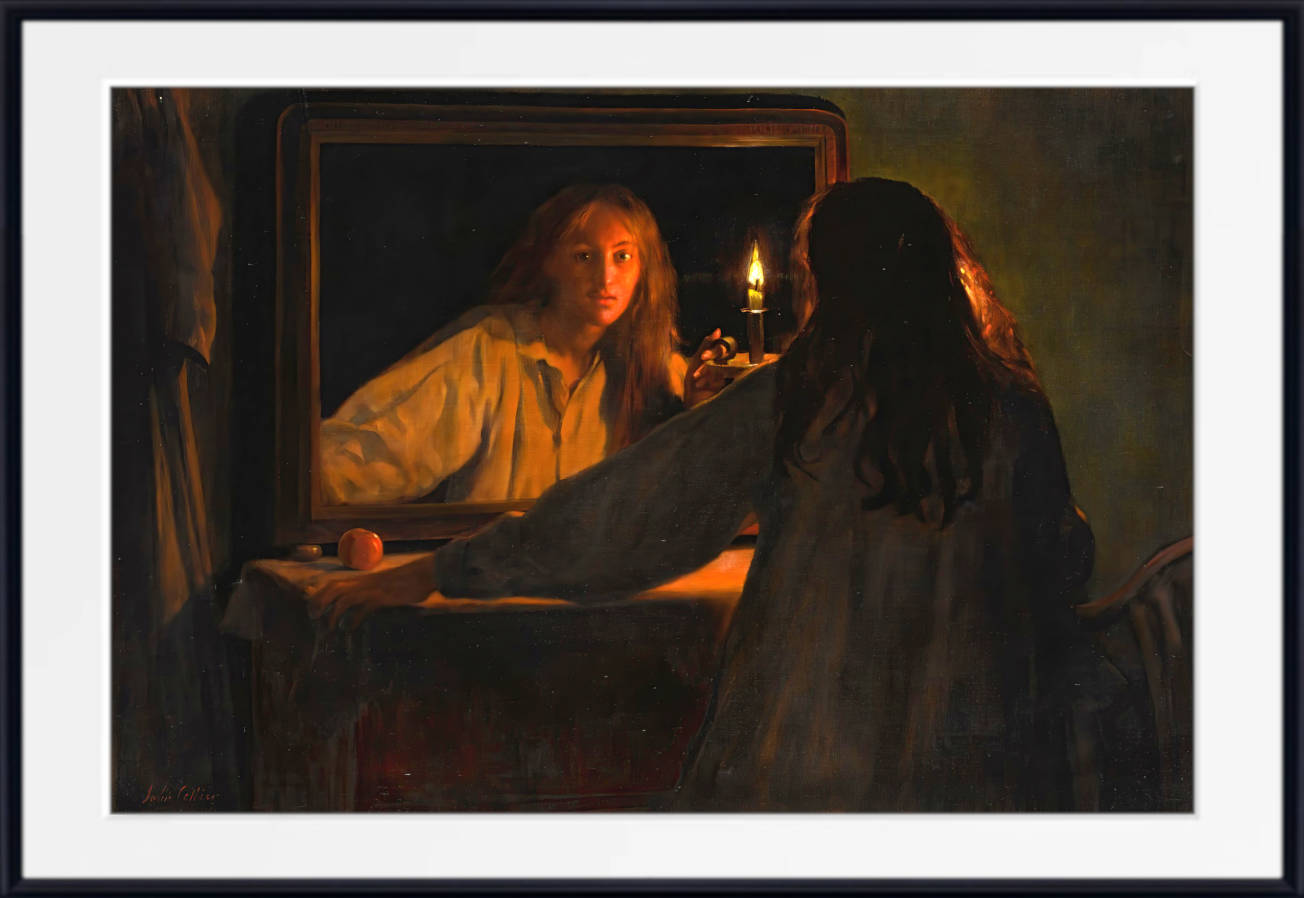
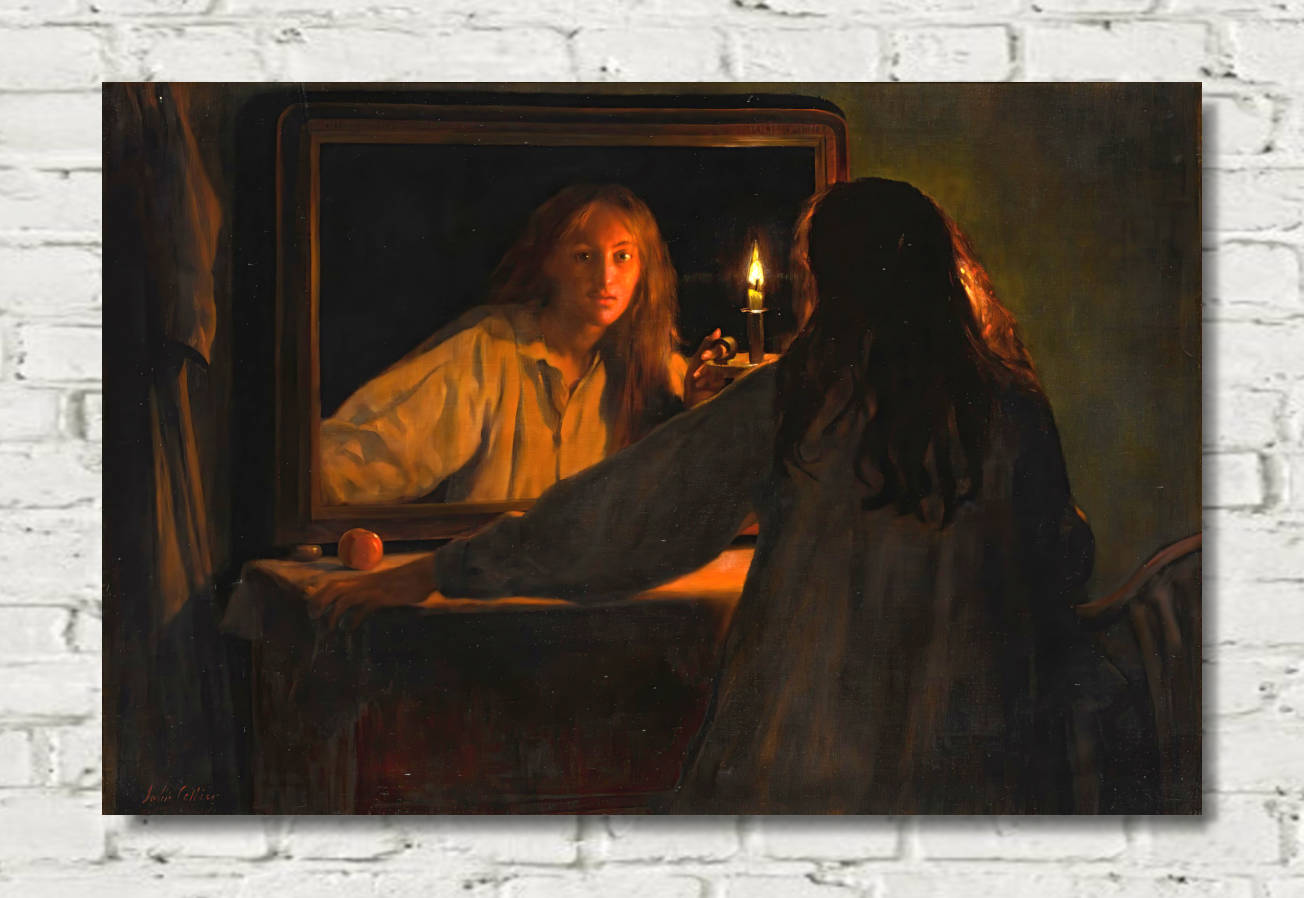
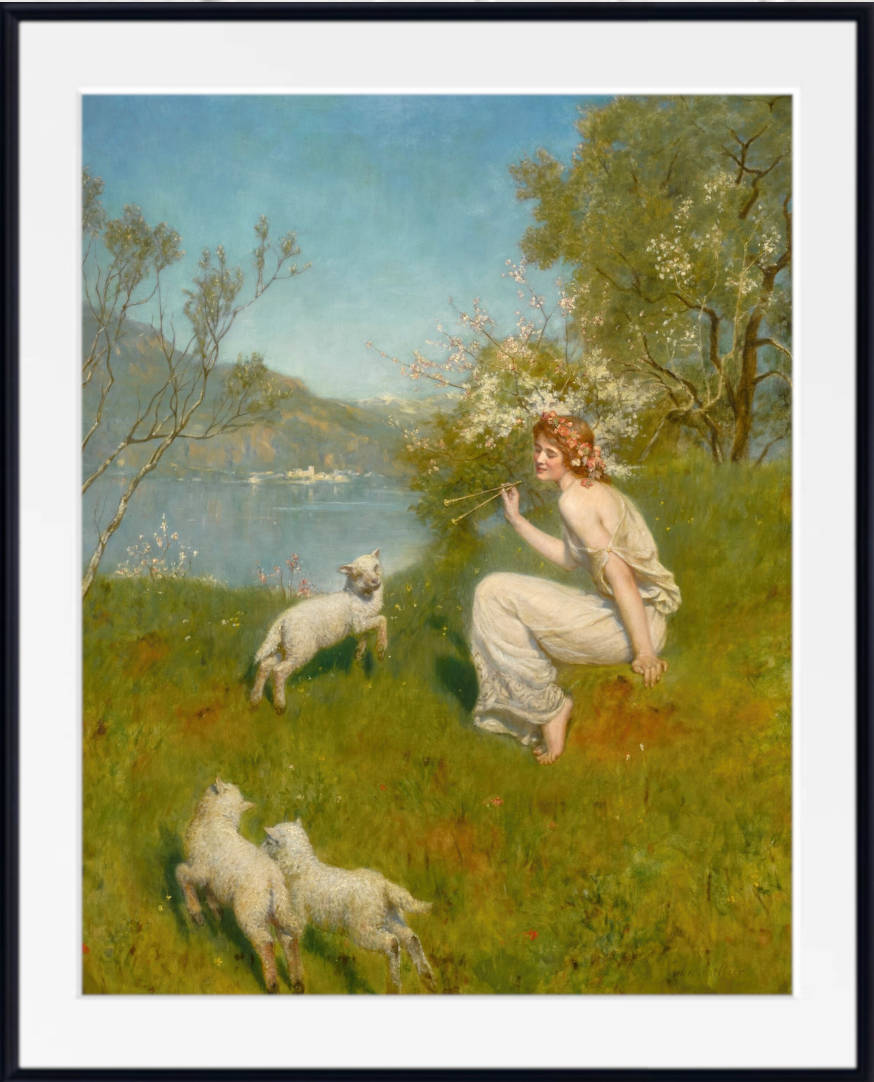
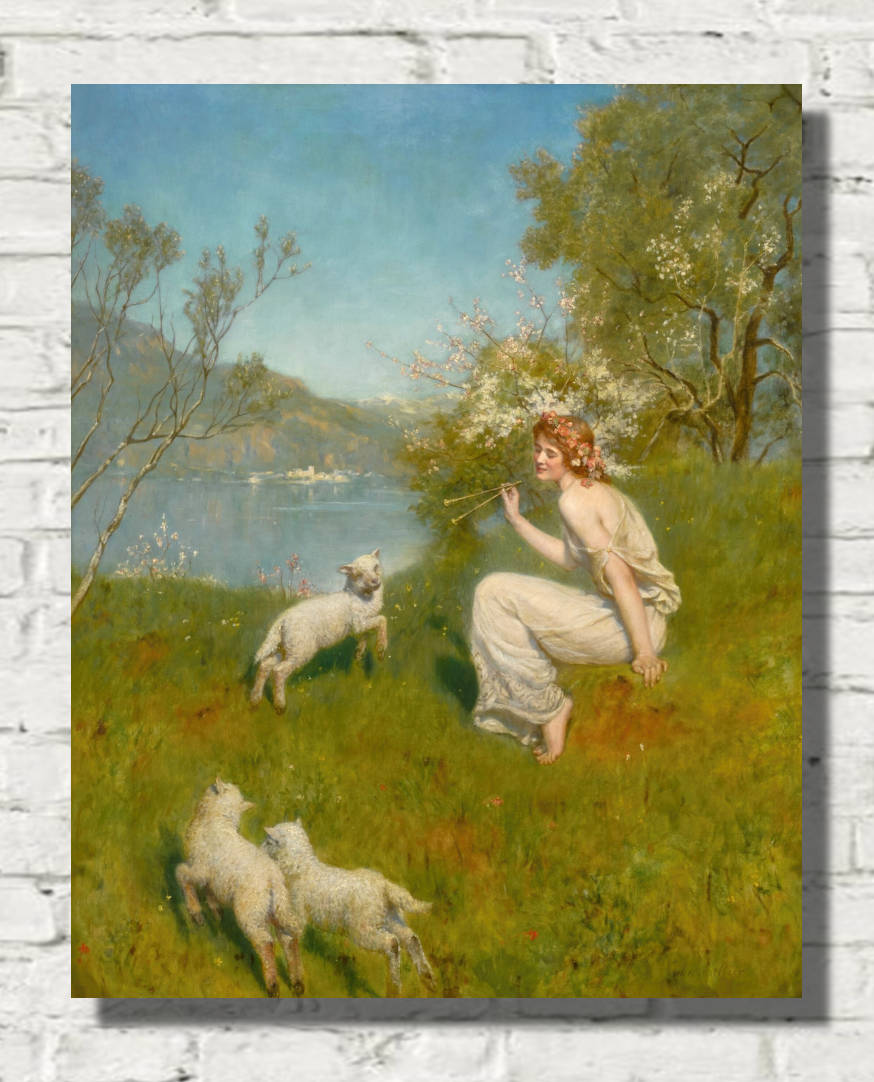
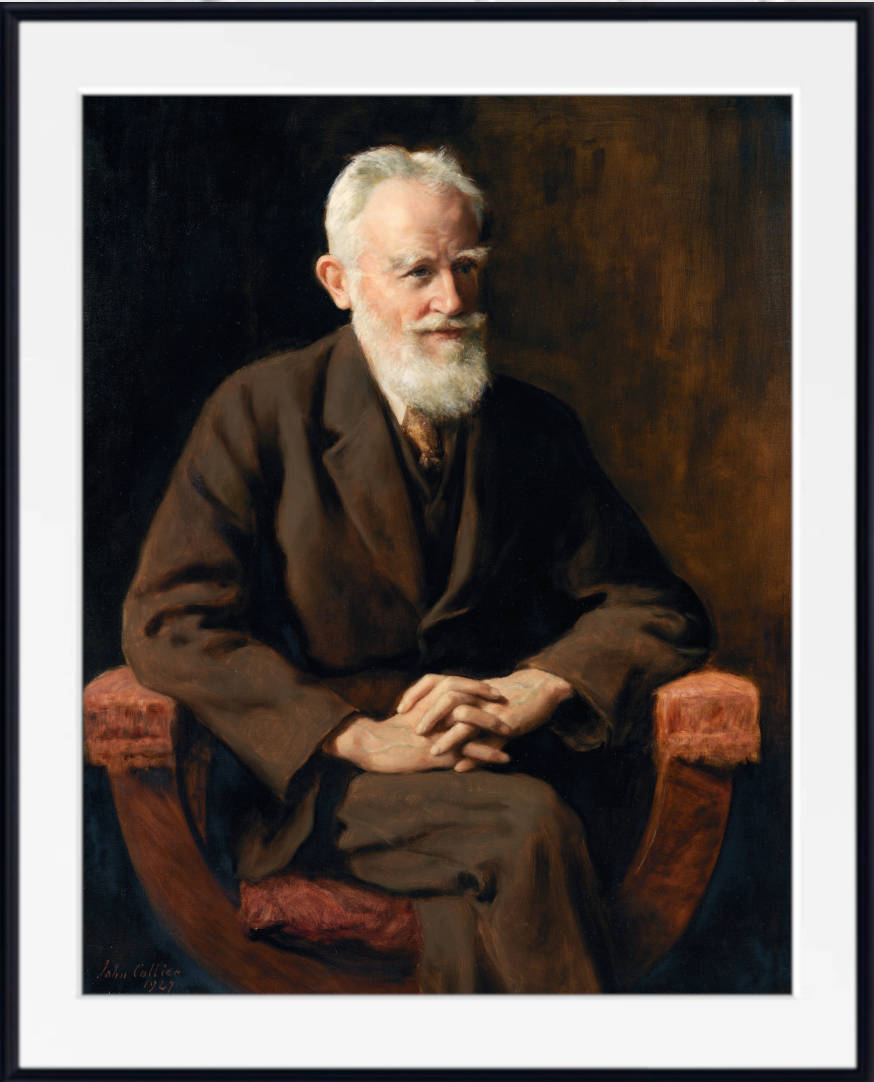
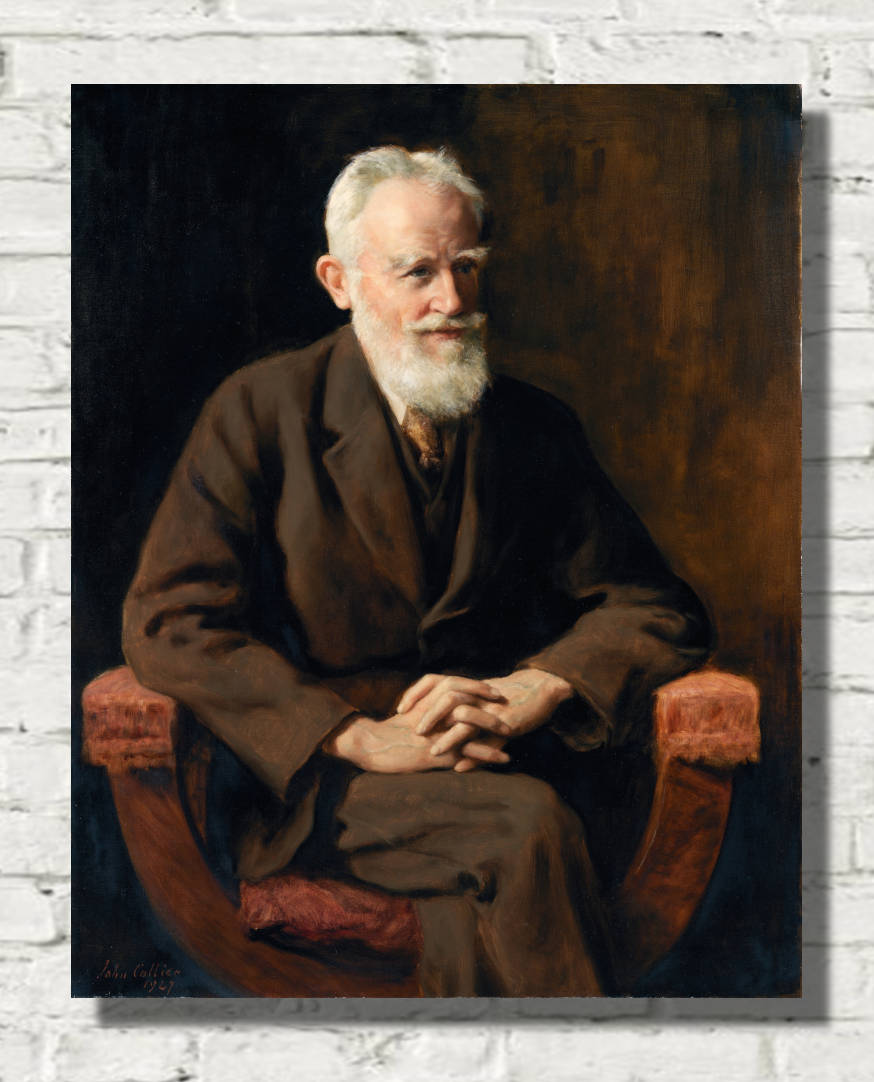
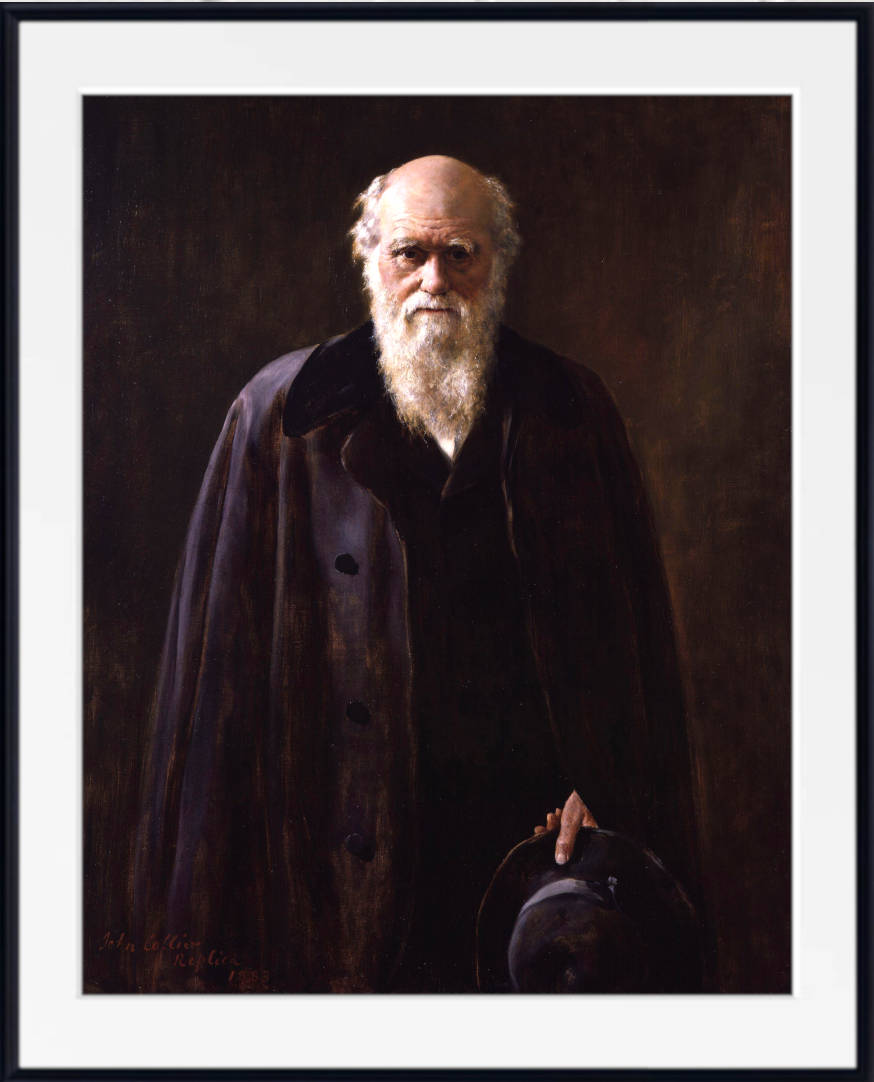
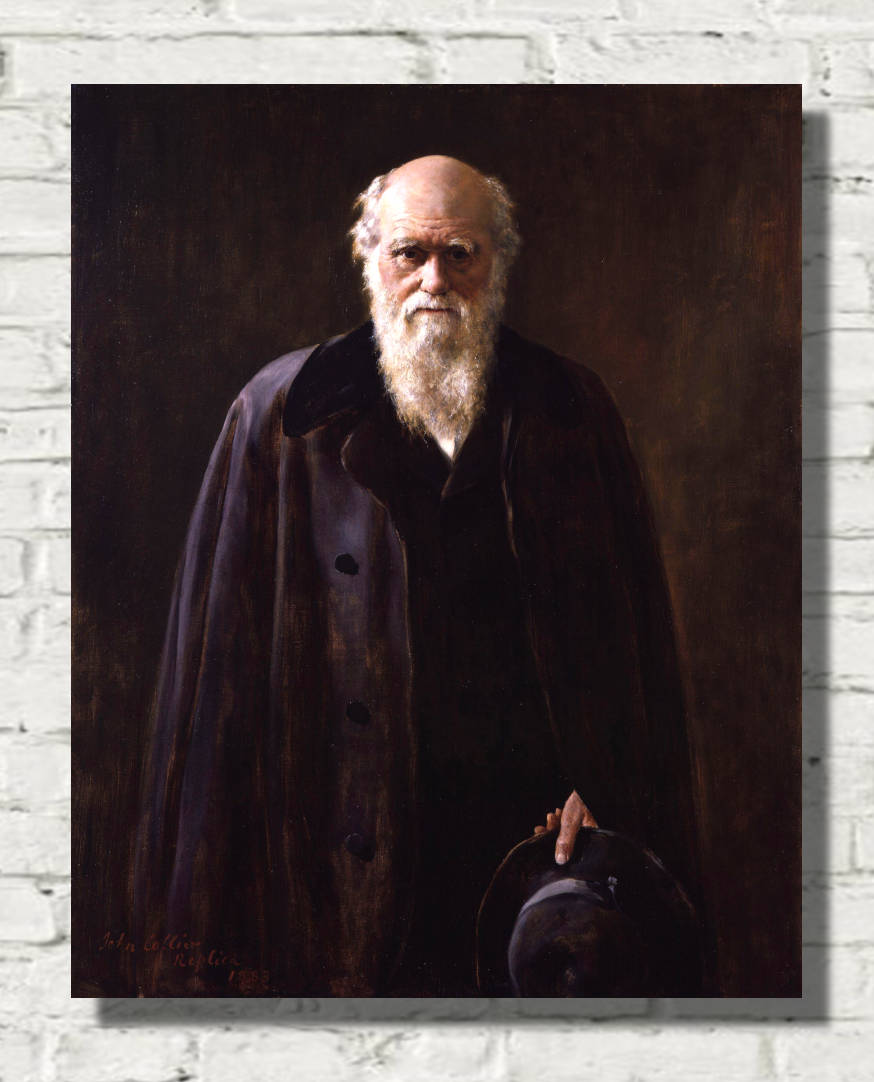
Collier was also an accomplished portraitist. The collection includes his portraits of Charles Darwin and George Bernard Shaw alongside studies of aristocratic and unidentified sitters.
These works are generally more restrained than his mythological paintings. Clothing, posture and setting establish the sitter’s public identity, while the face and hands receive particular attention. Collier’s direct, highly finished approach suited scientists, writers, politicians and other prominent figures whose likenesses needed to remain immediately recognisable.
Choosing a John Collier Print
Lilith offers the strongest vertical composition and works well where a tall, dramatic focal point is required. Priestess of Delphi combines classical history with a dark, atmospheric setting, while Lady Godiva provides a broader narrative composition with warm red, brown and cream tones.
The Death of Cleopatra suits interiors that can accommodate a more sombre historical subject. Collier’s portraits provide a quieter alternative for studies, libraries and offices.
Dark wood, black and warm metallic frames complement the rich colours and Victorian character of many of these paintings. A pale mount can give darker compositions greater separation from the frame.
For further medieval, literary and mythological subjects from nineteenth-century British painting, explore GalleryThane’s Pre-Raphaelite prints.
GalleryThane John Collier artworks are available in multiple sizes as fine art paper prints, custom-framed prints and ready-to-hang canvas panels.